
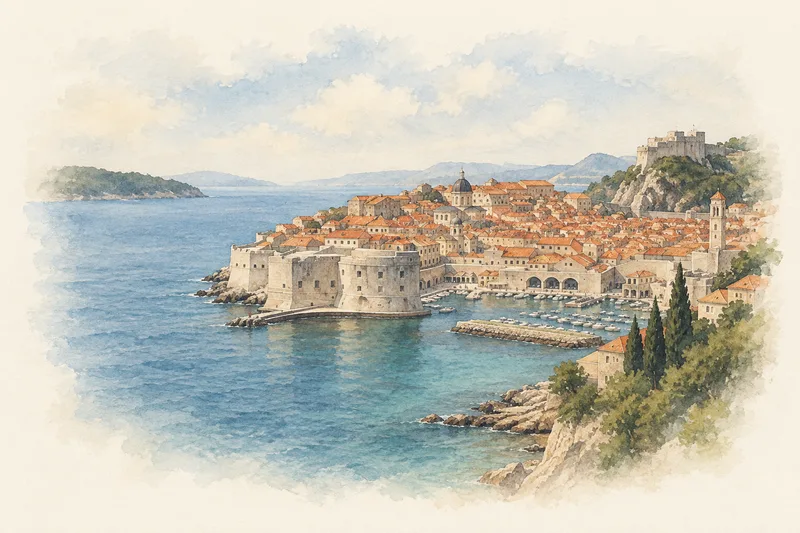
BEFORE YOUR FIRST MEAL
Navigating food allergies in Croatia
Croatian food changes markedly between the Adriatic coast, inland regions and island kitchens. Fish, shellfish, cured meat, cheese-filled pastries, wheat-based doughs and richly seasoned stews all feature in Croatian food. Dish names are recognition aids only: confirm the complete recipe, including stock, wine, fillings, toppings, cooking fat and anything added during preparation.
What to know first
Culinary variation
Coastal brudet, buzara and gregada may centre on fish or prawns, while inland dishes such as štrukli and gibanica use pastry, fresh cheese or cream.
Pastry and pasta
Wheat flour is prominent in fuzi, mlinci, burek-style pastries and cakes. Egg, dairy, breadcrumbs or nut fillings may vary between recipes and makers.
Communication
Explain the specific food you avoid and ask staff to check the complete recipe, including stock, sauce, toppings, shared oil, water and utensils.
Preparation
For fish, seafood or fried foods, ask whether the same oil, pan, grill, cooking water or serving utensils are used for other dishes.
Labels
For prepacked food, EU rules require the 14 regulated allergen categories to stand out in the ingredients list; ask how information is supplied for unpackaged food.
Understanding the food
Istrian truffles and olive oil, Kvarner shellfish, Dalmatian fish and peka, Zagreb and Zagorje pastries, Slavonian paprika and pork, island sheep cheese and inland river cooking form a compact but sharply regional cuisine.
The coast and interior use different fats, methods and seasonings.
| Region | Food landscape | Examples to explore |
|---|---|---|
| Istria & Kvarner | Olive groves, truffle forests, wine and northern Adriatic seafood | Fuži, truffles, boškarin, Kvarner shrimp and maneštra |
| Dalmatia & islands | Fish, olive oil, herbs, sheep and stone-hearth cooking | Peka, grilled fish, black risotto, pašticada and Pag cheese |
| Zagreb, Zagorje & north | Central European pastries, dairy and poultry | Štrukli, turkey with mlinci and cream cakes |
| Slavonia & Baranja | Fertile plains, rivers, pork, paprika and wine | Kulen, fiš paprikaš, čobanac and freshwater fish |
Regional products are central to Croatia’s tourism identity. The national tourist board highlights Istrian truffles and olive oil, Pag sheep cheese, Hvar honey and wine routes through Slavonia, Dalmatia and Central Croatia. [10]
The Adriatic is not one continuous menu. Istria and Kvarner bring truffles, boškarin cattle and prized shrimp; Dalmatia and its islands emphasise grilled fish, olive oil, herbs, lamb and slow cooking under a bell. [9][10]
Olive oil, paprika and dairy mark different Croatian zones.
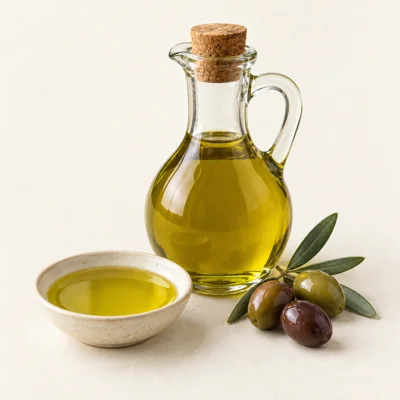 ADRIATIC FATOlive oil
A defining product of Istria, Dalmatia and the islands
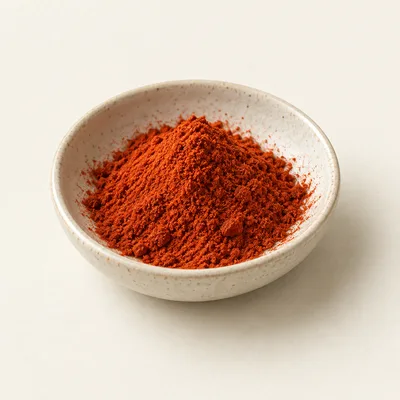 SLAVONIAN SPICEPaprika
Colour and warmth for sausages, fish and shepherd stews
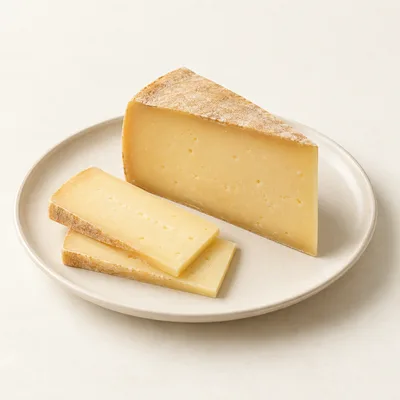 ISLAND DAIRYSheep cheese
Aged cheeses shaped by island pasture and wind
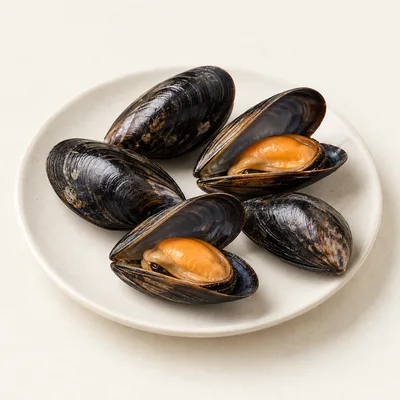 ADRIATIC CATCHMussels
Shellfish cooked simply with wine, garlic and herbs
Peka names the method and the gathering. Meat or octopus, potatoes and vegetables cook slowly beneath a metal bell covered with embers. It commonly requires advance ordering because time is part of the preparation. [8][10]
Wine regions overlap with food regions. Malvazija in Istria, Plavac Mali in Dalmatia and Graševina in Slavonia sit beside different local fats, seafood, meats and cheeses. A wine route is therefore also a regional food route. [10][9]
A konoba should feel local to its landscape.
Traditional taverns work best with a focused menu. A coastal konoba may centre the day’s fish, shellfish, pasta or peka; an inland one may foreground pork, freshwater fish, dumplings or stew. Ask what is local rather than what is “Croatian”. [9]
Markets connect the meal to small producers. Olive oil, cheese, cured meat, honey, fruit, vegetables and fish reveal the season and region before they become restaurant dishes. Food festivals and tastings add another route into those products. [10]
Food-culture sources checked .
Adriatic fish and seafood
Brudet is a fish dish and may include prawns or other crustaceans; buzara can use prawns or fish. Gregada centres on fish, while bakalar na bijelo and bakalar na brudet use dried cod. Ask which seafood is present, whether stock is fish-based, and whether wine, sauce or shared pans are involved.
Coastal rice, pasta and breads
Crni rižot can involve seafood stock, while Istrian fuzi is a wheat-flour pasta whose dough commonly includes egg, though recipes vary. Komiška and Viska pogača use wheat-flour dough with anchovy filling. Ask about the dough, filling, glaze, stock and any sauce added after cooking.
Inland pastry and dairy
Zagorski štrukli combines wheat pastry with fresh cheese and cream, with egg commonly used in the dough or filling. Bazlamaca may contain egg, wheat flour, cream and cheese. Gibanica, zlevanka and mlinci also vary, so establish whether dairy, egg, butter or wheat is used in the complete preparation.
Meat dishes and desserts
Purica s mlincima includes turkey with wheat-based mlinci, while Zagrebački odrezak has a cheese filling and an egg, wheat-flour and breadcrumb coating. Desserts such as orehnjača, rapska torta and kremšnita may involve walnuts or almonds, egg, milk, butter or wheat pastry.
Ingredients worth recognising
Start with these ingredients, then follow their names and recorded food connections. Check the recipe and product actually used.
Wheat flour
Wheat flour forms the dough for fuzi, pogača, štrukli, mlinci and many pastries. Ask whether the complete dish contains wheat flour, breadcrumbs or another flour, and whether the same surface or utensils are used for other doughs.
Egg
Egg commonly binds or enriches bazlamaca, bucnica, fritule and several pasta or pastry doughs, but it is not universal in every recipe. Ask about dough, filling, glaze, batter and shared cooking equipment.
Fresh Cheese
Fresh cheese is a milk-derived filling in bucnica and Zagorski štrukli, and appears in other pastry examples. Ask which dairy ingredients are used, whether cream or butter is added, and whether the recipe has changed from the displayed description.
Celery
Celery may form part of the aromatic base in beef broth and is commonly included in Dalmatinska pašticada. Ask whether celery is in the stock, sauce or vegetable base, rather than relying on the dish name alone.
Prawns
Prawns are a common variation in buzara and may appear in mixed-seafood brudet. Ask which seafood is in the portion, whether seafood stock or a shared pan is used, and whether the sauce is made separately.
Almond
Almond is a core ingredient in Rapska torta and may occur in regional rafioli fillings. Ask about cake bases, fillings, decoration and shared utensils, especially where several nut-containing pastries are displayed together.
How food labelling works
EU food-information rules cover 14 allergen categories used as ingredients. On prepacked food, these must stand out in the ingredients list. The categories include gluten-containing cereals, crustaceans, eggs, fish, peanuts, soybeans, milk, specified nuts, celery, mustard, sesame, sulphites above the stated threshold, lupin and molluscs.
Allergen information is also required for food sold without prepacking, including restaurant meals. Ask how to obtain the information for the exact order. National arrangements affect how it is supplied; an ingredient declaration does not by itself describe shared equipment or handling.
If you avoid a food outside those categories, read the complete ingredients and name that food when speaking to staff. A short allergen key cannot answer every ingredient-specific question.
Language and communication
Croatian is the national language and should be prioritised in a written explanation of the food you avoid. Write the exact ingredients of concern and ask staff to confirm the complete recipe, including stock, sauces, fillings, toppings, cooking fat and shared utensils. Dish names alone are not enough.
Italian may also be relevant locally, particularly as a possible communication option alongside Croatian; English may also be available. Prepare your explanation in advance and seek confirmation of regional recipe differences, especially for coastal seafood, pasta and pastry dishes.
Eating in different settings
Fish counter or coastal market
For dried cod, sardines, fresh fish or shellfish, ask the seller to identify every fish or crustacean in the dish. Check marinades, stock, wine, sauces and toppings, and ask whether cooked items share a grill, pan, oil or serving utensils.
Bakery and pastry shop
For štrukli, pogača, fritule, kremšnita or nut cakes, ask about wheat flour, egg, milk, butter, fresh cheese and nuts in the dough, filling and finish. Ask whether products are handled on shared trays or cut with shared utensils.
Restaurant meal
Before ordering brudet, buzara, fuzi, pašticada or Zagrebački odrezak, request a complete ingredient check. Ask about stock, wine, celery, breadcrumbs, cheese, seafood, cooking fat and shared pans; confirm what will be served in the actual portion.
Supermarket or accommodation kitchen
For packaged pasta, breadcrumbs, sauces, wine, oils and desserts, read the full ingredients list rather than a front label or dish name. In self-catering accommodation, ask how to keep ingredients, knives, boards, pans and cooking water separate.
Before you travel
Review your personal plan
Discuss your travel plans with your clinician and keep your prescribed medicines and emergency instructions accessible. Tell companions where these are and how to follow your plan.
Check your medicines before entering Croatia
Medicines prescribed or bought in the UK may have different legal status and regulation in Croatia. Before travelling, check TravelHealthPro’s best-practice guidance and confirm medicine import or document requirements with the relevant Croatian authority.
Make the first meals easier to organise
Contact your accommodation and transport providers in advance. Save your written food list, menu questions and destination address offline. Check entry restrictions before packing backup food, and plan how you will check meals during arrival and onward journeys.
Plan access to medical help
Eligible UK visitors should check whether they need a GHIC or EHIC for medically necessary state healthcare in Croatia, subject to eligibility and treatment limits. These cards are not travel insurance; check current NHS guidance and insurance cover, including possible charges and private or non-urgent care limits.
Emergency resources
For a suspected severe allergic reaction, follow your prescribed emergency plan and seek urgent medical help. Give your exact location clearly.
Ambulance and urgent medical help
Dial 112 and ask for an ambulance.
Explore next
Your allergy in Croatia
Choose a food concern for the country notes and questions relevant to it.
Dishes in Croatia
Follow the ingredients and cuisine connections in individual dish records.
Your own food list
Combine allergy groups and individual ingredients in one guide, with local names where recorded.
Allergy cards
Prepare the information you need to explain your food requirements.
FAQs, sources and review dates
Could brudet be safe if I choose fish rather than prawns?
Not necessarily. Brudet is recorded as fish-based, and some mixed-seafood versions include prawns. Ask which seafood is in this recipe, whether the stock is fish-based, and whether the sauce or pan has also been used for crustaceans or other seafood.
What should I check in a dish called fuzi?
Istrian fuzi commonly uses wheat flour and may include egg, although some doughs omit it. Confirm the actual dough, sauce and toppings, then ask about shared cooking water, colanders, pans and serving utensils rather than inferring ingredients from the pasta name.
I avoid an ingredient outside the common regulated allergen categories. What should I do?
Name that ingredient specifically and ask for the complete ingredients list and recipe. The short regulated allergen key cannot answer every ingredient-specific question; also check sauces, fillings, preservatives, toppings and shared handling for the exact food you avoid.
Sources checked: . This researched draft is awaiting editorial review. Practical questions apply the sources below to local food settings; they do not confirm any individual meal's ingredients or preparation.
Sources & references (10)
- FCDO · Croatia health and medical assistance
Emergency contact details, local healthcare and medicine guidance. UK-specific eligibility does not apply to every visitor.
- Wikivoyage contributors · Croatia
Community-edited culinary context only; not an allergy or medical authority. Brief food-context adaptations, CC BY-SA 4.0: https://creativecommons.org/licenses/by-sa/4.0/. Recipe questions also use PlateSafe’s draft records.
- FARE · Dining out
General recipe and preparation questions, applied here to country-specific food examples.
- FARE · Travelling with food allergies
General preparation, written communication and access to prescribed medicines. Not country-specific import permission.
- PlateSafe · Croatia recorded food connections
Existing draft dish and ingredient records, used as examples to investigate. These are not independently verified recipes or suitability assessments.
- Unicode CLDR · Territory language data
Language suggestions. Regional language needs must be confirmed with the particular food provider.
- European Commission · Allergen information
Scoped allergen-labelling summary. Does not establish an individual meal’s ingredients or preparation.
- Croatian National Tourist Board — Food, wine and regional products
- Croatian National Tourist Board — Istria and Kvarner gastronomy
- Croatian National Tourist Board — Croatian cuisine and wine routes