
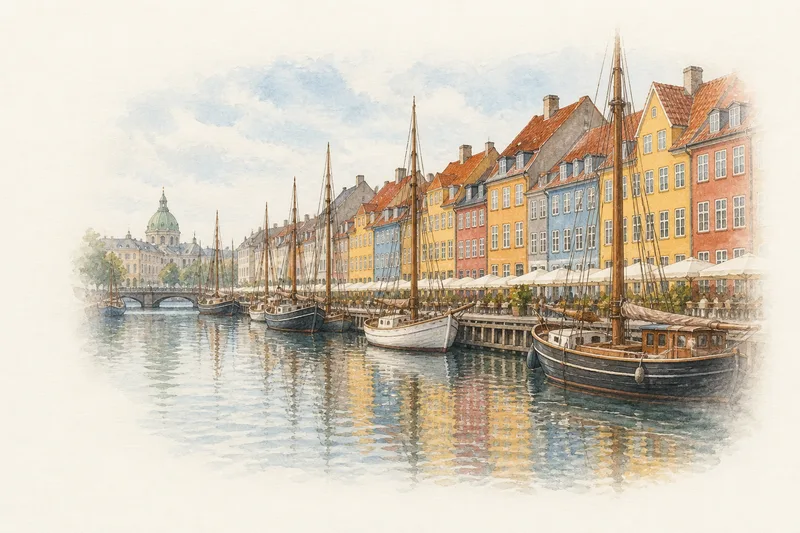
BEFORE YOUR FIRST MEAL
Navigating food allergies in Denmark
Danish food ranges from rye-based open sandwiches and hearty meat dishes to pastries, cultured dairy and seasonal sweets. A familiar name may cover several recipes: smørrebrød toppings vary, sauces may be thickened, and bakery doughs often differ. Ask about the complete dish, including bread, binders, stock, spreads, toppings and cooking surfaces, rather than relying on the menu description.
What to know first
Rye bread is not automatically wheat-free
Rugbrød is defined by rye, yet some formulations also contain wheat flour. Ask which bread is used for smørrebrød, and whether slices share a board or knife.
Sauces and binders change the dish
Frikadeller, gravies and creamy sauces may use wheat flour, crumbs, butter, milk or egg. Ask for every thickener and binder, not only the main meat or vegetable.
Explain the whole order in writing
Give staff a written explanation in Danish, and identify each food you avoid. Ask them to confirm the complete recipe, toppings, stock, sauce and preparation for your exact order.
Check frying and assembly separately
For stegt sild, hot dogs, pastries or fried toppings, ask what oil is used, whether it is shared, and whether utensils, boards or surfaces are shared.
Read the complete packaged-food list
EU allergen rules cover 14 categories and require relevant allergens to stand out in prepacked ingredient lists; this does not explain shared equipment or handling.
Understanding the food
Rye bread, potatoes, dairy, pork, herring, apples, cabbage and coastal seafood underpin everyday and festive meals. Copenhagen’s New Nordic influence matters, but Jutland, the islands, South Jutland, Bornholm and the Wadden Sea have distinct products and traditions of their own.
A small country still has several local pantries.
| Region or setting | Food landscape | Examples to explore |
|---|---|---|
| Copenhagen & Zealand | Smørrebrød, bakeries, markets and New Nordic dining | Open sandwiches, pastries, seasonal tasting menus and street food |
| Jutland | Farms, west-coast fisheries and regional meat traditions | Pork, potatoes, herring, oysters and farmhouse baking |
| Funen & smaller islands | Orchards, gardens, dairy and coastal produce | Apples, smoked cheese, vegetables and local seafood |
| Bornholm | Baltic island smokehouses, grain and artisan producers | Smoked herring, rye, mustard, beer and contemporary island food |
Fine dining is only one part of Denmark’s food identity. VisitDenmark places New Nordic and Michelin restaurants beside hot-dog stands, cake traditions, oyster trips, farm shops and regional producers. Everyday formats are not lesser versions of the cuisine. [8][9]
Producer routes make regional differences visible. Food maps link dairies, mills, breweries, orchards, smokehouses, farm shops and coastal harvests to the dishes served nearby. [10]
Dark bread and preservation give structure to the Danish table.
Dense rugbrød for open sandwiches and daily meals
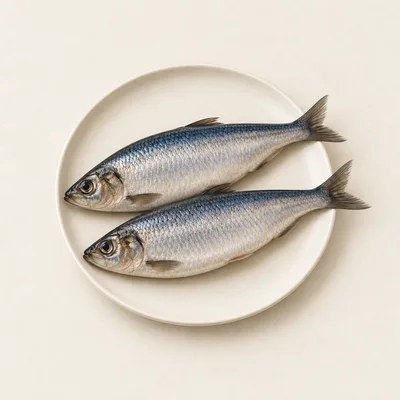 COASTAL FISHHerring
Pickled, marinated, fried or smoked
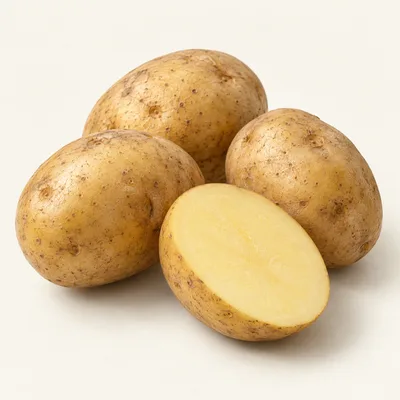 FIELD CROPPotato
Boiled, roasted, creamed and served cold
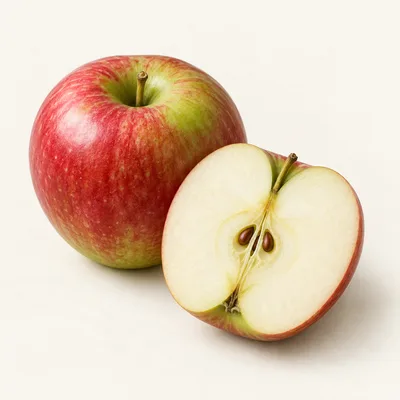 ORCHARDApple
Cakes, preserves, juice and savoury pairings
Smørrebrød is composed in layers. Butter or another spread protects rye bread before fish, meat, egg, potato or cheese and carefully chosen garnishes are added. Each named topping has an expected balance rather than being an arbitrary pile. [8]
Modern Danish cooking reframes the same landscape. Contemporary kitchens emphasise season, fermentation, foraging, whole-crop use and close producer relationships. Innovation grows from local systems even when the presentation is new. [11][9]
Choose between lunch tradition, bakery culture and destination dining.
Lunch is the natural context for classic open sandwiches. A dedicated smørrebrød restaurant or traditional lunch room explains combinations, order and seasonal toppings more clearly than a generic café. [8]
Regional quality extends far beyond Copenhagen. Aarhus, Aalborg, Bornholm, the west coast and rural inns combine local producers with both casual and ambitious cooking. Farm shops and food halls can be more revealing than chasing awards alone. [9][10]
Food-culture sources checked .
Smørrebrød and rye-based lunches
Smørrebrød is an open sandwich usually built on rugbrød, with toppings such as herring, fish, cold meats, pâté, salads, cheese or egg. Rye bread may include wheat, while butter and cheese can be part of the assembly. Ask whether the bread is sliced with the same knife used for other breads, and whether spreads or toppings are prepared separately.
Hot meals, binders and gravy
Danish hot dishes include frikadeller, hakkebøf, biksemad and stegt flæsk with potatoes or sauce. Some versions of frikadeller use wheat-based binders and egg, while parsley or brown sauces may use wheat flour, butter or milk. Ask whether the recipe uses crumbs, flour, stock, dairy or egg, and whether the sauce is made separately.
Pastry, cakes and fried dough
Aebleskiver, klejner, wienerbrød, tebirkes and tarteletter represent different pastry or batter contexts. Some versions use wheat, and often butter, milk or egg; tarteletter may also have a creamy filling. Ask about the dough, glaze, filling and the oil or trays used, rather than assuming all bakery items share one recipe.
Cultured dairy, fruit and seasonal sweets
Koldskål has a buttermilk-and-yogurt base and may include egg yolk; risalamande combines milk, cream and chopped almonds. Fruit preserves, candies and festive pastries have varying formulations. Ask whether a dessert contains dairy, egg, almond, chocolate, preserve or liquorice, and request the complete packaged ingredient list where one is available.
Ingredients worth recognising
Start with these ingredients, then follow their names and recorded food connections. Check the recipe and product actually used.
Wheat flour
Wheat flour appears in batters, pastry, crumbs, binders and sauces, including examples such as frikadeller, klejner and stegt flæsk with parsley sauce. Ask whether it is in the main dish, gravy, coating or shared bakery preparation.
Rye bread
Rye bread is the traditional base for smørrebrød and appears in examples including pariserbøf and Sol over Gudhjem. Some rye-bread formulations include wheat, so check the exact loaf and whether toppings are assembled on a shared board.
Butter
Butter can fry onions, enrich pastry, appear in sauces or serve as a spread. It is recorded in examples including aebleskiver, klejner and hakkebøf with soft onions. Ask whether butter is used in cooking, glazing, filling or service.
Egg
Egg is a defining or common ingredient in aebleskiver, aeggekage, cakes, binders and several toppings. Ask about batter, crumb-bound mixtures, glaze and raw or fried egg added at the end, including on dishes such as pariserbøf.
Herring
Herring is used in smørrebrød, Sol over Gudhjem and stegt sild, with preparation varying between a topping and a coated fried fish. Ask about the fish, coating, marinade or sauce, and whether frying oil is shared.
Chicken stock
Chicken stock may contain celery as part of its aromatic base. It can enter fillings, sauces or savoury preparations without being obvious from a dish name. Ask whether stock is used, what its full ingredient list is, and whether a separate preparation is possible.
How food labelling works
EU food-information rules cover 14 allergen categories used as ingredients. On prepacked food, these must stand out in the ingredients list. The categories include gluten-containing cereals, crustaceans, eggs, fish, peanuts, soybeans, milk, specified nuts, celery, mustard, sesame, sulphites above the stated threshold, lupin and molluscs.
Allergen information is also required for food sold without prepacking, including restaurant meals. Ask how to obtain the information for the exact order. National arrangements affect how it is supplied; an ingredient declaration does not by itself describe shared equipment or handling.
If you avoid a food outside those categories, read the complete ingredients and name that food when speaking to staff. A short allergen key cannot answer every ingredient-specific question.
Language and communication
Danish is Denmark’s national language and should be prioritised for a written food explanation. Prepare a clear note naming each food you avoid and asking for the complete recipe, stock, sauce, toppings and preparation method. Danish dish names help recognition, but they do not replace confirmation of ingredients or handling.
German has minority-language context in Southern Jutland, so it may be relevant there alongside Danish. Regional wording and staff confirmation still matter. If travelling onward to Greenland or the Faroe Islands, check the language context separately; do not assume a Danish dish name communicates an allergy request.
Eating in different settings
Smørrebrød lunch counter
Name the exact bread and topping rather than ordering only “smørrebrød”. Ask whether the rugbrød contains wheat, whether butter, cheese, pâté or egg is included, and whether the knife, board and spread containers are shared between sandwiches.
Pølsevogn or quick-service stand
For a hot dog, ask what is in the sausage, bun, remoulade, mustard, fried onions and pickles. Confirm whether the sausage and toppings use shared grills, pans, tongs or oil, and request an order without unconfirmed additions.
Bakery or konditori
Ask staff to identify the exact pastry and its dough, filling, glaze and finishing ingredients. For wienerbrød, klejner, tebirkes or tarteletter, check wheat, butter, milk, egg and any nuts or preserves, plus shared trays and utensils.
Restaurant or accommodation meal
Before ordering a hot dish, show the written explanation and ask about meat binders, flour-thickened gravy, stock, dairy and egg. Confirm whether potatoes, vegetables, sauces and desserts are prepared separately, and ask for the complete recipe of the proposed meal.
Before you travel
Review your personal plan
Discuss your travel plans with your clinician and keep your prescribed medicines and emergency instructions accessible. Tell companions where these are and how to follow your plan.
Check your medicines before entering Denmark
The official source says UK prescriptions are not recognised in Denmark. Check TravelHealthPro best practice and the medicine’s status with the relevant authority before travelling. If medication is needed in Denmark, speak to a local pharmacist, called an Apotek, who can explain whether a local GP prescription is required.
Make the first meals easier to organise
Contact your accommodation and transport providers in advance. Save your written food list, menu questions and destination address offline. Check entry restrictions before packing backup food, and plan how you will check meals during arrival and onward journeys.
Plan access to medical help
For UK travellers seeking medically necessary state healthcare in Denmark, the source says you need a GHIC or EHIC; these are not substitutes for travel insurance and may not cover private, non-urgent or repatriation costs. Greenland has different eligibility and coverage limits. You cannot use a GHIC or EHIC in the Faroe Islands, although the UK has a reciprocal arrangement there; check current arrangements and your insurer.
Emergency resources
For a suspected severe allergic reaction, follow your prescribed emergency plan and seek urgent medical help. Give your exact location clearly.
Ambulance and urgent medical help
Dial 112 and ask for an ambulance.
Explore next
Your allergy in Denmark
Choose a food concern for the country notes and questions relevant to it.
Dishes in Denmark
Follow the ingredients and cuisine connections in individual dish records.
Your own food list
Combine allergy groups and individual ingredients in one guide, with local names where recorded.
Allergy cards
Prepare the information you need to explain your food requirements.
FAQs, sources and review dates
Is smørrebrød suitable if I avoid wheat?
Not automatically. Traditional smørrebrød uses rye bread, but some rye loaves include wheat, and toppings may bring further ingredients. Ask which bread is used, request the full bread ingredients, and check whether the topping, spread and assembly share utensils or a preparation surface.
What should I check in risalamande?
The recorded example uses chopped almonds, milk and cream. Ask whether the dessert also contains any additional topping, sauce or packaged component, and read the complete ingredient list if bought ready-made. Do not infer its ingredients solely from the name or from another rice pudding recipe.
Could a simple vegetable dish contain something unexpected?
Yes. A sauce or stock may add an ingredient not obvious from the vegetable itself; chicken stock, for example, may use celery in its aromatic base. Ask whether stock, gravy, butter, flour or seasoning has been added, and request the exact preparation rather than assuming plain cooking.
Sources checked: . This researched draft is awaiting editorial review. Practical questions apply the sources below to local food settings; they do not confirm any individual meal's ingredients or preparation.
Sources & references (11)
- FCDO · Denmark health and medical assistance
Emergency contact details, local healthcare and medicine guidance. UK-specific eligibility does not apply to every visitor.
- Wikivoyage contributors · Denmark
Community-edited culinary context only; not an allergy or medical authority. Brief food-context adaptations, CC BY-SA 4.0: https://creativecommons.org/licenses/by-sa/4.0/. Recipe questions also use PlateSafe’s draft records.
- FARE · Dining out
General recipe and preparation questions, applied here to country-specific food examples.
- FARE · Travelling with food allergies
General preparation, written communication and access to prescribed medicines. Not country-specific import permission.
- PlateSafe · Denmark recorded food connections
Existing draft dish and ingredient records, used as examples to investigate. These are not independently verified recipes or suitability assessments.
- Unicode CLDR · Territory language data
Language suggestions. Regional language needs must be confirmed with the particular food provider.
- European Commission · Allergen information
Scoped allergen-labelling summary. Does not establish an individual meal’s ingredients or preparation.
- VisitDenmark — Eat your way through Denmark
- VisitDenmark — Gastronomy by region
- VisitDenmark — Kystlandet food map
- VisitDenmark — The future of food