
BEFORE YOUR FIRST MEAL
Navigating food allergies in Eswatini
Eswatini combines maize-based staples with beans, groundnuts, pumpkin, avocado, sour milk, local meats and convenience foods. Preparation can differ between roadside sellers, markets, tourist restaurants and private kitchens, so ask about every ingredient and step. Explain your food concern clearly in English or SiSwati, then ask about sauces, marinades, salads, cooking liquids, separate portions, shared utensils and cooking surfaces. Dish names alone do not establish the complete recipe.
What to know first
Maize staples
Mealie and pap are maize-based staples served with other foods. Ask whether this particular portion contains added milk, stock, seasoning or another ingredient, and what was used in its cooking liquid.
Peanut preparations
Groundnuts are used in some local preparations, including examples involving greens and Siphuphe setindlubu. Ask whether peanut is in the dish, sauce, topping or cooking pot for this batch.
Explain the whole recipe
State the ingredient you need to avoid, then ask about the complete recipe, cooking liquid, sauce, oil, seasoning, topping and serving utensils instead of relying on a dish name.
Grilled chicken
For chicken dust, ask whether chicken, salad and mealie were prepared separately. Check the marinade, basting sauce, grill, tongs, chopping board and serving utensils used for your portion.
Read full labels
For packaged foods, read the complete ingredient list and ask about every named ingredient, including sauces or fillings supplied separately. Product categories, pictures and familiar names do not describe the full recipe.
Understanding the food
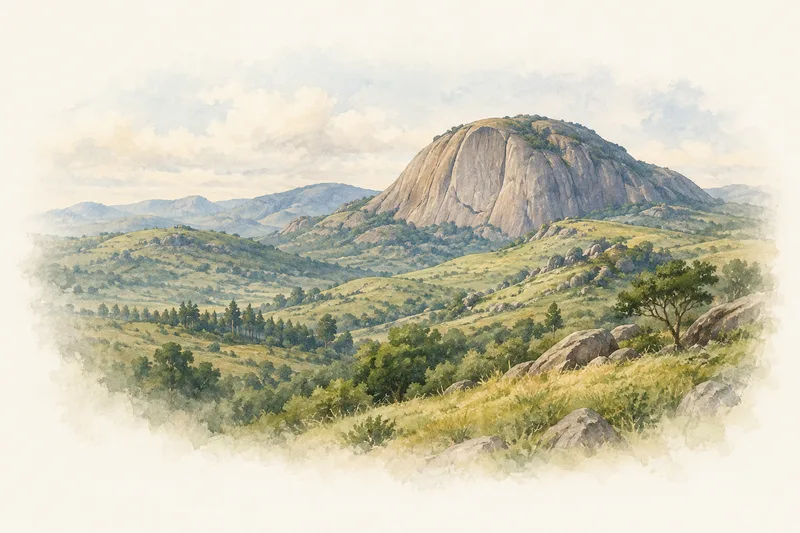
Maize meal, sorghum, beans, pumpkin, groundnuts, fermented milk, beef and leafy vegetables sustain everyday and ceremonial meals. The Highveld, Middleveld and Lowveld differ in climate and crops, while royal and community festivals give food a strong social setting.
Elevation divides the country into different growing conditions.
| Region or setting | Food landscape | Examples to explore |
|---|---|---|
| Highveld | Cooler, wetter farms and dairy country | Maize, potatoes, vegetables, cattle and sour milk |
| Middleveld | Mixed farming, towns and national markets | Sishwala, beans, pumpkin, greens and braised meat |
| Lowveld | Hotter sugar country, livestock and drought-tolerant crops | Sorghum, maize, groundnuts, beef and seasonal wild foods |
| Festivals & homesteads | Collective preparation and ceremonial hospitality | Beer, marula drink, roasted meat and large grain dishes |
The plate begins with grain and the homestead economy. FAO identifies maize as the dominant staple alongside sorghum, beans, groundnuts, vegetables and livestock. Household food security and rainfall strongly affect what is available. [9]
Food belongs within living Swazi social institutions. Tourism guidance presents ceremonies, dance, craft and homestead visits as connected cultural experiences. Meals served in those contexts should be understood through hosts, occasion and community. [8][7]
Maize porridge changes with texture and accompaniment.
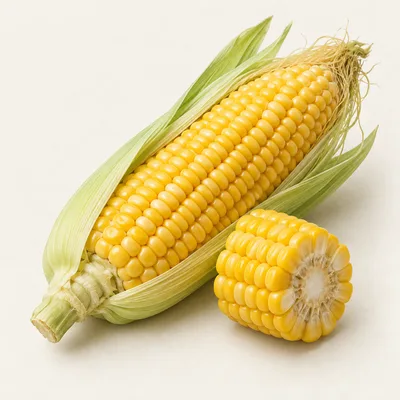 STAPLE GRAINMaize
Sishwala, thin porridges and fermented drinks
Porridge, traditional beer and resilient farming
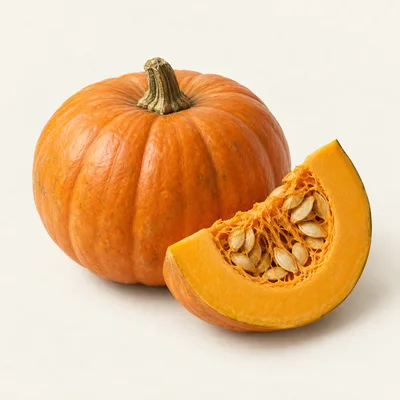 GARDEN CROPPumpkin
Flesh, seeds and leaves used across meals
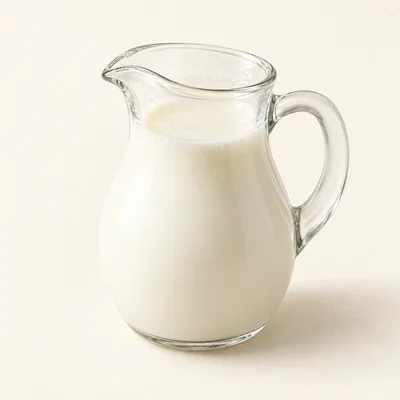 CULTURED DAIRYSour milk
Emasi served with grain or eaten as a refreshing food
Sishwala is meant to carry a relish or stew. A firm maize porridge may accompany beans, leafy greens, pumpkin, meat or sour milk. The accompanying dish supplies much of the flavour and nutrition. [9]
Buganu is tied to marula season and women’s collective knowledge. The annual festival centres harvesting, processing and sharing marula drink within a ceremonial context. It should not be treated simply as a beverage tasting detached from the event. [10][8]
Homestead hospitality and urban restaurants show different parts of the cuisine.
Community experiences need a named cultural setting. When food is part of a village or homestead visit, learn who prepared it, whether it is everyday or ceremonial and how the ingredients were obtained. [8]
Mbabane and the Ezulwini corridor have the broadest restaurant range. Hotels and restaurants may combine Swazi staples with South African and international formats. Ask for local vegetables, grain preparations or seasonal dishes rather than assuming a steak alone represents the country. [7]
Food-culture sources checked .
Maize-based meals
Maize-based dishes are popular, and mealie or pap is described as a porridge-like staple. A serving may sit alongside beans, pumpkin, avocado or sour milk, but these foods are not automatic ingredients. Ask how this portion was made, what liquid and seasoning were used, and whether butter, milk, stock or sauce was added. Also ask whether your portion can be served separately from other food and utensils. Do not infer the complete recipe from the words pap or mealie alone.
Greens and peanut dishes
Ligusha is an example of cooked greens that may be enriched with ground peanut, while Siphuphe setindlubu is an example built around peanuts. These named preparations do not establish what every similar dish contains. Ask whether peanut was added to the greens, sauce or topping, and whether a bought-in savoury filling is part of the recipe. Ask about the cooking pot, spoon, serving dish and separate preparation of your portion, rather than relying on the dish name.
Chicken dust and local meat
Chicken dust is described as chicken grilled in the open and served with salad and mealie. Dried and cooked local meats, including antelope sometimes called wild meat, are also available at tourist restaurants. Ask what is in the marinade, spice mixture, basting sauce, salad dressing and mealie. Check whether cooking liquid, oil, grill space, tongs, board or serving utensils are shared, and whether the meat and accompaniments can be prepared and served as separate portions.
Markets, shops and Western foods
Sweet breads, vegetables and fruits are available from roadside merchants, while Manzini markets and local shops offer varied foods. Convenience foods based on traditional ingredients, pasta and chocolate are also found in shops such as the Hub. For a prepared item, ask about the complete recipe, including fillings, sauces and toppings. For packaged food, read the full label and check any separate sachet or supplied filling rather than assuming suitability from its category, brand or display.
Ingredients worth recognising
Start with these ingredients, then follow their names and recorded food connections. Check the recipe and product actually used.
Peanut
Peanut may appear as whole groundnuts, ground peanut or a peanut-based preparation such as a sauce or topping. Ask whether it was added to greens, Siphuphe setindlubu or another dish, and whether the pot, spoon or serving dish was shared.
Cow Milk
Cow milk may be used as milk, sour milk or fermented cow milk in a recipe or accompaniment. Ask which form is present, whether it was added during cooking, and whether a separate sauce, topping or serving contains it.
Maize
Maize may appear as mealie, pap, mealie meal or another maize-based dish. Ask what liquid and seasoning were used, whether milk or stock was added, and whether your serving was cooked or portioned with shared equipment.
Pumpkin
Pumpkin may be served as a vegetable, side or ingredient alongside maize-based food. Ask whether it is in the complete recipe or served separately, what was added during cooking, and whether the knife, pot or serving spoon was shared.
Chicken
Chicken may be grilled as chicken dust or prepared in another local or restaurant dish. Ask about marinades, basting sauces, seasonings and cooking liquids, and whether the chicken had separate grill space, tongs, boards and serving utensils.
How food labelling works
A current, country-specific allergen-labelling summary for Eswatini has not yet been verified for this guide. Do not transfer the list of regulated allergens or restaurant disclosure rules from your home country to this one.
Read the complete ingredients on the actual package and keep any local-language sticker with the original label. For imported products, compare the information on that pack rather than a photograph of the brand sold elsewhere. Ask the manufacturer or seller to clarify an unfamiliar term.
For loose food or meals prepared to order, ask who can check the recipe and the labels on bought-in ingredients. Explain every food you avoid, including ingredients outside familiar allergy groups; a short symbol chart may not cover your list.
Language and communication
English is the official language of business, so prepare a written explanation in English covering the ingredient concern and the need to check the complete recipe. Include questions about stock, sauce, toppings, shared oil, water, utensils and cooking surfaces, not just the dish name.
SiSwati, also known as Swazi, is the local language to prioritise in rural areas, where it is spoken almost exclusively. A written explanation in SiSwati can support regional communication; ask the person preparing the food to confirm each ingredient and preparation step.
Eating in different settings
Roadside chicken and produce
At a roadside merchant or chicken-dust seller, ask whether the chicken has a marinade or basting sauce and whether salad and mealie are prepared separately. Check the grill, tongs, boards, knives, serving spoons, oil and dressing, and ask whether your portion can be handled apart from other orders.
Manzini market or local shop
When buying an unfamiliar prepared item at a Manzini market or local shop, ask what the complete recipe contains, including groundnut, milk, sour milk, fillings and toppings. For packaged goods, read the full ingredient list, ask about separate sachets and keep the original packaging available while asking questions.
Tourist restaurant
For local meat or chicken at a tourist restaurant, ask about seasoning, marinade, stock, cooking liquid, sauce and salad dressing. Confirm whether the meat shares a grill, pan, oil, board, water, tongs or utensils with other dishes, and request a separately prepared portion if the kitchen can explain that process.
Grocery shop or the Hub
In a grocery shop such as the Hub, use the complete label rather than the product name or front description. Ask for help identifying every ingredient in pasta, chocolate, sweet bread or convenience food, including any sauce, filling or topping supplied separately, and retain the packaging for further questions.
Before you travel
Review your personal plan
Discuss your travel plans with your clinician and keep your prescribed medicines and emergency instructions accessible. Tell companions where these are and how to follow your plan.
Check your medicines before entering Eswatini
The legal status and regulation of medicines prescribed or bought in the UK can differ in other countries. Before travelling to Eswatini, check TravelHealthPro’s best-practice guidance and confirm medicine import requirements with the relevant Eswatini authority, allowing for any medicine-specific documentation.
Make the first meals easier to organise
Contact your accommodation and transport providers in advance. Save your written food list, menu questions and destination address offline. Check entry restrictions before packing backup food, and plan how you will check meals during arrival and onward journeys.
Plan access to medical help
Basic healthcare is available in Eswatini, but shortages of common medicines are reported. Serious accidents, emergencies or specialised treatment may require travel to South Africa. Check insurance cover and accessible funds for possible evacuation or repatriation, and review the FCDO’s information on medical providers in Eswatini.
Emergency resources
For a suspected severe allergic reaction, follow your prescribed emergency plan and seek urgent medical help. Give your exact location clearly.
Ambulance and urgent medical help
Call 977 or 933 and ask for an ambulance.
Explore next
Your allergy in Eswatini
Choose a food concern for the country notes and questions relevant to it.
Dishes in Eswatini
Follow the ingredients and cuisine connections in individual dish records.
Your own food list
Combine allergy groups and individual ingredients in one guide, with local names where recorded.
Allergy cards
Prepare the information you need to explain your food requirements.
FAQs, sources and review dates
Could Ligusha contain peanut?
It may, in the example of Ligusha prepared with ground peanut, but the name does not establish the recipe for every serving. Ask whether peanut was added to these greens, whether a sauce or topping contains it, and whether the cooking pot, spoon and serving dish were shared.
Is every sour milk serving the same?
No. Sour milk is mentioned as a common ingredient, while fermented cow milk is a separate recipe connection. Ask whether this dish contains sour milk, fermented cow milk, ordinary cow milk or another addition. Also ask when it was added, whether it is served separately and what else is in the complete recipe.
What about avocado, which is not a common allergy group?
Avocado is used in Eswatini food settings, but its presence cannot be inferred from a meal’s name. Ask whether it is in the salad, side or topping, whether it was added separately, and whether the knife, board or serving utensil was shared with other ingredients.
Sources checked: . This researched draft is awaiting editorial review. Practical questions apply the sources below to local food settings; they do not confirm any individual meal's ingredients or preparation.
Sources & references (10)
- FCDO · Eswatini health and medical assistance
Emergency contact details, local healthcare and medicine guidance. UK-specific eligibility does not apply to every visitor.
- Wikivoyage contributors · Eswatini
Community-edited food and dining context, checked against the recorded food examples. This is not an allergy or medical authority. Brief food-context adaptations; CC BY-SA 4.0, https://creativecommons.org/licenses/by-sa/4.0/.
- FARE · Dining out
General recipe and preparation questions, applied here to country-specific food examples.
- FARE · Travelling with food allergies
General preparation, written communication and access to prescribed medicines. Not country-specific import permission.
- PlateSafe · Eswatini recorded food connections
Existing draft dish and ingredient records, used as examples to investigate. These are not independently verified recipes or suitability assessments.
- Unicode CLDR · Territory language data
Language suggestions. Regional language needs must be confirmed with the particular food provider.
- Eswatini Tourism Authority — Official tourism portal
- Eswatini Tourism Authority — Culture and events
- FAO — Eswatini country profile
- Eswatini Tourism Authority — Buganu / Marula Festival