

BEFORE YOUR FIRST MEAL
Navigating food allergies in Haiti
Haitian cooking brings French and African influences together with a strong use of spices. Travel meals may include roast goat, fried pork, Creole-sauced poultry, rice with djondjon mushrooms, fish and fruit. Recipes vary, so ask about every component rather than relying on a dish name, especially for pastry, fritters, pasta, baked dishes and sauces.
What to know first
Flour appears in more than bread
Wheat flour can form pastry, fritter batter, dumplings and baked dough in Pate Haitien, Marinad, Bouyon and Konparet. Ask whether flour is present in every component.
Fish dishes are not interchangeable
Cod, salted fish, other fish and crustaceans appear in different examples. Ask which species is used, whether the filling is mixed, and whether a sauce or topping contains seafood.
Explain the whole recipe
In Haitian Creole or French, describe the ingredient you must avoid and ask about stock, sauce, filling, toppings, shared utensils and frying oil, not just the main dish.
Check preparation as well as ingredients
Ask whether food is fried in oil also used for fritters or pastry, whether pasta shares cooking water, and whether vegetables were prepared with the same knife or board.
Read the complete label
Read the complete ingredients and allergen information on the actual product. If you avoid a food that is not highlighted, ask the producer or food provider to check it specifically.
Understanding the food
Rice, beans, maize, plantain, cassava, yams, leafy vegetables, coffee, cacao, pork, goat and fish reflect Taíno crops, African knowledge, French colonial rule and regional Caribbean exchange. Griot and soup joumou are powerful symbols, but daily manje lakay varies between north, Artibonite, the southern peninsula and urban Port-au-Prince.
Mountain, plain and coast put different crops around the rice pot.
| Region or setting | Food landscape | Examples to explore |
|---|---|---|
| Port-au-Prince & central cities | Markets, fritay, regional migration and bakery culture | Griot, diri ak pwa, pâtés, bouyon and street snacks |
| Artibonite & central plains | Rice production, beans, vegetables and livestock | Rice dishes, lalo, legumes and stewed meats |
| North & mountain zones | Coffee, cacao, roots, citrus and historic town food | Soups, cassava, roasted meats and regional sweets |
| South & coastal peninsula | Fishing, coconut, breadfruit, plantain and fruit | Grilled fish, seafood, tonmtonm and coconut dishes |
Visit Haiti describes a cuisine built through epis and careful seasoning. Garlic, herbs, scallion, peppers, citrus and spices are pounded or blended into marinades and sauce foundations that distinguish Haitian cooking from a simple list of Caribbean staples. [7][8]
Soup joumou carries the history of independence. UNESCO records the pumpkin-based soup as a symbol of freedom, dignity and identity because enslaved Haitians were once denied it and began sharing it after independence in 1804. [9]
Epis, pikliz and sòs complete the plate.
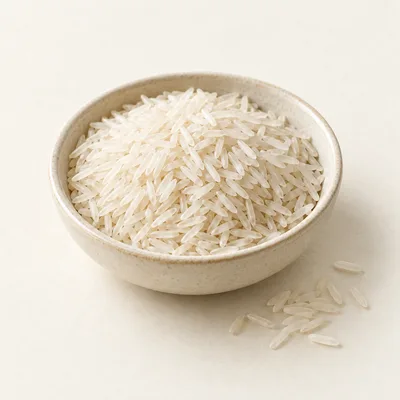 GRAINRice
Diri ak pwa, mushroom rice and daily plates
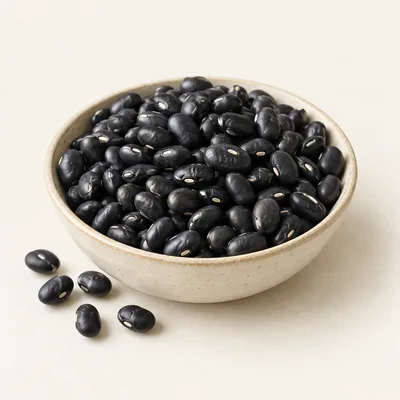 PULSEBlack bean
Stewed whole, puréed into sauce or cooked with rice
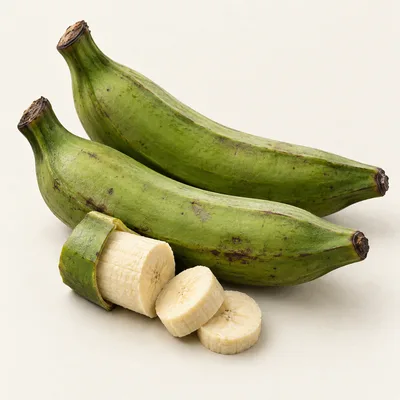 TROPICAL STARCHPlantain
Bannann peze, boiled sides and soups
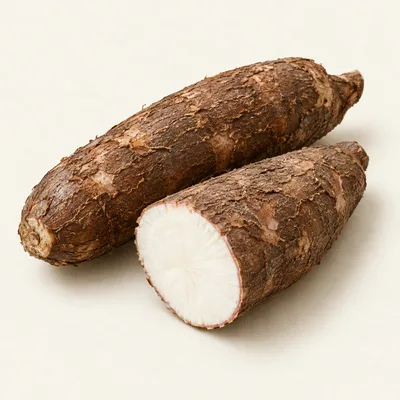 ROOTCassava
Flatbreads, boiled provisions and sweets
Pikliz is acidity, heat and texture. Shredded cabbage and vegetables pickle with vinegar and hot chilli, cutting through fried pork, plantain and other fritay. It is an integral condiment, not a decorative slaw. [7][8]
Djon djon transforms rice through a local mushroom broth. Dried black mushrooms colour and flavour rice associated especially with northern Haiti and celebration cooking. The ingredient carries regional identity even when served nationally. [8]
Fritay stands, bakeries and home-style restaurants reveal different parts of the cuisine.
A fritay vendor specialises in timing and crispness. Griot, tassot, plantain, akra and marinad are fried and served with pikliz; a busy stall may explain this format better than a broad sit-down menu. [7]
Everyday availability follows difficult food systems as well as season. Local harvests, imported rice and wheat, transport disruption and market prices all affect what kitchens can serve. A changing menu should be read as part of contemporary Haitian reality. [10]
Food-culture sources checked .
Pastry, fritters and dumplings
Wheat flour is recorded in Pate Haitien pastry, Pate Kode fried pastry, Marinad batter and Bouyon dumplings. Bonbon Sirop and Konparet are baked examples, while egg or butter may occur in some recipes. Ask whether the dough contains wheat flour, egg or milk-derived butter, and whether frying oil is shared with other battered foods.
Rice, pasta and baked meals
Diri Djondjon is recorded with shrimp-containing versions, so ask whether the rice includes shrimp or a separate seafood component. Spaghetti Haitien and macaroni are typically wheat-based; Macaroni Graten can also include egg, milk, butter and cheese. Soup Joumou may include wheat-based spaghetti and commonly uses celery for aromatic flavour.
Seafood, produce and drinks
Coastal cooking examples include fish, lobster and conch, while Chiquetaille de Morue centres on cod and Pwason Gwo Sel on salted fish. Ask about species and sauces. Fruit examples include mango, guava, pineapple, banana and coconut; for cut fruit or coconut water, ask what was added and how it was handled.
Ingredients worth recognising
Start with these ingredients, then follow their names and recorded food connections. Check the recipe and product actually used.
Wheat flour
Wheat flour forms Pate Haitien pastry, Pate Kode dough, Marinad batter and some Bouyon dumplings; it may also bind Pain Patate. Ask about flour in dough, batter, gravy or a less obvious binder.
Celery
Celery commonly contributes aromatic flavour in Soup Joumou. Ask whether it is included in the soup base, stock or seasoning mixture, and whether the same ladle or serving spoon is used for other dishes.
Cod
Cod is the primary fish ingredient recorded for Chiquetaille de Morue, while other fish examples use broader descriptions. Ask whether the dish contains cod specifically, another fish, or a mixed seafood preparation, and check sauces and garnishes separately.
Butter
Butter is recorded in some Konparet and Pate Haitien preparations and is used in Macaroni Graten. Ask whether the fat is butter, whether milk is also added, and whether butter is brushed over pastry or mixed into a sauce.
Peanut
Peanut is the defining base of Tablet Pistach. Ask whether peanut is present in the sweet, whether it is prepared beside other foods, and whether shared scoops, trays or wrappers could transfer crumbs.
How food labelling works
A current, country-specific allergen-labelling summary for Haiti has not yet been verified for this guide. Do not transfer the list of regulated allergens or restaurant disclosure rules from your home country to this one.
Read the complete ingredients on the actual package and keep any local-language sticker with the original label. For imported products, compare the information on that pack rather than a photograph of the brand sold elsewhere. Ask the manufacturer or seller to clarify an unfamiliar term.
For loose food or meals prepared to order, ask who can check the recipe and the labels on bought-in ingredients. Explain every food you avoid, including ingredients outside familiar allergy groups; a short symbol chart may not cover your list.
Language and communication
Prepare a written explanation in Haitian Creole (Kreyòl Ayisyen), Haiti’s native and widely used official language. State the ingredient, recipe and preparation questions clearly, including what must be avoided. Ask the person serving you to confirm the complete dish, not merely recognise the ingredient name.
French is also an official language and may be useful in administrative or more formal settings, but confirmation still matters. Use Haitian Creole first where appropriate, with French as an additional written explanation. Regional circumstances and the individual server’s understanding can vary; names are recognition aids, not a complete allergy request.
Eating in different settings
Street fruit or coconut seller
For mango, pineapple, sugarcane or a freshly opened coconut, ask whether anything is added and whether the knife, board or serving container has been used for another food. For cut fruit, ask when it was prepared and whether the portion is handled separately.
Bakery or pastry counter
For Bonbon Sirop, Konparet, Pate Haitien or Pate Kode, ask whether the dough contains wheat flour, egg, butter or milk. Ask whether pastry and fritters share trays, tongs, surfaces or frying oil, and request confirmation of the complete recipe.
Restaurant or shared meal
For kabrit, griot, poulet creole, Diri Djondjon or Soup Joumou, ask about the stock, marinade, sauce, toppings and aromatic ingredients. Confirm whether rice, pasta or vegetables share utensils, cooking water, pans or serving spoons with another dish.
Packaged-food shop
Check the complete ingredient list on sweets, pasta, sauces and snacks, including Tablet Pistach. Ask staff to identify unfamiliar ingredients and whether the product is made with peanut, wheat, egg, milk or seafood. Do not rely on the product name alone.
Before you travel
Review your personal plan
Discuss your travel plans with your clinician and keep your prescribed medicines and emergency instructions accessible. Tell companions where these are and how to follow your plan.
Check your medicines before entering Haiti
The legal status and regulation of medicines prescribed or bought in the UK may differ in Haiti. Some medicines sold there may be poor quality, and pharmacies may sell expired medicines; some medicines may not be available. Bring enough essential medicine and check TravelHealthPro and NHS guidance on taking it abroad before travel.
Make the first meals easier to organise
Contact your accommodation and transport providers in advance. Save your written food list, menu questions and destination address offline. Check entry restrictions before packing backup food, and plan how you will check meals during arrival and onward journeys.
Plan access to medical help
Medical services in Haiti are extremely limited and can be overwhelmed. Private care and ambulance services may involve costs, so check insurance cover in advance. Doctors and hospitals may expect immediate cash payment and full payment before leaving the hospital; ask your insurer about arrangements and review the FCDO list of medical providers.
Emergency resources
For a suspected severe allergic reaction, follow your prescribed emergency plan and seek urgent medical help. Give your exact location clearly.
Ambulance and urgent medical help
Call 116 and ask for an ambulance.
Explore next
Your allergy in Haiti
Choose a food concern for the country notes and questions relevant to it.
Dishes in Haiti
Follow the ingredients and cuisine connections in individual dish records.
Your own food list
Combine allergy groups and individual ingredients in one guide, with local names where recorded.
Allergy cards
Prepare the information you need to explain your food requirements.
FAQs, sources and review dates
Could Diri Djondjon contain crustaceans?
Yes, the recorded example specifically notes shrimp-containing versions. Ask whether shrimp is in the rice, stock, seasoning or garnish, and whether the same pot, spoon or preparation surface was used for another seafood dish. A version without visible shrimp still needs a complete recipe check.
How should I ask about macaroni dishes?
Ask whether the macaroni is wheat-based and whether the baked mixture contains egg, cow’s milk, butter or cheese. For Macaroni Graten, also ask about the sauce and topping. Confirm whether pasta water, colanders, serving spoons or baking dishes are shared.
What should I ask about coconut?
Coconut is recorded in the local ingredient examples, but its classification differs between labelling systems. Ask whether coconut water, flesh, milk or flakes are present, whether anything else was added, and how the item was opened, cut and served.
Sources checked: . This researched draft is awaiting editorial review. Practical questions apply the sources below to local food settings; they do not confirm any individual meal's ingredients or preparation.
Sources & references (10)
- FCDO · Haiti health and medical assistance
Emergency contact details, local healthcare and medicine guidance. UK-specific eligibility does not apply to every visitor.
- Wikivoyage contributors · Haiti
Community-edited culinary context only; not an allergy or medical authority. Brief food-context adaptations, CC BY-SA 4.0: https://creativecommons.org/licenses/by-sa/4.0/. Recipe questions also use PlateSafe’s draft records.
- FARE · Dining out
General recipe and preparation questions, applied here to country-specific food examples.
- FARE · Travelling with food allergies
General preparation, written communication and access to prescribed medicines. Not country-specific import permission.
- PlateSafe · Haiti recorded food connections
Existing draft dish and ingredient records, used as examples to investigate. These are not independently verified recipes or suitability assessments.
- Unicode CLDR · Territory language data
Language suggestions. Regional language needs must be confirmed with the particular food provider.
- Visit Haiti — Haitian cuisine
- Visit Haiti — Haitian cuisine food guide
- UNESCO Intangible Heritage — Joumou soup
- FAO — Haiti country profile