
BEFORE YOUR FIRST MEAL
Navigating food allergies in Honduras
Honduran meals often combine a staple base with fillings, fried elements, dairy toppings or a separate sauce. A baleada may contain wheat flour, beans, cheese, cream and optional egg, while a plato típico brings rice, beef, fried beans and plantains. Recipes and preparation can vary, so describe the complete dish you need and check each component rather than relying on its name.
What to know first
Start with the full baleada
Ask whether the tortilla is wheat-based, then check beans, cheese, cream, egg, meat, avocado and any sauce or topping added to the order.
Separate fried components
For tacos, enchiladas, plantains or fish, ask what oil is used and whether the same fryer, pan or utensils are shared with other foods.
Use clear Spanish communication
Prepare a written Spanish explanation naming your allergy or avoidance, the ingredients you must avoid and the need to confirm the whole recipe.
Check every recipe variation
Ask about stock, coatings, fillings, garnishes and cooking liquids, including in apparently simple dishes such as rice, beans, soups and corn-tortilla meals.
Read complete ingredient lists
Checked label notes are unavailable here, so read the full packaged-food ingredient list and query unfamiliar terms rather than assuming a product is suitable.
Understanding the food
Maize, beans, plantain, cassava, rice, coconut, coffee, cacao, seafood and dairy create different regional plates. Baleadas are a national everyday form, while Garifuna coconut-and-cassava cooking, Bay Islands seafood, western highland maize traditions and inland grilled meats retain distinct histories.
Caribbean coconut and inland maize create different meal structures.
| Region or community context | Food landscape | Examples to explore |
|---|---|---|
| North coast & Garifuna towns | Coconut, cassava, plantain, seafood and community foodways | Machuca, tapado, cassava bread and fried fish |
| Bay Islands | Reef fisheries, coconut and Anglophone Caribbean links | Fish, lobster in season, conch, rice and beans |
| Western highlands | Maya and Lenca maize, beans, coffee and cool-climate crops | Tamales, tortillas, soups and regional drinks |
| Central & southern interior | Cattle, dairy, maize, beans and Pacific seafood | Baleadas, carne asada, quesillo and fish soups |
Official tourism guidance presents baleadas beside strong regional traditions. The wheat-flour tortilla with beans and optional egg, cheese, cream, avocado or meat is a flexible everyday food, not a substitute for coastal or Indigenous repertoires. [7]
Garifuna food belongs to a living transnational culture. UNESCO recognises Garifuna language, music and dance across several Central American countries. Cassava processing, coconut sauces and fishing practices should be attributed to communities rather than absorbed into a generic coastal label. [10]
Maize inland and coconut on the coast anchor different traditions.
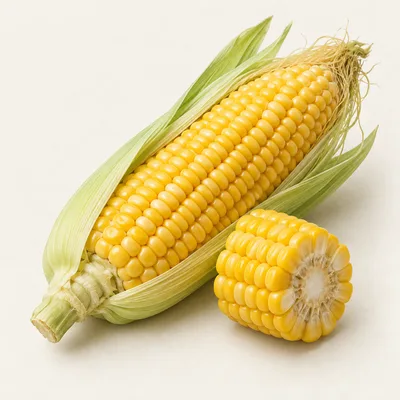 FOUNDATION GRAINMaize
Tortillas, tamales, drinks and Indigenous foodways
Baleadas, refried sides, soups and breakfast
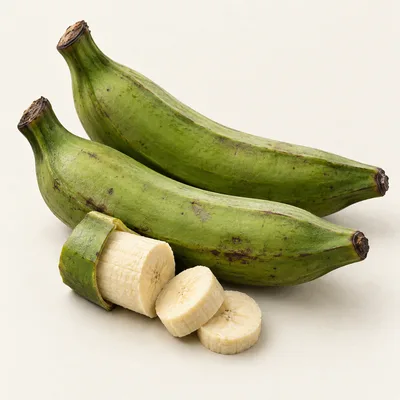 TROPICAL STARCHPlantain
Fried, boiled, mashed or added to coastal soups
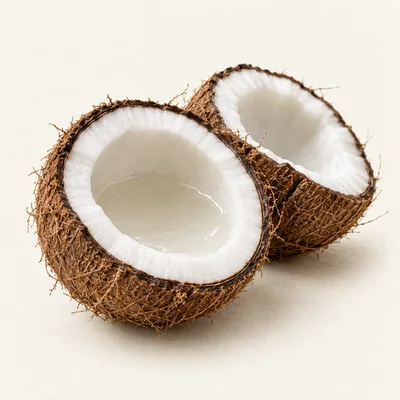 COASTAL RICHNESSCoconut
Rice and beans, fish soups and Garifuna dishes
Machuca combines texture and broth. Green and ripe plantain are pounded into a dense mound served with coconut seafood soup. The dish’s technique and Garifuna context matter more than translating it as plantain mash. [7][10]
Coffee landscapes also feed local markets. Western and central highlands produce coffee alongside maize, beans, fruit and vegetables. Farm visits are most informative when they connect the cup to labour, food crops and local meals. [9][8]
Comedores, baleada stands and coastal kitchens specialise differently.
A baleada stand is about dough, beans and assembly. Fresh flour tortillas and well-seasoned refried beans determine the basic quality; fillings then turn it into breakfast, snack or full meal. [7]
Coastal menus should follow catch and season. Fish, conch, lobster and shellfish availability depends on location, closed seasons and weather. Ask what was caught locally and choose community-run Garifuna venues when learning those traditions. [8][10]
Food-culture sources checked .
Baleadas and flour-based foods
A simple baleada is described with a thick flour tortilla, refried beans, cheese and cream; an especial may add egg, avocado or meat. Ask whether the tortilla is wheat-based, what is in the beans, and whether fillings, sauces or utensils are shared. Macheteadas are described as tortillas filled with flour and sugar, while semita and torrejas also involve wheat-based bread or dough.
Corn tortillas, frying and toppings
Honduran tacos are described as meat rolled in a corn tortilla and deep fried, while enchiladas use a flat fried corn tortilla with ground beef, cheese and red sauce. Ask whether the tortilla is exclusively corn, what the red sauce contains, and whether the oil is shared. Enchilada toppings may include hard-boiled egg and cheese, so request confirmation of every finishing ingredient.
Plato típico and simple sides
The recognised plato típico combines rice, beef, fried beans and fried plantains, sometimes with chimol made from tomatoes, green peppers, onions, cilantro and lime juice. Ask whether the beans or rice contain stock, and whether the plantains share oil with other foods. Request the chimol separately so its ingredients and contact with other toppings can be checked.
Ingredients worth recognising
Start with these ingredients, then follow their names and recorded food connections. Check the recipe and product actually used.
Corn tortilla
Corn tortillas are used for Honduran tacos and enchiladas, but some formulated versions also contain wheat flour. Ask whether this batch is made solely from corn, and check packaging or the kitchen’s full ingredient information.
Wheat flour
Wheat flour is relevant to baleadas, macheteadas, semita and some coatings. Ask whether it appears in the dough, tortilla, fish coating or another preparation, and whether flour dust or shared surfaces affect preparation.
Egg
Egg may fill a baleada, bind buñuelos, top Honduran enchiladas or finish semita. Ask whether it is mixed into the recipe, added after cooking, or present in a shared topping or garnish.
Cheese
Cheese appears in baleadas, catrachas, buñuelos, enchiladas and capirotada dumplings. Ask which cheese is used, whether it is added as a topping or filling, and whether the same grater or serving utensils are shared.
Fish
Fish is central to hudutu, pescado en coco and pescado frito con tajadas, and is part of the seafood mixture in tapado Garifuna. Ask about the species, coating, stew ingredients and shared pan or fryer.
Butter
Butter is a typical fat in semita and is commonly used for richness in tamalitos de elote. Ask whether the recipe uses butter or another fat, and check fillings, toppings and cooking surfaces separately.
How food labelling works
A current, country-specific allergen-labelling summary for Honduras has not yet been verified for this guide. Do not transfer the list of regulated allergens or restaurant disclosure rules from your home country to this one.
Read the complete ingredients on the actual package and keep any local-language sticker with the original label. For imported products, compare the information on that pack rather than a photograph of the brand sold elsewhere. Ask the manufacturer or seller to clarify an unfamiliar term.
For loose food or meals prepared to order, ask who can check the recipe and the labels on bought-in ingredients. Explain every food you avoid, including ingredients outside familiar allergy groups; a short symbol chart may not cover your list.
Language and communication
Spanish is Honduras’s primary language, so prepare the explanation and ingredient questions in Spanish. State the exact food or ingredient to avoid, then ask for the complete recipe, cooking liquid, sauce, topping and preparation method. Names such as baleada or tamalito help identify a dish but are not a complete allergy request.
Lenca, Miskitu and Garifuna are spoken in different parts of the country, with Garifuna context relevant to dishes such as hudutu and tapado Garifuna. In those areas, use a written Spanish explanation and ask a trusted local speaker to confirm details in the relevant language where needed. Regional communication can vary, so seek staff confirmation.
Eating in different settings
Baleada stand or quick counter
Ask whether the flour tortilla contains wheat, whether beans are cooked with stock or other additions, and whether cheese, cream, egg, avocado or meat are optional. Ask staff to change gloves or utensils if fillings are assembled from shared containers.
Market or fried-food stall
For tacos, enchiladas, plantains or pescado frito, ask what else is cooked in the oil and whether the same tongs, pan or preparation surface is used. Check the corn tortilla, fish coating, red sauce and toppings separately.
Restaurant or shared meal
With plato típico, request a component-by-component explanation of rice, beef, beans, plantains and chimol. Ask whether stock, sauces or marinades are used, and whether toppings are added in the kitchen or served separately.
Bakery or packaged-food shop
For semita, rosquillas, torrejas, buñuelos or arroz con leche, ask about wheat flour, egg, cheese, butter and cow milk. For packaged items, read the complete ingredient list and ask about any unclear formulation before buying.
Before you travel
Review your personal plan
Discuss your travel plans with your clinician and keep your prescribed medicines and emergency instructions accessible. Tell companions where these are and how to follow your plan.
Check your medicines before entering Honduras
British-issued prescriptions cannot be used in Honduras, and the legal status of medicines prescribed or bought in the UK may differ. Read TravelHealthPro guidance before travel and ask the relevant Honduran authority or a pharmacist about import and documentation requirements. Pharmacies include national chains such as Farmacias Siman, Farmacias Kielsa and Farmacia El Ahorro.
Make the first meals easier to organise
Contact your accommodation and transport providers in advance. Save your written food list, menu questions and destination address offline. Check entry restrictions before packing backup food, and plan how you will check meals during arrival and onward journeys.
Plan access to medical help
State-funded hospitals are described as underfunded, with medicines potentially in short supply; private clinics may be available in major towns. Arrange adequate travel health insurance, accessible funds and evidence of cover, including repatriation provisions. Check your insurer and the FCDO provider information for current details.
Emergency resources
For a suspected severe allergic reaction, follow your prescribed emergency plan and seek urgent medical help. Give your exact location clearly.
Ambulance and urgent medical help
Call 911 and ask for an ambulance.
Explore next
Your allergy in Honduras
Choose a food concern for the country notes and questions relevant to it.
Dishes in Honduras
Follow the ingredients and cuisine connections in individual dish records.
Your own food list
Combine allergy groups and individual ingredients in one guide, with local names where recorded.
Allergy cards
Prepare the information you need to explain your food requirements.
FAQs, sources and review dates
Could a corn tortilla still contain wheat?
Yes. The recorded ingredient connection notes that some formulated corn tortillas use wheat flour. This matters for tacos and enchiladas: ask whether the tortilla is made only from corn, and check the recipe or label rather than inferring from its name.
What should I ask about coconut-based fish dishes?
For pescado en coco, bundiga or tapado Garifuna, ask about the fish or seafood mixture, stew base, seasonings and shared cooking equipment. Coconut is an ingredient here, but it should not be classified as a legal or botanical allergen group.
Is a plato típico always the same combination?
The described combination is rice, beef, fried beans and fried plantains, sometimes with chimol, but ask how this serving is prepared. Check stock in rice or beans, oil used for frying, marinades, and whether chimol is made or served separately.
Sources checked: . This researched draft is awaiting editorial review. Practical questions apply the sources below to local food settings; they do not confirm any individual meal's ingredients or preparation.
Sources & references (10)
- FCDO · Honduras health and medical assistance
Emergency contact details, local healthcare and medicine guidance. UK-specific eligibility does not apply to every visitor.
- Wikivoyage contributors · Honduras
Community-edited culinary context only; not an allergy or medical authority. Brief food-context adaptations, CC BY-SA 4.0: https://creativecommons.org/licenses/by-sa/4.0/. Recipe questions also use PlateSafe’s draft records.
- FARE · Dining out
General recipe and preparation questions, applied here to country-specific food examples.
- FARE · Travelling with food allergies
General preparation, written communication and access to prescribed medicines. Not country-specific import permission.
- PlateSafe · Honduras recorded food connections
Existing draft dish and ingredient records, used as examples to investigate. These are not independently verified recipes or suitability assessments.
- Unicode CLDR · Territory language data
Language suggestions. Regional language needs must be confirmed with the particular food provider.
- Honduras Travel — Gastronomy and culture
- Honduras Travel — Official tourism portal
- FAO — Honduras country profile
- UNESCO Intangible Heritage — Language, dance and music of the Garifuna