

BEFORE YOUR FIRST MEAL
Navigating food allergies in Jamaica
Jamaican meals range from ackee and saltfish and fish soups to jerk meats, patties, porridges and fruit sold by roadside vendors. A familiar dish name may cover different ingredients: dumplings can appear in soups, pastry may contain wheat and butter, and sauces may vary. Ask how each dish is made, especially where fish, coconut, milk, egg, peanut or wheat matters.
What to know first
Start with the full recipe
Ask what is in the complete dish, including stock, seasoning, gravy, pastry, dumplings, toppings and finishing fats—not only the main ingredient named on the menu.
Cooking methods can add ingredients
For jerk chicken, fried dumplings, patties or fish, ask about the marinade, batter, shared oil, grill, pan and utensils used before serving.
Explain the requirement clearly
Use written details in English or Jamaican Creole, then ask the cook or server to confirm the whole recipe and preparation rather than relying on a dish name.
Check staples and accompaniments
Ask whether rice and peas contains coconut milk, whether porridge uses cow milk, and whether roast breadfruit comes with butter or another topping.
Read complete labels
Read the complete ingredients and allergen information on the actual product. If you avoid a food that is not highlighted, ask the producer or food provider to check it specifically.
Understanding the food
Yam, plantain, banana, cassava, breadfruit, rice, peas, coconut, callaloo, ackee, fish, goat and pimento reflect Taíno foundations, African survival and creativity, European colonisation, Indian and Chinese indenture and wider Caribbean exchange. Jerk is one technique within a much larger regional and everyday repertoire.
Mountain, coast and market towns create different Jamaican specialties.
| Region or setting | Food landscape | Examples to explore |
|---|---|---|
| Kingston & Spanish Town | National street food, bakeries, markets and migration | Patties, soups, rice and peas, Chinese-Jamaican and Rastafari food |
| Portland & northeast | Jerk tradition, wet hills, breadfruit and fishing | Jerk pork or chicken, roast breadfruit and fresh fish |
| South coast | Fishing beaches, pepper shrimp and dry coastal farms | Escovitch fish, seafood, bammy and peppered shrimp |
| Interior & mountain communities | Coffee, roots, greens and Maroon food knowledge | Ground provisions, soups, ital foods and seasonal produce |
Visit Jamaica presents food as a record of the island’s peoples. African, Taíno, European, Indian, Chinese, Middle Eastern and Caribbean influences appear in ingredients and techniques, but their histories include enslavement, dispossession and indenture rather than simple fusion. [7][8]
Maroon heritage connects food to resistance and mountain landscapes. UNESCO recognises the Blue and John Crow Mountains for biodiversity and their association with Maroon communities who resisted colonial enslavement and developed knowledge of the terrain. [10]
Pimento, smoke and sharp relishes give the plate its edge.
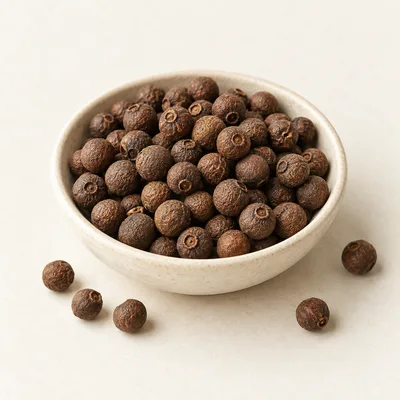 SIGNATURE SPICEPimento
Allspice berries in jerk, stews and preserves
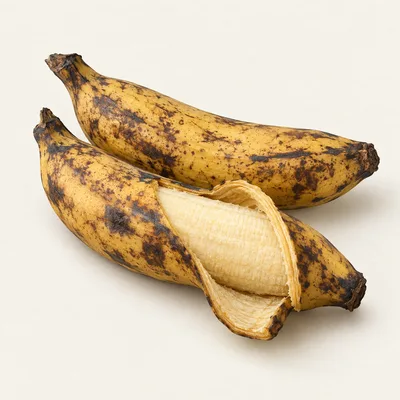 TROPICAL STARCHPlantain
Fried ripe, boiled green and served with breakfast or dinner
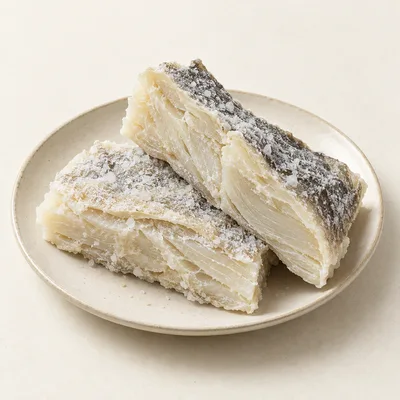 PRESERVED FISHSaltfish
Ackee, rundown, fritters and breakfast dishes
Carefully harvested ripe fruit with a soft savoury texture
Jerk is a seasoning and fire-management tradition. Scotch bonnet, pimento, thyme and other aromatics season meat cooked with smoke and controlled heat. Commercial “jerk sauce” does not by itself reproduce pit, wood and vendor technique. [7][9]
Ackee requires correct ripening and preparation. Only naturally opened ripe fruit is prepared; unripe ackee contains dangerous toxins. Familiarity and supply control are part of the food knowledge behind the national dish. [9]
Cookshops, jerk centres, bakeries and fish beaches specialise differently.
A cookshop shows the daily plate. Rice and peas, steamed or fried provisions, vegetables, gravy and stewed or roasted proteins rotate by day. The side dishes are as informative as the headline meat. [8]
Ital food is a Rastafari tradition, not generic vegan branding. Practices vary, but often emphasise natural plant foods, limited processing and particular approaches to salt and cooking. Use the community’s own description instead of assuming a single rule set. [7]
Food-culture sources checked .
Fish, saltfish and soups
Fish is central in ackee and saltfish, brown stew fish, escovitch fish, steamed fish, run down and fish tea; saltfish is preserved fish. Ask which fish is used, whether stock contains fish, and whether soup includes wheat-flour dumplings. Callaloo and saltfish and Stamp and Go also need a check on preserved fish and batter.
Jerk, curry and fried preparations
Jerk seasoning is spread over meat on a grill; possible versions include jerk chicken, jerk pork and jerk conch. Curried chicken, goat and fish are also possible. For any of these, ask about the complete seasoning, marinade, sauce, grill surface, pan and shared utensils.
Breads, patties and puddings
Jamaican beef patties, coco bread, hard dough bread, festival and fried dumplings are wheat-based, with butter used in several versions. Cakes and puddings may involve wheat, egg or butter. Ask about pastry or batter, fillings, glaze, shortening, and shared trays or fryers.
Fruit, coconut and vegetable dishes
Rice and peas is described with coconut milk, while coconut water is a separate drink. Ackee is paired with onions, tomatoes and dried codfish in the food account. Ask whether coconut is milk, water or flesh, how ackee was prepared, and whether fruit was cut on a shared board.
Ingredients worth recognising
Start with these ingredients, then follow their names and recorded food connections. Check the recipe and product actually used.
Fish
Fish may be the defining protein in brown stew fish, escovitch fish, fish tea, run down and steamed fish. Ask which species is used, whether the broth or sauce also contains fish, and whether the same pan, oil or utensils handle other seafood.
Wheat flour
Wheat flour is recorded in patties, breads, festival, fried dumplings and several puddings; wheat-flour dumplings may enter soups. Ask about flour in batter, pastry, gravy or dumplings, and about shared fryers, boards and utensils.
Butter
Butter, a milk-derived ingredient, appears in recorded versions of coco bread, gizzada, hard dough bread, beef patties, black cake and plantain tart. Ask whether the fat is butter, a shortening blend or another ingredient, including in pastry and toppings.
Egg
Egg is intrinsic in the ingredient record and is used in dishes such as Stamp and Go, while it can bind or glaze some puddings and pastry. Ask about batter, brushing, fillings and shared pans rather than assuming a plain-looking crust is egg-free.
Peanut
Peanut is the defining base of peanut porridge, which may use cow milk or water. Ask whether peanut is ground into the porridge, added as a garnish, or present in another topping, and whether the serving spoon or pot is shared.
Coconut
Coconut appears in coconut-rich food and is distinct from coconut water and coconut milk as forms. Ask which form is used, whether it is added during cooking or at serving, and whether the drink or food shares equipment with other ingredients.
How food labelling works
A current, country-specific allergen-labelling summary for Jamaica has not yet been verified for this guide. Do not transfer the list of regulated allergens or restaurant disclosure rules from your home country to this one.
Read the complete ingredients on the actual package and keep any local-language sticker with the original label. For imported products, compare the information on that pack rather than a photograph of the brand sold elsewhere. Ask the manufacturer or seller to clarify an unfamiliar term.
For loose food or meals prepared to order, ask who can check the recipe and the labels on bought-in ingredients. Explain every food you avoid, including ingredients outside familiar allergy groups; a short symbol chart may not cover your list.
Language and communication
Jamaica uses standard English officially and Jamaican Creole, also called Patois, widely. Prepare a written explanation in the language most comfortable for you, naming the ingredients and preparation details that matter, then show it before ordering.
English and Jamaican Creole differ in pronunciation and vocabulary, so ask the person taking the order to repeat the recipe and preparation back to you. Regional speech can vary; ingredient names are recognition aids, not a complete allergy request or proof of suitability.
Eating in different settings
Roadside fruit vendor
Ask whether the fruit will be cut immediately, what was used to wash it, and whether the knife and board have handled other foods. For coconut, specify water, milk or flesh. If buying pre-cut fruit, ask when it was prepared and what else shares the container.
Patty shop or bakery
For a Jamaican beef patty, coco bread, hard dough bread, festival or gizzada, ask about wheat flour, butter, egg wash, fillings and shortening. Ask whether products are made on shared boards, trays or fryers, and request the complete recipe for the item you want.
Cookshop or restaurant
With jerk chicken, curry, fish, ackee and saltfish or run down, ask about marinade, stock, coconut milk, seasoning, sauce and finishing butter. Confirm the cooking surface, pan, oil and utensils, and ask whether a requested change applies to the entire dish.
Accommodation or packaged-food shop
For porridge, soup, cake, dried fruit, molasses, vinegar or wine-containing food, read the complete label and ask about formulation. Check specifically for wheat flour, milk, egg, peanut, fish, crustaceans and possible sulphites where the product information names them.
Before you travel
Review your personal plan
Discuss your travel plans with your clinician and keep your prescribed medicines and emergency instructions accessible. Tell companions where these are and how to follow your plan.
Check your medicines before entering Jamaica
The legal status and regulation of some medicines prescribed or bought in the UK can differ in Jamaica. Before travel, read the medicine-travel guidance on TravelHealthPro and ask the relevant authority what requirements apply to each medicine.
Make the first meals easier to organise
Contact your accommodation and transport providers in advance. Save your written food list, menu questions and destination address offline. Check entry restrictions before packing backup food, and plan how you will check meals during arrival and onward journeys.
Plan access to medical help
Medical facilities in Jamaica vary and may not meet UK standards; access is limited in areas worst affected by Hurricane Melissa, with some field hospitals still operating. Treatment can be expensive and immediate cash payment may be expected. Check current providers and insurance arrangements before travel.
Emergency resources
For a suspected severe allergic reaction, follow your prescribed emergency plan and seek urgent medical help. Give your exact location clearly.
Ambulance and urgent medical help
Call 110 and ask for an ambulance.
Explore next
Your allergy in Jamaica
Choose a food concern for the country notes and questions relevant to it.
Dishes in Jamaica
Follow the ingredients and cuisine connections in individual dish records.
Your own food list
Combine allergy groups and individual ingredients in one guide, with local names where recorded.
Allergy cards
Prepare the information you need to explain your food requirements.
FAQs, sources and review dates
Could ackee and saltfish be ordered without fish?
The recorded dish connection treats salted fish as intrinsic, and the food account pairs ackee with dried codfish, onions and tomatoes. Do not infer that removing the fish creates the same dish: ask what the full recipe contains and how the replacement would be cooked.
What should I ask about Jamaican soups?
Chicken foot soup, fish tea, gungo pea soup, Jamaican corn soup, mannish water, pepper pot soup and red pea soup may include wheat-flour dumplings in some versions. Ask whether dumplings are present, what the stock contains, and whether the ladle or pot is shared.
Is coconut water the same as coconut milk?
No: the food account describes coconut water as a clear drink and distinguishes it from coconut milk. Ask which form is in rice and peas, a drink or another dish, whether anything has been added, and how the container, blender or serving utensil is used.
Sources checked: . This researched draft is awaiting editorial review. Practical questions apply the sources below to local food settings; they do not confirm any individual meal's ingredients or preparation.
Sources & references (10)
- FCDO · Jamaica health and medical assistance
Emergency contact details, local healthcare and medicine guidance. UK-specific eligibility does not apply to every visitor.
- Wikivoyage contributors · Jamaica
Community-edited culinary context only; not an allergy or medical authority. Brief food-context adaptations, CC BY-SA 4.0: https://creativecommons.org/licenses/by-sa/4.0/. Recipe questions also use PlateSafe’s draft records.
- FARE · Dining out
General recipe and preparation questions, applied here to country-specific food examples.
- FARE · Travelling with food allergies
General preparation, written communication and access to prescribed medicines. Not country-specific import permission.
- PlateSafe · Jamaica recorded food connections
Existing draft dish and ingredient records, used as examples to investigate. These are not independently verified recipes or suitability assessments.
- Unicode CLDR · Territory language data
Language suggestions. Regional language needs must be confirmed with the particular food provider.
- Visit Jamaica — Cuisine
- Visit Jamaica — Jamaican food
- Jamaica Information Service — Jamaican cuisine to try
- UNESCO — Blue and John Crow Mountains