
BEFORE YOUR FIRST MEAL
Navigating food allergies in Kyrgyzstan
Kyrgyz cooking often centres on meat, broth, dough and fermented dairy, while regional recipes and individual kitchens vary. Wheat appears in noodles, dumplings, breads and pastries; egg, milk, butter, barley and almond also occur in some recipes. Check the whole recipe, including stock, toppings, sauces, fillings, cooking fats and shared utensils, rather than relying on a dish name.
What to know first
Broth and noodles
Beshbarmak may combine wheat noodles, meat and broth; ask whether the stock contains celery, and whether egg is used in the noodle dough.
Dough varies
Manty, chuchvara, laghman, samsa and breads may use wheat, but fillings, egg washes, fats and accompaniments still need confirmation.
Explain the whole dish
Show a written explanation in Kyrgyz or Russian and ask staff to check every component, including stock, sauce, topping, oil, water and utensils.
Shared preparation matters
Ask whether noodles, dumplings, pastries or vegetables share boiling water, frying oil, boards, knives or serving tools with ingredients you avoid.
Read the full label
Read the complete ingredients and allergen information on the actual product. If you avoid a food that is not highlighted, ask the producer or food provider to check it specifically.
Understanding the food
Lamb, beef, horse meat, cultured milk, wheat, noodles, rice, potatoes and onions suit high-altitude herding and long winters, while Osh and the Fergana Valley add plov, samsa, fruit and Uzbek influences. Hospitality around bread, tea and meat remains central.
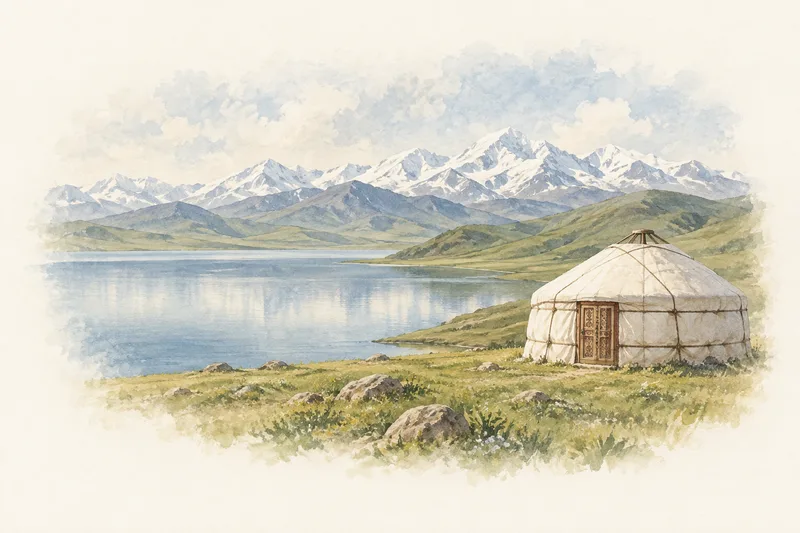
Pasture, lake basin and southern valley organise different foods.
| Region or setting | Food landscape | Examples to explore |
|---|---|---|
| Northern valleys & Bishkek | Wheat, dairy, livestock and national migration | Beshbarmak, lagman, manty and Russian-influenced foods |
| Issyk-Kul & high pastures | Sheep, horses, cultured milk, fish and seasonal yurt camps | Kymyz, kurut, grilled meat and lake fish |
| Osh & Fergana south | Irrigated rice, fruit, vegetables and Uzbek-Kyrgyz exchange | Plov, samsa, flatbread and noodle dishes |
| Naryn & mountain interior | High-altitude pastoralism and winter preservation | Meat, noodles, dairy and durable breads |
Visit Kyrgyzstan foregrounds nomadic hospitality and shared meat dishes. Pastoral dairy, boiled meat, noodles and bread remain national symbols, while city and southern valley foods reflect long settled and Silk Road exchange. [7][8]
The yurt is part of a food environment. UNESCO’s shared inscription records community knowledge in making mobile dwellings suited to pastoral life; tea, dairy processing and meals in seasonal camps belong within that livelihood. [10]
Dough and cultured milk make pastoral products portable.
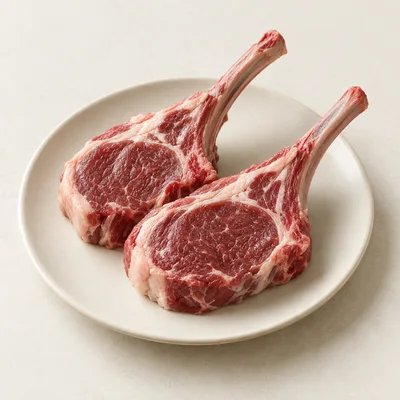 PASTORAL MEATLamb
Beshbarmak, soups, manty and grills
Noodles, boorsok, flatbread and dumpling dough
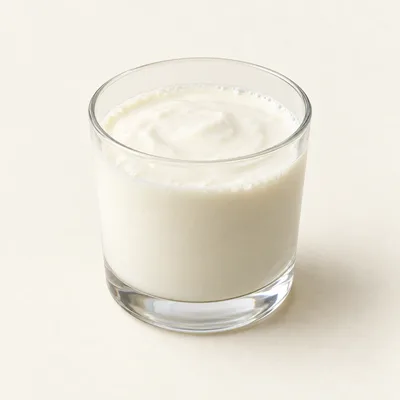 CULTURED DAIRYFermented milk
Kymyz, chalap, yoghurt and dried kurut
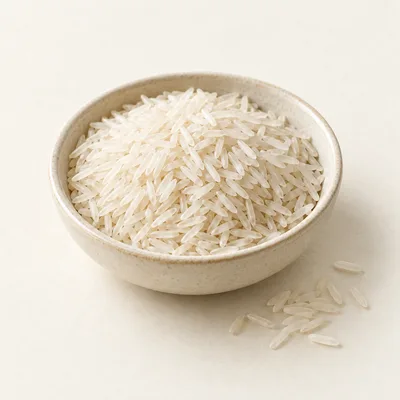 VALLEY GRAINRice
Osh-style plov and festive meals
Kurut concentrates milk for travel and winter. Cultured milk is salted, shaped and dried into hard balls that can be eaten or dissolved. Texture and salt level vary by maker and intended storage. [7][9]
Plov in Osh carries a southern city identity. Rice cooks with meat, carrot, onion and fat in large kazan pots, with local cooks defending particular grain, cut and sequence. It should not be treated as identical across Central Asia. [8]
Bazaars, chaikhanas and yurt stays reveal different Kyrgyzstan.
A bazaar makes regional exchange visible. Bread, dried fruit, spices, dairy products, noodles, samsa and prepared salads connect pastoral and settled food economies in one place. [7]
Community-based yurt meals need clear host context. Kymyz, meat and bread may be shared through tourism, but herd care, milking, dairy work and hospitality belong to the host family’s livelihood rather than staged nomadic décor. [10][8]
Food-culture sources checked .
Beshbarmak, broth and noodles
A possible version of beshbarmak consists of meat with wheat noodles, sometimes onions, and a broth served separately or first. The noodle dough may contain egg. Ask what meat and stock were used, whether celery appears in the broth, and whether noodles were cooked in shared water. A common serving dish or shared utensils also makes the complete preparation worth checking.
Dumplings, noodles and pastries
Chuchvara and manty have wheat wrappers; laghman has wheat noodles; gulchatay, kesme, kulchatai and oromo use wheat dough or noodles. Samsa uses wheat pastry, with possible egg in dough or surface wash, and a recorded almond-based filling. Ask whether the filling, topping, wash or cooking fat differs from the usual version, rather than inferring from the name.
Grains, dairy and drinks
Jarma is associated with barley and a sour-milk starter; maksym can include barley and wheat in grain blends; kozho may contain fermented milk. Chalap is based on yogurt or sour milk, while kymyz is fermented mare’s milk. Ask whether a drink is fermented, which milk or grain it contains, and whether a topping or garnish is added.
Ingredients worth recognising
Start with these ingredients, then follow their names and recorded food connections. Check the recipe and product actually used.
Wheat flour
Wheat flour forms dough for boorsok, kattama, jupka, tokoch and several pastries, and appears in noodles and wrappers. Ask whether it is present in the dough, dusting flour, filling or sauce, and whether preparation shares surfaces or oil.
Barley
Barley is a core grain in maksym and a typical base for jarma; it may appear as a grain or in a drink or flour preparation. Ask which grain was used, whether wheat was blended in, and how it was prepared.
Egg
Egg is an intrinsic ingredient and may enrich dough for beshbarmak, chuchvara, gulchatay or kesme; samsa may use an egg wash. Ask about dough, coating, topping and shared utensils, not only the filling.
Yogurt
Chalap is yogurt-based in some versions, and yogurt may provide a sour-milk base elsewhere. Ask whether the product is cow-milk based, whether it is mixed with grains or herbs, and whether the serving vessel is shared.
Beef broth
Beef broth may include celery as part of a vegetable base. Ask whether the stock is homemade or purchased, what vegetables and seasonings were added, and whether it was used for noodles or other dishes in the same pot.
Almond
Almond is recorded in the country’s culinary examples, including an almond-based samsa filling, but its presence varies by recipe. Ask whether the filling is almond, whether almond paste is used, and whether tools are shared with other pastries.
How food labelling works
A current, country-specific allergen-labelling summary for Kyrgyzstan has not yet been verified for this guide. Do not transfer the list of regulated allergens or restaurant disclosure rules from your home country to this one.
Read the complete ingredients on the actual package and keep any local-language sticker with the original label. For imported products, compare the information on that pack rather than a photograph of the brand sold elsewhere. Ask the manufacturer or seller to clarify an unfamiliar term.
For loose food or meals prepared to order, ask who can check the recipe and the labels on bought-in ingredients. Explain every food you avoid, including ingredients outside familiar allergy groups; a short symbol chart may not cover your list.
Language and communication
Kyrgyz and Russian are the national languages to prioritise for a written food explanation. Use the dish name only as a recognition aid, then state the ingredients and preparation you need checked: dough, stock, milk, egg, oil, toppings and shared equipment. Ask the server to confirm the complete recipe in the language they understand best.
Russian is commonly used in urban settings, while Kyrgyz is particularly relevant in rural areas. Cyrillic is used for both, so show a carefully prepared written note and request confirmation of regional wording. Dungan may also be used in commercial and restaurant settings in some communities, but it is not a substitute for checking in Kyrgyz or Russian.
Eating in different settings
Bazaar or fresh-food stall
For bread, fruit or vegetables, ask what is added during preparation and whether the item was cut on a shared board. If buying unpackaged food, ask about flour dusting, sauces, seasoning, oil and utensils before accepting it.
Teahouse or traditional restaurant
For beshbarmak, laghman or chuchvara, ask separately about broth, noodles or wrappers, meat, egg, celery, toppings and cooking water. Confirm whether the dish arrives in a common serving dish and whether a clean utensil is available.
Bakery or pastry counter
For boorsok, samsa, jupka or tokoch, ask which flour, fat and filling are used, whether egg is brushed on top, and whether milk or butter is included. Ask whether pastries share trays, oil, tongs or preparation surfaces.
Packaged-food shop or accommodation
Read the complete label on breads, noodles, drinks and grain products, then ask a shopkeeper or host to identify unclear ingredients. For jarma, maksym, kozho or dairy drinks, check the exact grains, milk, fermentation ingredients and added flavourings.
Before you travel
Review your personal plan
Discuss your travel plans with your clinician and keep your prescribed medicines and emergency instructions accessible. Tell companions where these are and how to follow your plan.
Check your medicines before entering Kyrgyzstan
Most UK prescriptions are accepted in Kyrgyzstan, but check with a Kyrgyz pharmacy before travelling. A prescription may need translation into Russian or Kyrgyz; check the medicine’s generic name, availability, payment arrangements and import requirements with the relevant Kyrgyz authority. Do not change prescribed medicines without professional advice.
Make the first meals easier to organise
Contact your accommodation and transport providers in advance. Save your written food list, menu questions and destination address offline. Check entry restrictions before packing backup food, and plan how you will check meals during arrival and onward journeys.
Plan access to medical help
Healthcare standards and medicine supplies may differ from the UK, and there is no reciprocal healthcare agreement. Arrange adequate travel insurance and accessible funds, and check what treatment and repatriation your policy covers. For regional care, ask your insurer what providers and treatment your policy covers before travel.
Emergency resources
For a suspected severe allergic reaction, follow your prescribed emergency plan and seek urgent medical help. Give your exact location clearly.
Ambulance and urgent medical help
Call 103 and ask for an ambulance.
Explore next
Your allergy in Kyrgyzstan
Choose a food concern for the country notes and questions relevant to it.
Dishes in Kyrgyzstan
Follow the ingredients and cuisine connections in individual dish records.
Your own food list
Combine allergy groups and individual ingredients in one guide, with local names where recorded.
Allergy cards
Prepare the information you need to explain your food requirements.
FAQs, sources and review dates
Could laghman be suitable because it is served as soup?
Not necessarily. The recorded example uses wheat noodles and may be served as soup or with ingredients arranged separately. Ask about the noodle dough, broth, vegetables, meat, seasonings, oil and shared cooking water; the serving style does not answer those questions.
What should I ask about vinegar or onions with shashlik?
Ask whether the vinegar is malt-based or contains sulfites, since the recorded ingredient notes leave generic vinegar unspecified. Also ask whether onions, vinegar and bread are served separately, and whether the meat or vegetables were marinated or handled with shared utensils.
Does fermented milk always mean cow’s milk?
No conclusion should be drawn from the phrase alone. The examples include yogurt or sour milk, fermented milk in drinks, and fermented mare’s milk for kymyz. Ask which animal’s milk was used, what else was added, and whether the drink is served from a shared container.
Sources checked: . This researched draft is awaiting editorial review. Practical questions apply the sources below to local food settings; they do not confirm any individual meal's ingredients or preparation.
Sources & references (10)
- FCDO · Kyrgyzstan health and medical assistance
Emergency contact details, local healthcare and medicine guidance. UK-specific eligibility does not apply to every visitor.
- Wikivoyage contributors · Kyrgyzstan
Community-edited culinary context only; not an allergy or medical authority. Brief food-context adaptations, CC BY-SA 4.0: https://creativecommons.org/licenses/by-sa/4.0/. Recipe questions also use PlateSafe’s draft records.
- FARE · Dining out
General recipe and preparation questions, applied here to country-specific food examples.
- FARE · Travelling with food allergies
General preparation, written communication and access to prescribed medicines. Not country-specific import permission.
- PlateSafe · Kyrgyzstan recorded food connections
Existing draft dish and ingredient records, used as examples to investigate. These are not independently verified recipes or suitability assessments.
- Unicode CLDR · Territory language data
Language suggestions. Regional language needs must be confirmed with the particular food provider.
- Visit Kyrgyzstan — Food
- Visit Kyrgyzstan — Food and culinary experiences
- FAO — Kyrgyzstan country profile
- UNESCO Intangible Heritage — Traditional knowledge and skills in making Kyrgyz and Kazakh yurts