
BEFORE YOUR FIRST MEAL
Navigating food allergies in Lithuania
Lithuanian cooking commonly brings potatoes, rye bread, pork, dairy, eggs, mushrooms and berries together in substantial dishes. A familiar name may cover several recipes: cepelinai can include wheat flour and sour cream, while potato pancakes may arrive with batter, sauce or both. Ask about the complete preparation, including stock, toppings, frying oil and shared utensils, rather than relying on the dish name.
What to know first
Potatoes are not the whole recipe
Cepelinai, kugelis and potato pancakes may involve wheat flour, egg or sour cream. Ask about the mixture, filling, sauce and garnish separately before ordering.
Dough and dairy recur widely
Rye bread, dumplings, pastries and cakes may contain wheat; sour cream, butter, cream, cheese or curd cheese appear across savoury and sweet dishes.
Explain the exact food concern
Prepare a written explanation in Lithuanian, and Russian where useful, naming the ingredient or grain concerned. Ask staff to confirm the complete recipe rather than offering a dish label.
Check preparation as well as ingredients
Ask whether stock, sauce, topping or frying oil is shared, and whether the same pan, water, utensils or work surface is used for other foods.
Read highlighted label information
EU food-information rules cover 14 allergen categories; on prepacked food, relevant allergens must stand out in the ingredients list, while loose-food information is also required.
Understanding the food
Rye bread, potatoes, buckwheat, pork, curd, sour cream, cabbage, beetroot, mushrooms, berries and fish reflect northern seasons and long preservation. Samogitia, Aukštaitija, Dzūkija, Suvalkija and Lithuania Minor retain different grains, dairy, forest and coastal emphases.
Ethnographic regions organise the same seasons in different ways.
| Region or community context | Food landscape | Examples to explore |
|---|---|---|
| Aukštaitija | Lakes, rye, dairy, pork and beer traditions | Rye bread, dumplings, freshwater fish and farmhouse beer |
| Žemaitija / Samogitia | Dairy, potatoes, grains and robust sour flavours | Kastinys, cibulynė, potato dishes and porridges |
| Dzūkija | Sandy forest country rich in mushrooms and berries | Buckwheat babka, mushroom dishes, berries and potato bands |
| Suvalkija & Lithuania Minor | Fertile farms in the southwest; Baltic and lagoon fishing in the west | Smoked meats, rich pastries, fish soup and smoked fish |
Lithuania Travel presents cuisine through both region and season. The national portal distinguishes ethnographic food traditions rather than treating cepelinai as the whole national story. [8][9]
The Curonian Spit is a lived fishing landscape. UNESCO records dunes, settlements and human adaptation around the Baltic and Curonian Lagoon, important context for smoked fish and coastal food heritage. [11]
Souring, smoking and forest gathering extend a short growing season.
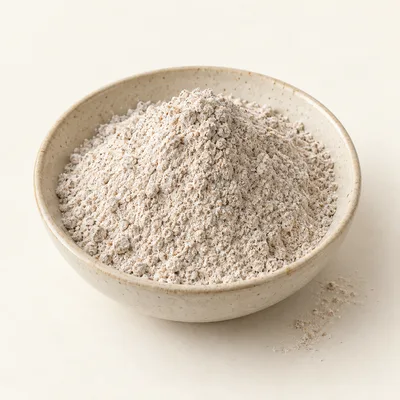 BREAD GRAINRye
Dark sour loaves, kvass and bread-based desserts
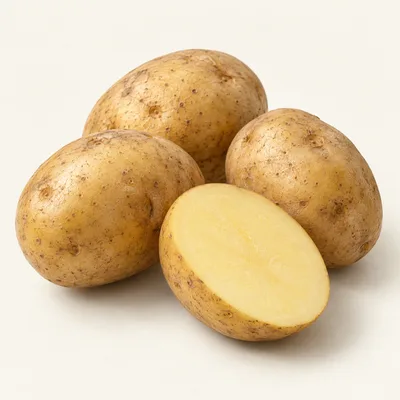 FIELD CROPPotato
Grated, boiled, baked or stuffed across many dishes
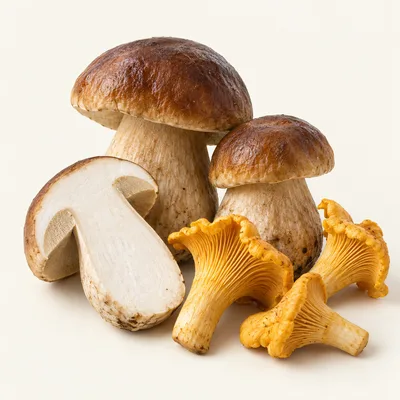 FOREST HARVESTMushroom
Fresh, dried, pickled or folded into sauces
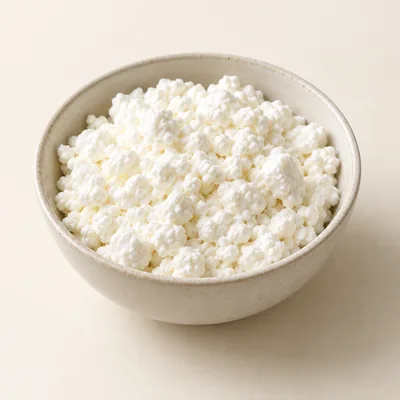 FRESH DAIRYCurd cheese
Fillings, cakes, dumplings and savoury spreads
Cepelinai are substantial but historically specific. Large grated-potato dumplings filled with meat or curd became an emblematic dish after potatoes were established; they should sit beside older rye, buckwheat and turnip traditions. [8]
Black bread carries ritual and everyday meaning. Soured rye loaves accompany meals, hospitality and celebrations, with regional flours, scalding methods and fermentation producing different crumb and sweetness. [8][9]
A market basket makes regional menus easier to read.
Look beyond the potato-heavy restaurant shortlist. Farmers’ markets and seasonal menus expose curd cheeses, hemp products, mushrooms, berries, smoked fish, rye breads and regional drinks. [9][10]
Modern Lithuanian cuisine is often an act of recovery. Contemporary chefs revisit noble-estate, Jewish Litvak, Karaim, monastic, peasant and regional archives; name the source tradition rather than calling every revival simply “Baltic”. [9]
Food-culture sources checked .
Potato dishes and accompaniments
Potatoes appear as dumpling mixtures in cepelinai, grated batter in bulviniai blynai, and an oven-baked base in kugelis. Cepelinai may contain wheat flour and sour cream, while potato pancakes may contain wheat flour and egg. Ask whether the potato mixture contains flour or egg, what fills the dumpling, and whether sour cream, another sauce or fried toppings are added separately.
Bread, pastry and fried dough
Ruginė duona is dark rye bread served with soup, while fried bread uses rye bread and may have cheese on top. Pastries and sweets include puff pastry, doughnuts, dumplings, Žagarėliai and poppy- or honey-filled pastries. Ask which flour is used, whether wheat is added to rye bread, and whether dough and toppings meet the same preparation controls.
Soups, cold dishes and finishing ingredients
Šaltibarščiai is a beetroot soup based on soured milk, with hard-boiled egg commonly used as a garnish. Cabbage soup may contain carrots, ham and onions; sorrel soup may include sour cream and boiled or stirred egg. Ask about the broth, dairy base, garnish, seasoning and whether additions are mixed in during cooking.
Meat, fish, mushrooms and regional examples
Pork is prominent in examples such as vėdarai and cold-smoked skilandis; fish may be baked whole, stuffed or served as gefilte fish, while herring can be marinated, baked, fried or set in aspic. A Dzūkų mushroom sauce example uses wheat flour and cream. Ask about stuffing, binders, sauce, oil and shared cooking equipment.
Ingredients worth recognising
Start with these ingredients, then follow their names and recorded food connections. Check the recipe and product actually used.
Rye bread
Rye is the defining grain in bread served with soup and in fried bread. Many formulations also include wheat flour, though not all do. Ask to see the complete ingredients and confirm whether the loaf shares a slicer or preparation surface.
Wheat flour
Wheat flour forms or binds many recorded foods, including dumplings, pastry, potato pancakes and mushroom sauce. It may be present in a filling or sauce rather than the named dough. Ask about flour in every component and avoid assuming potato means wheat-free.
Fruit Preserve
Fruit preserve may fill pastries or doughnuts and can vary between products. Some commercial formulations use sulphites as preservatives. Ask which preserve is used, request the complete label, and check whether a topping, glaze or filling is prepared separately.
Butter
Butter is recorded in kastinys, pastry, cakes and sweet bakes, and is a milk-derived ingredient. Ask whether butter is in the dough, filling, glaze or pan, and whether cream or another dairy ingredient is added to the finished portion.
Egg
Egg commonly binds or enriches dough and batter, including potato pancakes, dumplings, pastries and cakes; hard-boiled egg can garnish šaltibarščiai. Ask about the mixture, brushing or glaze, garnish, and utensils used for adding or serving egg.
Vegetable Oil
Vegetable oil may be relevant when food is fried, including fried bread, pastries or pancakes. Generic vegetable oil may be soybean oil, but this is unspecified. Ask which oil is used and whether frying oil or equipment is shared.
How food labelling works
EU food-information rules cover 14 allergen categories used as ingredients. On prepacked food, these must stand out in the ingredients list. The categories include gluten-containing cereals, crustaceans, eggs, fish, peanuts, soybeans, milk, specified nuts, celery, mustard, sesame, sulphites above the stated threshold, lupin and molluscs.
Allergen information is also required for food sold without prepacking, including restaurant meals. Ask how to obtain the information for the exact order. National arrangements affect how it is supplied; an ingredient declaration does not by itself describe shared equipment or handling.
If you avoid a food outside those categories, read the complete ingredients and name that food when speaking to staff. A short allergen key cannot answer every ingredient-specific question.
Language and communication
Lithuanian is Lithuania’s official language and should be the first language for a written food explanation. Prepare a note that names the exact ingredient or grain, asks for the complete recipe, and requests confirmation of stock, sauce, garnish, oil and shared utensils. Lithuanian dish names help recognition, not proof of suitability.
Russian is also used, particularly within the ethnic Russian community and among some older speakers, while English is more likely among younger people. Where appropriate, carry the same written explanation in Lithuanian and Russian, with an English version for your own reference. Ask a Lithuanian-speaking or Russian-speaking staff member to confirm regional recipe differences.
Eating in different settings
Market or counter
For prepared soup, fried bread, pancakes or filled pastries, ask what is in the full portion rather than only the visible item. Check toppings, sauces, fillings, cooking oil and shared tongs or serving utensils, especially when foods are displayed together.
Bakery or pastry shop
Ask whether rye bread contains wheat flour and whether pastry dough includes butter or egg. For Žagarėliai, doughnuts, poppy-seed pastries or fruit-filled products, confirm the filling, glaze, dusting and shared work surfaces before choosing.
Restaurant meal
For cepelinai, kugelis, šaltibarščiai, fish or herring, ask about the recipe, stock, filling, garnish and accompaniment. Confirm whether sour cream, egg, sauce or bread is added at the table, and whether frying pans, water or utensils are shared.
Accommodation or packaged-food shop
When preparing food yourself, read the complete label rather than relying on a front-of-pack description. Check rye bread, biscuits, fruit preserve, butter and condensed milk individually, and ask how an opened product is stored or handled around other foods.
Before you travel
Review your personal plan
Discuss your travel plans with your clinician and keep your prescribed medicines and emergency instructions accessible. Tell companions where these are and how to follow your plan.
Check your medicines before entering Lithuania
The legal status and regulation of medicines prescribed or bought in the UK may differ in Lithuania. Before travel, check the best-practice advice on travelling with medicines on TravelHealthPro, and confirm requirements with the relevant Lithuanian authority if anything is unclear.
Make the first meals easier to organise
Contact your accommodation and transport providers in advance. Save your written food list, menu questions and destination address offline. Check entry restrictions before packing backup food, and plan how you will check meals during arrival and onward journeys.
Plan access to medical help
FCDO lists medical providers in Lithuania where some staff may speak English. For eligible UK travellers, medically necessary state healthcare requires a GHIC or EHIC, but these do not replace travel insurance and may not cover private care, non-urgent treatment, standard additional costs or repatriation.
Emergency resources
For a suspected severe allergic reaction, follow your prescribed emergency plan and seek urgent medical help. Give your exact location clearly.
Ambulance and urgent medical help
Dial 112 and ask for an ambulance.
Explore next
Your allergy in Lithuania
Choose a food concern for the country notes and questions relevant to it.
Dishes in Lithuania
Follow the ingredients and cuisine connections in individual dish records.
Your own food list
Combine allergy groups and individual ingredients in one guide, with local names where recorded.
Allergy cards
Prepare the information you need to explain your food requirements.
FAQs, sources and review dates
Can I order a potato dish without wheat?
Not from the name alone. Cepelinai, potato pancakes, kugelis and Žemaičių blynai may contain wheat flour, but recipes can differ. Ask whether flour is in the potato mixture, filling, sauce or coating, and confirm the cooking water and utensils.
How should I check a mushroom sauce?
The Dzūkų mushroom sauce example commonly uses wheat flour to thicken it and cream as a component. Ask which mushrooms and thickener are used, whether cream is added, and whether the sauce shares a pan, ladle or serving spoon with other dishes.
Is fruit preserve just fruit?
Not necessarily. Recorded fruit-preserve information says some commercial preserves use sulphites as preservatives, while formulations vary. Read the complete ingredients list and ask about the exact preserve in a pastry, doughnut or filling, including any glaze or topping added afterwards.
Sources checked: . This researched draft is awaiting editorial review. Practical questions apply the sources below to local food settings; they do not confirm any individual meal's ingredients or preparation.
Sources & references (11)
- FCDO · Lithuania health and medical assistance
Emergency contact details, local healthcare and medicine guidance. UK-specific eligibility does not apply to every visitor.
- Wikivoyage contributors · Lithuania
Community-edited culinary context only; not an allergy or medical authority. Brief food-context adaptations, CC BY-SA 4.0: https://creativecommons.org/licenses/by-sa/4.0/. Recipe questions also use PlateSafe’s draft records.
- FARE · Dining out
General recipe and preparation questions, applied here to country-specific food examples.
- FARE · Travelling with food allergies
General preparation, written communication and access to prescribed medicines. Not country-specific import permission.
- PlateSafe · Lithuania recorded food connections
Existing draft dish and ingredient records, used as examples to investigate. These are not independently verified recipes or suitability assessments.
- Unicode CLDR · Territory language data
Language suggestions. Regional language needs must be confirmed with the particular food provider.
- European Commission · Allergen information
Scoped allergen-labelling summary. Does not establish an individual meal’s ingredients or preparation.
- Lithuania Travel — Lithuanian cuisine
- Lithuania Travel — Food and drink
- FAO — Lithuania country profile
- UNESCO World Heritage Centre — Curonian Spit