

BEFORE YOUR FIRST MEAL
Navigating food allergies in Malaysia
Malaysia brings Malay, Chinese, Indian, Nyonya and Eurasian influences together, with recipes changing between regions and even between kitchens. Names can mislead: laksa in Penang and Sarawak refers to different noodle dishes, while nasi dishes may carry separate toppings and sauces. Check the whole recipe, including sambal, stock, marinades, garnishes, cooking fats and shared utensils.
What to know first
Broths and pastes
Asam laksa has fish in its soup base and may use shrimp paste; laksa Sarawak can include prawns, shrimp paste and sliced egg. Ask about every component.
Rice and accompaniments
Nasi lemak may arrive with anchovies, peanuts, egg and sambal; nasi goreng kampung can include anchovy, shrimp paste, soy sauce and egg. Check the complete plate.
Explain the preparation
Ask whether the same wok, frying oil, ladle, chopping board or serving spoon is used for other dishes, and whether toppings are added after cooking.
Names are not recipes
Confirm the exact regional version and ingredients rather than relying on a dish name: mee rebus, laksa, popiah and satay can include several sauces, fillings or garnishes.
Read the full label
Read the complete ingredients and allergen information on the actual product. If you avoid a food that is not highlighted, ask the producer or food provider to check it specifically.
Understanding the food
Rice, noodles, coconut, fermented seafood, herbs, tropical fruit and spice move through Malay, Chinese, Indian, Peranakan, Orang Asli, Iban, Bidayuh, Kadazan-Dusun, Bajau and many other kitchens. Thirteen states and three federal territories have distinct dishes; Sabah and Sarawak cannot be treated as extensions of peninsula food.
State and community are more useful than one national menu.
| Region or community context | Food landscape | Examples to explore |
|---|---|---|
| Northwest peninsula | Rice bowl, island ports, Thai links and hawker traditions | Nasi kandar, assam laksa, char koay teow and northern curries |
| East coast peninsula | Fishing, coconut, rice, herbs and Malay court traditions | Nasi kerabu, nasi dagang, budu and keropok lekor |
| Central & south | Kuala Lumpur migration, Minangkabau, Javanese and port histories | Banana-leaf rice, bak kut teh, Hainanese dishes and Johor laksa |
| Sabah & Sarawak | Indigenous crops, forest produce, sago, seafood and Borneo trade | Hinava, linopot, manok pansoh, umai and Sarawak laksa |
Official tourism material treats diversity as foundational. Malaysia’s national portal identifies Malay and Indigenous peoples alongside Chinese, Indian and other communities, while the food guide catalogues dishes by state. [7][8]
Historic port cities explain exchange without erasing origin. UNESCO describes Melaka and George Town as trading towns shaped by centuries of contact; Peranakan and port foods belong to communities formed in that history. [10]
Rich coconut, fermented depth and fresh herbs are balanced dish by dish.
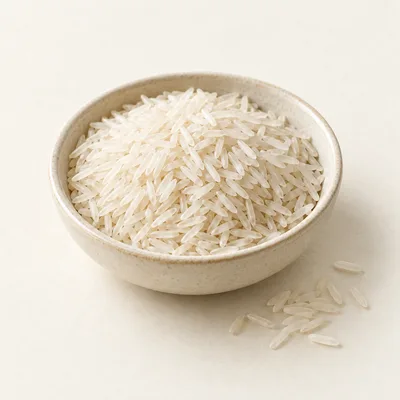 MEAL FOUNDATIONRice
Steamed, coconut-cooked, herb-tinted or fried
 RICHNESSCoconut milk
Curries, laksa broths, rice and sweets
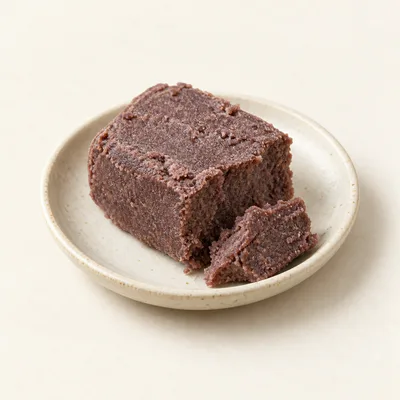 FERMENTED SEASONINGBelacan
Shrimp paste toasted or pounded into sambal
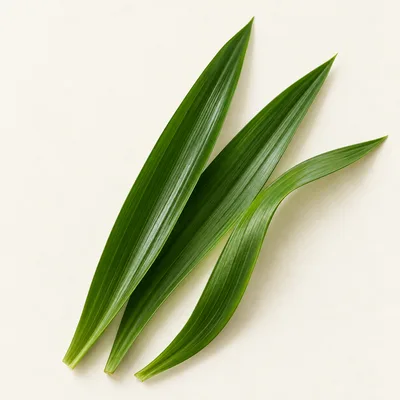 AROMATIC LEAFPandan
Fragrance for rice, kuih and drinks
Laksa names a family, not one standard bowl. Penang assam laksa, coconut-rich curry laksa and Sarawak laksa use different noodles, broths, aromatics and community histories. [8][9]
Sambal is a method with local identities. Fresh or cooked chilli may be pounded with belacan, anchovy, fruit, tomato or aromatics; heat, sweetness and fermentation vary across dishes and states. [9]
Hawker centres, kopitiam, mamak shops and longhouses organise different social worlds.
The venue often tells you whose technique you are eating. A kopitiam, banana-leaf restaurant, nasi campur counter, Ramadan bazaar and Sarawak longhouse meal use different ordering patterns and cultural reference points. [8][7]
Halal status is important but not universal across every venue. Malaysia has extensive halal systems and Muslim-majority food settings, while Chinese, Indigenous and other establishments may serve pork or alcohol. Check the specific premises rather than infer from a dish name. [9][7]
Food-culture sources checked .
Laksa, soup and gravy
Laksa varies by place and recipe. Asam laksa records fish in the soup base and commonly uses shrimp paste; Laksa Johor uses wheat spaghetti, fish and sometimes dried shrimp; Laksa Kelantan centres on fish; Laksa Sarawak commonly combines prawns, shrimp paste and sliced egg. Ask whether the paste, stock, garnish and noodles are made separately, and whether a shared ladle or pot is used.
Rice plates and shared accompaniments
Rice dishes may combine a staple with several separately prepared additions. Nasi lemak can include anchovies, peanuts, egg and sambal containing shrimp paste. Nasi goreng kampung may use anchovy, soy sauce, shrimp paste and egg, while nasi ambeng can include tofu, tempeh, soy sauce and occasional shrimp paste in sambal or vegetables. Ask which accompaniments are included today, not just what the menu name suggests.
Grilled, fried and filled foods
Satay is served with a peanut-based sauce and may use soy sauce in its marinade. Ikan bakar, ikan cili garam and otak-otak are fish-based examples, with otak-otak sometimes using shrimp paste and egg. Popiah may have a wheat wrapper, optional shrimp, tofu, peanut and egg. Ask about the marinade, wrapper or batter, filling, dipping sauce and shared grill or fryer.
Pickles, vegetables and sweets
Acar rampai and Nyonya acar may carry peanut or sesame garnish, while kerabu mangga commonly uses dried shrimp and may include peanuts. Kueh dadar uses wheat flour and egg; kueh pie tee has a wheat pastry cup and may contain prawns, soy sauce and egg. Kueh salat has an egg custard topping. Check garnish, filling, glaze and preparation surfaces separately.
Ingredients worth recognising
Start with these ingredients, then follow their names and recorded food connections. Check the recipe and product actually used.
Dark Soy Sauce
Used as a defining or seasoning sauce in dishes such as daging masak hitam, jiu hu char and pongteh. Many formulations include wheat, though wheat-free versions exist. Check the full bottle label and ask which brand or formulation is used.
Wheat flour
Relevant to batters, wrappers and cakes: kueh dadar and roti jala use it, while popiah and kueh pie tee have wheat-based pastry or wrappers. Ask whether flour is used in fillings, coatings or the same preparation area.
Fish cake
Fish is intrinsic, but prepared fish cakes may also contain wheat-based binders, milk or other dairy ingredients, soy-based seasonings or egg. Ask for the recipe and the packaged ingredient list rather than treating the name as complete.
Budu
Budu is a fermented fish sauce traditionally served with nasi kerabu, so fish is intrinsic to the traditional product. Ask whether budu is mixed into the dish, supplied separately or replaced with another fermented seasoning.
Ghee
Ghee is made from cow’s milk or a milk-derived ingredient and may appear in Indian-style cooking. Ask whether ghee, butter, milk or another fat is used in the dough, curry, frying pan or finishing stage.
Peanut
Peanut appears as an accompaniment or garnish in nasi lemak, satay sauce, acar and some kueh or popiah versions. Ask whether it is mixed in, sprinkled on afterwards, or handled in a shared grinder or serving container.
How food labelling works
A current, country-specific allergen-labelling summary for Malaysia has not yet been verified for this guide. Do not transfer the list of regulated allergens or restaurant disclosure rules from your home country to this one.
Read the complete ingredients on the actual package and keep any local-language sticker with the original label. For imported products, compare the information on that pack rather than a photograph of the brand sold elsewhere. Ask the manufacturer or seller to clarify an unfamiliar term.
For loose food or meals prepared to order, ask who can check the recipe and the labels on bought-in ingredients. Explain every food you avoid, including ingredients outside familiar allergy groups; a short symbol chart may not cover your list.
Language and communication
Malay is Malaysia’s national language and is the first language to use for a written food explanation. Use the dish name only as a recognition aid, then state the ingredient and preparation concern clearly. In Kelantan, Malay dialects vary, so ask for confirmation in standard Malay when the answer is unclear.
English is used in tourism and is widely taught, but wording and understanding can vary by setting. Keep a written explanation available in Malay and English, and ask staff to confirm the complete recipe, sauces, stock, toppings and utensils. In Chinese-speaking areas, seek confirmation rather than assuming a dish name has one recipe.
Eating in different settings
Hawker stall or kopitiam
For mee rebus, nasi goreng kampung or a noodle dish, ask what is in the gravy, seasoning paste and garnish. Check whether shrimp paste, anchovy, soy sauce or egg is added, and whether the wok, oil and ladle are shared.
Bakery or kueh counter
For kueh dadar, kueh pie tee, kueh salat or coconut kaya, ask about wheat flour, egg, prawn filling and soy seasoning. Ask whether items are made on shared trays or cut with the same knife, and request the packaged ingredient list where available.
Restaurant or shared rice meal
When ordering nasi lemak, nasi ambeng or nasi kerabu, identify every side dish and sauce separately. Ask whether anchovy, fish sauce, shrimp paste, peanut, tofu, tempeh or egg is included, and whether serving spoons move between shared dishes.
Packaged-food shop or accommodation
For bottled sauces, noodles, fish cakes or snacks, read the complete label and keep the packaging for checking. Ask which brand is used in prepared food, whether stock or sauce is added, and whether breakfast utensils or toasters are shared.
Before you travel
Review your personal plan
Discuss your travel plans with your clinician and keep your prescribed medicines and emergency instructions accessible. Tell companions where these are and how to follow your plan.
Check your medicines before entering Malaysia
The legal status of medicines prescribed or bought in the UK may differ in Malaysia. Before travelling, check TravelHealthPro’s best-practice guidance and confirm any medicine import requirements with the relevant Malaysian authority, keeping your prescription information available.
Make the first meals easier to organise
Contact your accommodation and transport providers in advance. Save your written food list, menu questions and destination address offline. Check entry restrictions before packing backup food, and plan how you will check meals during arrival and onward journeys.
Plan access to medical help
Government and private hospitals in Malaysia charge for services, and private care can be expensive. Arrange suitable travel health insurance and accessible funds for treatment and possible repatriation. Check the FCDO list of Malaysian medical providers and confirm eligibility and payment arrangements with your insurer.
Emergency resources
For a suspected severe allergic reaction, follow your prescribed emergency plan and seek urgent medical help. Give your exact location clearly.
Ambulance and urgent medical help
Call 999 and ask for an ambulance.
Explore next
Your allergy in Malaysia
Choose a food concern for the country notes and questions relevant to it.
Dishes in Malaysia
Follow the ingredients and cuisine connections in individual dish records.
Your own food list
Combine allergy groups and individual ingredients in one guide, with local names where recorded.
Allergy cards
Prepare the information you need to explain your food requirements.
FAQs, sources and review dates
Does laksa always contain the same ingredients?
No. Penang-style asam laksa, Laksa Johor, Laksa Kelantan and Laksa Sarawak can have different ingredients, including fish, wheat spaghetti, dried shrimp, prawns, shrimp paste and egg. Ask which regional recipe is being served and check the noodles, broth, paste and toppings individually.
What should I ask about satay if peanuts are a concern?
Ask whether the peanut sauce is served with the satay, whether peanuts are used in the marinade or sprinkled elsewhere, and whether the sauce is shared with other orders. Also ask about soy sauce in the marinade and shared grill, tongs or serving plate.
Is coconut kaya simply coconut?
Not necessarily. The recorded coconut kaya example commonly includes egg as a setting ingredient, particularly when served with pulut tai tai. Ask whether the kaya is made in-house or bought prepared, then check its full ingredients and whether the same spoon or container is used for other spreads.
Sources checked: . This researched draft is awaiting editorial review. Practical questions apply the sources below to local food settings; they do not confirm any individual meal's ingredients or preparation.
Sources & references (10)
- FCDO · Malaysia health and medical assistance
Emergency contact details, local healthcare and medicine guidance. UK-specific eligibility does not apply to every visitor.
- Wikivoyage contributors · Malaysia
Community-edited culinary context only; not an allergy or medical authority. Brief food-context adaptations, CC BY-SA 4.0: https://creativecommons.org/licenses/by-sa/4.0/. Recipe questions also use PlateSafe’s draft records.
- FARE · Dining out
General recipe and preparation questions, applied here to country-specific food examples.
- FARE · Travelling with food allergies
General preparation, written communication and access to prescribed medicines. Not country-specific import permission.
- PlateSafe · Malaysia recorded food connections
Existing draft dish and ingredient records, used as examples to investigate. These are not independently verified recipes or suitability assessments.
- Unicode CLDR · Territory language data
Language suggestions. Regional language needs must be confirmed with the particular food provider.
- Tourism Malaysia — About Malaysia
- Tourism Malaysia — Food and drinks
- Islamic Tourism Centre — Flavours of Malaysia
- UNESCO World Heritage Centre — Melaka and George Town