
BEFORE YOUR FIRST MEAL
Navigating food allergies in Mexico
Mexico is not one uniform menu: northern food includes beef, goat and wheat-flour tortillas, central cooking features corn dishes and moles, while southern and coastal recipes include vegetables, chicken, fish and seafood. The same dish name can describe different preparations. Ask about the whole recipe, especially sauces, broths, toppings, frying surfaces and the tortilla or bread used.
What to know first
Regional tortillas differ
Burritos Sonorenses, Tacos de Discada and Tacos de Barbacoa Norteños may use wheat-flour tortillas, while many central dishes use corn tortillas. Confirm the actual tortilla served.
Sauces are complete recipes
Mole Poblano, Mole Negro and Mole Coloradito may include peanuts, almonds, sesame or wheat-based thickener. Ask for every ingredient in the sauce, not only its name.
Explain the request in Spanish
Spanish is used for public communication across Mexico. Prepare a written explanation naming your relevant ingredients and ask staff to confirm the complete dish, sauce, stock and toppings.
Check the cooking process
Ask whether tortillas, breaded fish, tacos or quesadillas share a griddle, fryer, oil, water or utensils with other foods, and whether toppings are added after cooking.
Read the complete label
Read the complete ingredients and allergen information on the actual product. If you avoid a food that is not highlighted, ask the producer or food provider to check it specifically.
Understanding the food
Nixtamalised maize, beans, chilli, squash, tomato, cacao, agave, herbs and regional proteins connect Indigenous food systems to colonial, African, Asian, Middle Eastern and migrant histories. Oaxaca, Yucatán, the Gulf, central highlands, north and Pacific coast cannot be represented by one taco list.
Ecology and Indigenous continuity create strong regional grammars.
| Region or community context | Food landscape | Examples to explore |
|---|---|---|
| Central Mexico & Michoacán | Milpa crops, lake fisheries, markets and Purépecha knowledge | Tortillas, corundas, carnitas, moles and atole |
| Oaxaca & southern highlands | Zapotec, Mixtec and other Indigenous food systems | Moles, tlayudas, tamales, chocolate and wild herbs |
| Yucatán Peninsula | Maya maize, sour orange, achiote and pit cooking | Cochinita pibil, relleno negro, papadzules and salbutes |
| North, Gulf & Pacific | Wheat and cattle in the north; seafood, vanilla and tropical crops on coasts | Flour tortillas, cabrito, huachinango, ceviche and pescado zarandeado |
UNESCO recognises a complete food system, not a recipe collection. The Michoacán paradigm joins farming, nixtamalisation, ritual, markets, cooking skill and community identity around maize, beans and chilli. [8]
National promotion must remain regional. Government and tourism sources describe gastronomy as strategic cultural heritage, but the useful unit for a traveller is often the state, town, market or Indigenous community. [9][10]
Nixtamal, chilli and seed sauces transform the milpa harvest.
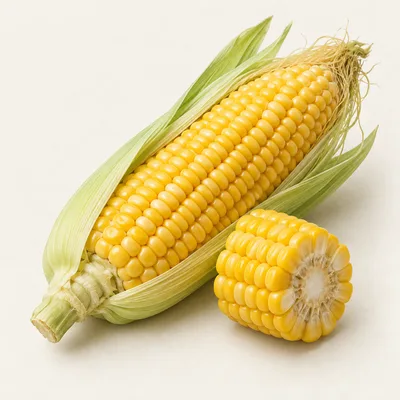 FOUNDATIONAL GRAINMaize
Nixtamalised for tortillas, tamales, pozole and drinks
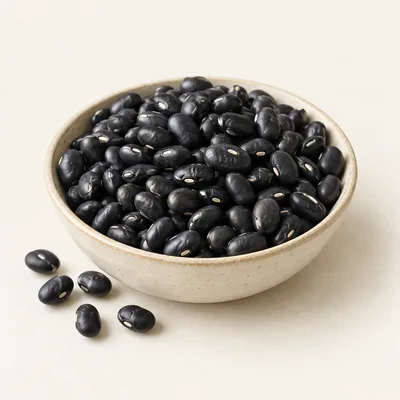 LEGUMEBean
Whole, mashed, fried or cooked into broths
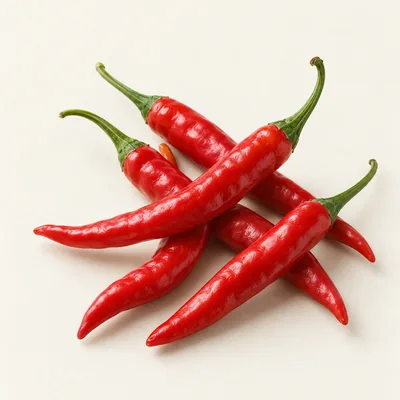 FLAVOUR FAMILYChilli
Fresh, dried, smoked or rehydrated into sauces
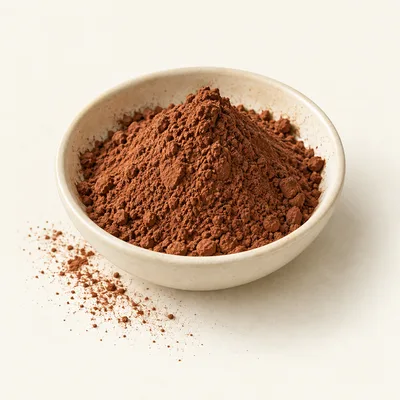 INDIGENOUS SEEDCacao
Drinks, mole, sweets and ceremonial preparations
A tortilla is the result of agricultural and chemical knowledge. Cooking maize with alkaline lime improves workability and nutrition before grinding; fresh masa behaves differently from untreated cornmeal. [8][11]
Mole means method and lineage, not simply chocolate sauce. Chillies, seeds, nuts, herbs, fruit, spices and thickeners are toasted and ground in combinations that vary by town, occasion and cook. [8][10]
Market stall, fonda, taquería and ceremonial kitchen serve different purposes.
Read the menu by preparation and region. The same filling changes through tortilla type, cooking surface, salsa and local name; asking the specialty of the stall is more useful than ordering a generic taco. [10]
Credit Indigenous custodianship. Maize biodiversity, milpa farming, grinding, fermentation and feast cooking survive through community labour, especially women’s expertise, not as anonymous national folklore. [8][11]
Food-culture sources checked .
Corn, wheat and regional breads
Corn tortillas are central to tacos, quesadillas, enchiladas, sopes and tostadas, but a corn tortilla formulation may also contain wheat flour. Northern Burritos Sonorenses and Tortillas de Harina Sonorenses use wheat flour; Tacos Árabes use a wheat flatbread. Ask which dough was used, whether the surface is shared, and whether breading or breadcrumbs are involved.
Moles, fillings and finishes
Mole recipes vary by region and preparation. Mole Poblano, Mole Negro and Mole Coloradito may contain peanuts, almonds, sesame and sometimes wheat bread as a thickener. Chiles en Nogada uses a walnut-based sauce, with milk or cream common in some versions. Ask about the sauce base, garnish, filling, bread or tortilla thickener and final toppings.
Broths, seafood and fish
Coastal examples include Caldo de Mariscos Veracruzano, Sopa de Mariscos Veracruzana, Arroz a la Tumbada and Vuelve a la Vida Veracruzano. Depending on the recipe, mixed seafood may include shrimp, crab, fish or other seafood. Ask whether the broth began with seafood, crustaceans or plain water, and whether the finished dish receives added fish, shellfish or shared toppings.
Fried, filled and plated dishes
Quesadillas, gorditas, flautas, tostadas and tamales can combine a base with meat, beans, cheese, cream, mole or vegetables. Pescado Frito Veracruzano may be dusted or coated with wheat flour, while Cemita de Milanesa uses a wheat roll and may involve egg and breadcrumbs. Confirm every filling, coating, garnish and frying oil rather than relying on the dish title.
Ingredients worth recognising
Start with these ingredients, then follow their names and recorded food connections. Check the recipe and product actually used.
Corn tortilla
Corn tortillas form the base of tacos, enchiladas and quesadillas, but some formulated versions also use wheat flour. Ask whether this batch contains wheat and whether tortillas are warmed on a shared surface with wheat breads or flour tortillas.
Wheat flour
Wheat flour appears in northern tortillas, burritos, breads, pastries and some fish coatings or mole thickeners. Ask whether it is present in the dough, batter, breadcrumbs or sauce, and whether flour dust or shared equipment affects preparation.
Shrimp
Shrimp is the defining crustacean in dishes such as Camarones al Ajillo, and appears in some broths, ceviches, tamales and mixed seafood recipes. Ask whether shrimp stock or seafood broth is used, and whether utensils or oil are shared.
Peanut
Peanut may be ground into Mole Poblano, Mole Negro, Mole Coloradito, Mole sauce or Pollo Encacahuatado Veracruzano. Ask whether the sauce contains peanut, whether it is thickened with another nut, and whether the same blender or serving spoon is used.
Cheese
Cheese is a filling or topping in quesadillas, bocoles, cemitas, soups, enchiladas, tostadas and tlayudas. Ask what is added to the complete dish, whether cream is also used, and whether cheese is placed on after cooking.
Chorizo
Chorizo appears as a taco filling and in other savoury preparations; some processed products may use sulphite preservatives. Ask for the product’s full ingredient list and whether the chorizo is cooked on a shared griddle with other meats.
How food labelling works
COFEPRIS describes allergen and hypersensitivity declarations under the revised NOM-051 packaged-food rules, including gluten-containing cereals, peanut, soy and milk-derived ingredients among the examples. Check the complete Spanish ingredient list and the allergen information.
Front-of-pack nutrition warnings address a different question from food allergy. Neither those warnings nor a familiar brand name replaces reading the recipe information on the pack you are buying.
For tortillas, bakery goods, sauces or prepared meals sold at a counter, ask what flour, fat, stock, filling and garnish are actually used. Confirm shared preparation with the food provider rather than applying a packaged-food rule to the kitchen.
Language and communication
Spanish is Mexico’s de facto national language and is used in public communications, signs and documents. Prepare a written explanation in Spanish, naming the ingredients that must be avoided and asking staff to confirm the complete recipe, stock, sauce, toppings and cooking surface. Dish names alone are not enough.
Nahuatl and Yucatec Maya are widely used Indigenous languages with supported regional communities, but local language needs vary. If travelling in a community where one is used, arrange written help in advance where practical. Ask a local speaker to confirm the explanation, and check regional dish names directly with the cook.
Eating in different settings
Street taco or market counter
For tacos, quesadillas, gorditas or tostadas, ask which tortilla is used, what the filling and salsa contain, and whether the griddle, fryer, oil or utensils are shared. For an order of tacos, confirm the number and ingredients of every piece rather than assuming identical fillings.
Seafood stall or coastal restaurant
With ceviche, aguachile, seafood rice or a mixed broth, ask whether the dish includes shrimp, crab, fish, molluscs or another seafood, and whether the liquid is seafood broth or plain water. Ask for separate preparation and toppings, including sauces added at the table.
Bakery, café or sweet shop
For cemita rolls, pan de yema, coyotas, buñuelos, capirotada, Mexican chocolate or rice pudding, ask about wheat, egg, milk, butter, sesame, peanuts, almonds and other nuts in the complete recipe. Ask whether fillings, toppings and serving tools are shared.
Packaged-food shop or accommodation
Read the full label on mole, chocolate, chorizo, fruit preserves, vinegar and stock. Ask the seller or host to identify unclear ingredients and whether a prepared sauce or broth was added. In a kitchen, use clean utensils and ask which oil, stock and toppings were used.
Before you travel
Review your personal plan
Discuss your travel plans with your clinician and keep your prescribed medicines and emergency instructions accessible. Tell companions where these are and how to follow your plan.
Check your medicines before entering Mexico
The legal status of UK medicines can differ in Mexico. Prescriptions issued outside Mexico must be translated into Spanish, and a local pharmacy may still reject a foreign prescription. Before travel, check the medicine’s requirements with the relevant Mexican authority and follow TravelHealthPro’s medicine guidance.
Make the first meals easier to organise
Contact your accommodation and transport providers in advance. Save your written food list, menu questions and destination address offline. Check entry restrictions before packing backup food, and plan how you will check meals during arrival and onward journeys.
Plan access to medical help
Many pharmacies in large Mexican cities provide 24-hour service, but healthcare access and payment arrangements vary. You may need to pay for treatment up front and seek reimbursement later, and not all hospitals deal directly with insurers. Check cover, payment arrangements and suitable providers with your insurer before travelling; provider language availability may vary by location.
Emergency resources
For a suspected severe allergic reaction, follow your prescribed emergency plan and seek urgent medical help. Give your exact location clearly.
Ambulance and urgent medical help
Request an ambulance on 911. Mexico City also has emergency buttons on CCTV equipment. Outside larger towns and state capitals, response, transport and medical resources can be limited.
Explore next
Your allergy in Mexico
Choose a food concern for the country notes and questions relevant to it.
Dishes in Mexico
Follow the ingredients and cuisine connections in individual dish records.
Your own food list
Combine allergy groups and individual ingredients in one guide, with local names where recorded.
Allergy cards
Prepare the information you need to explain your food requirements.
FAQs, sources and review dates
Is a Mexican tamal always made the same way?
No. Tamales vary by place and recipe: Tamales Oaxaqueños may have mole-based fillings, while Tamales de Camarón Veracruzanos contain shrimp, and Tamales de Elote Veracruzanos may use butter or milk. Ask about the dough, filling, leaf, sauce and any garnish rather than relying on “tamal” alone.
What should I ask about mole if I avoid nuts or sesame?
Ask whether the specific mole contains peanut, almond or another tree nut, sesame, wheat bread or another thickener. Mole Poblano, Mole Negro, Mole Coloradito and regional mole sauces vary. Also ask whether the sauce was blended or served with utensils used for other sauces.
What about huitlacoche, an ingredient outside common allergy groups?
Huitlacoche is a fungus associated with corn and may be used in dishes such as Empanadas de Huitlacoche Oaxaqueñas. Ask whether it is included, what else is in the filling, and whether cheese, wheat pastry or shared cooking equipment is involved.
Sources checked: . This researched draft is awaiting editorial review. Practical questions apply the sources below to local food settings; they do not confirm any individual meal's ingredients or preparation.
Sources & references (11)
- FCDO · Mexico health and medical assistance
Emergency contact details, local healthcare and medicine guidance. UK-specific eligibility does not apply to every visitor.
- Wikivoyage contributors · Mexico
Community-edited culinary context only; not an allergy or medical authority. Brief food-context adaptations, CC BY-SA 4.0: https://creativecommons.org/licenses/by-sa/4.0/. Recipe questions also use PlateSafe’s draft records.
- FARE · Dining out
General recipe and preparation questions, applied here to country-specific food examples.
- FARE · Travelling with food allergies
General preparation, written communication and access to prescribed medicines. Not country-specific import permission.
- PlateSafe · Mexico recorded food connections
Existing draft dish and ingredient records, used as examples to investigate. These are not independently verified recipes or suitability assessments.
- Unicode CLDR · Territory language data
Language suggestions. Regional language needs must be confirmed with the particular food provider.
- COFEPRIS · NOM-051 label guidance
Scoped allergen-labelling summary. Does not establish an individual meal’s ingredients or preparation.
- UNESCO Intangible Heritage — Traditional Mexican cuisine
- Government of Mexico — Mexican gastronomy
- Visit Mexico — Official tourism portal
- FAO — Mexico country profile