

BEFORE YOUR FIRST MEAL
Navigating food allergies in New Zealand
New Zealand food combines British-influenced dishes with Mediterranean and Asia-Pacific influences, alongside Māori food traditions. Fish and chips, savoury pies, café baking, pavlova and hāngī-style meals may all appear during a trip. Recipes and preparation differ between businesses, regions and cooks, so identify the full dish, every topping and the cooking method rather than relying on a familiar name.
What to know first
Batter and crumbs matter
Fish and chips may use a wheat batter, egg or milk; ask whether the fish is battered or crumbed, what the coating contains, and which oil is used.
Pies are filled pastries
A New Zealand meat pie or bacon and egg pie combines filling with wheat pastry; ask about pastry, egg wash, sauces and any cheese, rather than judging by the filling.
Explain the whole meal
Describe your food concern and ask about the complete recipe, stock, sauces, toppings and shared equipment. Confirm the answer before ordering, especially for a mixed café or takeaway meal.
Preparation is part of the question
Ask whether food shares oil, water, boards, knives, pans or serving utensils with other dishes. For hāngī or fritters, ask about every item cooked together and any added batter.
Check the packaged label
New Zealand and Australia use emphasised plain-English allergen names and a separate Contains statement on applicable packaged foods. Read the full list and ask separately about preparation and possible unintended presence.
Understanding the food
Kaimoana, kūmara, potato, lamb, dairy, fruit, native herbs and introduced crops vary from subtropical north to cool southern waters. Māori foodways and manaakitanga are foundational; British settler, Pacific, Asian and other migrant communities have also shaped everyday eating and contemporary restaurants.
Climate, coastline and community create strong regional products.
| Region or community context | Food landscape | Examples to explore |
|---|---|---|
| Te Tai Tokerau & Auckland | Māori and Pacific foodways, subtropical produce and migration | Hāngī, boil-up, kūmara, taro and multicultural city food |
| Central & eastern North Island | Geothermal cooking, Māori hosts, orchards and vineyards | Hāngī, kawakawa, watercress, Hawke’s Bay fruit and wine |
| Upper South Island | Marlborough wine, Nelson produce and Kaikōura seafood | Green-lipped mussels, crayfish, berries and sauvignon blanc |
| Canterbury, Otago & Southland | Grain plains, sheep country, cool-climate fruit and cold seas | Lamb, stone fruit, pinot noir, Bluff oysters and cheese |
Tourism New Zealand treats Māori food as living knowledge. Its guide connects hāngī, kaimoana, kina, pūhā, watercress, kawakawa and horopito to Māori hosts and storytelling rather than presenting them as anonymous ingredients. [9][10]
Regional promotion is tied to actual production. The official food map links Hawke’s Bay and Gisborne produce, Marlborough wine, Kaikōura crayfish, Central Otago pinot noir and seasonal Bluff oysters. [8]
Earth, bush and sea contribute different kinds of depth.
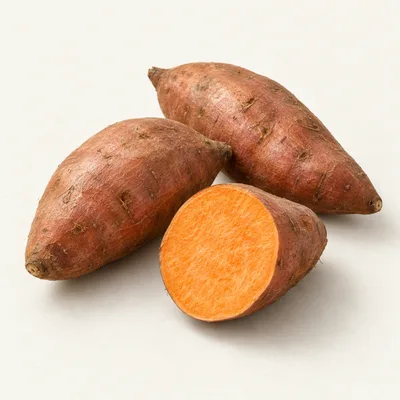 POLYNESIAN ROOTKūmara
Roasted, steamed in hāngī or used in contemporary dishes
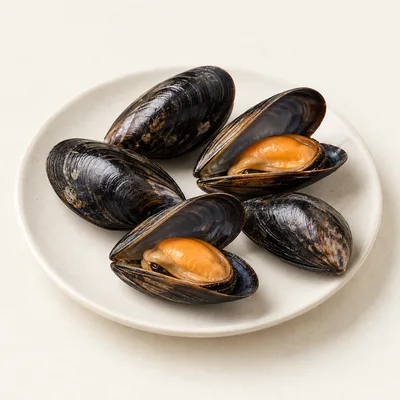 KAIMOANAShellfish
Mussels, oysters, pāua, pipi and tuatua by region
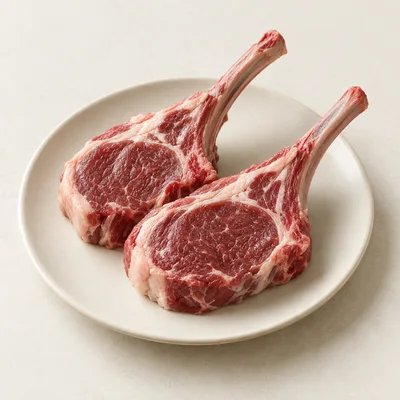 FARMED PROTEINLamb
Roasts, grills and produce-led modern cooking
Peppery leaves used in tea, seasoning and new dishes
Hāngī is a method embedded in gathering and care. Food cooks slowly with heated stones beneath the earth; hosted experiences should credit Māori knowledge, place and manaakitanga rather than market it as a primitive oven. [9]
Seafood names are precise and seasonal. Kina, pāua, green-lipped mussel, Bluff oyster and kōura carry different habitats, harvest rules and Māori relationships to place. [9][8]
Marae host, farmers’ market, vineyard and city restaurant tell complementary stories.
Manaakitanga is more than generous portioning. Hospitality expresses care, respect and relationship between host and visitor; follow the host’s protocol when food is part of a cultural experience. [10][9]
Contemporary cuisine is visibly multicultural. Auckland, Wellington, Christchurch and other cities combine Māori and Pacific work with Chinese, Indian, Southeast Asian, Middle Eastern and European communities. [8][10]
Food-culture sources checked .
Battered, crumbed and fried foods
Fish and chips may be battered or crumbed, using fish such as hoki, lemonfish, tarakihi, bluefin gurnard or blue cod. Some versions use wheat flour, and some batters contain egg or milk. Ask about the exact coating, seasoning, tartare or tomato sauce, and whether fish, chips, pineapple rings or other fried foods share oil.
Pies, breads and café baking
Savoury pies commonly have a non-flaky pastry shell around mince, steak, bacon and egg, or chicken and vegetable fillings. Cheese rolls, sausage rolls, pikelets, biscuits, custard squares and lamingtons add different combinations of wheat, egg, butter, milk or cream. Ask whether pastry is wheat-based, whether egg is used as a wash, and whether fillings, icing or crumbs are made separately.
Fresh produce and composed desserts
Feijoas are fragrant fruit eaten when ripe, while kiwifruit may be served in slices, including as a pavlova topping. Pavlova has a baked egg-white meringue with whipped cream and fruit; hokey pokey is vanilla ice cream with honeycomb toffee pieces. Ask about the complete dessert, including cream, chocolate, biscuit crumbs, fruit preserve and decorative toppings.
Māori cooking and regional variation
A hāngī is an earth-oven method in which meat, seafood, vegetables and sometimes puddings are slowly steam-cooked in a covered pit lined with heated stones; mānuka wood can provide smoke. Some Rotorua preparations use geothermal heat. Ask what is in the shared cooking space, which items are covered together, and whether a separate serving utensil is used.
Ingredients worth recognising
Start with these ingredients, then follow their names and recorded food connections. Check the recipe and product actually used.
Wheat flour
Wheat flour is recorded in fish-and-chip coatings, pies, biscuits, breads, fritters, pikelets and pastry. Ask whether it appears in batter, gravy, dough, crumbs or dusting, and whether the stated gluten-free option has a separate preparation process.
Fish
Fish is central to fish and chips and appears as a protein option in the recorded boil-up example; whitebait is served in a fritter. Ask which fish is used, whether it is mixed with other ingredients, and how it is cooked.
Egg
Egg may bind whitebait or pāua fritters, enrich a pie filling, wash pastry, form a fried burger topping or make pavlova meringue. Ask about egg in the recipe, glaze, garnish and shared fryer or pan.
Butter
Butter is recorded in biscuits, cheese rolls, cakes, kūmara pudding, pastry and stuffing or roasting preparation. Ask whether it is used in the base, filling, icing or cooking surface, and whether a spread or margarine is substituted.
Fruit Preserve
Fruit preserve may occur in baked goods or dessert fillings, but its formulation varies; some commercial preserves use sulphites. Ask for the product label and whether the preserve is added during baking, used as a layer or brushed on top.
Mustard Paste
Mustard is an optional seasoning in some cheese-roll recipes and may also be offered with savoury foods. Ask whether mustard paste is in the filling, sauce or spread, and whether utensils or containers are shared with other toppings.
How food labelling works
Australia and New Zealand use plain-English allergen declarations. Required names are emphasised in the ingredients and summarised in a separate Contains statement on applicable packaged foods. The period allowing sale of older labels ended on 25 February 2026.
The rules identify specified cereals, individual tree nuts and other required allergens, including lupin and molluscs. Sulphites have a concentration threshold. If the food is not required to carry a label, allergen information must be displayed with it or available on request.
Read the full label for your own food list and ask separately about preparation. A voluntary May contain statement addresses possible unintended presence; the absence of that wording is not a complete account of handling.
Language and communication
English is New Zealand’s primary language and the practical first language for written food communication. Māori, or te reo Māori, is also an official language and is especially relevant when discussing Māori food, hāngī or a marae setting. Write your food requirements clearly and ask the person preparing the meal to confirm each ingredient.
New Zealand Sign Language is an official language used by the Deaf community. Regional speech and Māori place names can affect how names sound, including in the far north and east of the North Island where Māori speakers are more concentrated. Dish names are recognition aids only: request confirmation of the recipe, preparation and serving equipment.
Eating in different settings
Fish-and-chip shop
For fish and chips, ask whether the fish is battered, crumbed or plain, and whether the coating contains wheat, egg or milk. Ask what oil is shared with other fish, seafood, pineapple rings or chips, and request details of tartare sauce and other condiments.
Café or bakery counter
At a café, ask staff to check the full recipe for a pie, cheese roll, biscuit, custard square, pikelet or lamington. Confirm wheat, egg, butter, milk, cream, icing and crumbs, then ask whether the item was made on shared trays or handled with shared tongs.
Restaurant, pub or shared meal
For a hāngī or a pub meal, ask what was cooked together, including meat, seafood, vegetables and puddings, and whether stock, sauces or seasonings were added. Ask for a clean serving utensil and confirm whether your portion was separated before cooking or serving.
Supermarket or packaged-food shop
For biscuits, chocolate coatings, ice cream, malt biscuits, fruit preserves or packaged sauces, read the complete ingredient list and Contains statement. Check for your specific concern, then ask about a May contain statement and handling; do not assume an absent warning answers every preparation question.
Before you travel
Review your personal plan
Discuss your travel plans with your clinician and keep your prescribed medicines and emergency instructions accessible. Tell companions where these are and how to follow your plan.
Check your medicines before entering New Zealand
Declare prescription medicines on the passenger arrival card. Codeine-containing products are prescription-only controlled drugs; personal import requires declaration to New Zealand Customs and evidence of personal use. Check New Zealand Customs and TravelHealthPro before travel for current medicine-document requirements.
Make the first meals easier to organise
Contact your accommodation and transport providers in advance. Save your written food list, menu questions and destination address offline. Check entry restrictions before packing backup food, and plan how you will check meals during arrival and onward journeys.
Plan access to medical help
British nationals living in the UK and visiting New Zealand short term are eligible for urgent healthcare under the reciprocal agreement, but it does not cover routine, non-emergency treatment or prescriptions. Check eligibility, insurance arrangements and current provider guidance before relying on access to care.
Emergency resources
For a suspected severe allergic reaction, follow your prescribed emergency plan and seek urgent medical help. Give your exact location clearly.
Ambulance and urgent medical help
Call 111 and ask for an ambulance.
Explore next
Your allergy in New Zealand
Choose a food concern for the country notes and questions relevant to it.
Dishes in New Zealand
Follow the ingredients and cuisine connections in individual dish records.
Your own food list
Combine allergy groups and individual ingredients in one guide, with local names where recorded.
Allergy cards
Prepare the information you need to explain your food requirements.
FAQs, sources and review dates
Is a pavlova automatically dairy-free because its base is meringue?
No. The recorded pavlova example has egg whites in the meringue and whipped cream as a standard topping, with sliced fruit used for decoration. Ask whether cream, chocolate, biscuit crumbs or other toppings were added, and how the dessert was assembled and stored.
What should I ask about a whitebait fritter?
Whitebait are small whole fish, and the recorded fritter uses egg to bind the mixture and commonly wheat flour; some recipes add milk. Ask for the complete batter, cooking oil and pan, and whether the fritter is cooked alongside other fish or flour-coated foods.
How can I check a less obvious ingredient such as mustard?
Ask whether mustard paste is in the recipe, sauce, filling or spread, rather than relying on the dish name. For a cheese roll, confirm the mustard separately from wheat wrapper, cheese, butter and any egg in the dough or wash, then ask about shared serving utensils.
Sources checked: . This researched draft is awaiting editorial review. Practical questions apply the sources below to local food settings; they do not confirm any individual meal's ingredients or preparation.
Sources & references (11)
- FCDO · New Zealand health and medical assistance
Emergency contact details, local healthcare and medicine guidance. UK-specific eligibility does not apply to every visitor.
- Wikivoyage contributors · New Zealand
Community-edited culinary context only; not an allergy or medical authority. Brief food-context adaptations, CC BY-SA 4.0: https://creativecommons.org/licenses/by-sa/4.0/. Recipe questions also use PlateSafe’s draft records.
- FARE · Dining out
General recipe and preparation questions, applied here to country-specific food examples.
- FARE · Travelling with food allergies
General preparation, written communication and access to prescribed medicines. Not country-specific import permission.
- PlateSafe · New Zealand recorded food connections
Existing draft dish and ingredient records, used as examples to investigate. These are not independently verified recipes or suitability assessments.
- Unicode CLDR · Territory language data
Language suggestions. Regional language needs must be confirmed with the particular food provider.
- FSANZ · Allergen labelling
Scoped allergen-labelling summary. Does not establish an individual meal’s ingredients or preparation.
- Tourism New Zealand — Food destinations
- Tourism New Zealand — Māori cuisine
- Tourism New Zealand — Food and drink
- FAO — New Zealand country profile