
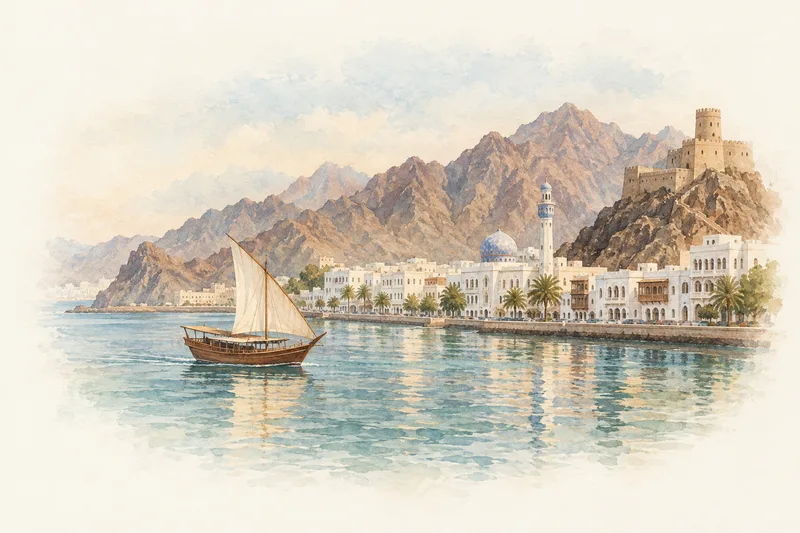
BEFORE YOUR FIRST MEAL
Navigating food allergies in Oman
Omani meals often combine rice or bread with meat, fish, porridge-like dishes, sauces and sweet finishes. Qabooli may include spiced rice, lamb or chicken, split peas and caramelised onions; harees is based on cracked wheat with ghee and meat. Recipes and toppings vary, so ask about the complete preparation rather than relying on a dish name or an apparently plain side.
What to know first
Rice dishes still need a full recipe check
Qabooli is associated with spiced rice, lamb or chicken, split peas and caramelised onions. Ask about stock, added butter or ghee, garnishes and shared serving utensils.
Bread, porridge and fried foods can differ
Harees uses cracked wheat and may be finished with ghee; shawarma wraps, falafel and fried sweets introduce bread, sauces, batter and shared-oil questions.
Explain the whole concern before ordering
Give a written Arabic explanation of the relevant ingredient or reaction, then ask staff to confirm the complete recipe, stock, sauce, garnish and preparation surface.
Ask how food is cooked and served
Check whether oil, water, pans, grills, knives or serving spoons are shared with other foods, especially at shawarma counters, bakeries, stalls and mixed restaurant kitchens.
Read every packaged ingredient list
Read the complete ingredients and allergen information on the actual product. If you avoid a food that is not highlighted, ask the producer or food provider to check it specifically.
Understanding the food
Rice, wheat, dates, fish, lamb, goat, camel, lime, coconut and spice vary from Muscat and the Batinah coast to the Hajar Mountains, Sharqiyah sands, Musandam and Dhofar. Arab, Baluchi, Zanzibari, South Asian and East African connections are part of Omani history and contemporary life, not external garnish.
Monsoon, oasis, mountain and sea create distinct Omani food landscapes.
| Region or setting | Food landscape | Examples to explore |
|---|---|---|
| Muscat, Muttrah & Batinah | Ports, date gardens, fisheries and cosmopolitan exchange | Mashuai fish, qabooli rice, mishkak, bread and halwa |
| Hajar Mountains & interior | Terraced orchards, wheat, livestock and oasis towns | Shuwa, harees, mountain honey, pomegranate and flatbread |
| Musandam | Fjord-like coast, fishing villages and mountain access | Kingfish, tuna, rice, dates and preserved fish |
| Dhofar | Khareef monsoon, coconut coast, livestock and frankincense country | Seafood, coconut, camel or beef dishes, limes and southern breads |
The national tourism guide explicitly distinguishes coast, mountain and desert cooking. Meat, poultry, fish, vegetables and spice are combined differently across governorates rather than forming one standard Omani menu. [8][7]
Dhofar belongs to an old Indian Ocean landscape. UNESCO links its frankincense groves and ports to historic trade; food connections with East Africa and South Asia sit within that longer movement of people and goods. [10][8]
Rice and meat gain depth from patient cooking, dried lime and warm spice.
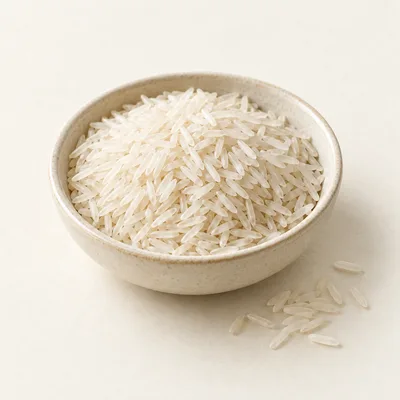 MEAL FOUNDATIONRice
Spiced qabooli, biryani-linked dishes and fish plates
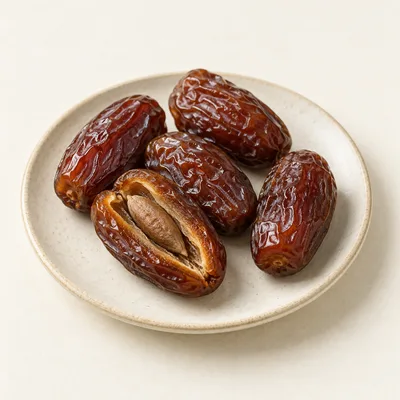 OASIS FRUITDate
Daily hospitality, sweets and farm products
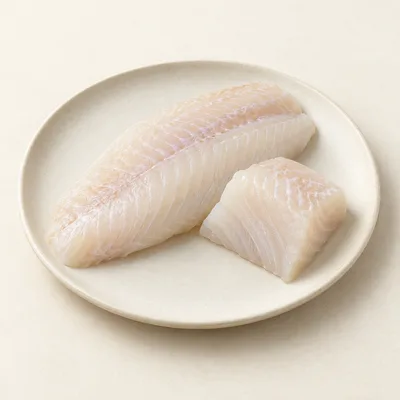 COASTAL PROTEINFish
Grilled, dried or cooked with rice and citrus
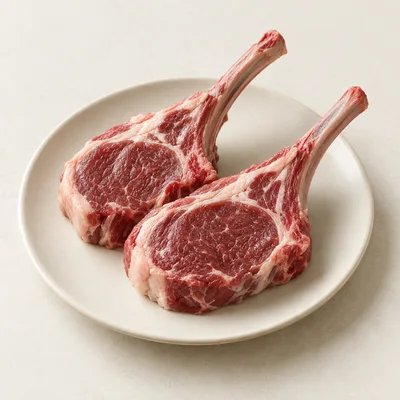 SLOW-COOKED MEATLamb
Shuwa, qabooli and festive shared dishes
Shuwa is an occasion and a process. Marinated meat is wrapped and cooked slowly in a covered underground oven, commonly for Eid and large gatherings; restaurant portions reference a communal practice that can take many hours. [7][8]
Harees and qabooli solve texture in opposite ways. Harees cooks wheat and meat into a cohesive porridge, while qabooli keeps scented rice distinct with meat, nuts or dried fruit and layered seasoning. [7]
Coffee, dates and halwa communicate hospitality before the main meal.
Watch the cup as well as the plate. Cardamom-scented coffee is poured in small amounts and repeatedly offered; dates or halwa often accompany it, and gently shaking the cup signals that you have had enough. [7]
Traditional food is often most meaningful in homes and community settings. Experience Oman notes that restaurant culture is growing from a history of home hospitality; markets, cooking experiences and Omani-run restaurants can give more context than an international hotel buffet. [7][8]
Food-culture sources checked .
Rice meals and composed plates
Rice is a major staple in Omani cuisine. Qabooli combines spiced rice with lamb or chicken, split peas and caramelised onions, while seafood may be served with rice and salad. Ask whether the rice uses chicken or fish stock, butter or ghee, and whether toppings are added after cooking. A plain-looking rice portion is not automatically a separate preparation.
Wheat-based porridges and breads
Harees is described as a porridge-like dish of cracked wheat, ghee, chicken or beef and spices; the recorded connection also identifies wheat berries and optional ghee. Thareed uses regag flatbread, while khubz ragag and khubz tawa are wheat-based breads in the examples. Ask whether bread is dipped into a shared stew, and whether milk, egg or ghee enriches the dough.
Grilled, roasted and street-counter foods
Shuwa is whole roasted lamb marinated with spices and cooked wrapped in banana or palm leaves; it may be served with plain rice or, in one recorded presentation, as a sandwich with fries and ketchup. Shawarma uses rotating-spit chicken or lamb in a wrap with pickles, vegetables, tahini or garlic sauce and fries. Ask about marinades, sauces, bread, shared knives and fryer use.
Fish, sweets and regional variation
Oman’s long coastline is associated with fish served alongside salad and rice. Possible examples include fish-based Jasheed, Mashuai and Samak Mashwi, while recorded fish variations exist for Madrouba, Majboos and Salona. Omani halwa is spoonable and may contain ghee, almond or pistachio; dates and sago pudding also need their own ingredient checks rather than assumptions.
Ingredients worth recognising
Start with these ingredients, then follow their names and recorded food connections. Check the recipe and product actually used.
Cracked wheat
Cracked wheat consists of broken wheat kernels and is central to the recorded harees connection. Ask whether the porridge also contains ghee, chicken or beef stock, and whether a separate ladle or pan is used.
Pita Bread
Pita is commonly made with wheat flour, and some formulations include sesame. If it accompanies fatta, shawarma or dips, ask about the bread recipe, tahini toppings, shared toaster or grill, and crumbs on serving surfaces.
Tahini
Tahini is directly derived from sesame and appears in some fatta toppings and shawarma sauce variations. Ask whether it is mixed with other sauces, spread with a shared utensil, or added after cooking to an otherwise different meal.
Egg
Egg is a standard binder recorded for khanfaroosh and may enrich khubz ragag or khubz tawa. Ask whether batter is made on the same surface as other foods and whether the topping or finish is added separately.
Fish
Fish is the defining protein in Mashuai and Samak Mashwi and a recognised variation in several other dishes. Ask which fish is used, whether fish broth enters the rice or sauce, and whether the grill, pan and serving tools are shared.
Ghee
Ghee is a milk-derived fat recorded in harees, Arsia, khabeesa, mabsees, fatta and Omani halwa. Ask whether it is used in the dough, cooking pan, garnish or finishing drizzle, and whether another named fat is actually used.
How food labelling works
A current, country-specific allergen-labelling summary for Oman has not yet been verified for this guide. Do not transfer the list of regulated allergens or restaurant disclosure rules from your home country to this one.
Read the complete ingredients on the actual package and keep any local-language sticker with the original label. For imported products, compare the information on that pack rather than a photograph of the brand sold elsewhere. Ask the manufacturer or seller to clarify an unfamiliar term.
For loose food or meals prepared to order, ask who can check the recipe and the labels on bought-in ingredients. Explain every food you avoid, including ingredients outside familiar allergy groups; a short symbol chart may not cover your list.
Language and communication
Arabic is Oman’s national language, with Omani, Gulf and Dhofar Arabic dialects identified. Prepare a short written explanation in Arabic naming the ingredient or reaction and asking for the complete recipe, stock, sauces, toppings and cooking utensils.
Regional context matters: Dhofar has its own Arabic variety and Jibbali is spoken there; Hindi or Urdu may be understood in some urban areas, with other community languages also present. Use names such as tahini, ghee, wheat or fish as recognition aids, then seek staff confirmation rather than treating them as a complete request.
Eating in different settings
Shawarma or street-food counter
Ask whether the chicken or lamb marinade contains anything relevant, and whether the wrap, tahini or garlic sauce, pickles and fries are prepared separately. Check if the spit, knife, board, fryer and serving tongs are shared with other fillings or battered foods.
Beach or roadside mishakeek stall
For mishakeek, ask what is in the tamarind-and-chilli marinade and whether the meat is cooked on a grill also used for fish or other skewers. Confirm every sauce and garnish, and ask whether clean tongs and a separate plate can be used.
Bakery or sweet counter
At a bakery, ask for the full recipe of khubz ragag, khubz tawa, khanfaroosh or luqaimat, including wheat flour, egg, milk, butter, ghee and sesame. Ask about shared trays, oil, utensils and crumbs before choosing a plain-looking item.
Restaurant or packaged-food shop
In a restaurant, ask whether rice uses meat, chicken or fish stock and whether ghee, butter, tahini, nuts or raisins are added at the end. For packaged halwa, dates or other goods, read the complete list and query unclear ingredients before purchase.
Before you travel
Review your personal plan
Discuss your travel plans with your clinician and keep your prescribed medicines and emergency instructions accessible. Tell companions where these are and how to follow your plan.
Check your medicines before entering Oman
The legal status and regulation of medicines prescribed or bought in the UK can differ in Oman. Before travel, read TravelHealthPro’s best-practice guidance and check the medicine’s import requirements with the relevant Omani authority. Do not stop or change prescribed medicine without advice from the prescriber.
Make the first meals easier to organise
Contact your accommodation and transport providers in advance. Save your written food list, menu questions and destination address offline. Check entry restrictions before packing backup food, and plan how you will check meals during arrival and onward journeys.
Plan access to medical help
In Oman, British nationals must use the private healthcare system. Arrange adequate travel health insurance and accessible funds for treatment abroad and repatriation; visitors without insurance or means to pay may be stopped from leaving until charges are settled. Check the FCDO medical-provider information and your insurer’s eligibility terms.
Emergency resources
For a suspected severe allergic reaction, follow your prescribed emergency plan and seek urgent medical help. Give your exact location clearly.
Ambulance and urgent medical help
Call 9999 and ask for an ambulance.
Explore next
Your allergy in Oman
Choose a food concern for the country notes and questions relevant to it.
Dishes in Oman
Follow the ingredients and cuisine connections in individual dish records.
Your own food list
Combine allergy groups and individual ingredients in one guide, with local names where recorded.
Allergy cards
Prepare the information you need to explain your food requirements.
FAQs, sources and review dates
Could plain rice with grilled meat be suitable?
Not from the description alone. Ask whether the rice is cooked in stock or finished with butter or ghee, and whether the meat has a marinade. Confirm that salad, sauce, garnish and serving utensils are separate, particularly where qabooli, shuwa or fish meals are prepared together.
What should I ask about Omani halwa?
Ask whether the batch contains ghee and whether almond or pistachio has been added, as these are recorded features of traditional versions. Also ask about toppings, shared spoons and display utensils. A similar honey-like appearance does not establish the ingredients or preparation.
Is vinegar always the same in prepared food?
No assumption should be made about generic vinegar. Some vinegars are malt-based, and some formulations may contain sulphites. Ask which vinegar is used in pickles, sauces or salads and request the complete packaged list where available.
Sources checked: . This researched draft is awaiting editorial review. Practical questions apply the sources below to local food settings; they do not confirm any individual meal's ingredients or preparation.
Sources & references (10)
- FCDO · Oman health and medical assistance
Emergency contact details, local healthcare and medicine guidance. UK-specific eligibility does not apply to every visitor.
- Wikivoyage contributors · Oman
Community-edited culinary context only; not an allergy or medical authority. Brief food-context adaptations, CC BY-SA 4.0: https://creativecommons.org/licenses/by-sa/4.0/. Recipe questions also use PlateSafe’s draft records.
- FARE · Dining out
General recipe and preparation questions, applied here to country-specific food examples.
- FARE · Travelling with food allergies
General preparation, written communication and access to prescribed medicines. Not country-specific import permission.
- PlateSafe · Oman recorded food connections
Existing draft dish and ingredient records, used as examples to investigate. These are not independently verified recipes or suitability assessments.
- Unicode CLDR · Territory language data
Language suggestions. Regional language needs must be confirmed with the particular food provider.
- Experience Oman — Heritage, culture and local gastronomy
- Oman Ministry of Heritage and Tourism — Marhaba Oman
- FAO — Oman country profile
- UNESCO World Heritage Centre — Land of Frankincense