
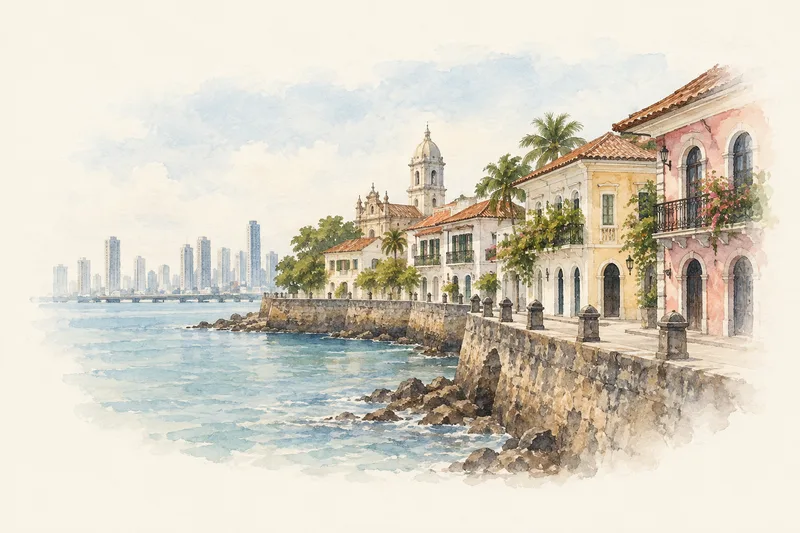
BEFORE YOUR FIRST MEAL
Navigating food allergies in Panama
Panamanian meals can combine rice, beans, meat, fish, plantain, salads, vegetables, sauces and drinks, while recipes vary between city restaurants and smaller eateries. Other possible preparations include wheat-based doughs, dairy desserts, egg-bound cakes and seafood dishes. Treat each dish as a starting point: ask about the complete preparation, especially stocks, coatings, sauces, toppings, frying oil and shared utensils.
What to know first
Culinary mix
A plate may pair meat or fish with rice, beans, salad, plantain or a vegetable. Ask whether each side, dressing and sauce is made separately or contains stock, dairy or egg.
Regional variation
Corvina dishes, seafood stews and coconut-based preparations may differ by recipe. Ask which fish or shellfish is included, whether coconut rice is used, and what was added during cooking.
Communication
Prepare a written explanation in Spanish describing the ingredients you must avoid and the seriousness of a reaction. Ask the server to confirm the full recipe, not just the dish name.
Preparation
Check whether fish, chicken, plantain, wheat-coated foods and other items share oil, water, pans, boards or serving utensils. Ask for a freshly prepared portion only if the kitchen can explain the process.
Labels
Read the complete ingredients and allergen information on the actual product. If you avoid a food that is not highlighted, ask the producer or food provider to check it specifically.
Understanding the food
Maize, rice, plantain, cassava, coconut, culantro, coffee, cacao, tropical fruit and seafood change between the capital, Caribbean coast, Pacific towns, highlands and Indigenous territories. Canal-era migration and long transit routes are part of the cuisine’s structure, not a footnote to a supposedly singular mestizo table.
Two coasts, mountain farms and migration produce several Panamanian tables.
| Region or community context | Food landscape | Examples to explore |
|---|---|---|
| Panama City & Canal zone | Markets, Afro-Antillean and Chinese migration, ports and contemporary restaurants | Dim sum breakfasts, seafood, rice dishes, carimañolas and modern Panamanian menus |
| Caribbean & Bocas del Toro | Afro-Caribbean, Ngäbe and island foodways with coconut and seafood | Coconut rice, rondón, fish, breadfruit, cacao and plantain |
| Pacific central provinces | Maize, rice, cattle, poultry, fishing and festival food | Sancocho, tortillas, tamales, arroz con pollo and fried fish |
| Chiriquí highlands & Indigenous territories | Coffee, cool-climate produce and distinct Ngäbe-Buglé, Guna and Emberá food systems | Specialty coffee, root crops, cacao, fish and community-specific preparations |
The tourism authority describes Panama as a global transit point. Indigenous, African, European, Asian and Caribbean ingredients and techniques accumulated through conquest, canal construction, migration and trade. [7][10]
National tourism planning calls for differentiated food ecosystems. The master plan aims to make regional and ethnographic diversity visible rather than concentrating every culinary story in the capital. [8]
Culantro, maize and coconut move differently between coast and interior.
A defining herbal note in sancocho and broths
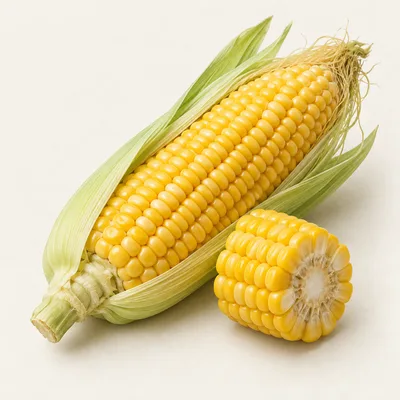 FIELD GRAINMaize
Tortillas, tamales, bollos and drinks
 CARIBBEAN RICHNESSCoconut
Rice, seafood stews, sweets and coastal breads
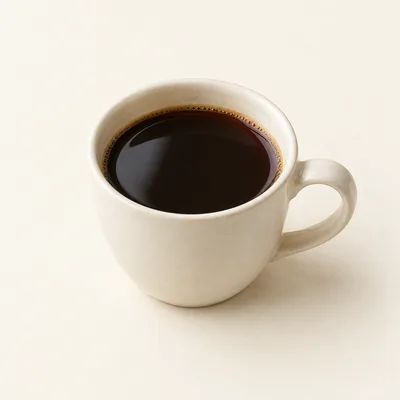 HIGHLAND CROPCoffee
Boquete and Volcán farms, including celebrated Geisha lots
Sancocho is a family of soups. Chicken, yam or other roots, maize and culantro recur, but province, household and occasion change the balance and additions. [7][9]
Afro-Panamanian cooking is foundational. Coconut rice, seafood stews, fritters and Caribbean seasoning carry histories of Afro-descendant communities that current chefs and restaurants are bringing explicitly to the foreground. [9][8]
Market stall, fonda, dim sum room and coffee finca each tell a different migration story.
Use the venue to understand the dish. A fonda serves everyday set meals, city Chinese-Panamanian restaurants make dim sum a local breakfast institution, and coastal cooks organise menus around the day’s catch. [7][10]
Community labels are not interchangeable decoration. Ngäbe-Buglé, Guna, Emberá, Afro-Antillean and other food traditions should be attributed to their makers and territories, especially in tourism experiences marketed as ancestral or local. [8][9]
Food-culture sources checked .
Fonda plates and composed meals
A fonda-style plate can bring together rice and beans, a choice such as chicken, pork, beef, mondongo or fried fish, plus salad, potato or macaroni salad and fried green plantain. Ask about every component: mayonnaise in cabbage or carrot salad, stock in rice or beans, coatings on fish, and whether sides arrive from shared containers.
Fish, seafood and sauces
Possible dishes include ceviche de corvina, corvina al ajillo, pescado frito, guacho de mariscos and rondón. Confirm whether the named fish is the only seafood, or whether shrimp, crab or other crustaceans are included. For garlic sauce, ask about butter; for stews and rice, ask whether seafood stock, fish trimmings or mixed stock was used.
Doughs, cakes and custards
Almojabano may use egg and cheese; hojaldre is based on wheat flour; mamallena combines wheat bread with egg and cow milk, with butter in some versions. Bienmesabe may use wheat flour, egg and milk. Ask whether the recipe is fried or baked, what binds it, and whether fillings or toppings change the ingredients.
Coconut, fruit and sweet toppings
Coconut appears in sweet and savoury preparations, including cocada and coconut rice. Cocada can include condensed milk or other dairy ingredients. Raspao may carry condensed milk, while chichas can be made with tamarind, passion fruit, mango, papaya, sugar cane juice or young coconut. Confirm syrups, toppings and shared scoops.
Ingredients worth recognising
Start with these ingredients, then follow their names and recorded food connections. Check the recipe and product actually used.
Wheat Bread
Wheat bread is the principal structural ingredient in mamallena, where it may be soaked and bound with milk and egg. Ask whether the bread is made from wheat flour, and whether butter, custard or other additions are included.
Egg
Egg is recorded as a binder in almojabano and some enyucado, and helps set mamallena and bienmesabe custards. Ask whether it is mixed into the dough, used in a filling, or brushed onto a coating.
Corvina Fish
Corvina defines ceviche de corvina and corvina al ajillo. Ask whether the serving is exclusively corvina, whether it shares a preparation surface with shellfish, and whether the ajillo sauce is finished with butter.
Butter
Butter is recorded in bollo de mantequilla and enyucado, and may finish corvina al ajillo or appear in mamallena. Ask whether the kitchen uses butter in the dough, sauce or cooking fat, and whether the same pan is shared.
Coconut
Coconut may appear as coconut rice, cocada or young-coconut drinks. Some cocada versions also use sweetened condensed milk or other dairy ingredients. Ask whether coconut is grated, cooked into rice, blended into a drink, or added as a topping.
Vinegar
Vinegar can matter in ceviche, salads, sauces or pickled accompaniments, but the source and formulation of generic vinegar may be unspecified. Ask which vinegar was used and whether it is malt-based or contains added sulphites.
How food labelling works
A current, country-specific allergen-labelling summary for Panama has not yet been verified for this guide. Do not transfer the list of regulated allergens or restaurant disclosure rules from your home country to this one.
Read the complete ingredients on the actual package and keep any local-language sticker with the original label. For imported products, compare the information on that pack rather than a photograph of the brand sold elsewhere. Ask the manufacturer or seller to clarify an unfamiliar term.
For loose food or meals prepared to order, ask who can check the recipe and the labels on bought-in ingredients. Explain every food you avoid, including ingredients outside familiar allergy groups; a short symbol chart may not cover your list.
Language and communication
Spanish is Panama’s most commonly spoken language and should be the first language for a written food explanation. Include the specific ingredients or groups you must avoid, ask for the complete recipe, and request confirmation of stock, sauces, toppings, shared oil and utensils. Names of dishes are recognition aids, not an allergy request.
Regional context may affect communication: an English-derived Creole is spoken by a small minority on the Caribbean Coast, while Kuna is heard in Kuna Yala and Ngöbe-Buglé in the Ngöbe-Buglé Comarca and parts of Chiriquí and Bocas del Toro. Prepare Spanish first, then seek confirmation in the language used locally.
Eating in different settings
Fonda or family restaurant
For a plate containing rice, beans, meat, salad and patacones, ask about every side rather than ordering by the main protein. Check mayonnaise, stock, coatings, frying oil and shared serving spoons, and ask whether the complete plate can be prepared without the ingredient concerned.
Seafood counter or coastal meal
With ceviche de corvina, pescado frito, guacho de mariscos or rondón, ask which fish and shellfish are present and whether seafood stock was used. Ask about shared knives, boards, marinades, frying oil and ladles, especially when ordering fish alone.
Bakery or dessert counter
For hojaldre, almojabano, mamallena, bienmesabe, enyucado or bollo de mantequilla, ask for the full dough and filling ingredients. Check wheat flour, egg, milk, butter, cheese and condensed milk, and ask whether products share trays, tongs or frying oil.
Market or packaged-food shop
Read the complete ingredient list on sauces, stocks, bread, sweets, condensed-milk toppings and drinks. Ask what a generic oil or vinegar contains, and check whether a product is sold with a separate topping or sachet that also needs reviewing.
Before you travel
Review your personal plan
Discuss your travel plans with your clinician and keep your prescribed medicines and emergency instructions accessible. Tell companions where these are and how to follow your plan.
Check your medicines before entering Panama
The legal status and regulation of medicines prescribed or bought in the UK can differ in Panama. Before travelling, read TravelHealthPro guidance on travelling with medicines and check the medicine’s status and documentation requirements with the relevant Panamanian authority or your prescriber.
Make the first meals easier to organise
Contact your accommodation and transport providers in advance. Save your written food list, menu questions and destination address offline. Check entry restrictions before packing backup food, and plan how you will check meals during arrival and onward journeys.
Plan access to medical help
Panama City has some good private hospitals and clinics, while medical facilities outside the capital are limited. Check the FCDO list of medical providers, and confirm with your insurer what care and eligibility arrangements apply where you will travel. Separate FCDO guidance is available for travel and mental health.
Emergency resources
For a suspected severe allergic reaction, follow your prescribed emergency plan and seek urgent medical help. Give your exact location clearly.
Ambulance and urgent medical help
Call 103 and ask for an ambulance. Call 911 for emergencies.
Explore next
Your allergy in Panama
Choose a food concern for the country notes and questions relevant to it.
Dishes in Panama
Follow the ingredients and cuisine connections in individual dish records.
Your own food list
Combine allergy groups and individual ingredients in one guide, with local names where recorded.
Allergy cards
Prepare the information you need to explain your food requirements.
FAQs, sources and review dates
Can I treat ceviche de corvina as fish-only?
Not automatically. Corvina is the defining fish, but ask whether the recipe includes other seafood, whether the marinade or serving garnish was prepared with shared equipment, and whether sauces or accompaniments contain additional ingredients. Confirm the complete preparation rather than relying on “corvina” in the name.
What should I ask about a coconut-based dish if coconut is my concern?
Ask whether coconut is present as rice, grated flesh, milk or a drink, and whether the same recipe includes dairy, such as condensed milk in some cocada versions. Coconut should be discussed as its own ingredient; do not assume a legal allergen category from the name.
Could a drink or salad contain an unexpected ingredient?
Yes, fruit drinks and salads may contain different components. Ask what is blended or mixed into the drink, whether sugar or toppings were added, and whether salad dressing uses vinegar, mayonnaise or stock. Check the complete recipe and shared utensils.
Sources checked: . This researched draft is awaiting editorial review. Practical questions apply the sources below to local food settings; they do not confirm any individual meal's ingredients or preparation.
Sources & references (10)
- FCDO · Panama health and medical assistance
Emergency contact details, local healthcare and medicine guidance. UK-specific eligibility does not apply to every visitor.
- Wikivoyage contributors · Panama
Community-edited culinary context only; not an allergy or medical authority. Brief food-context adaptations, CC BY-SA 4.0: https://creativecommons.org/licenses/by-sa/4.0/. Recipe questions also use PlateSafe’s draft records.
- FARE · Dining out
General recipe and preparation questions, applied here to country-specific food examples.
- FARE · Travelling with food allergies
General preparation, written communication and access to prescribed medicines. Not country-specific import permission.
- PlateSafe · Panama recorded food connections
Existing draft dish and ingredient records, used as examples to investigate. These are not independently verified recipes or suitability assessments.
- Unicode CLDR · Territory language data
Language suggestions. Regional language needs must be confirmed with the particular food provider.
- Panama Tourism Authority — Gastronomy
- Panama Tourism Authority — Sustainable Tourism Master Plan
- Panama Tourism Authority — Panama as a gastronomic destination
- Panama Tourism Authority — Visitor information and gastronomy