

BEFORE YOUR FIRST MEAL
Navigating food allergies in Portugal
Portugal combines inland meat, bread and dairy cooking with a strong fish and shellfish tradition. Soups, rice dishes, grilled foods, sandwiches and pastries may each involve several components beyond the dish’s familiar name. Regional and recipe variation matters: ask about the complete preparation, including stock, marinades, sauces, fillings, toppings, shared oil and utensils, before ordering.
What to know first
Start with the whole recipe
Caldo verde may include kale, potatoes and spiced smoked sausage, while arroz de marisco may combine rice with fish and crustaceans. Ask what is actually in this serving.
Expect regional variation
Bacalhau is prepared in many ways. Bacalhau com natas may have a creamy sauce and wheat flour, whereas bacalhau à Brás folds egg through cod and potatoes.
Communicate in Portuguese first
Prepare a written explanation in Portuguese, then use English if useful. Show the dish and ingredient names you need checked, rather than relying on a dietary label or name alone.
Check preparation separately
Ask whether stock, marinade, sauce, frying oil, water, pan or utensils are shared. For grilled sardines, fried cuttlefish or breaded fish, confirm the complete preparation and cooking arrangement.
Read highlighted allergens on labels
EU food-information rules cover 14 allergen categories; on prepacked food, relevant ingredients must stand out in the ingredients list. Unpackaged food requires allergen information too, but handling still needs checking.
Understanding the food
Bread, olive oil, pulses, brassicas, pork, goat, salt cod, sardine, shellfish, cheese, wine and egg-rich sweets vary sharply from Minho and Trás-os-Montes to Lisbon, Alentejo, Algarve, Madeira and the Azores. Atlantic trade and empire moved ingredients and people in both directions; that history belongs alongside regional farming and fishing.
A long mainland and two Atlantic archipelagos resist one menu.
| Region or setting | Food landscape | Examples to explore |
|---|---|---|
| North & Douro | Green fields, maize, cabbage, pork, lamprey and wine terraces | Caldo verde, broa, rojões, tripas and Vinho Verde |
| Centre & Lisbon coast | Mountain cheese, Atlantic fish, bakeries and estuary food | Serra cheese, leitão, grilled sardine, pastéis and caldeirada |
| Alentejo & Algarve | Olive groves, cork oak, bread, herbs, pig and warm-water coast | Açorda, migas, black pork, cataplana, octopus and almond sweets |
| Madeira & Azores | Volcanic islands, deep ocean, cattle, subtropical crops and fortified wine | Espetada, bolo do caco, limpets, cozido das Furnas and island cheese |
Visit Portugal describes cuisine as varied as the landscape. Its national guide connects Atlantic fish, DOP meats and cheeses, olive oil, wine, convent sweets and local produce to regions rather than a single Portuguese plate. [8][10]
The sea is a defining presence, but not the only one. Inland bread soups, pork, pulses and mountain dairy coexist with grilled fish and shellfish; Madeira and the Azores add their own volcanic and oceanic food systems. [8][9]
Olive oil and bread connect frugal technique to regional abundance.
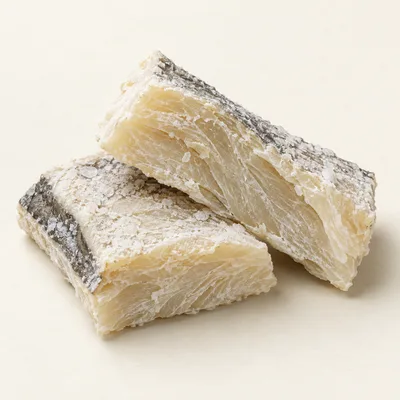 PRESERVED FISHSalt cod
Soaked and cooked in hundreds of named preparations
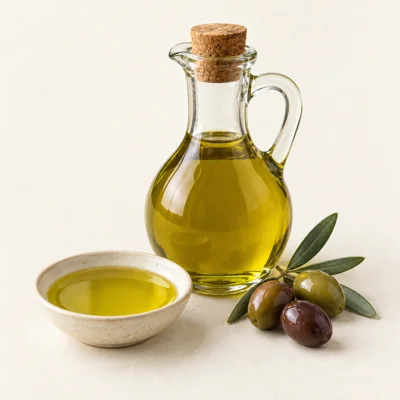 PRIMARY FATOlive oil
Cooking, finishing, preserving and dipping
Broa, wheat loaves, soups, migas and açorda
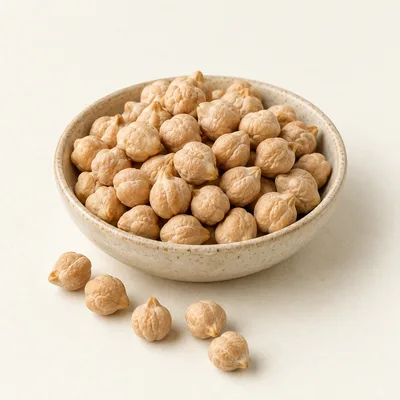 FIELD PULSEChickpea
Soups, stews, salads and cozido
Bacalhau is preservation plus preparation. Salt cod must be soaked, then may be grilled, baked, shredded into fritters or bound with potato, egg, onion or cream; “cod” alone does not describe the dish. [8]
Bread is often an ingredient, not just an accompaniment. Alentejo açorda perfumes softened bread with garlic, herbs and olive oil, while migas and northern broa use grain, texture and leftovers differently. [8][10]
Tasca, pastelaria, market and seafood grill each reward a different pace.
Follow local daily rhythms. A pastelaria handles coffee, savouries and sweets; a tasca offers compact traditional dishes; markets and simple grills make season and catch more visible than a long national menu. [8][9]
The table is explicitly social. Official tourism material treats sharing, hospitality and extended meals as part of gastronomy itself, whether the setting is a family tavern or contemporary restaurant. [9]
Food-culture sources checked .
Soups and bread-based dishes
Soup is commonly presented as a first course in Portugal. Caldo verde combines kale, potatoes and spiced smoked sausage, while açorda à Alentejana has wheat bread and commonly a poached egg. Sopa do Espírito Santo also uses bread, typically wheat-based. Ask whether the broth contains seafood stock, meat stock, wine, cream or other additions, and whether bread, egg or toppings are added after cooking.
Bacalhau, fish and seafood
Cod appears in bacalhau com natas, bacalhau à Brás, bacalhau à Gomes de Sá, bacalhau à Zé do Pipo and pastéis de bacalhau, but their surrounding ingredients differ. Fish stews such as caldeirada may include crustaceans, while arroz de marisco can contain fish, prawns or crab. Cataplana de marisco typically includes prawns. Ask which fish and shellfish are present, and whether stock or sauce is mixed in.
Rice, grills and meat dishes
Rice-based examples include arroz de marisco, arroz de cabidela and rice with octopus, duck or frog fish. Grilled sardines and chilli, garlic and olive-oil chicken sit alongside meat dishes. One version of Carne de Porco à Alentejana combines pork and clam; wine may be used in some preparations. Ask about marinades, wine, seasoning, frying oil and accompanying sauces.
Pastries, puddings and regional variation
Pastel de nata has a wheat pastry shell and egg-yolk custard; bola de Berlim has wheat dough and a milk-based custard. Regional sweets vary: Ovos Moles de Aveiro may have a wheat wafer casing, while Travesseiros de Sintra use wheat pastry and almond filling. Queijadas may combine fresh cheese, wheat flour and egg. Ask about fillings, toppings, pastry, decoration and shared display utensils.
Ingredients worth recognising
Start with these ingredients, then follow their names and recorded food connections. Check the recipe and product actually used.
Bread
Bread may be wheat-based, but enriched or specialty versions can include milk, sesame, soy or egg. This matters for açorda, migas, sandwiches and bread served alongside meals. Ask for the full bread ingredients and whether slices share a board, knife or toaster.
Cod
Cod is recorded in several bacalhau dishes and pastéis de bacalhau. The fish itself does not describe the recipe around it: ask about batter, egg, cream, mayonnaise, stock, sauces and frying oil, especially for fritters or gratinated preparations.
Cow Milk
Cow milk is a core cooking liquid in aletria and arroz doce, and dairy may also appear in sauces, mashed potato or custards. Ask whether milk, cream, butter or fresh cheese is used, and whether the complete dish has additional dairy ingredients.
Wheat flour
Wheat flour is recorded in pastéis de nata, breads, fried coatings, pastries and béchamel-style sauce. Ask whether flour is in the pastry, thickener, crumb coating or shared frying preparation. Gluten and wheat are distinct questions, so describe the concern accurately.
Egg
Egg is recorded in bacalhau à Brás, pastéis de bacalhau, custards, cakes and several regional pastries. Ask whether it is mixed into the main dish, used as a filling or glaze, or added as a topping, and whether utensils are shared.
Prawn
Prawns are a typical component of cataplana de marisco and may occur in arroz de marisco. Ask whether prawns are included in the exact serving, whether other crustaceans are present, and whether seafood stock, cooking water or shared utensils are used.
How food labelling works
EU food-information rules cover 14 allergen categories used as ingredients. On prepacked food, these must stand out in the ingredients list. The categories include gluten-containing cereals, crustaceans, eggs, fish, peanuts, soybeans, milk, specified nuts, celery, mustard, sesame, sulphites above the stated threshold, lupin and molluscs.
Allergen information is also required for food sold without prepacking, including restaurant meals. Ask how to obtain the information for the exact order. National arrangements affect how it is supplied; an ingredient declaration does not by itself describe shared equipment or handling.
If you avoid a food outside those categories, read the complete ingredients and name that food when speaking to staff. A short allergen key cannot answer every ingredient-specific question.
Language and communication
Portuguese is Portugal’s national language and should be prioritised in a written explanation about an allergy or food avoidance. European Portuguese vocabulary and pronunciation may differ from Brazilian Portuguese. Use the exact dish and ingredient names as recognition aids, then ask for confirmation of the complete recipe.
English is also used, but communication may vary by place. In Miranda do Douro and nearby areas, Mirandese has regional recognition alongside Portuguese; this is a specific regional context, so do not omit Portuguese. Ask staff to confirm the order and preparation.
Eating in different settings
Pastelaria
For pastéis de nata, bola de Berlim, queijadas or other pastries, ask what the pastry, custard, filling and decoration contain. Check whether almond, wheat, milk or egg is present, and whether items are handled with shared tongs, trays or display surfaces.
Fish counter or seafood restaurant
For arroz de marisco, cataplana de marisco, caldeirada or grilled fish, ask which fish and shellfish are in the exact dish. Check seafood stock, sauces, wine, shared pans and utensils, rather than relying on “seafood” as a complete description.
Grill, sandwich counter or traditional restaurant
For bifana, prego no pão, grilled sardines or Carne de Porco à Alentejana, ask about bread, butter, mustard, marinade, wine and sauces. Confirm whether meat, fish and bread use the same grill, oil, board or utensils.
Accommodation kitchen or grocery shop
When preparing food yourself, read the complete ingredients list on bread, cheese, butter, vinegar, beer, wine and packaged sauces. Ask what is in stock or seasoning, and keep ingredients, cookware, chopping boards and frying oil separate where needed.
Before you travel
Review your personal plan
Discuss your travel plans with your clinician and keep your prescribed medicines and emergency instructions accessible. Tell companions where these are and how to follow your plan.
Check your medicines before entering Portugal
Some medicines prescribed or bought in the UK may have different legal status in Portugal, and strict dispensing rules apply to some medicines. Keep medicines in their original labelled containers, carry enough for the visit and check current rules with the relevant Portuguese authority before travel.
Make the first meals easier to organise
Contact your accommodation and transport providers in advance. Save your written food list, menu questions and destination address offline. Check entry restrictions before packing backup food, and plan how you will check meals during arrival and onward journeys.
Plan access to medical help
UK prescriptions are not recognised in Portugal. If you are eligible for a GHIC or EHIC, one may be needed for medically necessary state healthcare, and these cards do not replace travel insurance. Check current eligibility, cover and provider arrangements with the NHS or insurer; a repeat prescription may involve a health centre or hospital and payment.
Emergency resources
For a suspected severe allergic reaction, follow your prescribed emergency plan and seek urgent medical help. Give your exact location clearly.
Ambulance and urgent medical help
For an ambulance, use 112. FCDO also lists separate non-emergency health-advice contacts for mainland Portugal, Madeira and Porto Santo, and the Azores, including accessible communication options.
Explore next
Your allergy in Portugal
Choose a food concern for the country notes and questions relevant to it.
Dishes in Portugal
Follow the ingredients and cuisine connections in individual dish records.
Your own food list
Combine allergy groups and individual ingredients in one guide, with local names where recorded.
Allergy cards
Prepare the information you need to explain your food requirements.
FAQs, sources and review dates
Is bacalhau one consistent recipe?
No. Different versions may vary: bacalhau com natas may use cream, dairy and wheat flour; bacalhau à Brás includes egg; bacalhau à Zé do Pipo may include dairy mash and mayonnaise. Ask which version is being served and request the full ingredient and sauce details.
What should I ask about wine in a savoury dish?
Some recorded preparations use white or red wine, including alcatra da Terceira, chanfana, Carne de Porco à Alentejana and octopus from the Azores. Ask whether wine is in the marinade, braising liquid or sauce, and check the product information where relevant, including sulphites.
What about an ingredient such as almond?
Almond is recorded in Toucinho do Céu and Travesseiros de Sintra, while some Ovos Moles may have a wheat wafer casing. If you avoid almond, name it specifically and ask about fillings, decoration, shared trays and complete packaged ingredients rather than relying on a general allergen summary.
Sources checked: . This researched draft is awaiting editorial review. Practical questions apply the sources below to local food settings; they do not confirm any individual meal's ingredients or preparation.
Sources & references (11)
- FCDO · Portugal health and medical assistance
Emergency contact details, local healthcare and medicine guidance. UK-specific eligibility does not apply to every visitor.
- Wikivoyage contributors · Portugal
Community-edited culinary context only; not an allergy or medical authority. Brief food-context adaptations, CC BY-SA 4.0: https://creativecommons.org/licenses/by-sa/4.0/. Recipe questions also use PlateSafe’s draft records.
- FARE · Dining out
General recipe and preparation questions, applied here to country-specific food examples.
- FARE · Travelling with food allergies
General preparation, written communication and access to prescribed medicines. Not country-specific import permission.
- PlateSafe · Portugal recorded food connections
Existing draft dish and ingredient records, used as examples to investigate. These are not independently verified recipes or suitability assessments.
- Unicode CLDR · Territory language data
Language suggestions. Regional language needs must be confirmed with the particular food provider.
- European Commission · Allergen information
Scoped allergen-labelling summary. Does not establish an individual meal’s ingredients or preparation.
- Visit Portugal — Gastronomy and wines
- Visit Portugal — Portugal, an unwritten recipe
- Visit Portugal — Gastronomy of Porto and the North
- FAO — Portugal country profile