
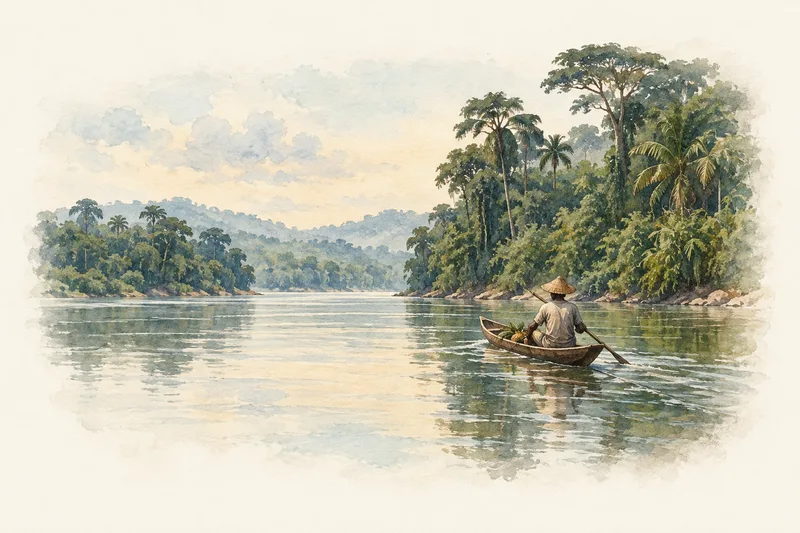
BEFORE YOUR FIRST MEAL
Navigating food allergies in Republic of the Congo
Food choices in the Republic of the Congo may vary between household recipes, restaurant kitchens and packaged products. Possible versions include peanut-based soups and sauces, fish preparations, wheat-flour mikate and mayonnaise-based poulet mayo. Treat dish names as starting points: ask about the complete recipe, cooking liquids, toppings, shared utensils and oil before ordering.
What to know first
Peanut sauces can be part of several dishes
Chicken moambe, Fumbwa and Saka Saka may use peanut or peanut paste, while Kanda incorporates ground peanut. Ask whether the sauce is made with peanut today.
Fish appears in different forms
Fish is central to Fish Liboke and Makayabu, and may be added to Fumbwa or Saka Saka. Confirm the species, salted preparation and any accompanying sauce.
Explain the whole meal in French
French is the official language. Prepare a written explanation covering the ingredient, cross-contact concern and seriousness of your reaction, then ask staff to confirm each component.
Check preparation, not just ingredients
Ask whether the same pan, board, knife, spoon, frying oil or cooking water is used for other foods. Confirm stock, sauce, garnish and topping separately.
Read complete ingredient lists
Read the complete ingredients and allergen information on the actual product. If you avoid a food that is not highlighted, ask the producer or food provider to check it specifically.
Understanding the food
Cassava root and leaves, plantain, maize, groundnut, palm oil, freshwater and marine fish, bush greens and fruit change from Brazzaville and Pool to the northern forest and Pointe-Noire coast. Kongo, Teke, Mbochi, Sangha and other communities maintain distinct practices; this is the Republic of the Congo, not the much larger Democratic Republic of the Congo across the river.
River, forest and coast change both starch and protein.
| Region or community context | Food landscape | Examples to understand |
|---|---|---|
| Brazzaville & Pool | Urban markets, cassava, river fish and migration from across the country | Saka-saka, grilled fish, maboké, beans and chikwangue |
| Cuvette & Congo River north | Floodplain fisheries, forest gardens and smoked foods | Freshwater fish, cassava, plantain, palm products and greens |
| Sangha & Likouala forest | Forest biodiversity and distinct Indigenous and Bantu community knowledge | River foods, gathered plants and locally governed forest resources |
| Pointe-Noire & Kouilou | Atlantic fishing, Kongo foodways, port trade and coastal markets | Sea fish, shrimp, cassava, palm oil and grilled foods |
Smoking and leaf wrapping answer heat, distance and flavour. Congo Tourisme documents smoked foods and maboké-style leaf parcels alongside cassava-leaf saka-saka, techniques that shift with fish, seasoning and locality. [7]
Forest ingredients require living custodians. The UNESCO-listed Sangha landscape spans several countries and supports Indigenous peoples and local communities; gathered food should never be presented as an unowned wilderness resource. [9]
Cassava becomes root, leaf, dough and wrapped staple.
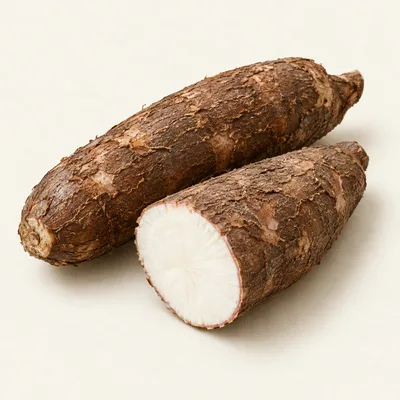 ROOT & LEAFCassava
Chikwangue, fufu and pounded leaf stews
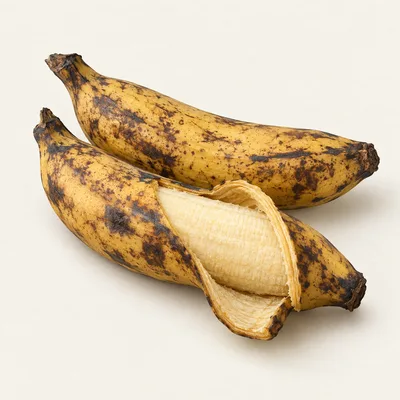 COOKING BANANAPlantain
Boiled, fried, roasted or pounded beside sauces
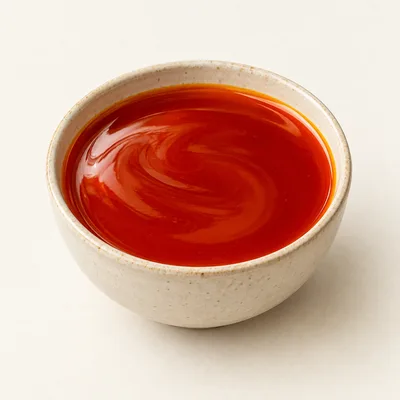 PRIMARY FATRed palm oil
Colour and body for leafy sauces and stews
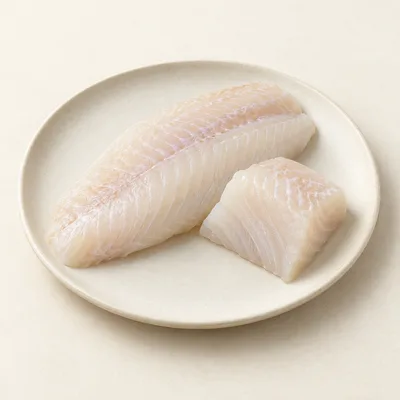 RIVER & OCEANFish
Fresh, smoked, salted, grilled or leaf-cooked
Saka-saka measures patient preparation. Cassava leaves are finely pounded and cooked thoroughly, often with palm oil, groundnut, smoked fish or other additions; household versions differ in richness and texture. [7][10]
Chikwangue is preservation and portability. Processed cassava dough is fermented, wrapped and steamed into a firm staple that travels better than fresh root and is sliced beside fish, meat or sauce. [7]
Market grill, riverside kitchen and family pot reveal different supply chains.
Ask where the fish came from and how it was preserved. Atlantic catch, Congo River fish and smoked inland products can look similar on a menu but represent different species, routes and cooking times. [7][10]
Avoid treating wildlife as a culinary checklist. Protected forests and community territories face hunting and trade pressures; choose farmed or clearly legal ingredients and respect local conservation rules. [9][8]
Food-culture sources checked .
Peanut-enriched sauces and mixtures
Peanut is the defining base of Peanut soup, while Kanda incorporates ground peanut into its mixture. Recorded versions of Chicken Moambe, Fumbwa and Saka Saka may also use peanut paste. Ask whether the paste is added during cooking, served separately or used in a shared sauce, and whether any stock, garnish or topping contains it.
Fish as the main protein or an addition
Fish Liboke has fish as its defining protein, and Makayabu is based on salted fish. Fish may also be added to Fumbwa or Saka Saka. Ask which fish is used, whether Makayabu has been salted, and whether fish stock, flakes, sauce or cooking liquid is included elsewhere in the meal.
Wheat flour, egg and frying questions
Mikate has wheat flour as a core ingredient, so ask what flour is used and whether the dough is prepared or fried alongside other items. Poulet Mayo commonly involves mayonnaise, which may contain egg. Confirm the mayonnaise recipe, added sauces and whether the chicken shares oil, utensils or preparation surfaces.
Ingredients worth recognising
Start with these ingredients, then follow their names and recorded food connections. Check the recipe and product actually used.
Wheat flour
Recorded as a core ingredient in Mikate, wheat flour may be present in dough or fried preparations. Ask whether the flour is used in the item, coating or shared work area, and request the complete recipe rather than inferring from the dish name.
Peanut
Peanut is the defining base of Peanut soup and may appear in Chicken Moambe, Fumbwa, Kanda and Saka Saka. Ask whether whole peanut, ground peanut or peanut paste is used in the sauce, filling, garnish or cooking mixture.
Mayonnaise
Mayonnaise is recorded with Poulet Mayo and commonly contains egg, although formulations differ. Ask whether it is made in-house or bought ready-made, what its complete ingredients are, and whether it is mixed into the chicken or served separately.
Fish
Fish defines Fish Liboke and can be added to Fumbwa or Saka Saka. Ask for the fish species and whether fish stock, dried fish, sauce or flakes are used in other parts of the dish; confirm how the fish is kept apart during preparation.
Vegetable Oil
The recorded source describes generic vegetable oil as potentially soybean oil, but does not identify the oil used in a particular product or kitchen. Ask which oil is used, whether it is shared for frying, and whether a packaged label names its source.
How food labelling works
A current, country-specific allergen-labelling summary for Republic of the Congo has not yet been verified for this guide. Do not transfer the list of regulated allergens or restaurant disclosure rules from your home country to this one.
Read the complete ingredients on the actual package and keep any local-language sticker with the original label. For imported products, compare the information on that pack rather than a photograph of the brand sold elsewhere. Ask the manufacturer or seller to clarify an unfamiliar term.
For loose food or meals prepared to order, ask who can check the recipe and the labels on bought-in ingredients. Explain every food you avoid, including ingredients outside familiar allergy groups; a short symbol chart may not cover your list.
Language and communication
French is the official language of the Republic of the Congo and should come first in a written food explanation. State the ingredient of concern, the possibility of shared equipment and the need to confirm the complete recipe. Names of dishes and ingredients are recognition aids, not a complete request.
Kituba and Lingala are the main indigenous languages. Regional variation and staff confirmation matter, so carry the same written explanation in French and ask a suitable speaker to verify the answer where needed. Do not assume that a dish name or a brief reply establishes the recipe.
Eating in different settings
Restaurant in Pointe-Noire
The recorded source mentions Chinese food at Osaka Restaurant in Pointe-Noire. Ask which ingredients are in the complete dish, including stock, sauce and garnish, and whether the wok, ladle or frying oil is shared. Confirm the answer before ordering rather than relying on a cuisine label.
Restaurant in Brazzaville
Brazzaville has several restaurants, but recipes and accommodation practices may vary. Show your written French explanation and ask whether Chicken Moambe, Fumbwa, Saka Saka or Fish Liboke contains peanut, fish stock, added sauce or shared cooking equipment.
Street or market food
For food sold from a counter or market, ask what is in the complete portion and whether it was cooked in a common pot or oil. With Mikate, ask about wheat flour and shared frying oil; with fish dishes, ask whether the fish is salted or added to a sauce.
Packaged-food shop
Read the complete ingredient list on each packaged item and ask about any unclear ingredient or seasoning. For peanut paste, mayonnaise, salted fish or vegetable oil, check the named source and preparation, and do not treat a familiar product name as proof of suitability.
Before you travel
Review your personal plan
Discuss your travel plans with your clinician and keep your prescribed medicines and emergency instructions accessible. Tell companions where these are and how to follow your plan.
Check your medicines before entering Republic of the Congo
UK medicines can have different legal status or regulation in the Republic of the Congo. Bring enough for the trip, keep it clearly labelled and carry a copy of the prescription. Read best practice when travelling with medicines on TravelHealthPro before departure.
Make the first meals easier to organise
Contact your accommodation and transport providers in advance. Save your written food list, menu questions and destination address offline. Check entry restrictions before packing backup food, and plan how you will check meals during arrival and onward journeys.
Plan access to medical help
Medical facilities are limited, particularly in rural areas, and evacuation may be needed for treatment beyond basic care. Check that travel and medical insurance covers treatment abroad, repatriation and air-ambulance evacuation. If illness occurs during or soon after travel, seek immediate medical advice; confirm suitable providers with the FCDO list.
Emergency resources
For a suspected severe allergic reaction, follow your prescribed emergency plan and seek urgent medical help. Give your exact location clearly.
Ambulance and urgent medical help
There’s no central number for emergency services. Check for local medical facilities and carry contact details with you.
Explore next
Your allergy in Republic of the Congo
Choose a food concern for the country notes and questions relevant to it.
Dishes in Republic of the Congo
Follow the ingredients and cuisine connections in individual dish records.
Your own food list
Combine allergy groups and individual ingredients in one guide, with local names where recorded.
Allergy cards
Prepare the information you need to explain your food requirements.
FAQs, sources and review dates
Can I assume Saka Saka or Fumbwa is fish-free?
No. Fish is an optional protein addition in some recorded Saka Saka and Fumbwa preparations. Ask whether fish, fish stock, dried fish or fish sauce is included, and whether the serving spoon or cooking pot is shared with a fish-containing batch.
What should I ask about vegetable oil?
Ask which oil is actually being used and whether it is a named product or an unspecified kitchen oil. Confirm whether the same oil is used for other foods. For packaged oil, read the complete ingredient list rather than inferring its source from “vegetable oil”.
Does Poulet Mayo always contain egg?
The recorded connection says mayonnaise commonly contains egg, but egg-free formulations exist. Ask whether the mayonnaise is homemade or packaged, request its complete ingredients, and confirm whether it is mixed through the chicken, used as a topping or handled with shared utensils.
Sources checked: . This researched draft is awaiting editorial review. Practical questions apply the sources below to local food settings; they do not confirm any individual meal's ingredients or preparation.
Sources & references (10)
- FCDO · Republic of the Congo health and medical assistance
Emergency contact details, local healthcare and medicine guidance. UK-specific eligibility does not apply to every visitor.
- Wikivoyage contributors · Republic of the Congo
Community-edited culinary context only; not an allergy or medical authority. Brief food-context adaptations, CC BY-SA 4.0: https://creativecommons.org/licenses/by-sa/4.0/. Recipe questions also use PlateSafe’s draft records.
- FARE · Dining out
General recipe and preparation questions, applied here to country-specific food examples.
- FARE · Travelling with food allergies
General preparation, written communication and access to prescribed medicines. Not country-specific import permission.
- PlateSafe · Republic of the Congo recorded food connections
Existing draft dish and ingredient records, used as examples to investigate. These are not independently verified recipes or suitability assessments.
- Unicode CLDR · Territory language data
Language suggestions. Regional language needs must be confirmed with the particular food provider.
- Congo Tourisme — Cuisine
- FAOLEX — Republic of the Congo country profile
- UNESCO World Heritage Centre — Sangha Trinational
- FAO — Republic of the Congo country profile