
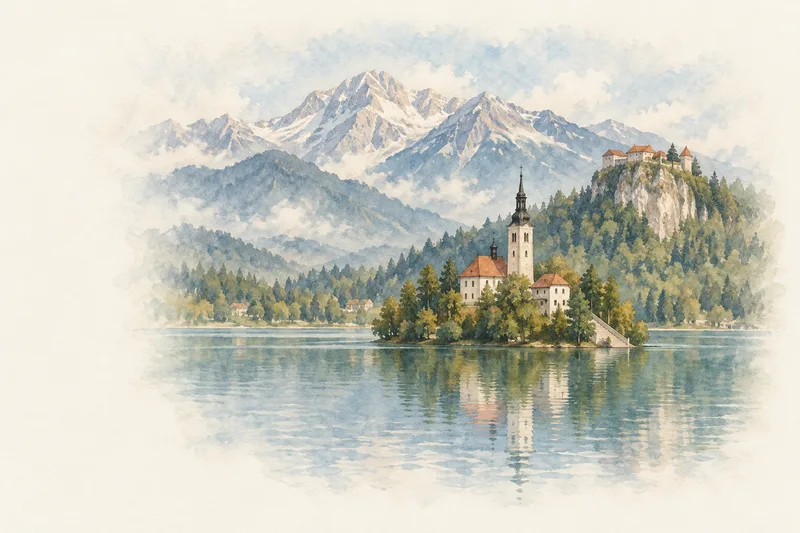
BEFORE YOUR FIRST MEAL
Navigating food allergies in Slovenia
Slovenian food draws on Subalpine, Italian, Austrian, Hungarian and Balkan traditions. A meal may combine broth, noodles, meat, potatoes, salad and bread, while regional specialities include štruklji, žganci, jota and Idrija žlikrofi. Recipes and fillings vary, including within one named dish. Treat names as starting points: ask about every ingredient, stock, topping, shared utensil and preparation step.
What to know first
Culinary pattern
A three-course meal may begin with beef or chicken broth and egg noodles, then meat, potatoes, salad and bread. Check each component separately rather than assessing the meal by its main dish.
Regional recipes
Coastal menus can feature fish, squid, mussels and octopus, while inland specialities include buckwheat žganci, Idrija žlikrofi and filled štruklji. Ask which regional recipe is being served.
Communication
Give a written explanation in Slovenian, and show the complete dish or ingredient list you need checked. Ask staff to confirm the exact order, including stock, sauces, toppings and shared equipment.
Preparation details
Ask whether soup, dumplings, pastries or fried foods share water, oil, pans or utensils with other dishes. Confirm whether a garnish or finishing butter is added after cooking.
Labels
For prepacked food, EU rules require the 14 allergen categories to stand out in the ingredients list; food sold without prepackaging also requires allergen information, but ask how it is supplied.
Understanding the food
Buckwheat, maize, potatoes, beans, cabbage, dairy, pork, honey, wine, olive oil and river or sea fish change quickly across Slovenia’s 24 documented gastronomic areas. Potica and kranjska klobasa travel widely as national references, but mountain huts, Karst cellars, coastal kitchens and eastern farm tables remain regionally specific.
Four landscape worlds contain twenty-four gastronomic areas.
| Landscape | Food context | Examples to understand |
|---|---|---|
| Alpine Slovenia | Pastoral dairy, forest gathering and hearty grain or potato dishes | Cheese, štruklji, žganci, dumplings, trout and mountain stews |
| Mediterranean coast & Karst | Olive, vine, salt, seafood and dry-cured meat | Olive oil, sea fish, jota, pršut, herbs and wine |
| Ljubljana & central Slovenia | Market exchange and overlap between surrounding regions | Potica, market produce, river fish and contemporary local cooking |
| Pannonian east | Grain, pumpkin, pork, vineyards and layered farm dishes | Prekmurska gibanica, bograč, pumpkin-seed oil and wine |
Official tourism identifies 24 gastronomic areas. The framework acknowledges that the Alps, Mediterranean, Karst and Pannonian plain contain further local distinctions rather than four standard menus. [8][10][9]
Landscape is unusually compressed. A short journey can move from dairying and forest ingredients to olives, salt and seafood, then toward vineyards, pumpkin fields and Pannonian stews. [9][8][11]
Grain, honey, grape and olive mark different Slovenian ecologies.
Žganci, dumplings, breads and rustic side dishes
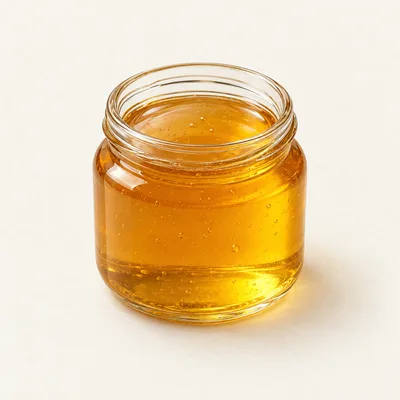 BEEKEEPING PRODUCTHoney
Breakfast, baking, drinks and protected local varieties
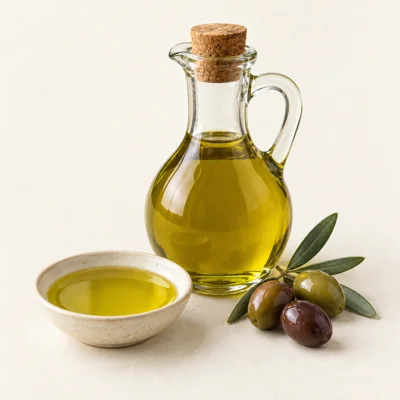 MEDITERRANEAN FATOlive oil
Coastal cooking, salads, fish and protected production
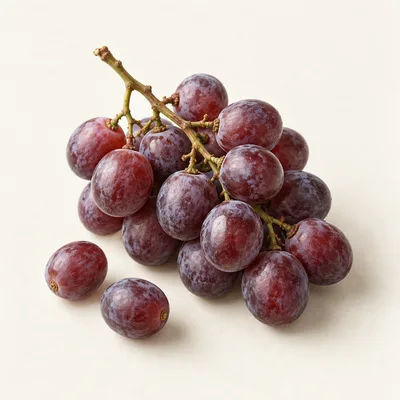 VINEYARD FRUITGrape
Three wine-growing areas and many local cellar traditions
Protected names can locate a product. Cheeses, cured meats, sausages, oils and other goods with origin or traditional-speciality protection connect a menu item to defined makers and methods. [8][10]
Potica is a family of rolled festive cakes. Walnut is widely recognised, but fillings and local forms vary; the technique and occasion are as important as presenting one version as the national standard. [10]
Tourist farm, gostilna, mountain hut and chef-led restaurant show different scales of locality.
Eat near the system that produced the food. Tourist farms and mountain huts can connect dishes to dairy, orchard, grain and forest landscapes, while coastal and wine-country settings make oil, fish and cellar production visible. [8][9]
Innovation does not cancel regional identity. Official gastronomy strategy places contemporary chefs beside inherited recipes and local supply, allowing techniques to change while origins remain named. [8][10]
Food-culture sources checked .
Broths, soups and thickened dishes
A typical opening course may be beef or chicken broth with egg noodles, so ask about the stock, noodles and any finishing ingredients separately. Kisla juha may have a sour-cream garnish, while obara may use wheat flour for thickening and celery in some vegetable combinations. Ask whether stock, flour, cream or celery is added during cooking or at service.
Dumplings, grains and filled doughs
Štruklji are described with sweet, meat or vegetable fillings, so the wrapper, filling and topping need separate checks. Idrija žlikrofi use wheat-flour dough in the recorded example, while ajdovi žganci may be finished with butter or pork fat. Ričet is based on pearl barley. Ask about flour, egg, dairy, fat and the cooking water, especially when dumplings are boiled together.
Pastries and regional baking
Sweet and savoury baking varies considerably. Potica is a yeast dough with a traditional walnut filling, while prekmurska gibanica can combine pastry layers, walnuts, cottage cheese, butter and sour cream. Bled cream cake commonly involves puff pastry, custard, egg, milk and whipped cream. Ask whether the named version uses the expected filling, and whether bakery tools or display trays are shared.
Meat, seafood and quick meals
Cutlets, sausages and goulash may be based on pork, lamb or game, while coastal cooking includes fish, squid, mussels and octopus. Burek may be sold with meat, cheese or apple fillings, and pleskavica or čevapčiči are grilled meat examples. Ask about marinades, bread or pastry, seasoning mixes, grill contact, frying oil and any sauce added after cooking.
Ingredients worth recognising
Start with these ingredients, then follow their names and recorded food connections. Check the recipe and product actually used.
Pearl barley
Pearl barley is the defining grain of ričet and is also a useful label check for soups or mixed dishes. Ask whether the complete recipe contains other grains, and whether the pot or ladle is shared with wheat-containing food.
Wheat flour
Wheat flour may be used in žlikrofi, štruklji, potica, gibanica and pastry. Ask whether it is used in dough, a filling, a sauce or as a thickener, and whether dusting flour or shared surfaces are involved.
Egg
Egg may be used in dough, custard, batter, glaze or filling: examples include Belokranjska pogača, Bled cream cake, frtalja and pohorska omleta. Ask about egg in every component, including brushing or finishing, not only the main mixture.
Celery
Celery is a defining base ingredient in selinka and appears in some vegetable combinations for obara and sara. Ask whether it is fresh, dried or included in stock or seasoning, and request the complete recipe rather than relying on a short allergen key.
Walnut
Walnuts are central to recorded versions of potica, ajdnek and kobariški štruklji, and are one filling in prekmurska gibanica. Ask whether walnut is in the filling, topping or garnish, and whether the same knife, board or display area handles other foods.
Butter
Butter may finish ajdovi žganci and is recorded in potica, gibanica, štruklji and other enriched preparations. Ask whether butter is used in the dough, filling, cooking fat or final topping, and whether an alternative is a different labelled product.
How food labelling works
EU food-information rules cover 14 allergen categories used as ingredients. On prepacked food, these must stand out in the ingredients list. The categories include gluten-containing cereals, crustaceans, eggs, fish, peanuts, soybeans, milk, specified nuts, celery, mustard, sesame, sulphites above the stated threshold, lupin and molluscs.
Allergen information is also required for food sold without prepacking, including restaurant meals. Ask how to obtain the information for the exact order. National arrangements affect how it is supplied; an ingredient declaration does not by itself describe shared equipment or handling.
If you avoid a food outside those categories, read the complete ingredients and name that food when speaking to staff. A short allergen key cannot answer every ingredient-specific question.
Language and communication
Slovenian is the national language and should be prioritised in a written explanation of your food requirements. Use the Slovenian name of the dish or ingredient as a recognition aid, then ask for confirmation of the complete recipe, stock, sauce, topping and preparation surface.
Italian is spoken regionally on the Primorska coast, and Hungarian is spoken regionally in Prekmurje. German is also relevant in parts of eastern Slovenia. Regional variation matters: show written details and request confirmation in the language used at that venue, without treating a dish name as a complete request.
Eating in different settings
Gostilna or gostišče
For a rustic inn or countryside meal, ask whether the soup is beef or chicken broth, whether it contains egg noodles, and whether the main includes bread, gravy or a finishing fat. For žganci, ask specifically about butter and pork fat, then confirm the salad dressing.
Coastal restaurant
When ordering fish, squid, mussels or octopus, ask about the exact species, marinade, sauce and garnish. Confirm whether seafood is cooked in a shared pan or fryer, whether stock is used, and whether bread, flour or a finishing butter is added.
Bakery or pastry counter
For potica, gibanica, Bled cream cake or burek, ask staff to identify the filling and every pastry component. Check wheat flour, egg, dairy, walnuts and fruit fillings, then ask whether tongs, trays or cutting equipment are shared between varieties.
Market, shop or accommodation kitchen
For packaged ingredients or self-catering, read the complete ingredients list rather than relying on a front label or product name. Check puff pastry, preserves, raisins, vinegar and vegetable oil, then ask how an unfamiliar formulation should be interpreted before using it.
Before you travel
Review your personal plan
Discuss your travel plans with your clinician and keep your prescribed medicines and emergency instructions accessible. Tell companions where these are and how to follow your plan.
Check your medicines before entering Slovenia
The legal status and regulation of medicines prescribed or bought in the UK can differ in Slovenia. Before travel, check the TravelHealthPro guidance on travelling with medicines and ask the relevant Slovenian authority what import or documentation requirements apply to each medicine.
Make the first meals easier to organise
Contact your accommodation and transport providers in advance. Save your written food list, menu questions and destination address offline. Check entry restrictions before packing backup food, and plan how you will check meals during arrival and onward journeys.
Plan access to medical help
For medically necessary state healthcare in Slovenia, check whether you qualify for and are carrying a GHIC or EHIC. These cards are not travel insurance and may not cover private care, non-urgent treatment, standard additional costs or medical repatriation; check cover with your insurer.
Emergency resources
For a suspected severe allergic reaction, follow your prescribed emergency plan and seek urgent medical help. Give your exact location clearly.
Ambulance and urgent medical help
Dial 112 and ask for an ambulance.
Explore next
Your allergy in Slovenia
Choose a food concern for the country notes and questions relevant to it.
Dishes in Slovenia
Follow the ingredients and cuisine connections in individual dish records.
Your own food list
Combine allergy groups and individual ingredients in one guide, with local names where recorded.
Allergy cards
Prepare the information you need to explain your food requirements.
FAQs, sources and review dates
Could buckwheat žganci be free from wheat?
The dish is associated with buckwheat, but the recorded ajdnek example uses wheat flour alongside buckwheat, and recipes can vary. Ask whether wheat flour is present in the specific preparation, including dusting or thickening, and whether the pan, spoon or serving area is shared.
What should I ask about prekmurska gibanica?
Ask about each layer and filling rather than accepting the name as a recipe: wheat pastry, egg, walnuts, cottage cheese, butter and sour cream are recorded components. Confirm whether poppy seed, apple or raisin layers are present, and check the complete ingredients list for packaged portions.
Is vegetable oil one specific ingredient?
No. The recorded ingredient is generic vegetable oil, which may be soybean oil, but its source is unspecified. Ask which oil is actually used, whether it is a blend, and whether the same oil or fryer is used for other foods in the kitchen.
Sources checked: . This researched draft is awaiting editorial review. Practical questions apply the sources below to local food settings; they do not confirm any individual meal's ingredients or preparation.
Sources & references (11)
- FCDO · Slovenia health and medical assistance
Emergency contact details, local healthcare and medicine guidance. UK-specific eligibility does not apply to every visitor.
- Wikivoyage contributors · Slovenia
Community-edited culinary context only; not an allergy or medical authority. Brief food-context adaptations, CC BY-SA 4.0: https://creativecommons.org/licenses/by-sa/4.0/. Recipe questions also use PlateSafe’s draft records.
- FARE · Dining out
General recipe and preparation questions, applied here to country-specific food examples.
- FARE · Travelling with food allergies
General preparation, written communication and access to prescribed medicines. Not country-specific import permission.
- PlateSafe · Slovenia recorded food connections
Existing draft dish and ingredient records, used as examples to investigate. These are not independently verified recipes or suitability assessments.
- Unicode CLDR · Territory language data
Language suggestions. Regional language needs must be confirmed with the particular food provider.
- European Commission · Allergen information
Scoped allergen-labelling summary. Does not establish an individual meal’s ingredients or preparation.
- Slovenian Tourist Board — Food and wine
- Slovenian Tourist Board — Regions
- Slovenian Tourist Board — Taste Slovenia
- FAO — Slovenia country profile