
BEFORE YOUR FIRST MEAL
Navigating food allergies in Somalia
Somali food commonly brings together meat, rice, breads, fried pastries, vegetables and fruit drinks, with recipes varying by region and household. Wheat-based breads and pastries appear alongside ghee-cooked meat, while dairy, egg, sesame oil and optional nuts can occur in particular dishes. Treat every recipe as a fresh question: confirm ingredients, cooking fats, sauces, fillings and shared equipment before ordering.
What to know first
Meat and rice
Goat, beef, lamb or chicken may be fried in ghee, grilled or broiled, then served with basmati rice. Ask whether the meat and rice have separate seasoning and stock.
Breads and pastries
Canjeero, muufo, sabaayad and malawah have different dough recipes, while sambuusa is a filled pastry. Confirm the flour, enrichment, filling and frying oil for each.
Explain the whole concern
Prepare a written explanation in Somali and Arabic naming the ingredient or ingredients concerned, the need to check the complete recipe, and the importance of avoiding assumptions.
Ask about preparation
Check whether stock, sauce, spice mixtures, toppings or finishing oils are added after cooking, and whether utensils, frying oil or cooking water are shared with another dish.
Read the full label
Read the complete ingredients and allergen information on the actual product. If you avoid a food that is not highlighted, ask the producer or food provider to check it specifically.
Understanding the food
Canjeero, rice, sorghum, maize, pasta, beans, banana, camel milk, goat, camel meat, fish, tea and aromatic spice reflect pastoral, agricultural and coastal livelihoods alongside Arab, Persian, South Asian and Italian exchange. Drought, displacement and food prices shape the present table, so abundance in a restaurant should not be used to generalise about household access across the country.
Pasture, cropland and port exchange produce different staple combinations.
| Region or setting | Food landscape | Examples to understand |
|---|---|---|
| Northern pastoral regions | Camel, goat and sheep herding with imported grain trade | Camel milk, meat, rice, canjeero, tea and dates |
| Mogadishu & Benadir coast | Indian Ocean trade, urban restaurants and Italian-era influence | Bariis, pasta, seafood, sambuus, banana and spiced tea |
| Shabelle & Juba river valleys | Maize, sorghum, sesame, fruit and irrigated agriculture | Canjeero, maize porridge, beans, banana, vegetables and rice |
| Bay & Bakool sorghum belt | Rain-fed farming, livestock and high drought exposure | Sorghum, beans, milk, meat and grain porridges |
The food system crosses livelihood categories. Pastoral milk and livestock, riverine crops, rain-fed sorghum and maize, coastal fish and imported rice or flour all contribute, with no single zone representing the country. [8][9][10]
Current consumption includes pasta at remarkable scale. The national 2024 facts sheet records spaghetti, white flour, rice, potatoes, onion, tea and cooking oil among widely consumed foods alongside camel milk and local meats. [7]
Fermented bread, fragrant rice, milk and banana meet on the contemporary table.
Canjeero blends, porridge and food-security monitoring
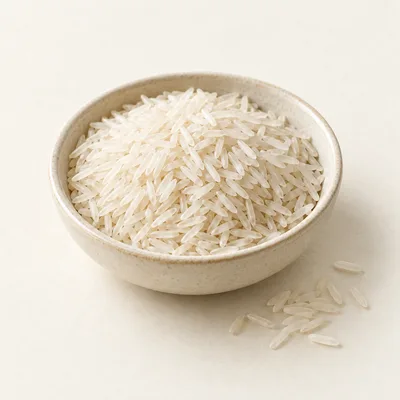 URBAN & FEAST GRAINRice
Bariis iskukaris and spiced meat or vegetable dishes
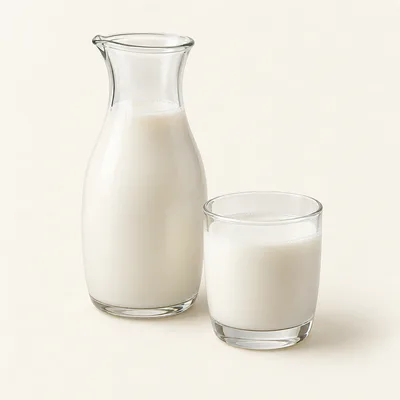 PASTORAL FOODCamel milk
Fresh or soured milk tied to mobile herding economies
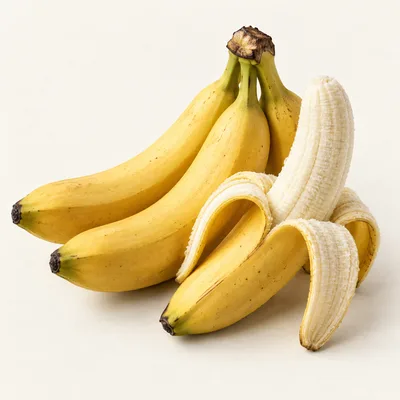 MEAL ACCOMPANIMENTBanana
Commonly served beside rice, pasta and savoury dishes
Canjeero belongs to a fermented-bread continuum. Flour or grain blends, fermentation time and household practice change its sourness and texture; it may accompany tea, liver, stew, sugar or ghee across the day. [7][10]
Banana beside pasta is not a novelty garnish. Bananas appear frequently in urban consumption data and at the table with rice or spaghetti, where diners combine bites according to preference. [7]
Tea shop, family platter and diaspora restaurant each preserve a different part of the repertoire.
Shared meals often organise grain around meat or stew. Rice or pasta may be served communally with spiced meat, vegetables, salad and banana, while breakfast and tea settings foreground canjeero, fried breads and sweet milky tea. [7][10]
Do not romanticise scarcity. FAO and national monitoring show drought, pasture loss, conflict, displacement and cereal prices affecting what people can obtain; this is present food-system context, not a culinary characteristic. [8][9]
Food-culture sources checked .
Rice, meat and stews
A common meal pattern described for Somalia pairs spiced goat, beef, lamb or sometimes chicken with basmati rice. Meat may be fried in ghee, grilled or broiled, and seasoning can include turmeric, coriander, cumin and curry. Ask whether potatoes, carrots, peas, green pepper, spinach or garlic are cooked into the same stew, and whether rice shares a pot, stock or serving utensil with the meat dish.
Breads and griddle cooking
Canjeero or laxoox is described as a large, spongy pancake, while muufo, sabaayad and malawah are separate bread examples with their own recorded flour or enrichment connections. Wheat flour is recorded for each named example, with butter or egg appearing in some malawah recipes. Ask what flour is in the batter or dough, what fat touches the cooking surface, and whether it is prepared beside other breads.
Filled and fried foods
Sambuusa is a triangular deep-fried pastry with meat or vegetable fillings, and the recorded example connects wheat flour to its wrapper. Ask about the filling, seasoning, oil and fryer rather than treating the name as a complete recipe. Cambuulo has a recorded connection with sesame oil as a finishing or cooking oil, so check whether that oil is added before serving or used elsewhere in the kitchen.
Fruit, sweets and regional variation
Fruit such as banana, dates, mango and guava may be eaten fresh or made into juice, while Qumbe is recorded with milk or a milk-based binder and Xalwo may include nuts or peanuts as an optional garnish. Somali cuisine also reflects regional and external influences, so ask which household or regional recipe is being served and what toppings were added.
Ingredients worth recognising
Start with these ingredients, then follow their names and recorded food connections. Check the recipe and product actually used.
Spaghetti
Spaghetti is a wheat-based pasta, with standard spaghetti made from durum wheat. If baasto is offered, ask whether the pasta is standard wheat spaghetti, what is in the sauce and stock, and whether the pasta water or colander is shared. Source:
Wheat flour
Wheat flour is recorded in canjeero, muufo, sabaayad, malawah, doolshe, kac-kac, buskud and sambuusa examples. Ask which flour is used, whether the dough contains butter, milk or egg, and whether the same work surface handles other doughs. Source:
Butter
Butter is a possible ingredient in buskud and some malawah preparations, and is a milk-derived ingredient. Ask whether butter is added to the dough, spread on the cooking surface or used as a finishing fat, and whether another oil is also present. Source:
Cow Milk
Cow milk or a milk-derived ingredient is recorded for doolshe and for Qumbe’s binding or enrichment. Ask whether fresh milk, powdered milk or another milk-based ingredient is used, and whether it is mixed into the full batch or added only to a topping. Source:
Egg
Egg is recorded in buskud and doolshe, and in some kac-kac and malawah doughs. Ask whether egg is in the dough, brushed over the surface or used in a filling, and whether the recipe has changed from the usual household version. Source:
Sesame Oil
Sesame oil is a recorded finishing or cooking oil for Cambuulo. Ask whether it is drizzled on the beans or other serving, used in the pan, or included in a seasoning mixture, and whether the same bottle or utensils are used for other dishes. Source:
How food labelling works
A current, country-specific allergen-labelling summary for Somalia has not yet been verified for this guide. Do not transfer the list of regulated allergens or restaurant disclosure rules from your home country to this one.
Read the complete ingredients on the actual package and keep any local-language sticker with the original label. For imported products, compare the information on that pack rather than a photograph of the brand sold elsewhere. Ask the manufacturer or seller to clarify an unfamiliar term.
For loose food or meals prepared to order, ask who can check the recipe and the labels on bought-in ingredients. Explain every food you avoid, including ingredients outside familiar allergy groups; a short symbol chart may not cover your list.
Language and communication
Somali and Arabic are Somalia’s two official languages. Prepare a short written explanation in Somali first, with an Arabic version alongside it, naming the ingredients that must be checked and asking for the complete recipe. State that dish names alone are not enough, and request confirmation of oils, sauces and shared equipment.
Somali is the main mother tongue, while Arabic is a secondary language for many people. For regional or household variation, show the note before ordering and ask the person preparing the food to confirm the answer. Use dish names only to identify the item, not as a complete allergy request.
Eating in different settings
Market or juice counter
For fresh mango, guava or other fruit juice, ask whether it is made to order, whether an instant powder or frozen product is used, and whether the blender, jug or scoop is shared with another drink. Confirm every added syrup, garnish or milk-based ingredient before accepting it.
Bread stall or bakery
When choosing canjeero, muufo, sabaayad, malawah, doolshe or buskud, ask for the exact flour and whether butter, milk or egg is in that batch. Ask whether the cooking surface, brush, tray or preparation bench is shared with other breads or filled pastries.
Restaurant or shared meal
For spiced meat with basmati rice, ask whether ghee, stock or sauce is used, which vegetables are cooked into the stew, and whether rice is prepared in the same pot. Ask separately about toppings, finishing oil and serving utensils rather than relying on the dish name.
Sambuusa or sweet-food counter
For sambuusa, ask about the pastry wrapper, filling, spice mixture and frying oil, including whether the oil is shared. For Qumbe or Xalwo, ask about milk-based binders, nuts and peanuts, and whether a garnish was added after preparation.
Before you travel
Review your personal plan
Discuss your travel plans with your clinician and keep your prescribed medicines and emergency instructions accessible. Tell companions where these are and how to follow your plan.
Check your medicines before entering Somalia
The legal status and regulation of some medicines prescribed or bought in the UK can differ in Somalia. Before travel, read TravelHealthPro guidance on travelling with the medicines being carried and check any relevant requirements with the appropriate authority.
Make the first meals easier to organise
Contact your accommodation and transport providers in advance. Save your written food list, menu questions and destination address offline. Check entry restrictions before packing backup food, and plan how you will check meals during arrival and onward journeys.
Plan access to medical help
Basic hospital facilities are available in Hargeisa, while elsewhere medical facilities are extremely limited and often at great distances. Check that travel insurance covers treatment, air-ambulance evacuation and repatriation, and ensure you have accessible funds for medical costs. FCDO information on medical providers may help identify available services.
Emergency resources
For a suspected severe allergic reaction, follow your prescribed emergency plan and seek urgent medical help. Give your exact location clearly.
Ambulance and urgent medical help
Call 999 and ask for an ambulance. If that number does not work, call the Somali Red Crescent on 445 for emergency services.
Explore next
Your allergy in Somalia
Choose a food concern for the country notes and questions relevant to it.
Dishes in Somalia
Follow the ingredients and cuisine connections in individual dish records.
Your own food list
Combine allergy groups and individual ingredients in one guide, with local names where recorded.
Allergy cards
Prepare the information you need to explain your food requirements.
FAQs, sources and review dates
Could a dish called canjeero be suitable because it is a pancake?
No assumption should be made from its shape or name. Wheat flour is recorded as commonly incorporated into canjeero batter. Ask which flour was used, whether the batter was made separately, and what surface, utensils and toppings were involved during cooking and serving.
What should I ask about Xalwo if peanuts are a concern?
The recorded example says some Xalwo preparations incorporate nuts and that peanuts may be an optional garnish or addition. Ask whether this batch contains peanuts or another nut, whether the garnish was added at serving, and whether the spoon, tray or preparation surface was shared.
Does rice with meat have one fixed recipe?
One possible preparation includes a choice of meat and cooking method, seasoning and basmati rice; vegetables may be incorporated into a stew. Ask about the exact meat, ghee, stock, spice mixture, vegetables and shared pot used for that serving.
Sources checked: . This researched draft is awaiting editorial review. Practical questions apply the sources below to local food settings; they do not confirm any individual meal's ingredients or preparation.
Sources & references (10)
- FCDO · Somalia health and medical assistance
Emergency contact details, local healthcare and medicine guidance. UK-specific eligibility does not apply to every visitor.
- Wikivoyage contributors · Somalia
Community-edited culinary context only; not an allergy or medical authority. Brief food-context adaptations, CC BY-SA 4.0: https://creativecommons.org/licenses/by-sa/4.0/. Recipe questions also use PlateSafe’s draft records.
- FARE · Dining out
General recipe and preparation questions, applied here to country-specific food examples.
- FARE · Travelling with food allergies
General preparation, written communication and access to prescribed medicines. Not country-specific import permission.
- PlateSafe · Somalia recorded food connections
Existing draft dish and ingredient records, used as examples to investigate. These are not independently verified recipes or suitability assessments.
- Unicode CLDR · Territory language data
Language suggestions. Regional language needs must be confirmed with the particular food provider.
- Somalia National Bureau of Statistics — Food Security Facts Sheet 2024
- FAO — Somalia country brief
- Somalia National Bureau of Statistics — Joint Monitoring Report
- Somalia National Bureau of Statistics — Statistical database