
BEFORE YOUR FIRST MEAL
Navigating food allergies in South Sudan
South Sudanese food commonly centres on maize, sorghum and millet, with kisra, porridge and pancakes alongside meat, fish, stuffed vegetables and legume-based dishes. Arab culinary influence is noted in the food material, but recipes can vary. For allergy-aware travel, ask about the complete recipe, cooking fat, stock, sauces, toppings and shared equipment rather than relying on a dish name.
What to know first
Grains appear in several forms
Kisra is a sorghum pancake, while wala-wala and aseeda are porridges; gurassa is a yeasted pancake. Ask which grain or flour was actually used.
Sauces and fillings can change the dish
Mahshi may combine stuffed vegetables, minced meat, rice, onions and tomato sauce. Ask separately about the filling, sauce, stock, garnish and cooking fat.
Explain the whole requirement
Use English or Arabic, including Juba Arabic where appropriate, and provide a written explanation. Ask the cook to confirm every ingredient and preparation step.
Check preparation, not just ingredients
Ask whether the same pan, oil, water, board or utensils were used for another dish, especially for fried mandazi, tamia or pan-fried meat.
Read the complete pack information
Read the complete ingredients and allergen information on the actual product. If you avoid a food that is not highlighted, ask the producer or food provider to check it specifically.
Understanding the food
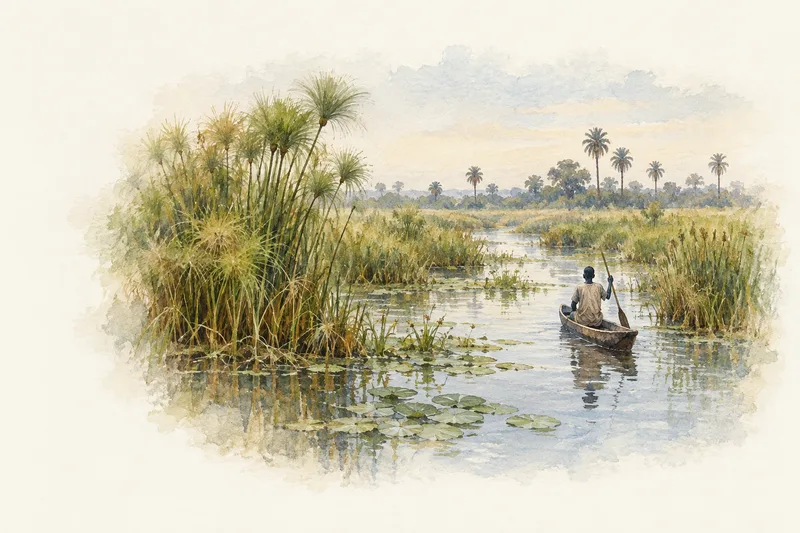
Sorghum, millet, maize, cassava, groundnut, sesame, okra, leafy greens, cattle products and Nile fish vary across more than sixty ethnic communities and sharply different livelihood zones. Conflict, displacement, flooding and market isolation affect the present food system; respectful coverage must distinguish cultural knowledge from the conditions that restrict access to it.
Livelihood zones explain more than one national plate.
| Region or setting | Livelihood context | Examples to understand |
|---|---|---|
| Nile & Sudd wetlands | Fishing, flood-recession crops, cattle and seasonal mobility | Fresh or dried fish, sorghum, milk, okra and greens |
| Western flood plains | Sorghum cultivation, cattle herding and seasonal wild foods | Sorghum kisra or porridge, milk, meat, sesame and groundnut |
| Greenbelt & Equatorias | Higher rainfall, cassava, maize, fruit and garden crops | Cassava, maize meal, beans, greens, groundnut and fruit |
| Juba & displacement-linked markets | National migration, imported grain and restaurant exchange | Kisra, rice, beans, grilled meat, fish and neighbouring cuisines |
Sorghum dominates many regions but not all. FAO assessment identifies it as the main traditional-sector crop across most states, while maize and cassava play larger roles in the Equatorias. [10][8]
Livestock carries social as well as nutritional value. Cattle, goats and sheep support milk, meat, exchange and cultural identity for millions, with herd movement shaped by water, pasture and community agreements. [7][9]
Grain porridge and flatbread absorb okra, groundnut, sesame and fish sauces.
Kisra, asida, porridges and fermented drinks
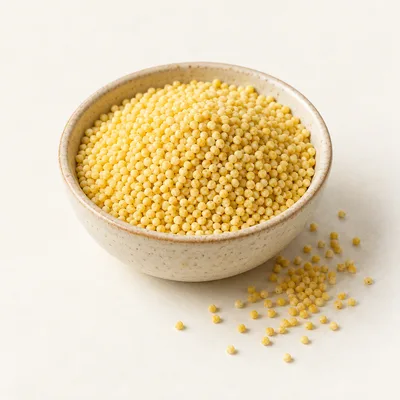 DRYLAND GRAINMillet
Porridge, flatbreads and regionally adapted cultivation
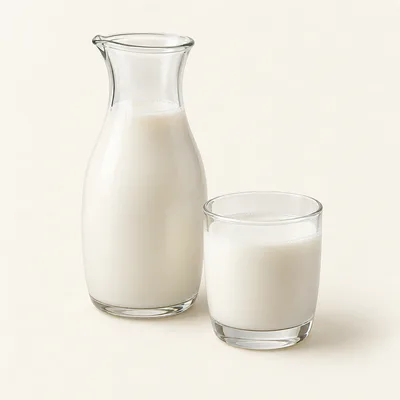 PASTORAL FOODMilk
Fresh or fermented within cattle-keeping communities
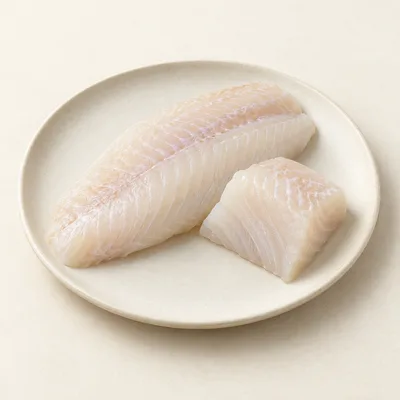 WETLAND PROTEINFish
Fresh, smoked or sun-dried along Nile and Sudd waters
Kisra and asida use grain differently. A fermented thin sorghum bread and a thicker grain porridge each provide a base for sauces, but names, fermentation and texture vary between communities and neighbouring traditions. [10][8]
Fish is a major but underdeveloped resource. Government planning identifies extensive freshwater catch potential, while preservation, cold chain and market access determine whether fish travels beyond producing communities. [9]
Food should be described with community and livelihood context, not as anonymous survival fare.
Juba is a meeting point rather than a national average. Restaurants and markets bring together displaced and migrant communities, neighbouring Sudanese and East African foods, and imported staples not equally available in rural areas. [7][8]
Crisis data is context, not culture. Conflict, floods and displacement explain disrupted harvests and food access; they should never replace documentation of farming, herding, fishing and cooking knowledge. [7][10]
Food-culture sources checked .
Grain bases and pancakes
Kisra is described as a sorghum pancake and a principal carbohydrate, with a fermented character and rougher texture. Gurassa is a yeasted pancake, while the recorded gurasa example uses wheat flour. Wala-wala is millet porridge and aseeda is sorghum porridge in the food description, although a recorded aseeda example uses wheat flour. Ask whether the batter is sorghum, millet or wheat, and whether flour, butter or another finishing ingredient was added.
Filled, stewed and sauced dishes
Mahshi is described as vegetables such as zucchini, tomatoes and bell peppers stuffed with minced meat, rice and onions, served in tomato sauce. Recorded versions of mullah use peanut-based sauce, and groundnut stew uses ground peanuts as its characteristic thickener. Ask whether the sauce was made separately, what stock was used, and whether a topping or paste was added after cooking.
Meat, fish and leafy preparations
Shaiyyah is pan-fried meat, so ask about the pan, oil, seasoning and any shared cooking surface. Kajaik is a fish stew, with dried fish a defining ingredient in the recorded example. Molokhia is described as leaves cooked in a meat-based soup. Confirm the exact protein, stock, dried or fresh fish, and whether the dish was finished with butter or another ingredient.
Fried foods, pulses and sweets
Mandazi is described as a deep-fried square doughnut, and tamia as falafel; ask what flour or binder was used and whether the oil was shared. Ful sudani is a peanut sweet, while ful medames may have tahini as an accompaniment. Basbousa examples use durum wheat semolina, with possible almond garnish, yoghurt and butter, so check each topping and batter component.
Ingredients worth recognising
Start with these ingredients, then follow their names and recorded food connections. Check the recipe and product actually used.
Dried Fish
Dried fish is fish preserved by drying and is recorded as the defining protein in Kajaik. Ask whether it was added to the stew, how it was prepared, and whether fish stock, flakes or a separate garnish was also used.
Olive
Some cured or processed olives may use sulphites, but this is not universal. If olives appear in a salad, sauce or garnish, ask how they were cured or processed and request the complete packaged or kitchen ingredient information.
Tahini
Tahini is sesame seed or directly derived from sesame. It is recorded as an occasional accompaniment or topping for ful medames. Ask whether the sauce is tahini-based, whether it was mixed into the dish, and whether another garnish was added.
Peanut
Peanut is the ingredient source itself and appears in ful sudani, groundnut stew and recognised versions of several sauced dishes. Ask about peanut, groundnut, peanut butter and peanut paste in the main dish, sauce, garnish and shared utensils.
Durum wheat semolina
Durum wheat semolina is wheat and is the principal cake base in recorded basbousa examples. Ask whether the dessert contains semolina, what flour is used in the batter, and whether it shares trays or serving utensils with other wheat-based foods.
Yogurt
Yoghurt is recorded as a common component of basbousa batter. Ask whether it is mixed into the cake, added as a topping or served separately, and confirm the full recipe rather than assuming that a plain-looking dessert has no dairy ingredient.
How food labelling works
A current, country-specific allergen-labelling summary for South Sudan has not yet been verified for this guide. Do not transfer the list of regulated allergens or restaurant disclosure rules from your home country to this one.
Read the complete ingredients on the actual package and keep any local-language sticker with the original label. For imported products, compare the information on that pack rather than a photograph of the brand sold elsewhere. Ask the manufacturer or seller to clarify an unfamiliar term.
For loose food or meals prepared to order, ask who can check the recipe and the labels on bought-in ingredients. Explain every food you avoid, including ingredients outside familiar allergy groups; a short symbol chart may not cover your list.
Language and communication
English and Arabic are official languages of South Sudan, with Juba Arabic used in the country; Dinka is also widely spoken. Prepare a written explanation in English and Arabic, and use Juba Arabic wording where that is the relevant form. A trusted speaker can help make the explanation precise.
Ask which language the person checking your food understands best, and arrange reliable local help where needed. Keep a written explanation of the individual foods you avoid and the preparation questions together. A familiar dish name or a brief answer does not confirm the ingredients in the particular meal being prepared.
Eating in different settings
Market or street-food counter
For mandazi or tamia, ask what flour or binder is used, which oil the food is fried in, and whether that oil or utensil is shared with other foods. For a filled or sauced item, ask about the complete filling, stock, paste and garnish.
Restaurant serving a shared meal
Before ordering kisra, shaiyyah, Kajaik or molokhia, ask the server to check the cook’s full recipe. Confirm the grain, protein, soup or stock, cooking fat, sauce and finishing ingredients, then ask whether the pan or serving utensils are shared.
Bakery or dessert seller
For gurassa, ask whether the bread uses wheat flour or another grain and whether butter was added. For basbousa, ask about durum wheat semolina, yoghurt, butter and almond garnish, including toppings added after baking and shared trays or tongs.
Packaged-food shop or accommodation
Read the complete ingredient list for peanut sweets, tahini products, dried fish, oils and packaged desserts. Ask the seller or host to identify every ingredient and preparation surface; for cooking, check stock, sauces, shared oil, water, pans and utensils.
Before you travel
Review your personal plan
Discuss your travel plans with your clinician and keep your prescribed medicines and emergency instructions accessible. Tell companions where these are and how to follow your plan.
Check your medicines before entering South Sudan
The legal status and regulation of medicines prescribed or bought in the UK can differ in South Sudan. Before travel, ask the relevant South Sudanese authority what medicine rules and documentation apply, and check TravelHealthPro guidance. Keep prescribed medicines unchanged unless your prescriber advises otherwise, and confirm what evidence you should carry.
Make the first meals easier to organise
Contact your accommodation and transport providers in advance. Save your written food list, menu questions and destination address offline. Check entry restrictions before packing backup food, and plan how you will check meals during arrival and onward journeys.
Plan access to medical help
Health facilities are described as extremely limited throughout South Sudan, and some medical issues may require evacuation to Nairobi or Kampala; rainy-season delays can affect flights. Check that insurance covers treatment abroad, evacuation and repatriation, and that you have accessible funds. Consult the FCDO list of medical providers and confirm current regional access before travel.
Emergency resources
For a suspected severe allergic reaction, follow your prescribed emergency plan and seek urgent medical help. Give your exact location clearly.
Ambulance and urgent medical help
There is no public medical emergency phone line. Limited private ambulance services require registration with a private clinic beforehand; arrange suitable local contacts before you need them.
Explore next
Your allergy in South Sudan
Choose a food concern for the country notes and questions relevant to it.
Dishes in South Sudan
Follow the ingredients and cuisine connections in individual dish records.
Your own food list
Combine allergy groups and individual ingredients in one guide, with local names where recorded.
Allergy cards
Prepare the information you need to explain your food requirements.
FAQs, sources and review dates
Could aseeda be wheat-based or sorghum-based?
The food description identifies aseeda as sorghum porridge, while a recorded preparation lists wheat flour as its typical base and butter as a common accompaniment. Ask which grain or flour was used in this serving, whether butter was added, and whether the porridge was cooked in shared equipment.
What should I ask about an ingredient outside common allergy groups, such as olives?
Ask whether olives are present, how they were cured or processed, and whether the dish contains a packaged olive product or dressing. Some processed olives may use sulphites, but this is not universal. Request the product information or full recipe rather than making assumptions from colour or garnish.
How should I check a peanut-based sauce?
Ask directly whether the dish contains peanut, groundnut, peanut butter or peanut paste, then check the sauce, stock, garnish and cooking utensils separately. This matters for groundnut stew and recorded versions of mullah, kawal, marara and salata aswad; names alone do not establish the recipe.
Sources checked: . This researched draft is awaiting editorial review. Practical questions apply the sources below to local food settings; they do not confirm any individual meal's ingredients or preparation.
Sources & references (10)
- FCDO · South Sudan health and medical assistance
Emergency contact details, local healthcare and medicine guidance. UK-specific eligibility does not apply to every visitor.
- Wikivoyage contributors · South Sudan
Community-edited culinary context only; not an allergy or medical authority. Brief food-context adaptations, CC BY-SA 4.0: https://creativecommons.org/licenses/by-sa/4.0/. Recipe questions also use PlateSafe’s draft records.
- FARE · Dining out
General recipe and preparation questions, applied here to country-specific food examples.
- FARE · Travelling with food allergies
General preparation, written communication and access to prescribed medicines. Not country-specific import permission.
- PlateSafe · South Sudan recorded food connections
Existing draft dish and ingredient records, used as examples to investigate. These are not independently verified recipes or suitability assessments.
- Unicode CLDR · Territory language data
Language suggestions. Regional language needs must be confirmed with the particular food provider.
- FAO — South Sudan country profile
- Republic of South Sudan — Agriculture policy and strategic framework
- Republic of South Sudan — Comprehensive Agriculture Master Plan
- FAO/WFP — Crop and food security assessment mission to South Sudan