
BEFORE YOUR FIRST MEAL
Navigating food allergies in Suriname
Suriname’s food reflects Indian, Javanese, Chinese and Creole traditions, with dishes changing between recipes and places. Roti, bami goreng, satay, soups, fried snacks and oven dishes can involve flour, egg, soy, peanut, fish, crustaceans or dairy in different ways. Treat a dish name as a starting point: confirm every sauce, stock, topping, garnish and cooking method before ordering.
What to know first
Culinary variety
Roti may be filled with chicken, potato and kouseband, while Javanese bami goreng uses wheat noodles; ask about the complete recipe rather than relying on cuisine labels.
Sauces and garnishes
Peanut sauce appears with bakabana, satay, pecel and other examples; soy sauce, egg, celery, peanuts or shrimp paste may be added separately or during cooking.
Communication
Explain the ingredient that must be avoided, ask staff to repeat the full recipe, and confirm whether stock, sauce, garnish and shared utensils are included.
Preparation
Ask whether food is fried in shared oil, cooked in shared water or handled with shared boards, pans or utensils, particularly for bara, bakabana, loempia and noodles.
Labels
Read the complete ingredients and allergen information on the actual product. If you avoid a food that is not highlighted, ask the producer or food provider to check it specifically.
Understanding the food
Rice, cassava, plantain, chicken, salted fish, vegetables, coconut and pepper move through Indigenous, Maroon, Creole, Hindostani, Javanese, Chinese, Jewish and newer Brazilian or Caribbean foodways. Paramaribo brings these repertoires close together, but “multicultural cuisine” should not erase the coercive histories or the communities that sustain each dish.
Capital, plantation coast and forest interior hold connected but distinct food systems.
| Place or community setting | Food history | Examples to understand |
|---|---|---|
| Paramaribo | Dense meeting of Creole, Hindostani, Javanese, Chinese, Jewish and migrant businesses | Roti, pom, saoto, moksi alesi, chow mein and street barbecue |
| Coastal plantation belt | Rice, vegetables, livestock and histories of slavery and indenture | Rice dishes, curries, pickles, salted fish and Javanese meals |
| Maroon river communities | African-descended autonomous societies, cassava gardens, fishing and forest knowledge | Cassava, plantain, rice, smoked fish, game and pepper sauces |
| Indigenous interior & borderlands | Amerindian cassava processing, river fish, forest foods and cross-border exchange | Cassava bread, cassiri, fish, game, fruit and hot pepper |
Many dishes carry specific migration histories. Hindostani roti, Javanese saoto and Chinese noodle dishes changed within Suriname, while Creole moksi alesi and heri heri carry histories of enslavement and adaptation. [7][8][9]
Indigenous food systems precede the colonial state. Cassava processing, fishing and forest knowledge belong to Indigenous communities whose cuisines should not be reduced to raw material for a national “fusion” story. [8][9][10]
Rice and cassava connect coast and interior through very different techniques.
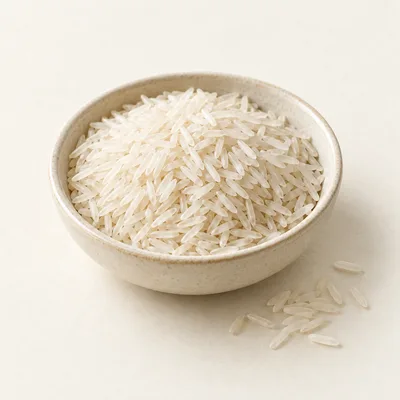 COASTAL STAPLERice
Moksi alesi, Javanese plates, curries and daily meals
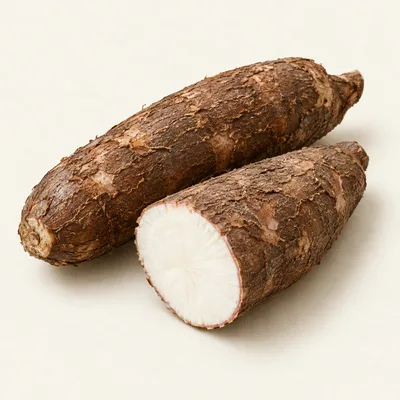 INDIGENOUS ROOT CROPCassava
Bread, boiled root, porridge and processed starch
Boiled or fried with salted fish, sauces and stews
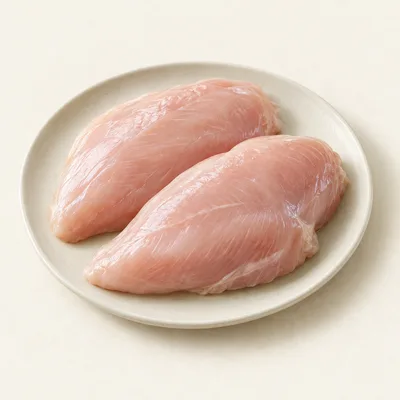 MARKET PROTEINChicken
Masala curry, Javanese preparations, barbecue and soup
Roti names bread and a complete eating format. Hindostani-Surinamese roti may enclose yellow pea or potato and is eaten with masala chicken or mutton, potato, yardlong bean, egg and hot pepper according to the vendor. [7]
Moksi alesi has no single fixed recipe. This mixed rice can incorporate salted meat or fish, legumes, vegetables and coconut in combinations shaped by household resources and Creole history. [7][9]
Paramaribo rewards eating by community tradition rather than searching for one national restaurant.
A short menu may represent deep specialisation. A roti shop, warung, Chinese barbecue counter or Creole lunch room repeats a community repertoire whose ingredients and service style differ from the next business. [7]
Name the people behind the celebrated diversity. Cultural plurality arose through Indigenous continuity, African enslavement, Asian indenture, trade and migration; respectful food tourism acknowledges those unequal histories. [8][9]
Food-culture sources checked .
Javanese-style noodles and rice
Bami is noodles and nasi is fried rice, commonly ordered in warungs, with spicy chicken or satay and peanut sauce. Bami goreng can be made with wheat noodles, egg and soy sauce, while nasi goreng may include egg and soy sauce. Ask whether the base, seasoning and toppings are cooked separately, and whether oil or utensils are shared.
Indian-influenced breads and fried foods
Surinamese roti is described as a pancake filled with chicken, potato and kouseband, and the recorded roti example uses wheat flour. Bara is a fried bean cake; some versions use wheat flour and egg. Bakabana is fried banana with a batter that conventionally uses wheat flour, often accompanied by peanut sauce. Confirm batter, frying oil, fillings and dipping sauces individually.
Creole soups and oven dishes
Cassava soup, pom, pastei, brownbeans or peanut soup and tom tom are Creole examples. Surinamese pastei can use wheat pastry, may include egg and butter, and sometimes contains celery, while soups may use celery in stock or as an aromatic. Ask what thickens the dish, which stock is used, and whether toppings or dumplings are added at serving.
Mixed plates and regional variation
Javanese food in Suriname is described as having developed into a distinct Surinamese style, with warungs noted in Lelydorp, Paramaribo and near the Commewijne bridge. Gado-gado, sayur lodeh, saoto and sate examples show variation in egg, tofu, tempeh, soy sauce, peanut, celery and shrimp paste. Ask which recipe is being served today and whether accompaniments are optional.
Ingredients worth recognising
Start with these ingredients, then follow their names and recorded food connections. Check the recipe and product actually used.
Wheat flour
Wheat flour forms the recorded base of Surinamese roti and the wrappers or coatings of loempia and risoles. It also appears in some bara, bojo and serabi versions. Check batter, pastry, crumbs and sauces, and distinguish wheat from gluten when explaining your concern.
Egg
Egg is a common addition or accompaniment in bami goreng, nasi goreng, saoto, bojo, bara, risoles and several cakes or wrappers. Ask whether it is in the batter, filling, garnish or noodle dish, and whether a separate pan or utensil is used.
Cow Milk
Cow milk or a milk-derived ingredient is recorded in bojo, fiadu, lapis legit, risoles and Surinamese egg rolls; butter is also relevant to some rich doughs and pastry. Ask about milk, butter, creamy fillings and the cooking fat used for the complete recipe.
Shrimp Paste
You may find shrimp paste as a seasoning variation in sambal goreng kentang, sambal goreng tempeh and sayur lodeh; it is based on shrimp. Ask whether it is mixed into the sauce, added to the pan or served separately, rather than judging from the dish name.
Peanut Sauce
Peanut sauce commonly accompanies bakabana and sate ayam or sate kambing, while it is central to pecel and pindasoep. Some formulations include sesame or sesame oil and many include soy sauce. Ask about the sauce recipe, garnish and any separate dipping bowl.
Celery
Celery is recorded as an aromatic or garnish in saoto, Surinamese chicken soup, meatball soup and some pastei, while it may also occur in broth or stock. Ask whether it is in the base, seasoning or final garnish, including when ordering soup or gravy.
How food labelling works
A current, country-specific allergen-labelling summary for Suriname has not yet been verified for this guide. Do not transfer the list of regulated allergens or restaurant disclosure rules from your home country to this one.
Read the complete ingredients on the actual package and keep any local-language sticker with the original label. For imported products, compare the information on that pack rather than a photograph of the brand sold elsewhere. Ask the manufacturer or seller to clarify an unfamiliar term.
For loose food or meals prepared to order, ask who can check the recipe and the labels on bought-in ingredients. Explain every food you avoid, including ingredients outside familiar allergy groups; a short symbol chart may not cover your list.
Language and communication
Dutch is the official language of Suriname. Prepare a written explanation in Dutch naming the ingredient to avoid and the need to check the complete recipe, including stock, sauces, toppings and shared cooking equipment. Show it before ordering and ask staff to confirm each part rather than accepting a dish name as an answer.
Sranan Tongo is widely used as a shared language between ethnic groups, while Sarnami, Javanese and Chinese languages are also spoken. Where relevant to the people serving you, ask for confirmation in the language they use. Dish and ingredient names help recognition, but are not a complete allergy request.
Eating in different settings
Warung or Javanese counter
For bami, nasi, satay, bakabana or saoto, ask whether noodles or rice contain egg or soy sauce, whether satay uses peanut sauce, and whether soup contains celery. Confirm if toppings are added from shared containers and whether frying oil is shared with other foods.
Roti or fried-snack shop
Ask what flour is in the roti, bara or bakabana dough, and whether fillings contain stock, egg or dairy. For fried items, ask what else is cooked in the oil, whether the banana or bean cake is battered on site, and which sauce is served.
Restaurant or shared meal
Before choosing gado-gado, sayur lodeh, sate, pastei or a soup, request the complete ingredient list and ask about peanut, soy, shrimp paste, celery, egg and wheat. Check whether sauces and garnishes are separate, and whether the same utensils or pans are used.
Market or packaged-food shop
For sweet soy sauce, peanut sauce, tamarind paste, raisins or wrappers, read the entire ingredient list and ask about compound seasonings. Check the exact product rather than assuming brands match, and ask whether an opened sauce or oil has been used with other foods.
Before you travel
Review your personal plan
Discuss your travel plans with your clinician and keep your prescribed medicines and emergency instructions accessible. Tell companions where these are and how to follow your plan.
Check your medicines before entering Suriname
The legal status and regulation of medicines prescribed or bought in the UK can differ in Suriname. Before travelling, read TravelHealthPro’s guidance on travelling with medicines and check the requirements for each medicine with the relevant Surinamese authority or your prescriber.
Make the first meals easier to organise
Contact your accommodation and transport providers in advance. Save your written food list, menu questions and destination address offline. Check entry restrictions before packing backup food, and plan how you will check meals during arrival and onward journeys.
Plan access to medical help
Medical facilities in Suriname are described as severely limited. Arrange adequate travel health insurance and accessible funds for treatment abroad and repatriation; some facilities may require payment in advance. Check the FCDO provider information and your insurer about eligible care, direct payment and reimbursement before travel.
Emergency resources
For a suspected severe allergic reaction, follow your prescribed emergency plan and seek urgent medical help. Give your exact location clearly.
Ambulance and urgent medical help
Call 113 or 115 and ask for an ambulance.
Explore next
Your allergy in Suriname
Choose a food concern for the country notes and questions relevant to it.
Dishes in Suriname
Follow the ingredients and cuisine connections in individual dish records.
Your own food list
Combine allergy groups and individual ingredients in one guide, with local names where recorded.
Allergy cards
Prepare the information you need to explain your food requirements.
FAQs, sources and review dates
Could a plain-looking bean or vegetable dish contain more than vegetables?
Yes. Gado-gado may include tofu, tempeh, boiled egg and peanut dressing; sayur lodeh may include tofu, tempeh or shrimp paste; pecel centres on peanut sauce. Ask about the vegetables, cooking liquid, dressing and toppings separately, including whether they are mixed before serving.
What should I ask about soy in Surinamese dishes?
Soy sauce is a typical seasoning in bami goreng and nasi goreng, and may season sate or chicken fillings. Tempeh and tofu are also recorded accompaniments or additions. Ask whether soy sauce is wheat-containing, whether tofu or tempeh is included, and whether any sauce is served separately.
What about tamarind paste, an ingredient outside common allergy groups?
Some commercial tamarind pastes use sulfite preservatives, so check the particular jar or packet rather than assuming the fruit paste is identical everywhere. Ask to see the complete label and check whether tamarind paste is in the sauce, marinade or seasoning of the dish.
Sources checked: . This researched draft is awaiting editorial review. Practical questions apply the sources below to local food settings; they do not confirm any individual meal's ingredients or preparation.
Sources & references (10)
- FCDO · Suriname health and medical assistance
Emergency contact details, local healthcare and medicine guidance. UK-specific eligibility does not apply to every visitor.
- Wikivoyage contributors · Suriname
Community-edited culinary context only; not an allergy or medical authority. Brief food-context adaptations, CC BY-SA 4.0: https://creativecommons.org/licenses/by-sa/4.0/. Recipe questions also use PlateSafe’s draft records.
- FARE · Dining out
General recipe and preparation questions, applied here to country-specific food examples.
- FARE · Travelling with food allergies
General preparation, written communication and access to prescribed medicines. Not country-specific import permission.
- PlateSafe · Suriname recorded food connections
Existing draft dish and ingredient records, used as examples to investigate. These are not independently verified recipes or suitability assessments.
- Unicode CLDR · Territory language data
Language suggestions. Regional language needs must be confirmed with the particular food provider.
- Suriname Tourism — Culinary tourism
- Government of Suriname — About Suriname
- Government of Suriname — Heritage Month
- FAO — Suriname country profile