
BEFORE YOUR FIRST MEAL
Navigating food allergies in Switzerland
Switzerland’s food can shift noticeably between German-, French-, Italian- and Romansh-speaking areas. Cheese dishes, rösti, enriched breads, pastries, cured meats, freshwater fish and creamy sauces all occur, but names alone cannot establish a recipe. Ask about every component, including cooking fats, stock, wine, toppings, fillings and shared utensils, and check packaged food in full.
What to know first
Cheese dishes are composed meals
Fondue combines cheese with white wine, garlic and kirsch in the recorded example; raclette is served with boiled potatoes and pickled vegetables. Ask about every accompaniment.
Regional names can conceal different formats
Rösti may include Emmentaler, egg, wheat flour or butter depending on the recorded version, while Zürcher Geschnetzeltes centres on a cream sauce. Confirm the actual recipe.
Explain the whole concern before ordering
Give a written explanation naming the ingredient or ingredients to avoid, then ask staff to confirm the complete dish, sauce, stock, garnish and preparation separately.
Check shared preparation as well as ingredients
Ask whether bread, cheese, potatoes or other items share oil, water, pans, forks, boards or serving utensils, particularly around fondue, raclette, rösti and bakery foods.
Read complete Swiss ingredient lists
Swiss packaged-food guidance says specified allergens must stand out in ingredient lists, including gluten cereals, eggs, fish, milk, nuts, soy, sesame and sulphites above the threshold.
Understanding the food
Cheese, potato, bread, cured meat, freshwater fish, maize, chestnut, grape and chocolate form different constellations across German-, French-, Italian- and Romansh-speaking Switzerland. Fondue and raclette are powerful symbols, but Ticinese polenta, Graubünden dried meat, Zürich veal and Romandy lake fish show why “Swiss cuisine” is a regional collection.
Language boundary is a useful outline, then canton and valley add more detail.
| Region | Food landscape | Examples to understand |
|---|---|---|
| German-speaking plateau & east | Dairy, arable farms, orchards and urban guild traditions | Rösti, Zürich Geschnetzeltes, sausages, spätzli and apple foods |
| Romandy & Jura | French-speaking lake country, vineyards, cattle and alpine valleys | Fondue, lake fish, papet vaudois, absinthe and watchmaker-region foods |
| Ticino | Italian-speaking valleys, chestnut, maize, grape and Mediterranean influence | Polenta, risotto, chestnut, salumi and merlot |
| Graubünden & Romansh valleys | High alpine pasture, rye, buckwheat and preservation | Bündnerfleisch, capuns, barley soup, pizzoccheri and nut tart |
Official tourism treats language regions as rough culinary boundaries. Neighbouring German, French and northern Italian influences are transformed through local ingredients, cantonal identity and alpine conditions rather than simply copied. [8][9]
Valley isolation creates additional specificity. Cheese, cured meat, bread and wine can differ over short distances because pasture, altitude, language and historical market access changed production. [10][11]
Dairy and storage crops anchor mountain food, while vineyard and chocolate industries tell other stories.
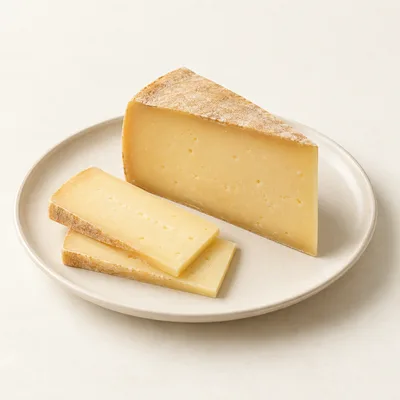 ALPINE DAIRYCheese
Fondue, raclette, gratins and hundreds of regional forms
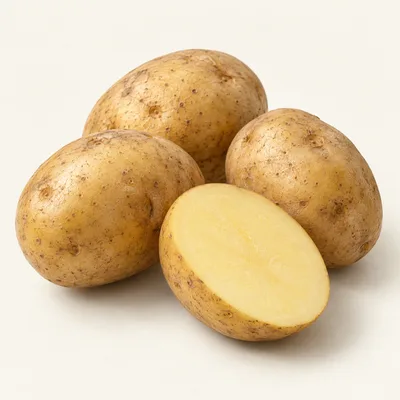 STORAGE CROPPotato
Rösti, raclette accompaniments, soups and gratins
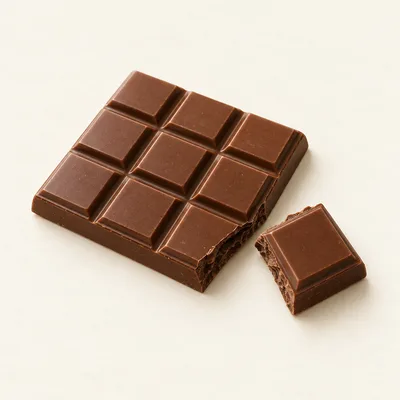 INDUSTRIAL & CRAFT PRODUCTChocolate
Milk-chocolate history, confectionery and contemporary makers
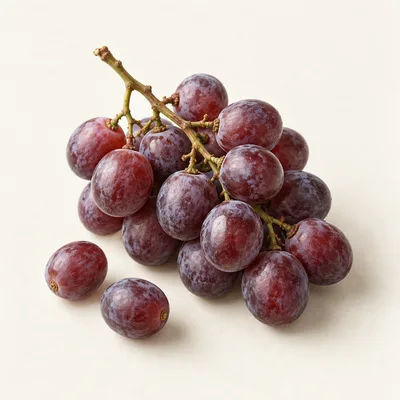 VINEYARD FRUITGrape
Distinct lake, river-valley and alpine wine regions
Fondue and raclette are not interchangeable melted-cheese dishes. Fondue emulsifies regional cheese with wine in a shared pot for bread, while raclette melts a wheel face and scrapes it over potatoes and pickles. [8]
Chocolate is nationally visible but agriculturally global. Swiss manufacturing and milk-chocolate innovation rely on imported cacao and sugar, so origin and supply chain belong beside the story of local craft. [9][11]
Mountain hut, guild house, grotto and urban café each express a different Switzerland.
Ask for the canton, not just “Swiss.” The protected or traditional name of a cheese, meat, bread or wine often locates the producer more accurately than a national flag on the menu. [8][10]
Meal times can be relatively defined. Official guidance notes lunch commonly around noon to 2 pm and dinner from early evening, while cities offer more continuous service than rural or alpine venues. [9]
Food-culture sources checked .
Cheese, potatoes and the table
Fondue is recorded as melted cheese with white wine, garlic and kirsch, eaten by dipping bread with long forks; the blend may use two or three cheeses. Raclette involves heating a large cheese and scraping it over boiled potatoes and pickled vegetables. Ask whether the pot, forks and side dishes are shared, and whether the bread or pickles have added ingredients.
Potato, pasta and grain dishes
Rösti is a grated-potato dish that may include Emmentaler; some versions also contain egg, wheat flour or butter. Älplermagronen combines dried wheat pasta with cream, cheese and commonly butter, sometimes using egg-containing pasta, and is served with apple compote. Confirm binders, pasta type and finishing ingredients.
Sauces, pastry and meat
Zürcher Geschnetzeltes is sliced veal in a mushroom sauce, with cream recorded as the defining dairy base. Luzerner Kugelpasteten has meat-and-egg balls in puff-pastry baskets with a meat, mushroom and raisin ragout. Ask about pastry, stock, wine, cream, egg, mushrooms, dried fruit and whether the sauce is made separately.
Canton and season can change the plate
Graubünden food includes capuns, pizokel, barley soup and Bündner Nusstorte; Ticino food centres on polenta, risotto and chestnuts. Game dishes may come with egg noodles, red cabbage, sprouts, pears and cranberry jam. Treat these as possible versions, not fixed regional formulas, and verify each component where served.
Ingredients worth recognising
Start with these ingredients, then follow their names and recorded food connections. Check the recipe and product actually used.
Wheat flour
Wheat flour forms the base of Swiss examples including Basler Läckerli, Birnbrot, capuns and Vully cream tart. Ask whether it is in pastry, filling, thickening or dusting, and whether any alternative flour is genuinely used.
Bread
Bread may be wheat-based, enriched with milk or egg, or contain rye, soy or sesame according to the recorded formulations. Check the loaf, crumbs, toppings and spreads, and ask whether bakery tools or boards are shared.
Egg
Egg is a core or binding ingredient in anisbrötli, meringues, capuns, pizokel and many pastries. Ask whether it is in the dough, filling, wash, pasta, meringue or garnish, rather than relying on the dish name.
Celery
Celery is recorded as an ingredient itself and may occur in some beef-broth vegetable bases; it is also typical in the braising base for Brasato al Merlot. Ask about stock, mirepoix or aromatic vegetables in sauces.
Cream
Cream is central to Zürcher Geschnetzeltes and appears in raclette-related and dessert examples such as vermicelles and meringues with Gruyère double cream. Confirm whether it is in the sauce, filling, topping or served separately.
Hazelnut
Hazelnuts are recorded in Basler Läckerli mixtures and in the filling of Landsgmendchrempfli. Ask about nut fillings, decoration, praline-style mixtures and shared equipment, even when the main pastry description names another ingredient.
How food labelling works
Swiss packaged-food guidance requires specified allergenic ingredients to stand out in the ingredient list. The categories include gluten-containing cereals, crustaceans, eggs, fish, peanuts, soy, milk, named nuts, celery, mustard, sesame, sulphites above the threshold, lupin and molluscs.
The FSVO also describes declaration requirements when unintended allergen presence may reach specified limits. Do not assume that precautionary wording follows exactly the same approach as in your home country. Read the full ingredients, including the source of derivatives.
For a restaurant meal or food served loose, ask for the relevant ingredient information and discuss handling separately. Include individual ingredients outside the highlighted categories in your written food list.
Language and communication
German is the most useful national language for many journeys, while Swiss German dialects vary in informal speech; Standard German is used in writing and commerce. Prepare a written explanation in German and ask staff to confirm the complete recipe, not just the dish name.
French is important in western Switzerland, Italian in Ticino and parts of Graubünden, and Romansh has official status in Graubünden. Prepare the explanation in the relevant national language for the region, allowing for local terminology and asking staff to confirm ingredients and handling.
Eating in different settings
Cheese counter or market stall
For raclette cheese, Gruyère or other cheeses, ask about the milk source and any added seasoning, coating or flavoured preparation. If buying accompaniments, check pickles, bread, potatoes and shared serving tools separately rather than assuming the plain item is complete.
Bakery or pastry shop
Ask whether the named pastry contains wheat, egg, butter, cream, almonds, walnuts or hazelnuts, and whether fillings, glazes and toppings are made on site. For Läckerli, Birnbrot, Biber or a tart, ask about shared trays, cutters and preparation surfaces.
Restaurant serving a shared pot
Before ordering fondue, ask which cheeses, wine, kirsch, garlic and thickening ingredients are used, whether bread is the only dipping item, and whether the pot and forks are shared. For raclette, ask about the heating surface and every side dish.
Supermarket or railway-station shop
Read the complete ingredient list on bread, chocolate, dried fruit, broth and packaged meals. Check highlighted specified allergens and which derivatives are used, then ask about precautionary wording; do not treat a product name, premium line or dietary label as confirmation.
Before you travel
Review your personal plan
Discuss your travel plans with your clinician and keep your prescribed medicines and emergency instructions accessible. Tell companions where these are and how to follow your plan.
Check your medicines before entering Switzerland
Check TravelHealthPro guidance because medicines prescribed or bought in the UK may have different legal status or regulation in Switzerland. Before travel, ask the relevant Swiss authority about medicine and documentation requirements.
Make the first meals easier to organise
Contact your accommodation and transport providers in advance. Save your written food list, menu questions and destination address offline. Check entry restrictions before packing backup food, and plan how you will check meals during arrival and onward journeys.
Plan access to medical help
For medically necessary state healthcare in Switzerland, UK visitors need a GHIC or EHIC. NHS guidance covers eligibility, temporary cover and what counts as necessary. These cards do not replace travel insurance; check cover for private, non-urgent or additional costs with your insurer.
Emergency resources
For a suspected severe allergic reaction, follow your prescribed emergency plan and seek urgent medical help. Give your exact location clearly.
Ambulance and urgent medical help
Dial 112 or 144 and ask for an ambulance.
Explore next
Your allergy in Switzerland
Choose a food concern for the country notes and questions relevant to it.
Dishes in Switzerland
Follow the ingredients and cuisine connections in individual dish records.
Your own food list
Combine allergy groups and individual ingredients in one guide, with local names where recorded.
Allergy cards
Prepare the information you need to explain your food requirements.
FAQs, sources and review dates
Could rösti be suitable if it is described as potato?
Not necessarily. Some versions include egg, wheat flour and butter, while Emmentaler is usually added. Ask what binds and fries this portion, which fat is used, and whether cheese is mixed through or added on top.
What should I ask about a Swiss chocolate or dessert?
Ask for the full recipe and ingredient list, including milk, soy lecithin, almonds, other nuts, egg, cream and shared equipment. Dark chocolate can still contain milk ingredients, soy-derived emulsifiers or tree nuts in the recorded ingredient example, so colour or cocoa percentage is not enough.
Does dried fruit need a separate check?
Yes. Dried pears, prunes and raisins may be treated with sulphites, especially in some commercial formulations; candied citrus peel and fruit preserves may also use them. Check the exact product, preservation treatment and complete label rather than assuming all dried fruit is alike.
Sources checked: . This researched draft is awaiting editorial review. Practical questions apply the sources below to local food settings; they do not confirm any individual meal's ingredients or preparation.
Sources & references (11)
- FCDO · Switzerland health and medical assistance
Emergency contact details, local healthcare and medicine guidance. UK-specific eligibility does not apply to every visitor.
- Wikivoyage contributors · Switzerland
Community-edited culinary context only; not an allergy or medical authority. Brief food-context adaptations, CC BY-SA 4.0: https://creativecommons.org/licenses/by-sa/4.0/. Recipe questions also use PlateSafe’s draft records.
- FARE · Dining out
General recipe and preparation questions, applied here to country-specific food examples.
- FARE · Travelling with food allergies
General preparation, written communication and access to prescribed medicines. Not country-specific import permission.
- PlateSafe · Switzerland recorded food connections
Existing draft dish and ingredient records, used as examples to investigate. These are not independently verified recipes or suitability assessments.
- Unicode CLDR · Territory language data
Language suggestions. Regional language needs must be confirmed with the particular food provider.
- Swiss FSVO · Information on food labels
Scoped allergen-labelling summary. Does not establish an individual meal’s ingredients or preparation.
- Switzerland Tourism — This is Swiss cuisine
- Switzerland Tourism — Food and drink
- Switzerland Tourism — Regions
- FAO — Switzerland country profile