
BEFORE YOUR FIRST MEAL
Navigating food allergies in Syria
Syrian food varies by recipe and preparation, so a familiar name may conceal wheat, sesame, dairy, egg, nuts or a stock-based ingredient. Falafel, foul, fattoush, kibbeh, pastries and desserts each need a complete recipe check. Ask how the dish, sauce, garnish and cooking medium are made, especially where bread, tahini, yoghurt, cheese or shared frying equipment is involved.
What to know first
Pulses and fried foods
Falafel is a deep-fried chickpea patty, while foul is fava-bean paste served with cumin, paprika, olive oil, flatbread, mint and onion; check accompaniments separately.
Bread runs through the menu
Fattoush is finished with fried bread, and many kibbeh, manakish, sfiha, pastry and dessert examples use wheat. Ask whether bread, crumbs or wheat dough is included.
Explain the whole plate
Describe the ingredient or reaction concern and ask about the complete recipe, sauce, stock, toppings, shared utensils, frying oil and cooking water rather than relying on a dish name.
Preparation can change the answer
Check whether a recipe is made to order, whether a topping is added afterwards, and whether frying oil, pans, boards or serving tools are shared with breaded or sauced foods.
Read the full label
Read the complete ingredients and allergen information on the actual product. If you avoid a food that is not highlighted, ask the producer or food provider to check it specifically.
Understanding the food
Wheat, olive oil, chickpea, lentil, aubergine, yoghurt, lamb, pistachio, fruit and aromatic spice move through Aleppine, Damascene, coastal, Jazira, Houran and Euphrates traditions. These foodways overlap with the wider Levant yet retain local dishes, dialect names and seasonal practices; displacement has carried them into diaspora without making war their defining ingredient.
City, coast, grain plain and steppe sustain different repertoires.
| Region or setting | Food landscape | Examples to understand |
|---|---|---|
| Aleppo & the north | Trading-city craft, wheat, pistachio, pepper and layered urban cuisine | Many kibbeh forms, muhammara, kebab, stuffed vegetables and sweets |
| Damascus, Ghouta & Houran | Orchards, irrigated vegetables, grain and capital-city markets | Fatteh, shish barak, stuffed vine leaves, apricot and Damascene sweets |
| Mediterranean coast & mountains | Olives, citrus, herbs, fish and diverse rural communities | Olive-oil dishes, fish, freekeh, greens and preserves |
| Jazira, Euphrates & steppe | Wheat, lentils, sheep, pastoral routes and Kurdish, Arab, Assyrian and other communities | Bulgur, flatbread, yoghurt, lamb, pulses and dried foods |
Aleppo and Damascus are culinary centres, not substitutes for the country. Their restaurant and confectionery traditions are highly visible, while village, coastal, Kurdish, Assyrian, Armenian, Druze, Bedouin and other repertoires require their own attribution. [10][8]
Agriculture remains the material base. Rain-fed wheat and barley, irrigated vegetables, olives, fruit trees, sheep and goats underpin foods whose availability has been damaged by drought, conflict and displacement. [7]
Grain, oil, pulse and nut move from everyday sustenance to meticulous celebration.
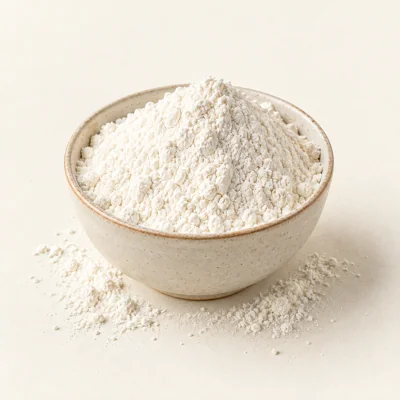 BREAD & BULGUR GRAINWheat
Flatbreads, bulgur, freekeh, kibbeh shells and pastries
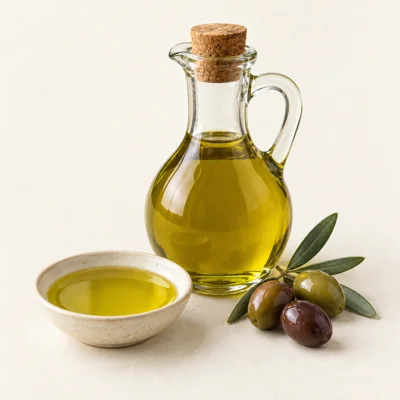 MEDITERRANEAN FATOlive oil
Vegetable dishes, salads, preserves and breakfast tables
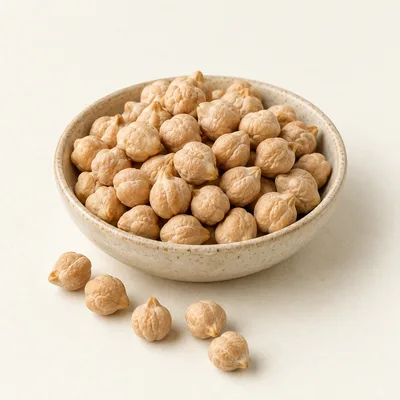 PULSEChickpea
Hummus, fatteh, stews and roasted snacks
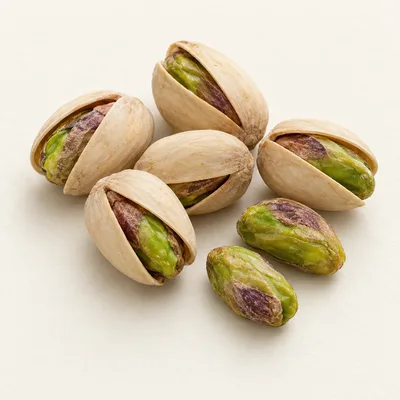 ALEPPINE CROPPistachio
Baklava, ma’amoul, confectionery and savoury garnishes
Kibbeh names a technique family. Bulgur and meat can be pounded, layered, shaped, fried, baked or served raw, with local forms changing shell, filling, fat and seasoning. [10]
Mezze is an arrangement, not a cuisine label. Small dishes of vegetables, pulses, yoghurt, pickles, bread and grilled foods build a social meal, while the exact selection reflects venue, region, season and budget. [10][8]
Bakery, sweet shop, grill and home kitchen protect different specialist knowledge.
Diaspora kitchens are part of living Syrian food. Displaced cooks adapt to new crops, regulations and customers while maintaining family and regional technique; adaptation should not be mistaken for loss of authenticity. [9][8]
Crisis should be context, not spectacle. Discussing damaged farms, drought and displacement is necessary for understanding supply, but the overview must still centre growers, bakers, cooks and the food knowledge they preserve. [7][9]
Food-culture sources checked .
Fried and dressed foods
Falafel is described as a deep-fried chickpea patty and may be served with tahini or another sesame-based sauce; some recipe examples also use egg or wheat accompaniments. Fattoush combines chopped tomatoes, onions, cucumbers and herbs with dressing and fried bread. Ask whether the bread is mixed through, whether cheese is added, and what oil, dressing and utensils are used.
Wheat, bulgur and flatbreads
Possible Syrian wheat preparations include flatbread, pastry, semolina, bulgur, freekeh and shredded dough. Kibbeh may use bulgur in shells, layers or discs; manakish, lahm bi ajin and sfiha use wheat-based dough. A version of freekeh with chicken uses roasted green-wheat grain. Confirm the grain or dough in the particular recipe, rather than treating similarly named dishes as interchangeable.
Sauces, dairy and filled dishes
Yoghurt-based sauces occur with dishes such as shish barak, kibbeh bil-laban, kibbeh labaniyeh and kousa bi laban. Fatteh examples layer toasted pita with yoghurt, tahini and sometimes nuts, while hummus and baba ghanoush commonly involve tahini. Ask whether the sauce is made separately, which bread is layered in, and whether cheese or garnishes are added at service.
Sweets and regional examples
Baklava, knafeh and Damascus-style ice cream are familiar Syrian sweets. Possible versions include Aleppine baklava, balorieh, ma'amoul, namoura, halawet el jibn and mamounieh, with variations involving wheat pastry or semolina, butter, milk, cheese, egg and pistachio. Ask about the exact filling, syrup, garnish and shared display or serving equipment.
Ingredients worth recognising
Start with these ingredients, then follow their names and recorded food connections. Check the recipe and product actually used.
Tahini
Tahini is sesame seed paste and appears as a core ingredient in hummus and baba ghanoush, and as a sauce or topping for falafel and foul. Ask whether it is in the dish, served separately or included in a dressing.
Bulgur
Bulgur is processed whole wheat and is recorded in kibbeh and tabbouleh examples; mujaddara may use it instead of, or alongside, rice. Ask which grain is used and whether wheat bulgur shares preparation equipment with other grains.
Yogurt
Yoghurt is the defining sauce component in several kibbeh dishes, shish barak and kousa bi laban, and occurs in fatteh. Ask whether the sauce contains yoghurt, cream or another dairy ingredient, and whether it is added before serving.
Pistachio
Pistachio is recorded in Aleppine baklava, balorieh, halawet el jibn, ma'amoul and mamounieh, often as a filling or garnish. Ask about toppings on display sweets and whether pistachio is mixed through, sprinkled on top or handled with shared utensils.
Olive
Olive oil is described with foul, while olives are separately recorded as a basic ingredient; some cured or processed olives may use sulphites, but this is not universal. Ask how olives were processed and what oil is used in the finished dish.
Chicken stock
Chicken stock may contain celery as an aromatic, according to the recorded ingredient note. It can matter in dishes such as freekeh with chicken or rice-based preparations. Ask whether stock, bouillon or cooking liquid was used, and request the complete recipe details.
How food labelling works
A current, country-specific allergen-labelling summary for Syria has not yet been verified for this guide. Do not transfer the list of regulated allergens or restaurant disclosure rules from your home country to this one.
Read the complete ingredients on the actual package and keep any local-language sticker with the original label. For imported products, compare the information on that pack rather than a photograph of the brand sold elsewhere. Ask the manufacturer or seller to clarify an unfamiliar term.
For loose food or meals prepared to order, ask who can check the recipe and the labels on bought-in ingredients. Explain every food you avoid, including ingredients outside familiar allergy groups; a short symbol chart may not cover your list.
Language and communication
Arabic is Syria’s official language, and Levantine Arabic is also used. Prepare a written explanation in Arabic first, naming the ingredients and preparation concerns clearly. Ask the person taking the order to confirm the complete recipe, sauce, garnish, cooking oil and utensils, not merely repeat the dish name.
Regional speech and communication can vary, and Kurdish, Armenian and Aramaic are also heard in some areas. Use Arabic wording where possible, and ask for confirmation from the person preparing or serving the food. Names of dishes and ingredients are recognition aids, not a complete allergy request.
Eating in different settings
Falafel or takeaway counter
Ask whether the falafel mixture contains egg or wheat, whether tahini is in the sauce, and whether the patties share oil with breaded foods. Confirm whether salad, pickles and bread are prepared or served with the same utensils.
Bakery or dessert shop
For baklava, ma'amoul, namoura, knafeh or mamounieh, ask about wheat pastry or semolina, butter, milk, cheese, egg and pistachio toppings. Check display tongs, trays and cutting surfaces, and whether the recipe is filled or garnished after baking.
Restaurant or shared meal
Ask for each component of a plate separately: sauce, stock, grain, bread, garnish and cooking oil. For fatteh, kibbeh or shish barak, confirm yoghurt, tahini, wheat bread or bulgur, and ask whether toppings are added at the table.
Packaged-food shop
Read the full ingredient list on breads, spice blends, tahini, stocks, sweets and preserved foods. Check for wheat, sesame, milk, egg, nuts and celery where relevant, and ask how an unclear ingredient or shared preparation statement is defined.
Before you travel
Review your personal plan
Discuss your travel plans with your clinician and keep your prescribed medicines and emergency instructions accessible. Tell companions where these are and how to follow your plan.
Check your medicines before entering Syria
Medicine regulations in Syria may differ from those in the UK. Before travelling, check TravelHealthPro guidance on carrying medicines and how the medicine is regulated in Syria.
Make the first meals easier to organise
Contact your accommodation and transport providers in advance. Save your written food list, menu questions and destination address offline. Check entry restrictions before packing backup food, and plan how you will check meals during arrival and onward journeys.
Plan access to medical help
Healthcare in Syria has been severely affected by conflict, with damaged or non-operating facilities and shortages of basic medicines and supplies. Before travel, check what care is available in your destination and what your insurer covers, including regional limitations. Do not assume medicines or facilities will be available.
Emergency resources
For a suspected severe allergic reaction, follow your prescribed emergency plan and seek urgent medical help. Give your exact location clearly.
Ambulance and urgent medical help
Emergency services in Syria have been severely impacted due to the 14-year conflict and could be unresponsive.
Explore next
Your allergy in Syria
Choose a food concern for the country notes and questions relevant to it.
Dishes in Syria
Follow the ingredients and cuisine connections in individual dish records.
Your own food list
Combine allergy groups and individual ingredients in one guide, with local names where recorded.
Allergy cards
Prepare the information you need to explain your food requirements.
FAQs, sources and review dates
Could foul be ordered without its usual bread?
Foul may be served with flatbread, mint and onion, and some versions use tahini as an occasional topping. Ask for the bean paste recipe, whether tahini or stock is used, and whether bread is served on the same plate or added separately.
Is za'atar automatically free from wheat or sesame?
No conclusion follows from the name. The recorded za'atar example commonly includes sesame, and some commercial blends include wheat or toasted wheat. Ask to see the blend’s full ingredients and confirm whether it is sprinkled on bread, mixed into oil or used in another dish.
What should I ask about Syrian rice or grain dishes?
Ask whether the dish uses rice, bulgur, freekeh or wheat-based pastry, and whether butter, egg, stock or a nut garnish is included. For ouzi, the covering may be filo pastry, while freekeh with chicken uses roasted green-wheat grain; confirm the exact version served.
Sources checked: . This researched draft is awaiting editorial review. Practical questions apply the sources below to local food settings; they do not confirm any individual meal's ingredients or preparation.
Sources & references (10)
- FCDO · Syria health and medical assistance
Emergency contact details, local healthcare and medicine guidance. UK-specific eligibility does not apply to every visitor.
- Wikivoyage contributors · Syria
Community-edited culinary context only; not an allergy or medical authority. Brief food-context adaptations, CC BY-SA 4.0: https://creativecommons.org/licenses/by-sa/4.0/. Recipe questions also use PlateSafe’s draft records.
- FARE · Dining out
General recipe and preparation questions, applied here to country-specific food examples.
- FARE · Travelling with food allergies
General preparation, written communication and access to prescribed medicines. Not country-specific import permission.
- PlateSafe · Syria recorded food connections
Existing draft dish and ingredient records, used as examples to investigate. These are not independently verified recipes or suitability assessments.
- Unicode CLDR · Territory language data
Language suggestions. Regional language needs must be confirmed with the particular food provider.
- FAO — Syrian Arab Republic country office
- UNESCO — Syrian Arab Republic
- UNESCO Intangible Cultural Heritage — Syrian Arab Republic
- UNESCO/EUROMED Heritage — Mediterranean culinary traditions