
BEFORE YOUR FIRST MEAL
Navigating food allergies in Togo
In Togo, akume made from corn flour and fufu made from pounded white yam may arrive with separate sauces, including smoked-fish, spicy-tomato or peanut versions. Plantains appear grilled, cooked, mashed or fried, while roadside fruit is seasonal. For allergy planning, identify the complete sauce and cooking method rather than relying on the name of the staple or dish.
What to know first
Staples are not the whole meal
Akume and fufu are served with different sauces. Ask about every accompaniment, including smoked fish, tomato, peanut paste, stock, toppings and any finishing seasoning.
Plantain changes with preparation
Grilled, cooked, mashed and fried plantain are recorded forms. Confirm the exact method, shared oil and shared utensils instead of assuming the fruit is prepared alone.
Use a written explanation
French is Togo’s national language and lingua franca. Prepare a clear written explanation of the ingredient and cross-contact concerns, then ask for confirmation of the complete recipe.
Check the cooking setup
At roadside stands, markets and restaurants, ask whether oil, water, pans, knives or serving utensils are shared with fish, peanut, wheat or milk-containing foods.
Read complete ingredient lists
For packaged foods, read the full ingredient list each time. Do not infer suitability from a product name, a dietary description or the apparent simplicity of a staple.
Understanding the food
Maize, cassava, yam, rice, millet, sorghum, beans, groundnut, palm oil, fish and leafy sauces vary across Ewe, Mina, Kabye, Tem, Moba and many other communities. Lomé’s grills and maquis are visible to visitors, but fermented maize foods, yam cycles and northern grain traditions require a wider national map.
Rainfall gradient and community practice change the staple from south to north.
| Region or setting | Food landscape | Examples to understand |
|---|---|---|
| Lomé & Maritime Region | Coastal fishing, maize, cassava and dense urban trade | Akume, kom, fried fish, pepper sauce, beans and grilled meat |
| Plateaux | Cocoa-coffee zones, plantain, cassava and humid farming | Fufu, palm-based sauces, leafy stews, fruit and smoked fish |
| Central & Kara regions | Yam, maize, sorghum and Kabye or Tem farming traditions | Pounded yam, grain porridges, beans, meat and vegetable sauces |
| Savanes | Millet, sorghum, livestock and cross-border Sahel exchange | Tô, millet foods, groundnut sauces, dried fish and fermented drinks |
The south has two rainy seasons; the north has one. That climatic difference changes maize calendars, grain choices and the balance between roots, cereals and livestock across the country. [7][10]
Present insecurity affects northern food access. FAO documents disrupted cultivation, trade and displacement in Savanes; this is current supply context, not a defining feature of northern culture. [7]
Maize dough, yam and cassava carry sharply flavoured sauces.
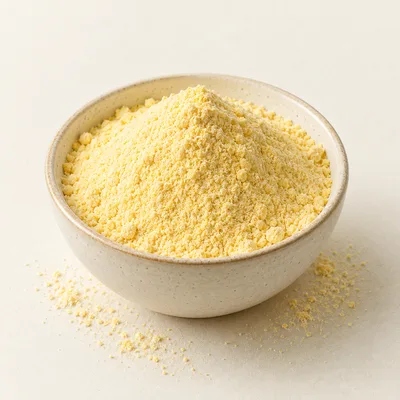 SOUTHERN CEREALMaize
Akume, fermented kom, porridge and roasted grain
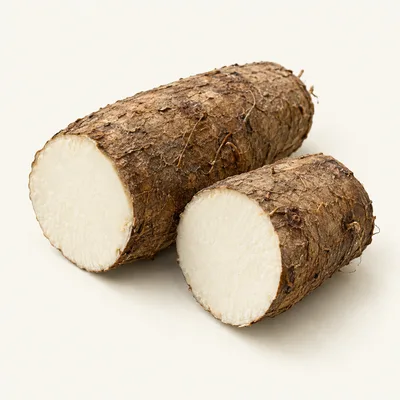 CENTRAL TUBERYam
Pounded fufu, boiled pieces, fried foods and festival harvests
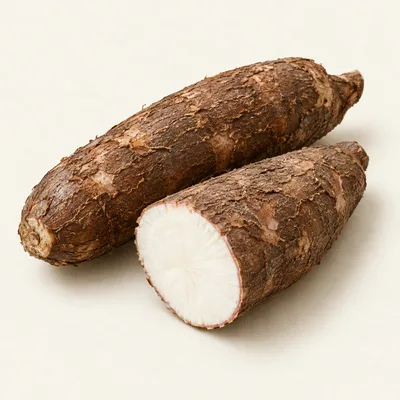 RESILIENT ROOTCassava
Gari, tapioca-like products, fufu blends and boiled root
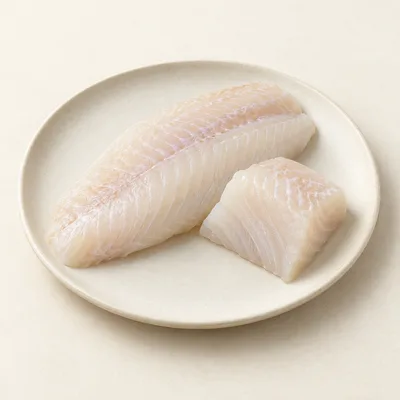 COASTAL PROTEINFish
Fried, smoked, dried or cooked into peppered sauces
Kom is fermented and wrapped, not simply maize porridge. Maize dough is fermented, shaped and steamed in leaves before serving with fish and concentrated pepper sauce, giving it a distinct texture and sourness. [8][9]
Fufu follows the crop and household. Yam, cassava or combinations may be boiled and pounded into an elastic starch for soup or sauce, with regional preference shaping the result. [8][10]
The maquis is a practical entry point, not a complete national archive.
Ask what starch accompanies the sauce. A menu may list fish, chicken or meat first, but akume, fufu, rice and fermented maize determine how the meal is actually structured. [9]
Markets follow harvest and trade corridors. Yam, maize, smoked fish, beans and produce arrive from different regions, making Lomé a meeting place whose abundance should not be read as uniform rural access. [7][10]
Food-culture sources checked .
Corn and yam staples with sauce
Akume is made from corn flour, while Togolese fufu is described as white yams pounded into a doughy consistency. Either may be eaten with a separate sauce, so ask whether the serving vessel, ladle or topping has contacted peanut, fish, shrimp or wheat. Confirm whether a stock, seasoning paste or oil was added during cooking, not just which staple forms the base.
Sauce variation matters
You may encounter sauces ranging from smoked fish to spicy tomato and peanut. Adémè dessi, fetri dessi and gboma dessi may be prepared with different fish, while dékou dessi has peanut paste as its defining base and may include fish. Treat these as possible versions, not fixed recipes; ask what is in today’s pot.
Plantain and frying questions
Plantains may be grilled, cooked, mashed or fried. Ask whether the plantain was fried in oil also used for another food, whether a shared pan or utensil was used, and whether mash contains added milk, stock or seasoning. The preparation name alone cannot answer those questions, particularly at a busy counter or roadside stand.
Fruit and regional choice
Mangoes, papayas and pineapples are sold in season, alongside oranges and sometimes African fan palm fruits. Ask whether fruit is cut on a board or with a knife used for other foods, and whether anything is added. Southern language context includes Ewe and the Aneho area’s Mina; Kabiyè is predominant in the north, where communication may differ.
Ingredients worth recognising
Start with these ingredients, then follow their names and recorded food connections. Check the recipe and product actually used.
Wheat flour
Wheat flour is recorded as the typical core ingredient in Ablo and the primary dough base of Yovo Doko. Ask whether either item contains wheat flour, what else is in the dough, and whether the work surface or oil is shared with other foods.
Fish
Fish may accompany adémè dessi and is a common or occasional protein variation in fetri dessi, gboma dessi and dékou dessi. Ask whether fish is in the sauce, stock or seasoning, and whether the serving utensil has contacted it.
Peanut Paste
Peanut paste is the defining base ingredient of dékou dessi; peanut also appears in sauce descriptions and ground peanut is a characteristic tchintchinga coating or seasoning. Ask about paste, ground peanut, garnishes and shared grinding or serving equipment.
Cow Milk
Cow’s milk is commonly served with or incorporated into Akpan. Ask whether milk is mixed into the dish, poured over it or provided separately, and whether the cup, spoon, pot or preparation surface is shared with other dairy ingredients.
Vegetable Oil
The recorded source leaves generic vegetable oil unspecified; it may be soybean oil, but that is not established for a particular meal. Ask which oil was used, whether it is a blend, and whether the same oil is used for frying other foods.
Coconut
Coconut is named in the country’s culinary source, but its presence in a particular meal still needs checking. Ask whether coconut has been added to the recipe, sauce or topping, and whether the ingredient is fresh, dried, liquid or processed.
How food labelling works
A current, country-specific allergen-labelling summary for Togo has not yet been verified for this guide. Do not transfer the list of regulated allergens or restaurant disclosure rules from your home country to this one.
Read the complete ingredients on the actual package and keep any local-language sticker with the original label. For imported products, compare the information on that pack rather than a photograph of the brand sold elsewhere. Ask the manufacturer or seller to clarify an unfamiliar term.
For loose food or meals prepared to order, ask who can check the recipe and the labels on bought-in ingredients. Explain every food you avoid, including ingredients outside familiar allergy groups; a short symbol chart may not cover your list.
Language and communication
French is Togo’s national language and the lingua franca between ethnic groups. Prepare the written explanation in French, spelling out the ingredient, the foods to avoid and the possibility of shared oil, water, pans or utensils. Ask the cook or seller to confirm the whole recipe in French.
Ewe is widely spoken in the south, Mina may be encountered around Aneho, and Kabiyè predominates in the north. Where the conversation is taking place in one of these languages, arrange a written explanation or trusted interpretation in the relevant language, then seek confirmation of regional recipe differences.
Eating in different settings
Fufu or akume restaurant
Ask whether the fufu or akume is served with a separate sauce and name the concerns specifically: fish, peanut paste, wheat, milk or shrimp. Ask what stock, seasoning and oil enter the sauce, and whether the ladle or serving bowl is shared.
Roadside stand or market
For fried plantain or other cooked food, ask what else is fried in the oil and whether the pan, tongs and preparation board are shared. For cut fruit, ask whether the knife and board are clean for that fruit and whether anything has been added.
Bakery or snack counter
For Ablo, Yovo Doko or another flour-based item, ask whether the dough contains wheat flour and what is mixed into it. Ask about shared work surfaces, moulds, oil and tongs, rather than relying on the item’s name or appearance.
Packaged-food shop or accommodation
Read the complete ingredient list on packaged food and keep the label for checking. In accommodation, ask how breakfast or a prepared meal is cooked, whether sauces are separate, and whether pans, knives, boards and serving utensils are shared.
Before you travel
Review your personal plan
Discuss your travel plans with your clinician and keep your prescribed medicines and emergency instructions accessible. Tell companions where these are and how to follow your plan.
Check your medicines before entering Togo
The legal status and regulation of some medicines prescribed or bought in the UK may differ in Togo. Before travel, read best practice when travelling with medicines on TravelHealthPro and ask the relevant Togolese authority what medicine-import requirements and documentation apply to your own prescription.
Make the first meals easier to organise
Contact your accommodation and transport providers in advance. Save your written food list, menu questions and destination address offline. Check entry restrictions before packing backup food, and plan how you will check meals during arrival and onward journeys.
Plan access to medical help
Most over-the-counter medicines in Togo are bought at pharmacies, which are usually marked by a green cross; UK prescriptions are usually accepted. Medical facilities are poor and emergency facilities extremely limited. Ask your insurer whether your policy covers local treatment, medical evacuation and repatriation, and confirm that you have accessible funds for treatment and repatriation before travelling.
Emergency resources
For a suspected severe allergic reaction, follow your prescribed emergency plan and seek urgent medical help. Give your exact location clearly.
Ambulance and urgent medical help
Call 8200 and ask for an ambulance.
Explore next
Your allergy in Togo
Choose a food concern for the country notes and questions relevant to it.
Dishes in Togo
Follow the ingredients and cuisine connections in individual dish records.
Your own food list
Combine allergy groups and individual ingredients in one guide, with local names where recorded.
Allergy cards
Prepare the information you need to explain your food requirements.
FAQs, sources and review dates
Could a peanut-free-looking sauce still need checking?
Yes. The recorded dékou dessi example uses peanut paste as its defining base, while ground peanut is associated with tchintchinga and peanut sauces are mentioned with staples. Ask specifically about peanut paste, ground peanut, seasoning, garnish and shared equipment, even when no peanut is visible.
What should I ask about fish in a vegetable or okra sauce?
Ask whether fish is included in the pot, used as stock or added as a protein after cooking. Fish may be used with adémè dessi, fetri dessi and gboma dessi, but these are not universal recipes. Also ask about shared ladles, bowls and serving spoons.
How should I check an ingredient outside common allergy groups, such as coconut?
Ask whether coconut is present in the complete recipe and in what form, such as fresh, dried or processed. Then ask about the sauce, topping, drink or cooking mixture separately. Do not infer its presence from a dish name, and do not place coconut into a legal or botanical allergen category.
Sources checked: . This researched draft is awaiting editorial review. Practical questions apply the sources below to local food settings; they do not confirm any individual meal's ingredients or preparation.
Sources & references (10)
- FCDO · Togo health and medical assistance
Emergency contact details, local healthcare and medicine guidance. UK-specific eligibility does not apply to every visitor.
- Wikivoyage contributors · Togo
Community-edited culinary context only; not an allergy or medical authority. Brief food-context adaptations, CC BY-SA 4.0: https://creativecommons.org/licenses/by-sa/4.0/. Recipe questions also use PlateSafe’s draft records.
- FARE · Dining out
General recipe and preparation questions, applied here to country-specific food examples.
- FARE · Travelling with food allergies
General preparation, written communication and access to prescribed medicines. Not country-specific import permission.
- PlateSafe · Togo recorded food connections
Existing draft dish and ingredient records, used as examples to investigate. These are not independently verified recipes or suitability assessments.
- Unicode CLDR · Territory language data
Language suggestions. Regional language needs must be confirmed with the particular food provider.
- FAO — Togo country brief
- FAO — Togo country profile
- Togo Tourism — Restaurants and maquis
- FAO AQUASTAT — Togo country profile