
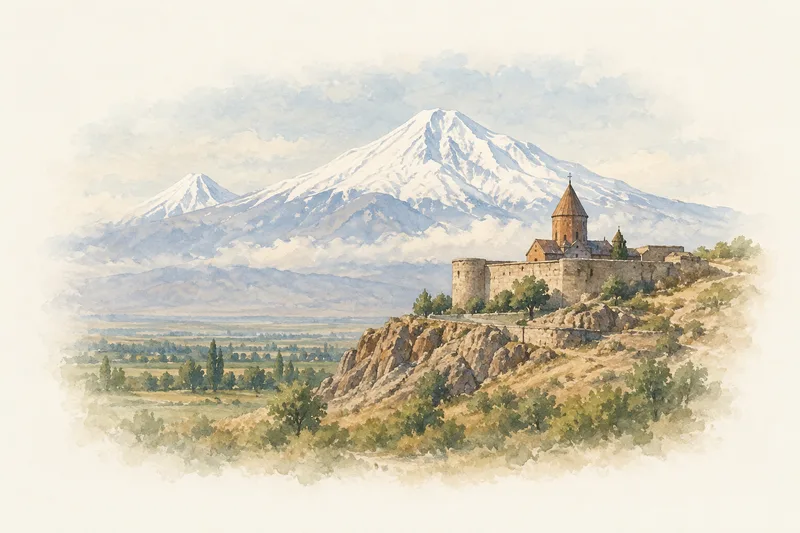
BEFORE YOUR FIRST MEAL
Navigating food allergies in Armenia
Armenian food ranges from charcoal-cooked meat and vegetables to wheat-based porridges, filled pastries, dumplings, soups and fruit desserts. A dish may arrive with yoghurt, sour cream, butter, cheese, walnuts or a separate garnish. Recipes vary, so use the named dish as a starting point only: confirm its complete recipe, cooking surface, serving additions and any shared utensils or oil.
What to know first
Charcoal meals are mixed plates
Khorovats may use pork, lamb, chicken or beef, with onions and Armenian spices; tomatoes, aubergines and peppers can accompany it. Ask what the whole plate contains.
Wheat appears in many forms
Harissa uses soaked, coarsely ground wheat with stewed chicken or lamb; bulgur appears in kufta and other dishes. Check grain, flour, stock and any enrichment.
Explain the complete concern
Show a written explanation in Armenian first, with Russian where useful. Name the ingredient, the required avoidance and the need to confirm fillings, sauces, garnishes and shared equipment.
Ask how it was prepared
For khorovats, kebab, dolma or byorek, ask about marinades, fillings, stock, cooking surfaces, shared oil, shared water and utensils rather than relying on the dish name.
Read the complete label
Read the complete ingredients and allergen information on the actual product. If you avoid a food that is not highlighted, ask the producer or food provider to check it specifically.
Understanding the food
Flatbread, herbs, grilled meat, stuffed vegetables, cultured dairy and abundant fruit create a table that feels both generous and seasonal. Family recipes and regional guesthouses keep many preparations closely tied to place.
Fresh produce and preserved knowledge meet on the same table.
| Form | What it brings together | Examples |
|---|---|---|
| Wrapped & stuffed | Leaves or vegetables around rice, meat and herbs | Tolma, sarma and stuffed peppers or aubergines |
| Fire-cooked | Meat and vegetables over charcoal | Khorovats with herbs, salad and bread |
| Bread-centred | Flatbread as accompaniment and utensil | Lavash with cheese, herbs, grilled meat or stews |
| Orchard & dairy | Seasonal endings and preserves | Apricots, pomegranates, honey, cheese and yoghurt |
Tolma is a family of preparations. Armenia’s official tourism guide describes grape or cabbage leaves filled with meat, rice and spices, plus vegetable versions and simpler rice-filled sarma. The wrapping technique connects several legitimate recipes. [7]
Seasonality is visible rather than decorative. Farm-to-table experiences foreground garden vegetables, herbs, grilled meat, fruit, cheese and honey, often produced around the guesthouse or village where the meal is served. [8]
Herbs, tart fruit and cultured dairy brighten substantial dishes.
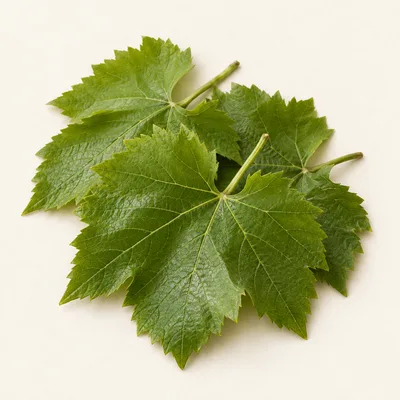 LEAFGrape leaves
Wrapped around seasoned rice or meat fillings
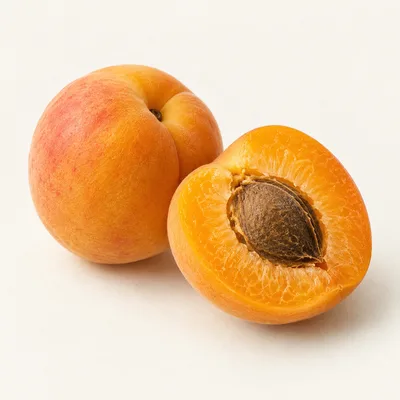 ORCHARD FRUITApricot
Eaten fresh, dried or preserved
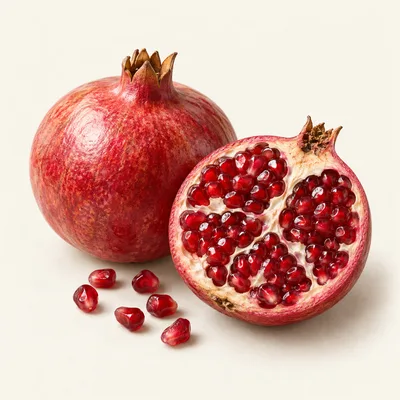 FRUITPomegranate
Tart-sweet colour in salads, sauces and tables
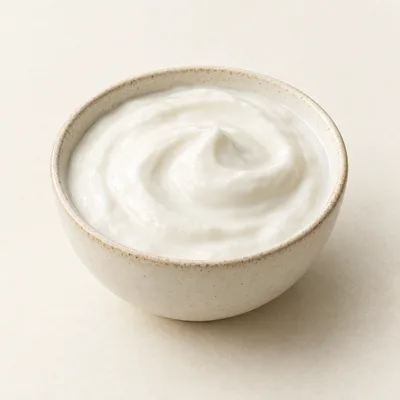 CULTURED DAIRYYoghurt
Served as sauce, drink or cooling accompaniment
Fresh herbs are ingredients in their own right. Basil, parsley, spring onion and tarragon may arrive in generous bunches beside grilled meat, cheese and bread rather than only as a garnish. Vegetables are similarly grilled, stuffed, pickled or served raw. [8]
Fruit moves between savoury and sweet contexts. Apricots, pears, peaches and pomegranates can finish a meal fresh, enter preserves or accompany richer foods. Ghapama, a stuffed pumpkin, shows how rice, dried fruit and celebration can meet in one dish. [8][7]
Guesthouses and gastro yards bring regional cooking close.
Family-run settings are part of the food experience. Armenia Travel points visitors toward guesthouses with restaurants and gastro yards across towns and villages. These places connect a meal with local gardens, livestock, preserved foods and the people preparing them. [8]
Yerevan adds a wider restaurant vocabulary. Traditional dishes appear beside modern Armenian cooking, bakeries, wine bars and restaurants drawing on regional produce. A polished city version and a village preparation may share a name while expressing different techniques and presentation. [7][8]
Food-culture sources checked .
Grains, bread and pastry
Lavash and matnakash are wheat-based breads, while byorek uses phyllo pastry and may contain cheese, spinach or minced beef. Harissa and spas use wheat in different forms. Ask whether a recipe uses wheat flour, bulgur, whole wheat berries or another grain, and whether bread, pastry or flour is handled on shared surfaces.
Meat, vegetables and filled dishes
Khorovats is a barbecue of meat that may include pork, lamb, chicken or beef, with vegetables served as part of the meal. Dolma can use grape leaves, cabbage leaves, peppers or aubergines. Manti, kufta and ishli kufta have fillings or shells that need separate questions about meat, grain, egg, dairy and cooking liquid.
Dairy, fruit and sweet foods
Matsun is yoghurt; diluted matsun is called tan, while spas is a hot matsun soup with grains. Borscht may be served with sour cream. Gata, nazook, kadaif, alani and anoushabour have different pastry, dairy, fruit, grain and nut connections, so ask about fillings, toppings, syrup and garnish each time.
Ingredients worth recognising
Start with these ingredients, then follow their names and recorded food connections. Check the recipe and product actually used.
Bulgur
Bulgur is processed whole wheat and is recorded in dishes such as eech, ishli kufta and vosp kufta. Ask whether it is present in the shell, filling or binder, and whether another grain or flour has also been added.
Lavash
Traditional lavash is primarily wheat flour and may accompany dishes or form part of panrkhash and tolma-style meals. Ask whether it is served underneath, wrapped around, or cooked with other ingredients, and check shared bread surfaces or utensils.
Dried Apricot
Dried apricot is relevant to alani and fruit-based sweets. Commercial dried apricots are commonly treated with sulfites, so inspect the complete package wording and ask whether the fruit was treated, mixed with other dried fruit or stuffed.
Walnut
Walnuts are recorded in alani, anoushabour, ishli kufta, pakhlava and other dishes. Ask whether they are in the filling, mixed through, or sprinkled on top, and whether the same knife, board or serving spoon is used for other foods.
Butter
Butter is recorded in harissa, gata, ghapama, nazook and pakhlava, and may enrich dough, filling or pastry layers. Ask whether the cooking fat is butter, another dairy fat or an unspecified oil, and whether it is added before serving.
Yogurt
Yogurt is the characteristic base of spas and is commonly served with manti and tolma; it also appears in some other preparations. Ask whether it is in the recipe or only an accompaniment, and confirm any separate spoon or garnish.
How food labelling works
A current, country-specific allergen-labelling summary for Armenia has not yet been verified for this guide. Do not transfer the list of regulated allergens or restaurant disclosure rules from your home country to this one.
Read the complete ingredients on the actual package and keep any local-language sticker with the original label. For imported products, compare the information on that pack rather than a photograph of the brand sold elsewhere. Ask the manufacturer or seller to clarify an unfamiliar term.
For loose food or meals prepared to order, ask who can check the recipe and the labels on bought-in ingredients. Explain every food you avoid, including ingredients outside familiar allergy groups; a short symbol chart may not cover your list.
Language and communication
Armenian is the official language and uses its own alphabet; Russian is widely spoken as a second language. Prepare a written explanation in Armenian, with a Russian version where helpful, naming the food concern and the need for full recipe confirmation.
Outside Yerevan, English may be less useful, so do not rely on an informal translation. Ask staff to read the written explanation and confirm the specific dish, fillings, stock, sauce, garnish, shared oil, water and utensils. Dish names help recognition but are not a complete request.
Eating in different settings
Barbecue or khorovats counter
Ask which meat is on the skewer, whether it was marinated, and whether vegetables share the grill or tongs. Check the seasoning, basting fat and serving plate, including bread, onions and any accompanying sauce.
Market pastry or bread stall
For lavash, byorek, gata, nazook or fresh jingalov hats, ask about the flour, egg, butter, cheese, herbs and fillings. Check whether the same board, knife, tray or oven is used for other pastries.
Restaurant or shared meal
Before ordering dolma, manti, kufta, harissa or spas, ask for the complete recipe and cooking liquid. Confirm whether yoghurt, sour cream, butter, nuts or bread are mixed in, served separately, or added at the table.
Packaged-food shop
For dried apricots, raisins, sweets, bread or labelled dairy products, read the entire ingredient list. Ask about unclear terms, sulfite treatment, fillings, toppings and shared production information rather than relying on a product name.
Before you travel
Review your personal plan
Discuss your travel plans with your clinician and keep your prescribed medicines and emergency instructions accessible. Tell companions where these are and how to follow your plan.
Check your medicines before entering Armenia
The legal status and regulation of medicines prescribed or bought in the UK can differ in Armenia. Before travel, check how your medicines are regulated in Armenia and read TravelHealthPro’s best-practice guidance for travelling with medicines.
Make the first meals easier to organise
Contact your accommodation and transport providers in advance. Save your written food list, menu questions and destination address offline. Check entry restrictions before packing backup food, and plan how you will check meals during arrival and onward journeys.
Plan access to medical help
Public facilities in Yerevan are generally sufficient for minor or straightforward ailments, while facilities outside Yerevan may be basic. Private hospitals may be expensive. Arrange adequate travel insurance and accessible funds, check the FCDO medical-facilities list, and ask your insurer what treatment and repatriation cover your policy provides.
Emergency resources
For a suspected severe allergic reaction, follow your prescribed emergency plan and seek urgent medical help. Give your exact location clearly.
Ambulance and urgent medical help
Call 911 and ask for an ambulance with an English speaker.
Explore next
Your allergy in Armenia
Choose a food concern for the country notes and questions relevant to it.
Dishes in Armenia
Follow the ingredients and cuisine connections in individual dish records.
Your own food list
Combine allergy groups and individual ingredients in one guide, with local names where recorded.
Allergy cards
Prepare the information you need to explain your food requirements.
FAQs, sources and review dates
Could harissa be suitable because it is mainly meat?
Do not assume so. One possible version combines stewed, boned chicken or lamb with soaked, coarsely ground wheat, while many preparations may include cracked wheat and customary butter. Ask about the grain, enrichment, stock and serving utensils.
What should I ask about alani?
Alani is made from pitted dried peaches stuffed with ground walnuts and sugar. Ask whether the fruit has been treated with sulfites, whether the walnut filling is made separately, and whether other dried fruit or shared equipment is involved.
Is pine nut the same as walnut here?
No. They are different ingredients. Topik is recorded with pine nuts and tahini, while walnut is recorded in several other dishes. Ask specifically which seed or nut is present, whether it is in the filling or garnish, and how it was handled.
Sources checked: . This researched draft is awaiting editorial review. Practical questions apply the sources below to local food settings; they do not confirm any individual meal's ingredients or preparation.
Sources & references (9)
- FCDO · Armenia health and medical assistance
Emergency contact details, local healthcare and medicine guidance. UK-specific eligibility does not apply to every visitor.
- Wikivoyage contributors · Armenia
Community-edited food and dining context, checked against the recorded food examples. This is not an allergy or medical authority. Brief food-context adaptations; CC BY-SA 4.0, https://creativecommons.org/licenses/by-sa/4.0/.
- FARE · Dining out
General recipe and preparation questions, applied here to country-specific food examples.
- FARE · Travelling with food allergies
General preparation, written communication and access to prescribed medicines. Not country-specific import permission.
- PlateSafe · Armenia recorded food connections
Existing draft dish and ingredient records, used as examples to investigate. These are not independently verified recipes or suitability assessments.
- Unicode CLDR · Territory language data
Language suggestions. Regional language needs must be confirmed with the particular food provider.
- Armenia Travel — Traditional dishes to try
- Armenia Travel — Farm-to-table culture
- UNESCO — Lavash preparation and cultural meaning in Armenia