
BEFORE YOUR FIRST MEAL
Navigating food allergies in Chile
Chile’s food changes with its geography: central dishes feature corn, beef and vegetables, while coastal and southern cooking brings fish, shellfish, potatoes and mixed preparations. Sandwiches, pastries and desserts add wheat, dairy and egg in different combinations. Treat familiar names as starting points only: ask about the complete recipe, cooking liquid, toppings, oil and utensils before ordering.
What to know first
Corn and beef dishes are assembled
Pastel de choclo combines a corn topping with beef, onion, chicken, raisins, hard-boiled egg, olives, sugar and butter; confirm every layer rather than asking about corn alone.
Chiloé dishes can be mixed preparations
Curanto may combine seafood, beef, chicken, pork, potatoes and cheese, with chapaleles in some versions. Ask whether fish, crustaceans or wheat-containing accompaniments are included.
Explain the whole meal
In Spanish, describe the ingredient to avoid and ask about the dish, stock, sauce, topping, garnish, shared oil, water and utensils; ask for confirmation of the finished plate.
Preparation can change the answer
For fried empanada de queso, sopaipillas or sandwiches, ask what oil, fryer, griddle and bread surface are used, and whether the same equipment handles other foods.
Read the complete label
Read the complete ingredients and allergen information on the actual product. If you avoid a food that is not highlighted, ask the producer or food provider to check it specifically.
Understanding the food
Andean potatoes and quinoa, Central Valley maize and vineyards, an immense Pacific pantry, Mapuche forest foods, Chiloé earth ovens, Patagonian lamb and Rapa Nui’s Polynesian crops form a long north–south sequence. Geography is the most reliable guide to what belongs on the plate.
Each major landscape carries its own cooking logic.
| Region | Food landscape | Examples to explore |
|---|---|---|
| Far north & Altiplano | Aymara and Atacameño highland crops | Chairo, calapurca, quinoa, potatoes and alpaca |
| Central valleys & coast | Creole cooking, maize, orchards, fisheries and wine | Empanada de pino, pastel de choclo, humitas and caldillo de congrio |
| South, Chiloé & Patagonia | Mapuche foods, forests, shellfish and livestock | Curanto, mushrooms, piñones, salmon, king crab and spit-roasted lamb |
| Rapa Nui | Polynesian island crops and volcanic-stone cooking | Tuna, kūmara, taro, umu ta’o and po’e |
Chile Travel explicitly divides the cuisine by geography. The desert and altitude shape northern food, fertile valleys define the centre, forests and the coast guide the south, and Rapa Nui adds a distinct Polynesian food world. [7][8]
Indigenous traditions remain regional foundations. Aymara and Atacameño crops and hot-stone soups structure the north; Mapuche ingredients and knowledge shape the south; Rapa Nui maintains island crops and earth-oven cooking. [7]
Crops and seafood change as dramatically as the climate.
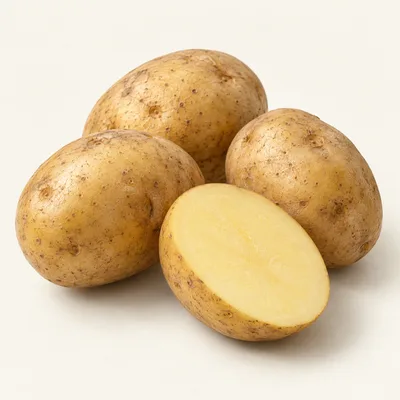 ANDEAN TUBERPotato
Highland soups, Chiloé varieties and countless home dishes
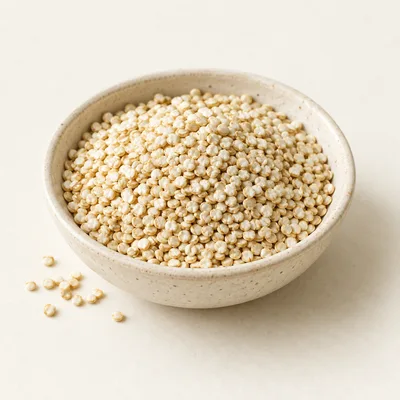 HIGHLAND GRAINQuinoa
An Altiplano crop in soups, sides and contemporary cooking
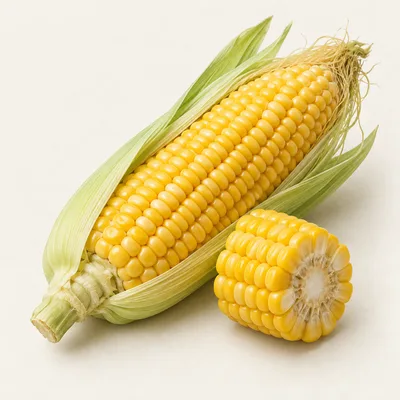 CENTRAL VALLEYMaize
Pastel de choclo, humitas and summer food traditions
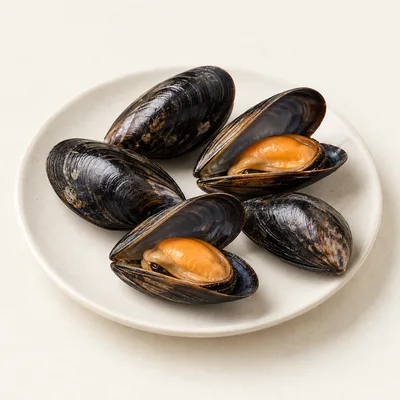 PACIFIC COASTShellfish
Mussels and diverse coastal catches from north to Patagonia
Curanto is both technique and social event. On Chiloé, seafood, meats, potatoes and doughs steam together over hot stones in an earth pit under leaves. The collective preparation is inseparable from the resulting dish. [7][10]
The supply chain can become the itinerary. Chile’s Ruta de los Abastos brings visitors to fishers, salt workers, beekeepers, cheesemakers, winemakers and small producers, connecting a cooked plate to the coast and countryside that supplied it. [9]
Picadas, markets and caletas provide the most direct regional reading.
Seek the setting associated with the dish. Central Chilean picadas and markets suit cazuela and empanadas; coastal caletas suit fresh fish and shellfish; Chiloé rewards a dedicated curanto experience; Patagonia foregrounds lamb and king crab. [7]
Wine belongs to a broader agricultural landscape. Central valleys pair vineyards with orchards, maize, vegetables, cheese, salt and fisheries. Visiting producers shows why wine and food routes extend beyond cellar tastings. [9][10]
Food-culture sources checked .
Corn, potatoes and regional doughs
Central Chilean examples include pastel de choclo, while cazuela combines meat or poultry with potato, rice, corn and squash. In Chiloé, potatoes feature in curanto, milcao and chapaleles. A dish described as corn- or potato-based may still contain milk, butter, egg, wheat or cheese, so ask about the complete mixture and any accompanying dough.
Seafood, soups and shared components
Chile’s coastline is reflected in caldillo de congrio, paila marina, machas a la parmesana and curanto. These examples differ: one centres on conger eel, another mixes seafood and prawns, and another may add fish or crustaceans. Ask which species are present, whether stock is separate, and whether shellfish, fish or meat share the cooking liquid.
Bread, sandwiches and fried foods
Barros Luco and Barros Jarpa use wheat-based bread with cheese; completo adds a wheat bun and commonly mayonnaise, while lomito may include cheese, fried egg and egg-based mayonnaise. Chacarero is served in wheat bread. Ask about the roll, fillings, spreads, griddle, fryer and contact with other sandwiches rather than relying on the sandwich name.
Pastries, desserts and regional wording
Alfajores, calzones rotos, cuchuflí, empolvados and sopaipillas illustrate different combinations of wheat, milk, butter and egg. Northern sopaipillas include pumpkin in the dough, whereas southern versions described here omit it; Santiago versions may be sweet or savoury. Kuchen and strudel are also found in the south. Ask which regional recipe is being served.
Ingredients worth recognising
Start with these ingredients, then follow their names and recorded food connections. Check the recipe and product actually used.
Wheat flour
Wheat flour forms the dough in empanada de pino, chapalele, sopaipillas and many pastries, and is used in bread. Ask whether it appears in fillings, coatings or accompaniments too, not only in the named pastry.
Cow Milk
Cow’s milk is central to arroz con leche, leche asada and leche nevada, and may enrich humitas, pastel de choclo or savoury fillings. Ask whether milk, cream, butter, cheese or dulce de leche is added separately.
Egg
Egg appears in dishes including chorrillana, empanada de pino, humitas, custards and several pastries; mayonnaise may also contain egg. Ask about batter, filling, topping, glaze, garnish and the exact mayonnaise formulation.
Conger Eel
Conger eel is the defining protein in caldillo de congrio, while fish can also occur in mixed seafood dishes. Ask which fish is used, whether the broth contains other seafood, and whether the same stock serves different dishes.
Crab
Crab is the defining seafood in chupe de jaiba and pastel de jaiba, and may occur in curanto or pulmay versions. Ask whether crab is present, whether other crustaceans are added, and whether the creamy mixture shares utensils or stock.
Celery
Celery is commonly used with onion and carrot in cazuela de vacuno, and can appear in beef or chicken stock. Ask specifically about the broth and aromatic base, including whether a purchased stock or sauce was used.
How food labelling works
A current, country-specific allergen-labelling summary for Chile has not yet been verified for this guide. Do not transfer the list of regulated allergens or restaurant disclosure rules from your home country to this one.
Read the complete ingredients on the actual package and keep any local-language sticker with the original label. For imported products, compare the information on that pack rather than a photograph of the brand sold elsewhere. Ask the manufacturer or seller to clarify an unfamiliar term.
For loose food or meals prepared to order, ask who can check the recipe and the labels on bought-in ingredients. Explain every food you avoid, including ingredients outside familiar allergy groups; a short symbol chart may not cover your list.
Language and communication
Spanish is Chile’s official and everyday language, with a distinct Chilean dialect whose pronunciation, vocabulary and speed can make detailed food questions harder to follow. Prepare a written explanation in Spanish naming the ingredient to avoid, the relevant dish, and the need to check the whole recipe.
Mapudungun, Quechua and Rapa Nui are used in particular regions and communities, including Rapa Nui on Easter Island, but Spanish remains the practical first language for nationwide food communication. Use dish names only as recognition aids; ask a staff member to confirm regional wording and the finished preparation.
Eating in different settings
Sandwich counter or fast-food shop
For a completo, lomito, chacarero or Barros Luco, ask what is in the bun, mayonnaise, cheese and toppings. Confirm whether the griddle, knife and board are shared, and whether the sandwich can be assembled without a particular spread or topping.
Market or street food stall
Before buying sopaipillas, ask whether the dough contains pumpkin and what oil is used for frying. For mote con huesillos, ask what grain and syrup are present. Confirm whether the same oil or utensils are used for other foods.
Seafood restaurant
For paila marina, curanto, pulmay or machas a la parmesana, ask for the full seafood list and whether fish, crab or prawns are included. Ask about stock, butter, cheese, shared pots and whether separate preparation is possible.
Bakery, café or packaged-food shop
For alfajores, kuchen, empolvados, cuchuflí or bread, ask for the complete ingredient list and fillings. Check wheat, milk, butter, egg, sesame or soy where relevant, and ask whether products share trays, tongs or preparation surfaces.
Before you travel
Review your personal plan
Discuss your travel plans with your clinician and keep your prescribed medicines and emergency instructions accessible. Tell companions where these are and how to follow your plan.
Check your medicines before entering Chile
The legal status of medicines prescribed or bought in the UK can differ in Chile. Before travel, check TravelHealthPro guidance and ask the relevant Chilean authority or your prescriber whether each medicine requires specific import or documentation arrangements; do not alter prescribed treatment without clinical advice.
Make the first meals easier to organise
Contact your accommodation and transport providers in advance. Save your written food list, menu questions and destination address offline. Check entry restrictions before packing backup food, and plan how you will check meals during arrival and onward journeys.
Plan access to medical help
Health facilities are described as good in Santiago and other major cities, but private care is expensive. Arrange suitable travel insurance and accessible funds. Rapa Nui has one hospital with limited facilities; check that insurance covers possible mainland transfer. Confirm suitable providers and regional arrangements before travelling there or elsewhere in Chile.
Emergency resources
For a suspected severe allergic reaction, follow your prescribed emergency plan and seek urgent medical help. Give your exact location clearly.
Ambulance and urgent medical help
Call 131 and ask for an ambulance.
Explore next
Your allergy in Chile
Choose a food concern for the country notes and questions relevant to it.
Dishes in Chile
Follow the ingredients and cuisine connections in individual dish records.
Your own food list
Combine allergy groups and individual ingredients in one guide, with local names where recorded.
Allergy cards
Prepare the information you need to explain your food requirements.
FAQs, sources and review dates
Can a pastel de choclo be judged safe from its name?
No. The recorded example includes corn topping, beef, onion, chicken, raisins, hard-boiled egg, olives, sugar and butter, and milk may be added to the topping. Ask about the exact filling, topping, stock, butter and kitchen contact at that location.
What should I ask about porotos con riendas?
Ask whether the noodles are the traditional wheat spaghetti described for this dish, and whether stock, seasoning or toppings add anything else. Do not assume that beans make the whole dish suitable, or that a different noodle is used without confirmation.
Should I ask about olives or raisins separately?
Yes, if those ingredients matter to you. Olives in empanada de pino may retain a stone, while some processed olives and raisins may use sulfites. Ask how they were prepared and whether the particular product or batch has additional ingredients.
Sources checked: . This researched draft is awaiting editorial review. Practical questions apply the sources below to local food settings; they do not confirm any individual meal's ingredients or preparation.
Sources & references (10)
- FCDO · Chile health and medical assistance
Emergency contact details, local healthcare and medicine guidance. UK-specific eligibility does not apply to every visitor.
- Wikivoyage contributors · Chile
Community-edited culinary context only; not an allergy or medical authority. Brief food-context adaptations, CC BY-SA 4.0: https://creativecommons.org/licenses/by-sa/4.0/. Recipe questions also use PlateSafe’s draft records.
- FARE · Dining out
General recipe and preparation questions, applied here to country-specific food examples.
- FARE · Travelling with food allergies
General preparation, written communication and access to prescribed medicines. Not country-specific import permission.
- PlateSafe · Chile recorded food connections
Existing draft dish and ingredient records, used as examples to investigate. These are not independently verified recipes or suitability assessments.
- Unicode CLDR · Territory language data
Language suggestions. Regional language needs must be confirmed with the particular food provider.
- Chile Travel — Typical cuisine from north to south
- Chile Travel — Typical cuisine
- Chile Travel — Ruta de los Abastos food circuit
- Chile Travel — About Chilean gastronomy