
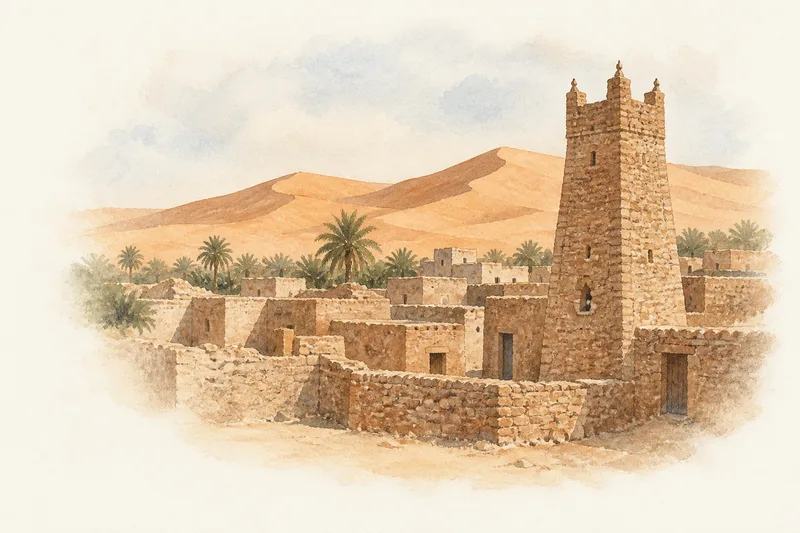
BEFORE YOUR FIRST MEAL
Navigating food allergies in Mauritania
Mauritania’s food choices change noticeably by place. Nouakchott has pizza, burgers, sandwiches and salads alongside local dishes; southern cooking includes fish with rice, while northern meals include meat with rice or couscous. You may encounter peanut sauces, wheat-based foods, fish, cultured dairy and mustard, so ask about the complete preparation rather than relying on a dish name.
What to know first
Regional plates differ
In the south, ask whether a rice dish is fish-based, such as chebujin; in the north, check whether rice or couscous comes with meat and what sauce accompanies it.
Sauces can define the dish
Domoda and mafé are recorded with peanut-based sauces. Ask whether peanut or peanut paste is in the sauce, garnish or stock, rather than ordering by name alone.
Explain before ordering
Arabic is official and French is widely used in business. Prepare a written explanation in both, then ask staff to confirm the full recipe, including sauces, toppings and cooking liquids.
Check shared preparation
For pizza, sandwiches, fried foods or family cooking, ask whether the same oil, water, pan, board or utensils are used for other dishes, and whether your portion is prepared separately.
Read the full label
Read the complete ingredients and allergen information on the actual product. If you avoid a food that is not highlighted, ask the producer or food provider to check it specifically.
Understanding the food
Millet, sorghum, rice, dates, camel and goat milk, lamb, fish, peanuts and tea shift in importance from the Senegal River valley to the Adrar oases and Atlantic coast. Bidan, Haratin, Soninke, Pulaar, Wolof and Imraguen foodways should be named rather than compressed into one desert cuisine.
River, coast, steppe and oasis produce different staple systems.
| Region or community context | Food landscape | Examples to explore |
|---|---|---|
| Nouakchott | National migration, Atlantic fish and imported staples | Rice with fish, grilled meat, couscous and tea |
| Senegal River valley | Rice, millet, sorghum, vegetables and West African links | Rice dishes, grain porridges, fish and leaf sauces |
| Adrar & ancient ksour | Date palms, wells, caravan trade and pastoral foods | Dates, couscous, camel milk, meat and bread |
| Banc d’Arguin coast | Imraguen fishing knowledge and rich Atlantic waters | Mullet, dried fish, fish oils and simple coastal meals |
Food production is constrained by aridity. FAO profiles a livestock, fisheries and irrigated-river economy in which cereal imports remain important and drought strongly affects pastoral livelihoods. [7]
Banc d’Arguin is a cultural fishing landscape. UNESCO recognises exceptional marine ecology while resident Imraguen communities hold specialised fishing knowledge that must not be detached from the fish itself. [8]
Milk, grain and dates sustain the interior while fish defines the coast.
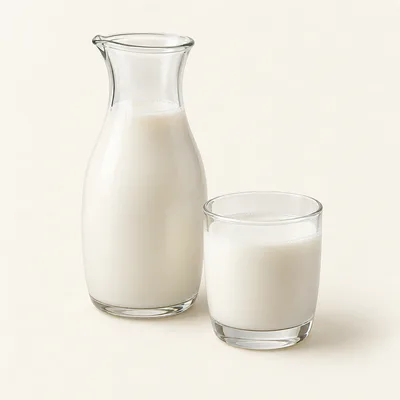 PASTORAL DAIRYCamel milk
Fresh or cultured in pastoral and urban life
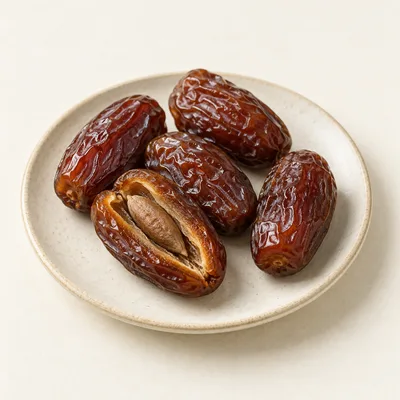 OASIS FRUITDates
Daily sweetness, travel food and hospitality
Porridge, couscous and fermented preparations
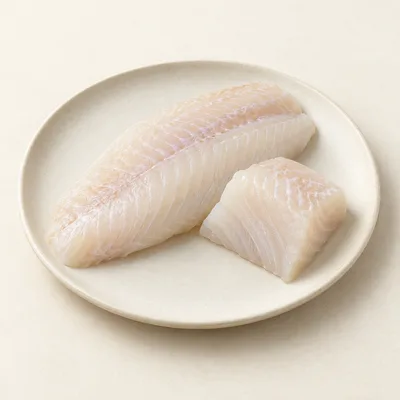 ATLANTIC PROTEINFish
Grilled, cooked with rice, dried or preserved
Thieboudienne connects the southern coast and river world. Fish and rice cook with tomato and vegetables in a regional Senegambian tradition whose forms cross today’s national border. [7][8]
Tea is a paced act of hospitality. Strong green tea is repeatedly poured and commonly served in three small glasses, making preparation and conversation as significant as the drink. [10][9]
The host, community and landscape explain what the plate alone cannot.
Shared platters structure rice, couscous and meat meals. Follow the host’s distribution of meat and the place assigned around the platter; generosity may be expressed through repeated offers. [10][9]
Use community attribution along the country’s cultural gradients. Pulaar and Soninke river foods, Imraguen coastal knowledge and Saharan pastoral practices overlap through trade but are not interchangeable. [8][7]
Food-culture sources checked .
Rice, fish and regional variation
In southern Mauritania, you may encounter fish and rice, including chebujin. Thieboudienne has fish as its defining protein, while mbaxal may use fish. Ask which fish is used, whether seafood or dried shrimp is added, and whether the rice shares a pot, stock or serving spoon with another dish.
Meat, couscous and wheat
Northern food examples include rice with meat and couscous. Mauritanian couscous is commonly linked with wheat semolina, although the recorded note allows for regional versions using other grains. Ask what grain is actually used, whether wheat flour or vermicelli is added, and whether meat stock, seasoning or toppings are part of the finished bowl.
Peanut, soup and sauce details
Domoda and mafé are recorded with peanut as the defining base of a thick sauce. Harira may contain celery as an aromatic, wheat flour as a thickener and possibly vermicelli. Ask whether the sauce is made from peanut paste, what thickens the soup, and whether a topping or garnish is added after cooking.
Street food, sweets and drinks
Nouakchott menus include simple pizzas, burgers, sandwiches and salads; boutiques sell bread, cakes, biscuits and drinks. Legmat is recorded as a wheat-flour dough, while lakh, thiakry and zrig can involve fermented milk or yoghurt. Ask about dough, fillings, dressings, dairy, frying oil and the separate preparation of drinks.
Ingredients worth recognising
Start with these ingredients, then follow their names and recorded food connections. Check the recipe and product actually used.
Couscous
Couscous may be served in northern-style meals with meat or other accompaniments, and the recorded example is commonly made from wheat semolina. Ask which grain was used, whether wheat is present, and whether stock, sauce or toppings were added.
Peanut Paste
Peanut paste is recorded as the defining sauce ingredient in mafé and a base for domoda-style thick stew. Ask whether it is in the main sauce, stock or garnish, and whether a separate ladle, pan and serving utensil were used.
Fish
In some versions of thieboudienne and mbaxal, fish is central, and it also appears in fish-and-rice cooking. Ask which fish is used, whether dried shrimp or another seafood is included, and whether the fish and rice are cooked or served with shared stock.
Yogurt
Yoghurt is a core dairy component of thiakry, while zrig is based on cultured milk or yoghurt. Ask whether the preparation uses cow’s milk, yoghurt or another cultured milk, and whether any cereal, fruit or sweet topping is mixed through it.
Dijon Mustard
Mustard is commonly included in the marinade for yassa, including recognised fish-yassa variations. Ask whether Dijon mustard or another mustard paste is in the marinade, sauce or dressing, and whether the recipe also uses wine or another sulphite-containing ingredient.
How food labelling works
A current, country-specific allergen-labelling summary for Mauritania has not yet been verified for this guide. Do not transfer the list of regulated allergens or restaurant disclosure rules from your home country to this one.
Read the complete ingredients on the actual package and keep any local-language sticker with the original label. For imported products, compare the information on that pack rather than a photograph of the brand sold elsewhere. Ask the manufacturer or seller to clarify an unfamiliar term.
For loose food or meals prepared to order, ask who can check the recipe and the labels on bought-in ingredients. Explain every food you avoid, including ingredients outside familiar allergy groups; a short symbol chart may not cover your list.
Language and communication
Arabic is Mauritania’s official language; Modern Standard Arabic is used by government, while Hassaniya Arabic is the local vernacular and differs significantly from it. Prepare a written explanation in Arabic, naming the ingredients and preparation questions you need answered. Use dish names only as recognition aids, not as a complete request.
French is widely used in everyday business and government, so prepare the same written explanation in French as well as Arabic. In southern areas, Pulaar, Wolof and Soninke are recorded languages, with Soninke especially associated with Guidimakha around Selibaby. Ask a local speaker to confirm the message where relevant.
Eating in different settings
Nouakchott sandwich or pizza counter
For a pizza, burger, sandwich or salad, ask for every ingredient in the bread, filling, dressing and topping. Ask whether sauces are added by default, whether the same board, knife, oil or grill is used for other foods, and whether your order can be kept separate.
Boutique or packaged-food shop
Bread, cakes, biscuits and drinks may be available from boutiques. Read the complete ingredient list on each packet and ask about unclear terms, wheat flour, milk, egg, peanut, mustard and sulphite-containing ingredients. Do not infer suitability from a plain-looking wrapper or product name.
Regional small restaurant
When ordering fish and rice in the south or rice, meat and couscous in the north, ask which stock, seasoning and garnish are used. Confirm whether seafood, dried shrimp, wheat vermicelli or peanut sauce is present, and whether the rice shares cooking water or utensils.
Family meal or home preparation
If a family prepares food for you, explain your needs before shopping begins and ask for the complete planned recipe. Check the oil, stock, sauces, dough and dessert, then ask whether pans, spoons and serving dishes have also been used for other foods.
Before you travel
Review your personal plan
Discuss your travel plans with your clinician and keep your prescribed medicines and emergency instructions accessible. Tell companions where these are and how to follow your plan.
Check your medicines before entering Mauritania
Many medicines may be fake or hard to find in Mauritania. Carry enough of your prescribed medicine for the stay. Read TravelHealthPro’s advice on travelling with medicines, and ask the relevant Mauritanian authority what import requirements apply to your medicine before travelling.
Make the first meals easier to organise
Contact your accommodation and transport providers in advance. Save your written food list, menu questions and destination address offline. Check entry restrictions before packing backup food, and plan how you will check meals during arrival and onward journeys.
Plan access to medical help
Medical facilities are described as extremely limited, especially outside Nouakchott and Nouadhibou. Clinics in those cities charge for care and may not accept foreign insurance cards. Check that insurance includes treatment and repatriation, keep accessible funds, and ask your insurer how treatment and repatriation would be paid for before departure.
Emergency resources
For a suspected severe allergic reaction, follow your prescribed emergency plan and seek urgent medical help. Give your exact location clearly.
Ambulance and urgent medical help
Call 101 and ask for an ambulance. The Mauritania authorities may not answer calls to this number.
Explore next
Your allergy in Mauritania
Choose a food concern for the country notes and questions relevant to it.
Dishes in Mauritania
Follow the ingredients and cuisine connections in individual dish records.
Your own food list
Combine allergy groups and individual ingredients in one guide, with local names where recorded.
Allergy cards
Prepare the information you need to explain your food requirements.
FAQs, sources and review dates
Could a dish called yassa contain more than fish and onions?
Yes, the recorded yassa example commonly includes mustard in the marinade, and fish-yassa is a recognised variation. Ask what protein is used, whether mustard is added, and what is in the marinade, cooking sauce and final dressing before ordering.
What should I ask about raisins?
Ask whether raisins are included in the couscous, rice, dessert or sauce, and whether the exact packaged raisins contain sulphites. The recorded ingredient note says some commercial, particularly light-coloured, raisins use sulphites; this is a recipe and product question, not a universal claim.
Does fermented milk always mean yoghurt?
No. Lakh is recorded with fermented milk as an accompaniment or component, while thiakry uses yoghurt and zrig is based on cultured milk or yoghurt. Ask which dairy ingredient is actually used, whether it is mixed into the dish, and what else is added.
Sources checked: . This researched draft is awaiting editorial review. Practical questions apply the sources below to local food settings; they do not confirm any individual meal's ingredients or preparation.
Sources & references (10)
- FCDO · Mauritania health and medical assistance
Emergency contact details, local healthcare and medicine guidance. UK-specific eligibility does not apply to every visitor.
- Wikivoyage contributors · Mauritania
Community-edited culinary context only; not an allergy or medical authority. Brief food-context adaptations, CC BY-SA 4.0: https://creativecommons.org/licenses/by-sa/4.0/. Recipe questions also use PlateSafe’s draft records.
- FARE · Dining out
General recipe and preparation questions, applied here to country-specific food examples.
- FARE · Travelling with food allergies
General preparation, written communication and access to prescribed medicines. Not country-specific import permission.
- PlateSafe · Mauritania recorded food connections
Existing draft dish and ingredient records, used as examples to investigate. These are not independently verified recipes or suitability assessments.
- Unicode CLDR · Territory language data
Language suggestions. Regional language needs must be confirmed with the particular food provider.
- FAO — Mauritania country profile
- UNESCO World Heritage Centre — Banc d’Arguin National Park
- UNESCO World Heritage Centre — Ancient Ksour of Ouadane, Chinguetti, Tichitt and Oualata
- Mauritania National Tourist Office