

BEFORE YOUR FIRST MEAL
Navigating food allergies in Myanmar
Myanmar’s food is centred on rice but also includes wheat noodles, fish-based broths, pungent curries, salads and sweet snacks. Mohinga, lahpet thoke, Shan tofu and Burmese desserts can arrive with toppings, sauces or accompaniments that vary by recipe. Treat dish names as starting points only: ask about the complete preparation, cooking vessels, shared utensils and final garnishes before ordering.
What to know first
Rice and noodles are different bases
Mohinga uses rice vermicelli, while Atho, Ohn No Khao Swe and other recorded dishes use wheat noodles. Confirm the noodle or grain itself, not merely the dish name.
Sauces can change a recipe
Fish sauce or fermented fish sauce appears in recorded Burmese curries, Nan Gyi Thoke and noodle dishes. Ask whether it is in the base, broth, seasoning or dressing.
Explain the whole risk
Give a written explanation in Burmese and show the exact dishes concerned. Ask staff to confirm ingredients, stock, sauces, toppings and preparation rather than relying on a dietary label.
Check finishing touches
Peanuts, sesame, dried shrimp, boiled egg and fish-based garnishes are recorded across salads, noodles, soups and snacks. Ask whether toppings are mixed in, added later or shared.
Read the complete label
Read the complete ingredients and allergen information on the actual product. If you avoid a food that is not highlighted, ask the producer or food provider to check it specifically.
Understanding the food
Rice, fermented fish, pulses, sesame, peanut oil, tea leaves, noodles, herbs and sour vegetables move through Bamar, Shan, Rakhine, Mon, Kachin, Chin, Kayin, Kayah and many other foodways. Indian, Chinese and Thai border exchange is substantial, but community names remain essential.
River basin, dry zone, coast and plateau produce different sourness and heat.
| Region or community context | Food landscape | Examples to explore |
|---|---|---|
| Yangon & delta | Rice, fish, Indian and Chinese migration, busy street food | Mohinga, rice salads, curries and tea-shop snacks |
| Mandalay & central dry zone | Sesame, pulses, wheat noodles and Bamar court-city food | Mee shay, mont di, bean dishes and sweets |
| Shan State | Highland rice, tomato, fermented soybean and border trade | Shan noodles, tofu, rice crackers and sour pork |
| Rakhine, Mon & wider coasts | Seafood, chilli, coconut and distinct ethnic traditions | Rakhine mont di, fish curries, Mon noodles and sour soups |
The ministry divides Lower coastal and Upper interior Myanmar. Its geography of fertile delta, drier central plain, mountains and long coasts helps explain why rice, pulses, oilseeds and fish vary so strongly by region. [7][10]
Official material acknowledges many ethnic cuisines. A 2026 traditional-food programme names Kachin, Kayah, Kayin, Chin, Bamar, Mon, Rakhine and Shan communities rather than presenting one uniform national food. [8]
Fermentation, toasted pulses and crunchy garnishes build layered plates.
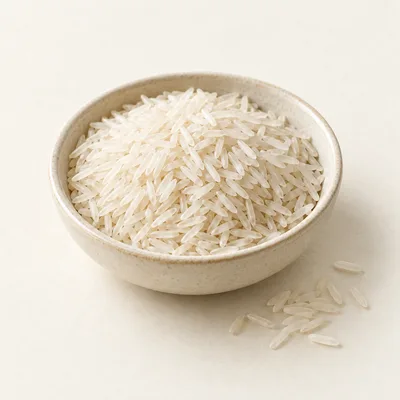 MEAL FOUNDATIONRice
Steamed, made into noodles or tossed into salads
Lahpet mixed with pulses, sesame and aromatics
Oil, toasted garnish and sauce thickener
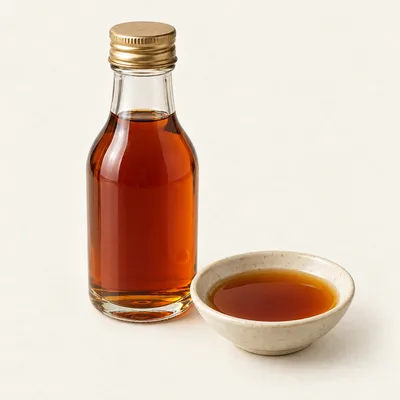 FERMENTED SEASONINGFish paste
Ngapi in dips, curries, relishes and broths
Lahpet thoke makes tea a savoury social food. Fermented tea leaves are mixed with fried beans, sesame, garlic, chilli, cabbage and tomato, balancing soft, crisp, bitter and sour elements. [8][9]
Mohinga is a morning category with local variation. Rice noodles sit in a fish broth thickened and scented with aromatics; garnishes, fish and texture vary by vendor and region. [8]
Tea shops, curry counters and community hosts use different ordering systems.
A curry order commonly expands into a full set. Rice, soup, raw or blanched vegetables, ngapi dip and small sides may arrive around the selected curry, so the meal is broader than its named main. [8]
Community tourism requires care in the current context. Official programmes describe Pa-O and other village cooking experiences, but access, consent and local conditions change; use current local advice and avoid treating ethnic food as spectacle. [9][7]
Food-culture sources checked .
Broths, fish and fermented seasonings
Mohinga is rice vermicelli with fish chowder, and one recipe version includes fish and fish stock as core components, with boiled egg often added. Mont Di and Nga Baung also centre on fish, while Kyay Oh may use fermented fish sauce in its broth. Ask whether stock, fish sauce, dried fish or shrimp paste is used, including in a supposedly separate sauce or garnish.
Noodles, salads and toppings
Atho has wheat noodles and may be finished with crushed or roasted peanuts. Mee Shay may combine pork topping, soy sauce and peanut garnish. Laphet Thoke can include peanuts, dried shrimp and sesame, while Nan Gyi Thoke uses a chicken sauce and may contain fermented fish sauce. Ask for every dressing, crunchy topping and seasoning before mixing.
Curries and regional variation
Burmese curry is distinct from Indian and Thai curry, commonly built around onion or tomato and often served hot, with substantial oil used in its preparation. Beef, chicken, pork, egg, fish and prawn curry versions differ: several may use fermented fish sauce, while prawn curry centres on crustaceans. Confirm the exact regional recipe.
Snacks and sweets
Burmese samosa uses a wheat-flour wrapper, and Samosa Thoke includes that samosa component. Mont Lin Ma Yar has egg cooked as a topping; Sanwin Makin may contain egg, wheat semolina and butter. Burmese Faluda uses cow milk and may include ice cream, while Shwe Yin Aye commonly includes soft wheat bread. Ask about fillings, toppings and serving accompaniments.
Ingredients worth recognising
Start with these ingredients, then follow their names and recorded food connections. Check the recipe and product actually used.
Wheat noodles
Wheat noodles are the defining base recorded for Atho and the customary noodle base for Ohn No Khao Swe. Ask whether the bowl uses wheat noodles, what is in the broth, and whether noodles share boiling water or utensils with other noodles.
Fermented Fish Sauce
Fermented fish sauce is a recorded seasoning variation in Burmese beef, chicken and pork curries and in other dishes such as Nan Gyi Thoke. Ask whether it is added during cooking, mixed into a dressing or offered separately.
Peanut
Peanuts are recorded as toppings or mix-ins for Atho, lahpet thoke, tomato salads, ginger salad and several Shan dishes. Ask about crushed peanut garnish, peanut-containing toppings and shared containers or spoons used to finish the dish.
Egg
Egg is intrinsic to Burmese egg curry and is also recorded as a topping in Mont Lin Ma Yar, a garnish for mohinga and Ohn No Khao Swe, and a setting ingredient in Sanwin Makin. Ask when and where it is added.
Cow Milk
Cow milk is a core liquid base in Burmese Faluda, and ice cream may add further milk ingredients. Ask whether the drink contains milk, ice cream or another dairy component, and whether these are added before serving or offered separately.
Sesame Seed
Sesame is recorded as a topping or garnish for Bein Mont, lahpet thoke, tomato and ginger salads, Mont Let Saung and Shan-style salads. Ask whether sesame is mixed through, sprinkled on top, or present in a filling or sauce.
How food labelling works
A current, country-specific allergen-labelling summary for Myanmar has not yet been verified for this guide. Do not transfer the list of regulated allergens or restaurant disclosure rules from your home country to this one.
Read the complete ingredients on the actual package and keep any local-language sticker with the original label. For imported products, compare the information on that pack rather than a photograph of the brand sold elsewhere. Ask the manufacturer or seller to clarify an unfamiliar term.
For loose food or meals prepared to order, ask who can check the recipe and the labels on bought-in ingredients. Explain every food you avoid, including ingredients outside familiar allergy groups; a short symbol chart may not cover your list.
Language and communication
Burmese is Myanmar’s official language and is written in the Burmese script. Prepare a written explanation in Burmese that names the relevant ingredient or dish and asks for a complete recipe check, including broth, sauce, toppings and shared utensils. Use dish names only as recognition aids, not as an allergy request.
Myanmar also has communities using languages including Shan, Mon and Pa-O; Shan food is associated particularly with Shan State and Inle Lake. In regional settings, prepare the explanation in Burmese and, where appropriate, ask a local speaker to confirm the wording in the relevant community language. Staff confirmation still matters.
Eating in different settings
Street stall or local counter
For mohinga, samosa thoke or a noodle bowl, ask whether the stock contains fish, dried fish, fish sauce or shrimp paste. Ask whether peanuts, sesame, egg or chilli are added at the counter, and whether the serving spoon and cooking water are shared.
Tea shop or snack stall
For Mont Lin Ma Yar, Bein Mont or Burmese samosa, ask about the batter, wheat wrapper, egg topping, peanut filling and sesame garnish. Confirm whether the snack is cooked in shared oil or on a shared griddle, and request toppings separately only if staff confirm the base.
Restaurant serving curries
When ordering beef, chicken, pork, egg, fish or prawn curry, ask for the complete recipe and region-specific version. Check onion or tomato preparation, fermented fish sauce, shrimp paste, stock, oil, garnish and whether rice or accompaniments are served from shared vessels.
Dessert shop or packaged-food shop
For Faluda, Shwe Yin Aye or Sanwin Makin, ask about cow milk, ice cream, butter, egg, wheat semolina and bread. For packaged items, inspect the complete ingredient list and ask about unfamiliar ingredients rather than relying on the product name or a dietary description.
Before you travel
Review your personal plan
Discuss your travel plans with your clinician and keep your prescribed medicines and emergency instructions accessible. Tell companions where these are and how to follow your plan.
Check your medicines before entering Myanmar
If travelling from the UK, do not assume a UK prescription will be accepted by a pharmacy in Myanmar, and be aware that pharmaceutical products for sale could be counterfeit. Check medicine-import requirements and best practice with the relevant authority before travel, and keep medicines in their original packaging where advised.
Make the first meals easier to organise
Contact your accommodation and transport providers in advance. Save your written food list, menu questions and destination address offline. Check entry restrictions before packing backup food, and plan how you will check meals during arrival and onward journeys.
Plan access to medical help
Myanmar’s public health sector is under severe strain, and access to competent medical advice may be limited outside Yangon and Mandalay. Private facilities operate, but serious illness or injury may require transfer to a neighbouring country. Check insurance cover, accessible funds, regional access and any night-time restrictions before travel.
Emergency resources
For a suspected severe allergic reaction, follow your prescribed emergency plan and seek urgent medical help. Give your exact location clearly.
Ambulance and urgent medical help
Dial 192 and ask for an ambulance.
Explore next
Your allergy in Myanmar
Choose a food concern for the country notes and questions relevant to it.
Dishes in Myanmar
Follow the ingredients and cuisine connections in individual dish records.
Your own food list
Combine allergy groups and individual ingredients in one guide, with local names where recorded.
Allergy cards
Prepare the information you need to explain your food requirements.
FAQs, sources and review dates
Is Shan tofu made from soya beans?
One version of Shan tofu is made with mung beans rather than soya beans, but serving variations may include peanuts or soy sauce. Ask what the tofu itself contains and whether the sauce, garnish or noodle accompaniment is added from a shared container.
Can a salad be ordered without its topping?
Some recorded salads commonly use peanuts, sesame or dried shrimp: lahpet thoke, ginger salad and Shan-style salads are examples. Ask whether the ingredient is mixed through the salad or added at the end, then check the dressing, utensils and preparation surface as well.
What should I ask about tamarind paste?
Tamarind paste is not itself equated with a common allergy group here, but some commercial pastes use sulfite preservatives. Ask to see the complete product ingredient list and check whether the paste is in the dressing, sauce or cooked mixture.
Sources checked: . This researched draft is awaiting editorial review. Practical questions apply the sources below to local food settings; they do not confirm any individual meal's ingredients or preparation.
Sources & references (10)
- FCDO · Myanmar health and medical assistance
Emergency contact details, local healthcare and medicine guidance. UK-specific eligibility does not apply to every visitor.
- Wikivoyage contributors · Myanmar
Community-edited culinary context only; not an allergy or medical authority. Brief food-context adaptations, CC BY-SA 4.0: https://creativecommons.org/licenses/by-sa/4.0/. Recipe questions also use PlateSafe’s draft records.
- FARE · Dining out
General recipe and preparation questions, applied here to country-specific food examples.
- FARE · Travelling with food allergies
General preparation, written communication and access to prescribed medicines. Not country-specific import permission.
- PlateSafe · Myanmar recorded food connections
Existing draft dish and ingredient records, used as examples to investigate. These are not independently verified recipes or suitability assessments.
- Unicode CLDR · Territory language data
Language suggestions. Regional language needs must be confirmed with the particular food provider.
- Myanmar Ministry of Hotels and Tourism — About Myanmar
- Myanmar Ministry of Hotels and Tourism
- Myanmar Ministry of Hotels and Tourism — Community-based tourism
- FAO — Myanmar country profile