
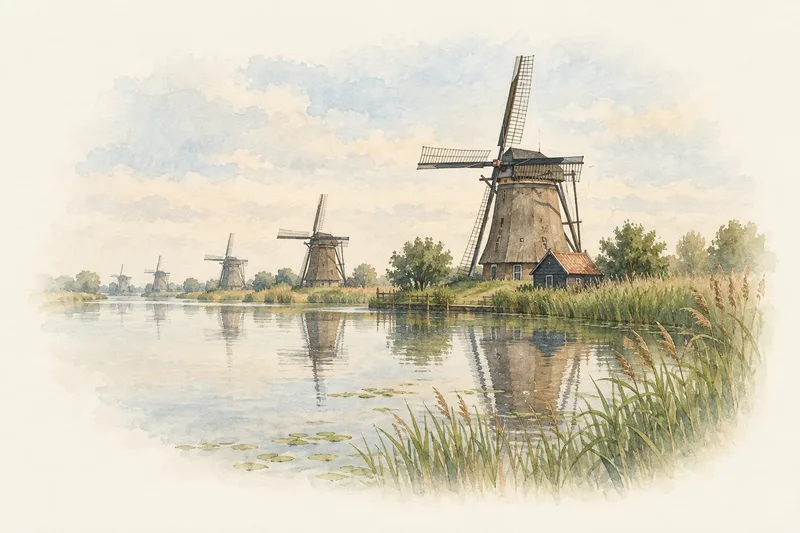
BEFORE YOUR FIRST MEAL
Navigating food allergies in Netherlands
Dutch food can look simple while its details matter: a potato-and-vegetable mash may contain butter or milk, and familiar snacks often combine wheat, egg and dairy. Coastal dishes bring fish and mussels; bakeries and markets add pastries, pancakes and waffles. Check the complete recipe for the exact serving, including sauces, coatings, garnishes, cooking fats and shared equipment.
What to know first
Potato dishes vary
Stamppot is mashed potato with one or more vegetables. Ask whether butter, cow’s milk, sausage, stock or a separate topping is mixed through the mash.
Batter is not one recipe
Pannenkoeken and poffertjes are recorded with wheat flour, milk and egg, while fried apple treats and fish batters can use wheat and egg too.
Explain the whole order
Describe the food you must avoid and ask about the complete recipe, sauce, stock, garnish, frying oil, cooking water, utensils and contact with other food.
Preparation needs checking
For kroket, kaassoufflé or kibbeling, ask whether coating, filling and oil are handled separately from other orders; a removed topping does not answer the recipe question.
Read the full label
For prepacked food, EU rules require the 14 regulated allergen categories used as ingredients to stand out in the ingredients list; still read every ingredient for other concerns.
Understanding the food
Potatoes, rye and wheat bread, cheese, herring, eel, brassicas, apples and pulses vary from Friesland to Limburg and Zeeland. Indonesian, Surinamese, Caribbean, Turkish, Moroccan and other communities are essential to contemporary Dutch eating, not optional international additions.
Coast, clay, peat and sandy soils produce distinct regional food.
| Region or community context | Food landscape | Examples to explore |
|---|---|---|
| North & Wadden | Dairy, rye, potatoes, fisheries and island products | Frisian sugar bread, clove cheese, mustard soups and fish |
| West & Randstad | Ports, herring, greenhouse produce and global migration | Herring, stroopwafels, rijsttafel, roti and urban market food |
| Zeeland & southwest | Estuary shellfish, samphire and sea vegetables | Mussels, oysters, eel, bolus pastries and coastal greens |
| Limburg, Brabant & east | Asparagus, orchards, buckwheat and Catholic feast culture | Limburg vlaai, white asparagus, stews and regional beer |
The national tourism board foregrounds regional products. It maps Limburg asparagus, Zeeland samphire, Betuwe fruit, northern cheeses and coastal herring instead of reducing Dutch food to snacks. [8][9]
The Wadden is a tidal food landscape. UNESCO recognises an intertidal ecosystem across Dutch, German and Danish coasts, important context for shellfish, fish and island farming. [11]
Preservation and dairy turn a temperate harvest into everyday food.
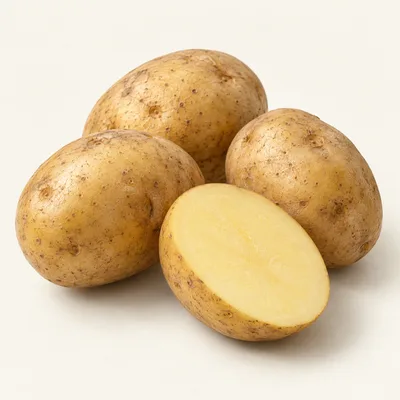 FIELD CROPPotato
Stamppot, fries, salads and boiled household meals
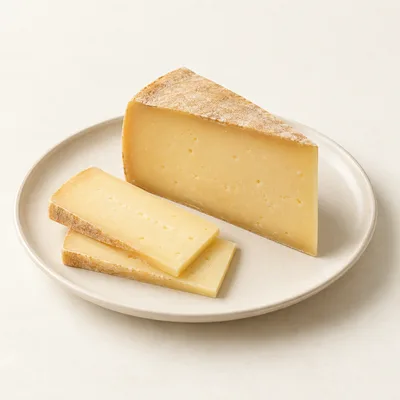 DAIRY CRAFTCheese
Gouda, Edam, farmhouse and cumin or clove varieties
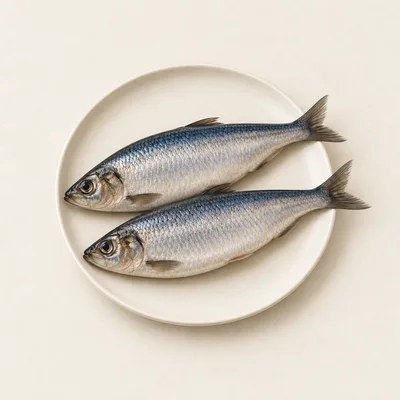 NORTH SEA FISHHerring
Lightly cured, pickled or served in a bread roll
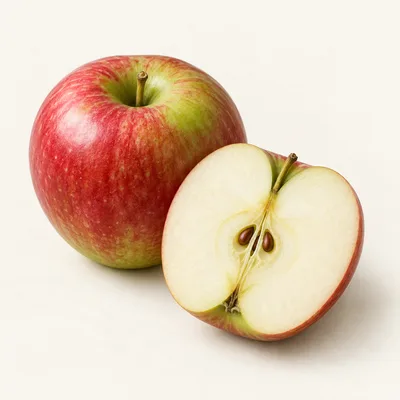 ORCHARD FRUITApple
Pie, syrup, compote and regional juice
Stamppot is a flexible winter form. Potato is mashed with kale, endive, sauerkraut, carrot and onion or other vegetables, then paired with gravy and often smoked sausage. [8]
The colonial table remains present. Indonesian rijsttafel and dishes shaped in the former Dutch East Indies must be discussed with colonial history, while Surinamese roti and pom reflect their own multi-community origins. [8][10]
Market, brown café, toko and farm shop disclose different Dutch histories.
A snack-bar menu is only one layer. Bitterballen, croquettes and fries are visible, but seasonal farm produce, seafood, bakeries and migrant-run toko counters reveal much more of daily eating. [8][9]
Buy regional products where the landscape is legible. Farm shops, fish stalls and weekly markets connect cheese, fruit, asparagus and shellfish to producer and season rather than a generic souvenir label. [9][10]
Food-culture sources checked .
Mash, meat and vegetables
A conventional meal may place meat, potatoes and a vegetable side together. Examples include hutspot with carrot and onion, and boerenkoolstamppot or andijviestamppot. Ask whether butter or cow’s milk is mashed in, whether sausage is served alongside, and whether broth, gravy or seasoning is added. Zuurkoolstamppot and hete bliksem also need their own recipe checked rather than being judged from the name.
Fish and shellfish preparations
Herring is served as Hollandse Nieuwe or in a bread roll with chopped onion; kibbeling and lekkerbekje use battered fish. Zeeland-style mussels may include celery, butter and white wine. Ask which fish or shellfish is present, what the batter contains, whether sauce is separate, and whether the same oil, pan or utensils are used for other seafood or coated foods.
Bakeries, pancakes and seasonal sweets
Pannenkoeken may be sweet or savoury, with examples such as apple, syrup, cheese or bacon; poffertjes are small enriched pancakes. Stroopwafels have waffle layers and syrup, while appeltaart, boterkoek and Limburgse vlaai use pastry or raised dough. Ask about flour, egg, milk, butter, fillings and toppings, and whether the griddle or baking surfaces are shared.
Ingredients worth recognising
Start with these ingredients, then follow their names and recorded food connections. Check the recipe and product actually used.
Bread
Bread appears in sandwiches, uitsmijter, wentelteefjes and broodje haring. Recorded formulations may use wheat or rye, with possible soy, sesame, milk or egg. Check the exact loaf, bakery recipe, spreads and whether the bread is toasted on a shared surface.
Celery
Celery is recorded in beef broth and the vegetable base of erwtensoep and bruine bonensoep, and as an aromatic in Zeeland mussel preparations. Ask specifically about stock, soup base, seasoning and aromatic vegetables rather than only the named main ingredient.
Mussel
Mussels are a mollusc and feature in Zeeuwse Mosselen. The recorded preparation may also use celery, butter and white wine. Ask whether mussels are cooked in the same liquid or pan as other shellfish, and whether the sauce is included in the serving.
Wheat flour
Wheat flour is recorded in pancake, poffertje, pastry, battered fish, croquette and fried apple preparations. Ask about flour in the batter, filling, thickener, coating and garnish; also distinguish wheat from rye and ask about shared sieves, boards and fryers.
Butter
Butter may enrich stamppot and is recorded in pastries, stroopwafels, croquette roux and some mussel sauces. Ask whether it is in the mash, dough, filling, frying or finishing sauce, and whether a named dairy-free alternative has a complete ingredient list.
Egg
Egg is central to pannenkoeken and poffertjes and is also recorded in coatings, pastry, choux and wentelteefjes. Ask whether it is in the batter, glaze, filling or coating, and whether the same whisk, pan or cooking surface is used.
How food labelling works
EU food-information rules cover 14 allergen categories used as ingredients. On prepacked food, these must stand out in the ingredients list. The categories include gluten-containing cereals, crustaceans, eggs, fish, peanuts, soybeans, milk, specified nuts, celery, mustard, sesame, sulphites above the stated threshold, lupin and molluscs.
Allergen information is also required for food sold without prepacking, including restaurant meals. Ask how to obtain the information for the exact order. National arrangements affect how it is supplied; an ingredient declaration does not by itself describe shared equipment or handling.
If you avoid a food outside those categories, read the complete ingredients and name that food when speaking to staff. A short allergen key cannot answer every ingredient-specific question.
Language and communication
Dutch (Nederlands) is the national language and should be prioritised in a written explanation of your food restriction. State the specific ingredient or food, then request confirmation for the complete recipe, including sauces, stock, toppings, frying oil and shared utensils. Food names such as stamppot, kroket and pannenkoeken help identify an item, but are not a complete request.
Frisian is an official language besides Dutch and is especially relevant in Friesland; Low Saxon varieties are used in parts of Groningen, Overijssel, Drenthe and Gelderland, while Limburgish is used in Limburg. Regional wording and staff confirmation may vary. English and German may also be used, but written details still need checking.
Eating in different settings
Market waffle or pancake stall
At a stroopwafel, pannenkoeken or poffertjes stall, ask which flour, milk, butter and egg are in the batter or dough. Check fillings such as apple, cheese, bacon or syrup, then ask whether the griddle, spatula and pouring tools are shared.
Bakery or pastry counter
For appeltaart, boterkoek, Limburgse vlaai, Bossche Bol or bread, request the complete recipe and label for the exact item. Ask about wheat, rye, butter, milk, egg, almond filling, toppings and contact between decorated and undecorated products.
Snackbar or fried-food counter
Before ordering kroket, kaassoufflé, frikandel, kibbeling or patat, ask about the filling, batter, breadcrumbs, sauces and oil. Check whether peanut sauce, mayonnaise or curry ketchup is added, and whether the fryer and serving tools are shared.
Restaurant or accommodation meal
For stamppot, erwtensoep, herring or Zeeuwse Mosselen, ask the cook to check stock, aromatics, mash enrichment, bread, sauce and garnish. At breakfast, ask about bread, butter, cheese, egg and spreads; at a shared meal, confirm every separate dish.
Before you travel
Review your personal plan
Discuss your travel plans with your clinician and keep your prescribed medicines and emergency instructions accessible. Tell companions where these are and how to follow your plan.
Check your medicines before entering Netherlands
Medicine rules and regulation can differ from the UK. Before travelling, check TravelHealthPro guidance and the relevant authority for the legal status and regulation of each prescribed or purchased medicine. Ask what requirements apply to each medicine before departure.
Make the first meals easier to organise
Contact your accommodation and transport providers in advance. Save your written food list, menu questions and destination address offline. Check entry restrictions before packing backup food, and plan how you will check meals during arrival and onward journeys.
Plan access to medical help
For medically necessary state healthcare in the Netherlands, check whether you qualify for and have a valid GHIC or EHIC; these do not replace travel insurance and may not cover private, non-urgent or other listed costs. Check NHS guidance for eligibility and cover, and use the FCDO list to identify medical providers where some staff speak English.
Emergency resources
For a suspected severe allergic reaction, follow your prescribed emergency plan and seek urgent medical help. Give your exact location clearly.
Ambulance and urgent medical help
Dial 112 and ask for an ambulance.
Explore next
Your allergy in Netherlands
Choose a food concern for the country notes and questions relevant to it.
Dishes in Netherlands
Follow the ingredients and cuisine connections in individual dish records.
Your own food list
Combine allergy groups and individual ingredients in one guide, with local names where recorded.
Allergy cards
Prepare the information you need to explain your food requirements.
FAQs, sources and review dates
Could a plain-looking Dutch soup contain celery?
Yes, celery is recorded as a common vegetable seasoning in erwtensoep and bruine bonensoep, and in some beef-broth formulations. Ask what stock and vegetable base were used, rather than relying on the soup’s name or asking only about visible celery.
What should I ask about peanut sauce?
Peanut sauce is recorded with Dutch snackbar options such as satésaus, speciaal and oorlog, and peanut butter is mentioned in the food context. Ask whether it is added to the order, what the complete sauce contains, and whether the spoon or bottle is shared.
Is rye the same as wheat?
No. Rye flour is recorded as the traditional base of ontbijtkoek, while wheat flour is recorded in many pancakes, pastries and coatings. Ask which flour is used in the exact product and read the complete ingredient list; do not treat a wheat-free name as proof of suitability.
Sources checked: . This researched draft is awaiting editorial review. Practical questions apply the sources below to local food settings; they do not confirm any individual meal's ingredients or preparation.
Sources & references (11)
- FCDO · Netherlands health and medical assistance
Emergency contact details, local healthcare and medicine guidance. UK-specific eligibility does not apply to every visitor.
- Wikivoyage contributors · Netherlands
Community-edited culinary context only; not an allergy or medical authority. Brief food-context adaptations, CC BY-SA 4.0: https://creativecommons.org/licenses/by-sa/4.0/. Recipe questions also use PlateSafe’s draft records.
- FARE · Dining out
General recipe and preparation questions, applied here to country-specific food examples.
- FARE · Travelling with food allergies
General preparation, written communication and access to prescribed medicines. Not country-specific import permission.
- PlateSafe · Netherlands recorded food connections
Existing draft dish and ingredient records, used as examples to investigate. These are not independently verified recipes or suitability assessments.
- Unicode CLDR · Territory language data
Language suggestions. Regional language needs must be confirmed with the particular food provider.
- European Commission · Allergen information
Scoped allergen-labelling summary. Does not establish an individual meal’s ingredients or preparation.
- Holland.com — A culinary journey through the Netherlands
- Holland.com — Regional products
- Holland.com — Visit the regions
- UNESCO World Heritage Centre — Wadden Sea