

BEFORE YOUR FIRST MEAL
Navigating food allergies in Philippines
Food in the Philippines changes between islands, provinces and cultural traditions. Rice is common, while some areas favour corn; garlic, onion, ginger and vinegar provide much of the flavour. Long cooking and well-done meat are also noted features. For allergy-aware travel, ask about the complete recipe, especially sauces, fermented seasonings, garnishes, stocks and shared cooking equipment.
What to know first
Adobo and soy sauce
Adobo commonly uses soy sauce, and many conventional versions contain wheat. Ask whether the sauce is wheat-free, what else is added, and whether it is poured on after cooking.
Kare-kare and peanut
Kare-kare is associated with a peanut or peanut-paste sauce and may be served with shrimp paste. Confirm both the main sauce and the separate accompaniment.
Explain the whole recipe
Do not name only an allergen. Ask about marinades, stock, dipping sauces, toppings, garnishes and shared utensils, then request confirmation for the particular batch being served.
Check cooking separately
For fried food such as ukoy, lumpia or turon, ask what oil, batter and utensils are used, and whether the oil or fryer is shared with other foods.
Read complete labels
For packaged food, read the complete ingredient list rather than relying on a dish name or dietary description. Check sauces, stocks, flavourings and toppings on every product.
Understanding the food
Rice, maize, coconut, fish, pork, chicken, vinegar, fermented seafood, root crops and tropical fruit change across Luzon, Visayas and Mindanao. Austronesian foundations meet Chinese, Spanish, American and other exchange, while Ilocano, Kapampangan, Bicolano, Cebuano, Ilonggo, Tausug, Maranao, Maguindanaon and many other traditions retain distinct names and techniques.
Island, language and trade route matter more than one national flavour.
| Region or community context | Food landscape | Examples to explore |
|---|---|---|
| Northern & central Luzon | Rice terraces, dry-zone vegetables, pork, river fish and urban markets | Pinakbet, bagnet, sisig, pancit, bulalo and rice cakes |
| Bicol & southern Luzon | Coconut, chilli, abaca country and rich coastal fisheries | Pinangat, laing, kinunot and coconut-rich stews |
| Visayas | Seafood, sugar, pork, noodles and strong city specialities | Cebu lechon, kinilaw, batchoy, inasal and KBL |
| Mindanao & Sulu | Halal foodways, coconut, turmeric, palapa, tuna and Indigenous crops | Piaparan, tiyula itum, pastil, satti and bamboo-smoked fish |
The Department of Tourism stresses that every region differs. Adobo and lechon may be national reference points, but official regional guides document distinctive Bicol, Ilocano, Ilonggo and Mindanao repertoires. [7][8][9]
An archipelago depends on farms and fisheries exposed to disaster. FAO identifies rice, coconut, banana, maize, livestock and fish as major systems while noting typhoons, floods and conflict can sharply affect producer livelihoods. [10]
Sourness, fermentation and coconut create many regional balances.
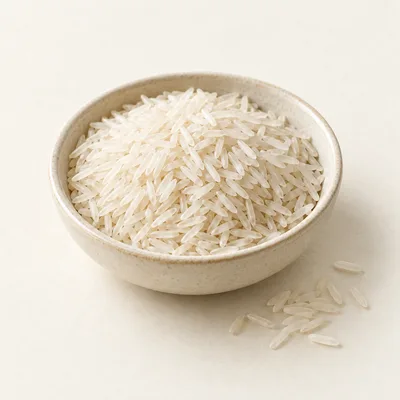 MEAL FOUNDATIONRice
Steamed grain, porridge, noodles, cakes and wrapped meals
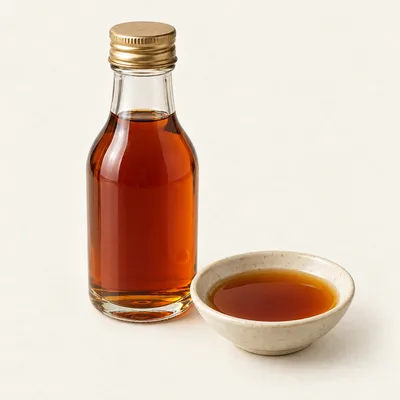
Cane, coconut or palm vinegars for adobo, dipping and pickling
 TROPICAL RICHNESSCoconut milk
Ginataan, Bicolano dishes, sweets and Mindanao stews
 FERMENTED SEASONINGFish sauce
Patis, bagoong and regional fermented seafood products
Adobo is a method family, not a fixed sauce. Meat, seafood or vegetables can be braised with vinegar, salt or soy, garlic and changing aromatics; dry, saucy, coconut and regional versions are all part of the name. [7]
Mindanao’s flavours require community attribution. Palapa, tiyula itum, piaparan and pastil are connected to Maranao, Tausug, Maguindanaon and other Muslim Filipino traditions, not a generic spicy southern cuisine. [9]
Carinderia, panciteria, ihawan and family handaan each organise choice differently.
Pointing at prepared food is part of everyday service. A carinderia displays stews, vegetables and fried dishes for rice plates, while a panciteria or grill specialist may centre one technique with many local variations. [7]
Hospitality often begins with “Have you eaten?” Shared abundance is culturally meaningful, but a guest should still ask whose regional cooking is being served and let hosts guide serving order and communal eating practices. [9][7]
Food-culture sources checked .
Sauces, marinades and braises
Filipino examples often need recipe-level questions rather than name-based assumptions. Adobo, mechado, menudo and paksiw na lechon may use soy sauce; chicken inasal may have a soy-based marinade. Afritada can also include soy sauce. Ask whether the seasoning is in the marinade, cooking liquid or finishing sauce, and whether a separate portion can be prepared without it.
Rice dishes, noodles and wrappers
Rice is a common staple, but wheat-based formats are also found. Ilocos Miki and Pancit Canton use wheat noodles; pancit bihon is a different noodle example but still needs questions about sauce and toppings. Ilocos empanada, lumpiang sariwa, lumpiang Shanghai, turon and ukoy may involve wrappers or batters that need checking. Ask about flour, egg, filling and shared oil.
Soups, vegetables and fermented seasonings
Arroz caldo, lugaw, tinola, dinengdeng, inabraw, pinakbet and pinapaitan can involve fermented fish sauce or fermented fish, depending on the recorded preparation. Dinengdeng and inabraw may also include fish with the vegetables. Ask whether seasoning was added to the pot, whether stock was used, and whether fish is an accompaniment rather than part of the base.
Regional and recipe variation
Filipino cooking varies between regions, provinces, islands and ethnic groups, so one preparation cannot stand for every version. Kare-kare may have peanut sauce and shrimp paste; kinilaw may use raw fish or regional crustaceans; sinigang may use fish or shrimp. Ask which protein, sauce and toppings are in this serving.
Ingredients worth recognising
Start with these ingredients, then follow their names and recorded food connections. Check the recipe and product actually used.
Wheat flour
Wheat flour is recorded in wrappers and batters for foods such as ukoy, turon and lumpiang Shanghai, and may appear in some puto or kutsinta versions. Ask whether the flour is used in the base, coating, sauce or shared fryer.
Shrimp
Shrimp appears in examples including pancit palabok and some sinigang or kinilaw variations. Ask whether fresh or dried seafood is in the sauce, stock or topping, and whether the cooking surface and utensils are shared.
Peanut
Peanut is central to the recorded kare-kare sauce and may occur in sweet sauce for lumpiang sariwa. Ask whether peanut is blended into the main dish, served separately, or present in another sauce handled with the same utensils.
Soy Sauce
Soy sauce is recorded in adobo, mechado, menudo, pancit and several other dishes, sometimes as a marinade or braising liquid. Ask which sauce was used, whether it contains wheat, and whether a dipping bowl is separate.
Egg
Egg is recorded in bibingka, leche flan, tortang talong, Ilocos empanada, ukoy and several toppings or batters. Ask whether it is mixed into the recipe, brushed on, added as a garnish, or handled on the same preparation surface.
Cow Milk
Cow milk is recorded in champorado and in dairy components of leche flan; milk may also appear as a topping or pour-over in halo-halo. Ask about evaporated or condensed milk, cheese, butter and shared serving spoons.
How food labelling works
A current, country-specific allergen-labelling summary for Philippines has not yet been verified for this guide. Do not transfer the list of regulated allergens or restaurant disclosure rules from your home country to this one.
Read the complete ingredients on the actual package and keep any local-language sticker with the original label. For imported products, compare the information on that pack rather than a photograph of the brand sold elsewhere. Ask the manufacturer or seller to clarify an unfamiliar term.
For loose food or meals prepared to order, ask who can check the recipe and the labels on bought-in ingredients. Explain every food you avoid, including ingredients outside familiar allergy groups; a short symbol chart may not cover your list.
Language and communication
English and Filipino are the Philippines’ official languages, while Filipino is the national language. Prepare a written explanation in both, listing the foods and ingredients to avoid and asking for the complete recipe, sauces, stock, toppings and cooking oil. Names help recognition but are not a complete allergy request.
Regional language use varies across the islands. Cebuano is used in Cebu, Bohol, Negros Oriental and much of Mindanao; Hiligaynon in Iloilo and nearby areas; Waray in Samar and Leyte; and Ilocano in northern Luzon. Outside major centres, show the written explanation and ask a local speaker to confirm the reply.
Eating in different settings
Carinderia or turo-turo counter
Ask which dishes contain soy sauce, fish sauce, shrimp paste, stock or peanut sauce before choosing from prepared food. Ask whether a serving can be taken from a clean portion before sauce is added, and whether the spoon or ladle is shared between trays.
Street stall or food kiosk
For ukoy, turon, lumpia or other fried items, ask what the batter contains and whether the oil is shared. Confirm the filling, dipping sauce and garnish separately; do not treat a plain-looking fried item as a complete recipe.
Bakery or dessert counter
For bibingka, royal bibingka, puto, kutsinta, champorado, halo-halo or leche flan, ask about wheat flour, egg, milk, butter, cheese and toppings. Ask staff to identify every sauce or pour-over and use a clean utensil for the portion.
Packaged-food shop or accommodation
Read the full ingredient list on sauces, stock cubes, snacks and prepared meals. Ask the seller or host to identify ingredients in an unopened product, and ask whether food will be cooked in shared oil, water, pans or utensils.
Before you travel
Review your personal plan
Discuss your travel plans with your clinician and keep your prescribed medicines and emergency instructions accessible. Tell companions where these are and how to follow your plan.
Check your medicines before entering Philippines
The official UK source says that medicines prescribed or bought in the UK may have different legal status or regulation in the Philippines, and directs travellers to TravelHealthPro best-practice guidance. Before travel, read that guidance and ask your prescriber or pharmacist what preparation is needed for your medicines.
Make the first meals easier to organise
Contact your accommodation and transport providers in advance. Save your written food list, menu questions and destination address offline. Check entry restrictions before packing backup food, and plan how you will check meals during arrival and onward journeys.
Plan access to medical help
Availability of care varies across the Philippines and may be more limited in rural or remote areas; private hospital treatment and medical transport can be expensive. Check that travel insurance covers treatment and repatriation, confirm accessible funds, and review the official provider information before travelling.
Emergency resources
For a suspected severe allergic reaction, follow your prescribed emergency plan and seek urgent medical help. Give your exact location clearly.
Ambulance and urgent medical help
Call 911 and ask for an ambulance.
Explore next
Your allergy in Philippines
Choose a food concern for the country notes and questions relevant to it.
Dishes in Philippines
Follow the ingredients and cuisine connections in individual dish records.
Your own food list
Combine allergy groups and individual ingredients in one guide, with local names where recorded.
Allergy cards
Prepare the information you need to explain your food requirements.
FAQs, sources and review dates
Could a dish called vegetarian still contain fish or shrimp ingredients?
Ask specifically about fish sauce, fermented fish and shrimp paste. Examples include these seasonings in dishes such as dinengdeng, inabraw, pinakbet and laing. Also ask whether fish or seafood is served with the vegetables, rather than checking only the main ingredient.
What should I check if peanuts are not my concern but coconut is?
Coconut is an individual ingredient to check separately from peanut and other listed ingredients. Ask whether coconut is in the dish, dessert, sauce or drink, and whether a shared spoon or blender is used. Do not infer its presence or absence from a dish name.
How should I compare pancit bihon and pancit Canton?
The noodle bases differ: Pancit Canton uses wheat noodles, while pancit bihon may contain prawns and soy sauce. Ask about the exact noodles, stock, sauce, seafood, toppings and shared wok before choosing either dish.
Sources checked: . This researched draft is awaiting editorial review. Practical questions apply the sources below to local food settings; they do not confirm any individual meal's ingredients or preparation.
Sources & references (10)
- FCDO · Philippines health and medical assistance
Emergency contact details, local healthcare and medicine guidance. UK-specific eligibility does not apply to every visitor.
- Wikivoyage contributors · Philippines
Community-edited culinary context only; not an allergy or medical authority. Brief food-context adaptations, CC BY-SA 4.0: https://creativecommons.org/licenses/by-sa/4.0/. Recipe questions also use PlateSafe’s draft records.
- FARE · Dining out
General recipe and preparation questions, applied here to country-specific food examples.
- FARE · Travelling with food allergies
General preparation, written communication and access to prescribed medicines. Not country-specific import permission.
- PlateSafe · Philippines recorded food connections
Existing draft dish and ingredient records, used as examples to investigate. These are not independently verified recipes or suitability assessments.
- Unicode CLDR · Territory language data
Language suggestions. Regional language needs must be confirmed with the particular food provider.
- Philippines Department of Tourism — Food trip and culinary tour
- Philippines Department of Tourism — Bicol cuisine
- Philippines Department of Tourism — Halal food and heritage destinations
- FAO — Philippines at a glance