

BEFORE YOUR FIRST MEAL
Navigating food allergies in Sri Lanka
Sri Lankan meals often combine rice or wheat-based breads with several curries, sambols and accompaniments, so a single order may contain many separate recipes. Kottu roti, hoppers, short eats, fish dishes and sweets can vary between versions. Explain your allergy or dietary requirement before ordering, then confirm the complete recipe, sauces, garnishes, cooking oil and shared utensils.
What to know first
Rice and curry is a collection, not one recipe.
Ask which curries and accompaniments are being served today, whether any contain fish, dried fish, milk, mustard, peanuts or another ingredient relevant to you.
Kottu roti combines several components.
Confirm the roti flour, added egg or meat, sauces and toppings. Ask whether the chopped roti is prepared on a surface also used for other orders.
Explain the requirement in writing.
Prepare a written explanation in Sinhala and Tamil, especially for rural stops. Ask staff to read it and confirm the whole dish, rather than relying on a dish name.
Check preparation at the point of cooking.
Ask about shared oil, water, pans, chopping boards and utensils for fried snacks, fish cutlets, hoppers, roti and curries; request separate preparation only if it can be confirmed.
Read complete ingredient lists.
For packaged biscuits, chocolate, ice cream, sauces and breadcrumbs, read the full ingredient list each time. No national labelling rule is established here, so do not rely on a front label alone.
Understanding the food
Rice, coconut, jackfruit, pulses, fish, chilli, cinnamon, curry leaf and lime appear in different forms across wet-zone, dry-zone, hill-country and coastal kitchens. Sinhalese, Tamil, Muslim, Burgher, Malay and Vedda food knowledge should remain visible: rice and curry is a shared format, not proof that every household cooks the same meal.
Coast, dry zone, hills and northern peninsula support different combinations.
| Region or community setting | Food context | Examples to understand |
|---|---|---|
| Colombo & western coast | Port-city exchange and Sinhalese, Tamil, Muslim, Burgher and Malay communities | Rice and curry, kottu, lamprais, biryani, short eats and seafood |
| Jaffna & the north | Tamil foodways, dry climate, palmyrah and strong seafood traditions | Crab curry, odiyal kool, dosai, string hoppers and palmyrah foods |
| Central hills | Tea estates, Tamil plantation communities, vegetables and cooler climate | Roti, dhal, vegetable curries, sambols and tea-time baking |
| South, east & dry zone | Fishing coasts, paddy irrigation, coconut and regionally adapted crops | Ambul thiyal, hoppers, curd, millet foods, fish and jackfruit curries |
Community contributions should be named. The tourism authority associates kiribath and festive sweets with Sinhalese traditions, dosai and idly with Tamil cooking, biryani and wattalapam with Muslim communities, and lamprais and rich cake with Burgher heritage. [8]
Rice cultivation has deep local history. Archaeology, irrigation works and documented grain varieties connect paddy to long-settled agriculture, while kurakkan and other dryland grains remain part of older chena farming repertoires. [9][10]
Coconut can be milk, sambol, oil or sweetness within the same meal.
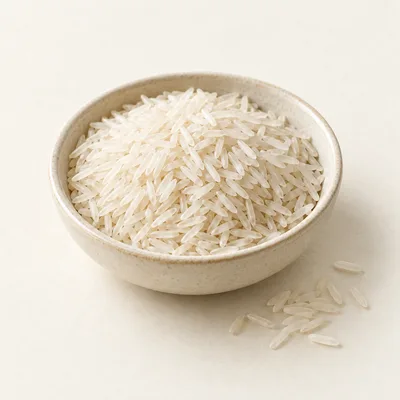 MEAL FOUNDATIONRice
Boiled grain, milk rice, hoppers, string hoppers and flour
 ISLAND STAPLECoconut
Milk, grated flesh, sambol, oil and palm-derived sweeteners
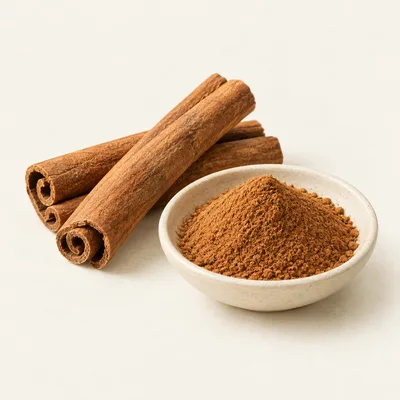 HISTORIC SPICECinnamon
Curries, rice, sweets, drinks and export history
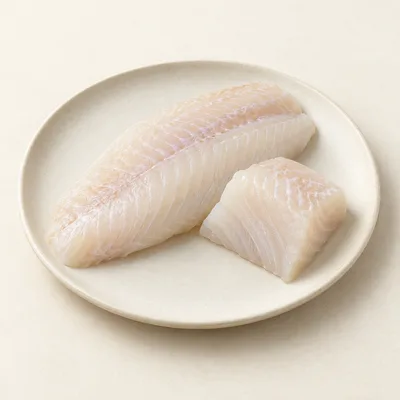 COASTAL PROTEINFish
Fresh, dried, fried or soured in curry
Rice and curry describes an arrangement. One serving may combine rice with dhal, vegetable, fish or meat curries, mallum, sambol, pickle and papadum; heat, colour and number of dishes vary by cook and occasion. [7][8][10]
Hoppers and string hoppers are different techniques. Fermented bowl-shaped appa cook against a curved pan, while indi appa are pressed rice-flour noodles steamed into discs and served with curries or coconut sambol. [7][10]
Roadside bakery, hotel buffet and family rice table reveal different repertoires.
Short eats are part of daily mobility. Cutlets, patties, rolls and fish buns fill bakery cases and station stops, carrying colonial pastry forms into contemporary breakfast, tea and travel routines. [7][8]
Ask whose version a menu serves. A dish presented as simply Sri Lankan may have Jaffna, Moor, Burgher, Malay, estate-community or regional roots that explain its grain, fat, spice and preparation. [8][9]
Food-culture sources checked .
Rice, curries and sambols
Rice and curry may arrive as rice surrounded by several curries and delicacies, with fish curry a recorded variation. Pol sambol is described with grated coconut, red chilli and lime; some pol sambol, lunu miris and seeni sambol versions include dried fish. Ask which accompaniments are included, whether they share serving spoons, and whether curry sauce contains dairy, peanut, mustard or soy.
Roti, kottu and hopper dishes
Godamba roti is wheat-based, and Kottu Roti uses chopped godamba roti with vegetables and a chosen meat; egg is a common addition. Hoppers may be plain or egg hoppers, while pittu and pol roti have recorded variations. Ask for the exact flour, batter, added egg, sauce and oil, not simply a plain or vegetarian description.
Snacks, sweets and regional examples
Short eats include rolls and samosas filled with potato, fish or chicken; fish cutlets may use egg and wheat breadcrumbs. Possible local examples include Jaffna crab curry, prawn dishes, watalappam, aluwa and bibikkan. Around Mannar, string hoppers may be paired with curry. Treat each recipe as a local variation: ask about fillings, coatings, garnishes and accompaniments.
Ingredients worth recognising
Start with these ingredients, then follow their names and recorded food connections. Check the recipe and product actually used.
Wheat flour
Wheat flour is recorded in godamba roti, pol roti, kokis and pani pol, and in some pittu; chopped roti is central to kottu. Ask whether the flour is present in the bread, batter or coating, and whether a separate utensil is used.
Egg
Egg may bind or coat fish cutlets, appear in kokis and pani pol, enrich kavum, or be added to kottu and hoppers; watalappam typically uses it. Ask whether the same batter, pan or oil is used for egg and non-egg orders.
Prawns
Prawns are recorded in isso curry, isso vadai and devilled prawns. Ask whether the dish uses whole prawns or a prepared paste, whether the sauce contains soy, and whether cooking oil, pans or serving utensils are shared with other seafood.
Cow Milk
Cow milk is recorded in some pani pol batter, while dairy may also occur in some curry-sauce formulations. Ask whether milk, milk powder, cream or another dairy ingredient is used, and whether it is added to the batter or sauce after cooking.
Coconut
Coconut appears in the recorded food context of pol sambol, coconut treacle and coconut-based sweets, but the exact form can differ. Ask whether it is grated, cooked into a filling, used as treacle or added as a garnish, and check the complete recipe.
Mustard Seed
Mustard seed is a recorded variation in Sri Lankan achcharu and wambatu moju; mustard may also occur in some curry sauces. Ask whether whole seeds, mustard paste or mustard-derived flavouring is used, including in pickles and sauces.
How food labelling works
A current, country-specific allergen-labelling summary for Sri Lanka has not yet been verified for this guide. Do not transfer the list of regulated allergens or restaurant disclosure rules from your home country to this one.
Read the complete ingredients on the actual package and keep any local-language sticker with the original label. For imported products, compare the information on that pack rather than a photograph of the brand sold elsewhere. Ask the manufacturer or seller to clarify an unfamiliar term.
For loose food or meals prepared to order, ask who can check the recipe and the labels on bought-in ingredients. Explain every food you avoid, including ingredients outside familiar allergy groups; a short symbol chart may not cover your list.
Language and communication
Sinhala and Tamil are Sri Lanka’s two official languages. Prepare a written explanation in both, naming the ingredient or preparation that must be avoided and asking for a complete recipe check. Use the language appropriate to the people you are speaking with, rather than assuming one language suits every region.
English is commonly used in Colombo, Kandy, Galle and tourist or government settings, but rural villages may offer only limited English. Dish names such as kottu, hoppers or rice and curry help with recognition, not confirmation; ask staff to verify regional variations and preparation details.
Eating in different settings
Street kottu counter
Before ordering kottu, ask which flour is used for the chopped roti, whether egg is added, and which meat, vegetables and sauces go in. Ask whether the chopping surface, metal utensils and cooking oil are shared with other kottu or egg orders.
Small rice-and-curry eatery
Ask the server to identify every curry, sambol and side dish on the plate or packet. Check specifically for fish curry, dried fish in sambols, and curry sauce ingredients. Ask whether serving spoons are shared between bowls and whether plain rice is kept separate.
Bakery or short-eats counter
For rolls, samosas, fish cutlets, kokis and other fried or baked goods, ask about the filling, wheat flour, egg and breadcrumb coating. Confirm the frying oil, trays, tongs and display surfaces, rather than assuming separate-looking items were prepared separately.
Supermarket or packaged-food shop
For biscuits, chocolate, ice cream, sauces and frozen products, read the complete ingredient list and check the product version and date. Ask staff about sealed packaging and ingredients only as an additional check; do not infer suitability from a brand, flavour or picture.
Before you travel
Review your personal plan
Discuss your travel plans with your clinician and keep your prescribed medicines and emergency instructions accessible. Tell companions where these are and how to follow your plan.
Check your medicines before entering Sri Lanka
Medicines prescribed or bought in the UK can have different legal status or regulation in Sri Lanka. Read TravelHealthPro’s best-practice guidance when travelling with medicines before travelling.
Make the first meals easier to organise
Contact your accommodation and transport providers in advance. Save your written food list, menu questions and destination address offline. Check entry restrictions before packing backup food, and plan how you will check meals during arrival and onward journeys.
Plan access to medical help
Outside Sri Lanka’s main cities, emergency medical treatment may not be readily available, and private hospitals can be expensive. Check that travel insurance covers treatment and repatriation, with accessible funds; consult the official provider list if you need a facility where some staff speak English.
Emergency resources
For a suspected severe allergic reaction, follow your prescribed emergency plan and seek urgent medical help. Give your exact location clearly.
Ambulance and urgent medical help
Call 1990 and ask for an ambulance. Alternatively, contact the Accident Service at Colombo General Hospital on 011 269 1111.
Explore next
Your allergy in Sri Lanka
Choose a food concern for the country notes and questions relevant to it.
Dishes in Sri Lanka
Follow the ingredients and cuisine connections in individual dish records.
Your own food list
Combine allergy groups and individual ingredients in one guide, with local names where recorded.
Allergy cards
Prepare the information you need to explain your food requirements.
FAQs, sources and review dates
How should I check a fish cutlet?
Ask whether the filling is fish, whether egg binds or coats it, and whether the breadcrumb layer contains wheat, milk, sesame or soy-derived ingredients. Then ask how it was fried and whether tongs, oil or trays are shared with other cutlets or short eats.
What should I ask about coconut?
Recipes vary: coconut may be grated into pol sambol, used in sweets or supplied as coconut treacle, and no single universal recipe applies. Ask exactly which form is present, whether it is mixed through or used as a garnish, and whether the complete recipe includes anything else relevant to you.
Can plain hoppers or plain rice be assumed suitable?
No. Plain hoppers are recorded as omitting egg, but the batter, oil, utensils and accompaniments still need checking. Plain rice avoids the listed curry ingredients only if served separately; ask whether it shares a pot, spoon or serving area with curries and sambols.
Sources checked: . This researched draft is awaiting editorial review. Practical questions apply the sources below to local food settings; they do not confirm any individual meal's ingredients or preparation.
Sources & references (10)
- FCDO · Sri Lanka health and medical assistance
Emergency contact details, local healthcare and medicine guidance. UK-specific eligibility does not apply to every visitor.
- Wikivoyage contributors · Sri Lanka
Community-edited culinary context only; not an allergy or medical authority. Brief food-context adaptations, CC BY-SA 4.0: https://creativecommons.org/licenses/by-sa/4.0/. Recipe questions also use PlateSafe’s draft records.
- FARE · Dining out
General recipe and preparation questions, applied here to country-specific food examples.
- FARE · Travelling with food allergies
General preparation, written communication and access to prescribed medicines. Not country-specific import permission.
- PlateSafe · Sri Lanka recorded food connections
Existing draft dish and ingredient records, used as examples to investigate. These are not independently verified recipes or suitability assessments.
- Unicode CLDR · Territory language data
Language suggestions. Regional language needs must be confirmed with the particular food provider.
- Sri Lanka Tourism — Food
- Sri Lanka Tourism — Culinary tourism
- Sri Lanka Tourism — History of Sri Lankan food
- Sri Lanka Tourism — Sri Lankan food range