

BEFORE YOUR FIRST MEAL
Navigating food allergies in Trinidad and Tobago
Trinidad and Tobago’s food reflects Indian, Creole and other influences, with flatbreads, curried fillings, fried snacks, soups, seafood and sweets appearing across the islands. A familiar name may cover different recipes: ask what is in the complete dish, including dough, stock, sauces, toppings and cooking fat. English is official, so written explanations can be prepared before ordering.
What to know first
Flatbreads vary
Sada, bara, dhalpuri and paratha roti are not interchangeable: ask whether the dough contains wheat flour, and whether fillings or layers add other ingredients.
Fried food needs detail
Doubles, pholourie, aloo pie and bake and shark involve fried dough or pastry. Ask about the batter, oil, fryer, utensils and any shared preparation.
Explain the whole dish
Show a written explanation in English and ask the cook to confirm every component, including channa, vegetables, stock, sauces, chutneys, toppings and garnish.
Check the preparation
For soups and callaloo, ask whether dumplings, crab, pigtail, fish, celery or other additions are included, and whether the same ladle or pot is used.
Read the full label
Read the complete ingredients and allergen information on the actual product. If you avoid a food that is not highlighted, ask the producer or food provider to check it specifically.
Understanding the food
Cassava, maize, rice, split peas, chickpea, coconut, plantain, saltfish, shark, crab, goat and hot pepper carry Indigenous, African, Indian, European, Chinese, Syrian-Lebanese and wider Caribbean histories. Trinidad’s doubles and roti culture and Tobago’s crab-and-dumpling or blue-food traditions belong in the same national story, but their island settings and community lineages still matter.
Island, coast and city change the balance of provision, seafood and street food.
| Setting | Food history | Examples to understand |
|---|---|---|
| Port of Spain & the East–West Corridor | Dense migration, workday street food and Carnival enterprise | Doubles, aloo pie, saheena, roti, corn soup and bake-and-shark |
| Central & south Trinidad | Indo-Caribbean cane-belt histories, rice farming and home food businesses | Paratha and dhalpuri roti, curry duck, choka, karhi and sweets |
| North and east coasts | Fishing villages, cocoa country and beach cooking | Bake-and-shark, grilled fish, cocoa tea, cassava and coconut |
| Tobago | Smaller-island provision grounds, reef fisheries and African-Caribbean continuities | Crab and dumpling, callaloo, breadfruit, blue food and smoked or stewed meat |
Plural origins are visible in everyday combinations. A single lunch can join Indian-derived roti and curry, African-rooted callaloo, European salt-preservation, Chinese restaurant practice and locally bred pepper sauces without erasing who carried each tradition. [7][8]
Tobago should not be written as Trinidad’s beach annex. Its food economy is smaller, more closely tied to village provision grounds and reef fisheries, and marked by dishes such as crab and dumpling that carry a distinct island identity. [9][10]
Chickpea, cassava, coconut and fish move between street breakfast, Sunday lunch and beach lime.
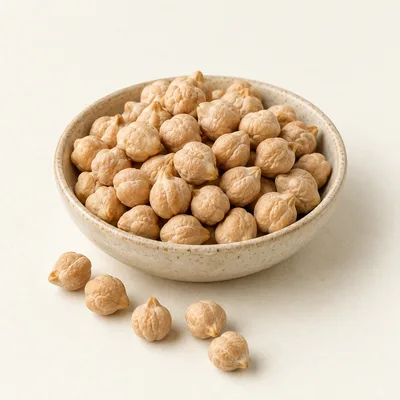 STREET-FOOD PULSEChickpea
Curried channa for doubles, roti, aloo pies and snacks
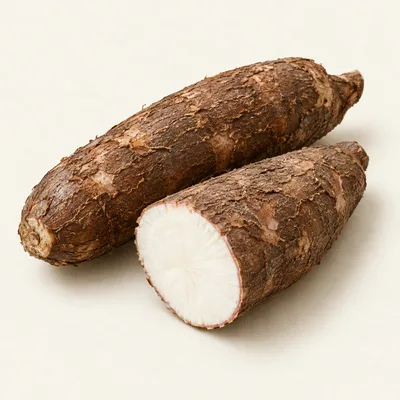 PROVISION-GROUND ROOTCassava
Boiled ground provision, pone, farine and cassava bread
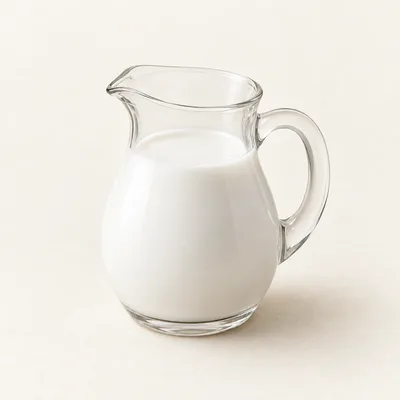 ISLAND RICHNESSCoconut
Callaloo, rice, sweets, breads and coastal sauces
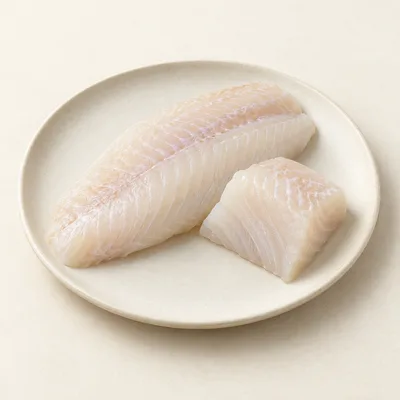 COASTAL CATCHFish
Fried in bake, grilled, stewed or salted for buljol
Doubles is assembled to order. Two soft bara hold curried chickpea, then tamarind, pepper, cucumber or kuchela are added by preference; the vendor’s sauces and pace are part of the form. [7][8]
“Ground provision” is a practical category. Cassava, yam, dasheen, eddoes, sweet potato, plantain and breadfruit may be boiled together and served with fish, stew or callaloo rather than treated as interchangeable roots. [10][9]
Roadside stall, roti shop, beach shed and family kitchen each reveal a different part of the food system.
Street-food timing matters. Doubles is commonly an early meal, lunch counters move quickly, and Carnival or religious calendars bring seasonal foods; ask when a specialist vendor actually serves. [7][8]
A pepper sauce is not simply heat. Scotch bonnet, congo pepper and other cultivars can be blended with fruit, mustard, herbs or vinegar, so the flavour and intensity belong to a particular maker. [7][9]
Food-culture sources checked .
Rotis, fillings and breads
Roti may be filled with channa, meat, green beans, pumpkin or mango, while the bread itself may be sada, bara, dhalpuri or buss up shut. Dhalpuri includes ground yellow split peas in its dough; paratha is commonly enriched or layered with butter. Ask for the exact dough, filling, condiment and cooking fat, rather than treating “roti” as one recipe.
Roadside fried foods
Doubles pair curried chickpeas with two fried bara flatbreads and chosen condiments. Pholourie is made from fried ground chickpeas and flour; aloo pie has a pastry shell, and bake and shark uses fried bake with shark and sauces. Ask whether batter or pastry contains wheat flour, what else is fried in the oil, and whether toppings are added afterwards.
Soups, greens and seafood
Callaloo is a soup of green leafy vegetables that may include crab or pigtail. Crab and callaloo therefore needs a separate protein check, while fish broth may contain flour dumplings and celery with onion and garlic. Ask about the stock, dumplings, seafood, meat additions and shared serving utensils; do not infer the recipe from “vegetarian” or a dish title.
Sweets and baked dishes
Black cake, cassava pone, macaroni pie, kheer, sawine and vermicelli cake show substantial variation. Wheat, milk, butter, egg, vermicelli, nuts or condensed milk may appear depending on the recipe. Local sweets such as sugar cake, peera and ladoo also need individual checks. Ask to see the package or confirm the complete recipe, including garnish and decoration.
Ingredients worth recognising
Start with these ingredients, then follow their names and recorded food connections. Check the recipe and product actually used.
Wheat flour
Wheat flour forms the dough or batter in sada roti, doubles, pholourie, aloo pie and fried bake, and may bind dumplings. Ask whether the named flour is present in the dough, filling coating, soup dumplings or shared fryer.
Celery
Celery may be used with onion and garlic as an aromatic in fish broth, and celery-derived flavouring may occur in some seasoned ketchup. Ask about broth, stock cubes, bottled sauces and marinades, not only visible celery.
Fish
Fish is central to brown stew fish and fish broth, while salted fish and shark appear in other local dishes. Ask which fish is used, whether it is salted or fresh, and whether fish stock or sauce is added.
Butter
Butter is used in black cake and may enrich coconut bake, while paratha can be layered with it. It also appears in macaroni pie and some sweets. Ask whether butter, ghee or another fat is used at each stage.
Mustard Seed
Mustard seed is a defining ingredient in mango kuchela, and mustard or mustard-derived flavouring can occur in some ketchup formulations. Ask about kuchela, relish, chutney and bottled condiments added at the table.
Cow Milk
Cow milk is core to kheer and commonly used in parsad; it also appears in some cassava pone and other sweets. Ask about milk, milk solids, condensed milk and dairy added during cooking or as a topping.
How food labelling works
A current, country-specific allergen-labelling summary for Trinidad and Tobago has not yet been verified for this guide. Do not transfer the list of regulated allergens or restaurant disclosure rules from your home country to this one.
Read the complete ingredients on the actual package and keep any local-language sticker with the original label. For imported products, compare the information on that pack rather than a photograph of the brand sold elsewhere. Ask the manufacturer or seller to clarify an unfamiliar term.
For loose food or meals prepared to order, ask who can check the recipe and the labels on bought-in ingredients. Explain every food you avoid, including ingredients outside familiar allergy groups; a short symbol chart may not cover your list.
Language and communication
English is the official language and uses British spellings. Prepare a concise written explanation in English naming the ingredient or food concern, then list the complete dish components you need checked: dough, filling, stock, sauce, topping, oil and utensils. Ask the server to confirm each point rather than relying on a dish name.
English Creole is frequently used informally in speech, while Caribbean Hindustani, Hindi, French or Creole, Spanish and Chinese may also be heard. These are recognition aids, not a complete request. Regional variation and staff confirmation still matter, especially when discussing roti fillings, doubles condiments, callaloo additions or Chinese-style sauces.
Eating in different settings
Roadside doubles or snack stall
For doubles, ask whether both bara breads contain wheat flour, what is in the channa, and which chutneys or sauces are added. Ask whether the same oil, tongs or preparation surface is used for pholourie, aloo pie or other fried foods.
Market or supermarket
At a market, ask the seller what is in a prepared condiment, kuchela or sweet and whether it was made from a packet or commercial paste. For packaged foods, read the complete ingredient list and check sauces, dried fruit, fillings and garnish.
Bakery or creole restaurant
For hops bread, pies, black cake, macaroni pie or cassava pone, ask about flour, butter, milk, egg and any decoration. In a restaurant, ask whether the recipe changes by day or cook, and whether the dish shares trays, utensils or sauces.
Beach, barbecue or shared meal
With bake and shark, pelau or barbecue chicken, ask about the bread, marinade, stock, sauces and side dishes separately. Confirm whether shark or another fish is used, what condiment is added, and whether frying oil or serving utensils are shared.
Before you travel
Review your personal plan
Discuss your travel plans with your clinician and keep your prescribed medicines and emergency instructions accessible. Tell companions where these are and how to follow your plan.
Check your medicines before entering Trinidad and Tobago
The legal status and regulation of medicines prescribed or bought in the UK can differ in Trinidad and Tobago. Before travel, read the medicine-travel guidance on TravelHealthPro and check the requirements for each medicine with the relevant authority.
Make the first meals easier to organise
Contact your accommodation and transport providers in advance. Save your written food list, menu questions and destination address offline. Check entry restrictions before packing backup food, and plan how you will check meals during arrival and onward journeys.
Plan access to medical help
Medical facilities may be limited in some areas. Private clinics can treat most ordinary problems, while serious cases may require medical evacuation. Check that insurance covers treatment and repatriation and that you have accessible funds; consult the FCDO information on medical providers for current details.
Emergency resources
For a suspected severe allergic reaction, follow your prescribed emergency plan and seek urgent medical help. Give your exact location clearly.
Ambulance and urgent medical help
Call 811 and ask for an ambulance.
Explore next
Your allergy in Trinidad and Tobago
Choose a food concern for the country notes and questions relevant to it.
Dishes in Trinidad and Tobago
Follow the ingredients and cuisine connections in individual dish records.
Your own food list
Combine allergy groups and individual ingredients in one guide, with local names where recorded.
Allergy cards
Prepare the information you need to explain your food requirements.
FAQs, sources and review dates
Could callaloo contain seafood?
Yes. Callaloo may include crab or pigtail in some versions, and crab and callaloo specifically contains crab. Ask whether the pot includes crab, fish, meat or stock, and whether a separate serving spoon is used.
Is coconut the same as a tree nut?
Do not make that classification from the ingredient name. Coconut appears in coconut bake, but there is no universal legal categorisation. Ask the cook or read the complete label for coconut itself and any other ingredients or garnish.
Does a fried dish have one standard recipe?
No. Doubles, bara, pholourie, aloo pie and bake and shark can differ in dough, batter, filling, sauces and preparation. Ask about the full recipe and shared oil or utensils each time, even when the food looks familiar.
Sources checked: . This researched draft is awaiting editorial review. Practical questions apply the sources below to local food settings; they do not confirm any individual meal's ingredients or preparation.
Sources & references (10)
- FCDO · Trinidad and Tobago health and medical assistance
Emergency contact details, local healthcare and medicine guidance. UK-specific eligibility does not apply to every visitor.
- Wikivoyage contributors · Trinidad and Tobago
Community-edited culinary context only; not an allergy or medical authority. Brief food-context adaptations, CC BY-SA 4.0: https://creativecommons.org/licenses/by-sa/4.0/. Recipe questions also use PlateSafe’s draft records.
- FARE · Dining out
General recipe and preparation questions, applied here to country-specific food examples.
- FARE · Travelling with food allergies
General preparation, written communication and access to prescribed medicines. Not country-specific import permission.
- PlateSafe · Trinidad and Tobago recorded food connections
Existing draft dish and ingredient records, used as examples to investigate. These are not independently verified recipes or suitability assessments.
- Unicode CLDR · Territory language data
Language suggestions. Regional language needs must be confirmed with the particular food provider.
- Tourism Trinidad — Traditional and street food
- Tourism Trinidad — Culinary tours
- Visit Tobago — Food and drink
- FAO — Trinidad and Tobago country profile