

BEFORE YOUR FIRST MEAL
Navigating food allergies in Vietnam
Vietnamese meals often combine a main dish with broth, rice or noodles, herbs, vegetables and a separate sauce. Fish sauce, shrimp paste, soy sauce, peanuts and egg recur in some dishes, while regional versions can change fillings and toppings. Treat names such as phở chay or a vegetarian description as starting points only: confirm every component, including stock, garnish and dipping sauce.
What to know first
Broths and sauces
Ask whether phở, bún bò Huế or canh chua uses fish sauce, shrimp paste, fish stock or seafood stock, and whether a dipping sauce is mixed separately.
Wrappers and flour
Bánh mì uses a wheat-flour baguette; check fillings and mayonnaise. For bánh xèo or other wrapped dishes, ask what batter, oil and filling are used.
Explain the whole dish
Give a written Vietnamese explanation naming the ingredient, the level of avoidance needed, and the dishes concerned; ask staff to confirm the complete recipe.
Shared preparation
Ask whether frying oil, broth pots, chopping boards, tongs and serving spoons are shared, and whether toppings or sauces are added after cooking.
Read complete labels
For packaged foods, read the full ingredient list rather than relying on a front label or dish name. Vietnam-specific legal labelling details are not recorded here.
Understanding the food
Rice, fish sauce, fermented shrimp, pork, fish, herbs, greens, lime, chilli and tropical fruit appear in bowls, rolls, rice plates, cakes and shared family meals. Phở and bánh mì are useful entrances, but Tày five-colour sticky rice, Huế dishes, Cham foodways, Central Highland ferments and Mekong freshwater cooking require a much wider map.
North, centre, south and highlands contain further local and community distinctions.
| Region or community setting | Food landscape | Examples to understand |
|---|---|---|
| Hanoi, Red River & northern uplands | Rice plains, cooler seasons, freshwater food and ethnic-minority highlands | Phở, bún chả, bánh cuốn, freshwater fish and coloured sticky rice |
| Huế & central coast | Imperial court legacy, narrow coastal farms, fisheries and strong seasoning | Bún bò Huế, bánh bèo, cơm hến, fermented shrimp and chilli |
| Quảng Nam & south-central coast | Trading ports, Cham histories, noodles, herbs and seafood | Mì Quảng, cao lầu, bánh xèo, grilled seafood and fish sauce |
| Ho Chi Minh City & Mekong Delta | Migration, fertile waterways, tropical fruit and freshwater fisheries | Cơm tấm, hủ tiếu, cá kho tộ, canh chua and coconut sweets |
Regional shorthand is useful but incomplete. Northern, central and southern styles differ in climate, seasoning and produce, while ethnic-minority and city-specific foodways cross those broad divisions. [7][8]
Colonial history entered the everyday pantry. Baguette, pâté, coffee and dairy were transformed through Vietnamese ingredients, vendors and tastes; bánh mì and condensed-milk coffee are local forms rather than replicas. [9][7]
Rice and fish sauce carry herbs, pork and lime through many textures rather than one flavour profile.
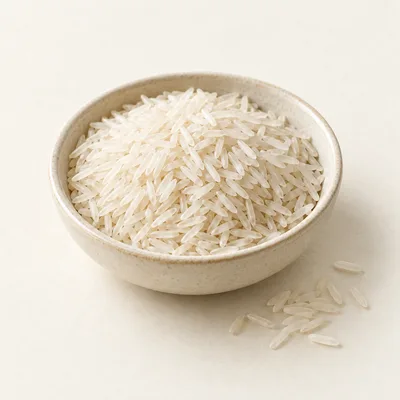 FOUNDATIONAL GRAINRice
Steamed grain, noodles, paper, cakes, porridge and broken rice
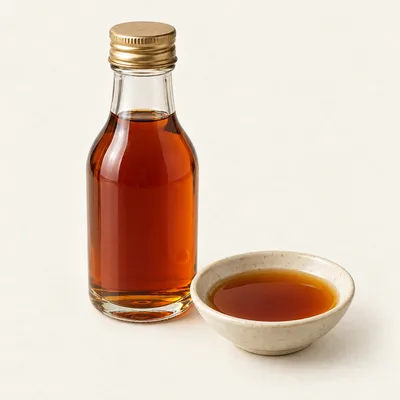 FERMENTED SEASONINGFish sauce
Cooking, dipping, dressing and table adjustment
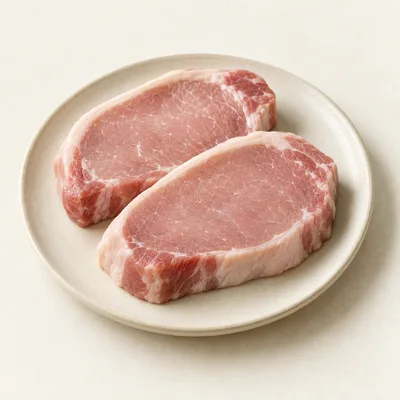 MEAT & STOCKPork
Broths, grills, sausages, fillings, braises and rice plates
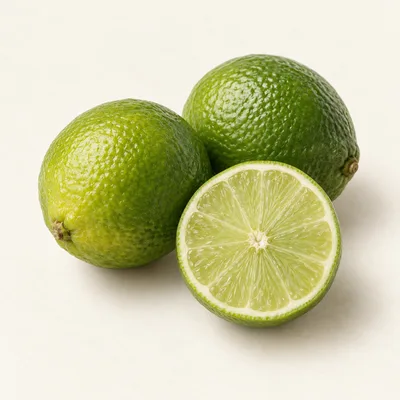 FRESH ACIDITYLime
Dipping sauces, soups, salads and table seasoning
Rice appears in radically different structures. Whole grain, broken rice, fresh and dried noodles, paper, steamed cakes and fermented preparations behave differently and pair with specific dishes. [8][9]
Fish sauce is a product with provenance. Anchovy, salt, fermentation time and place shape nước mắm; Phú Quốc is particularly recognised, while cooks dilute and balance it differently for each dipping sauce. [10][7]
Street specialist, rice counter, family table and market stall each reveal a different ordering logic.
Specialists often do one dish at one time of day. A small shop may sell phở at breakfast, bún chả at lunch or a single cake until the batch ends, making focus a sign of craft rather than limited choice. [7][9]
Shared meals are built around contrast. Rice is accompanied by soup, a savoury braise or fried dish, vegetables and dipping sauce, so balance appears across the table rather than inside one bowl. [8][7]
Food-culture sources checked .
Broths, fermented seasonings and dipping sauces
Fish sauce is recorded in phở bò, phở gà, bún chả, cơm tấm, bò kho and several other dishes; bún bò Huế and bún mắm also involve fermented seafood seasonings. Bánh bột lọc and bánh nam may use fish sauce in filling or dip. Ask whether the broth, marinade and table sauce are made separately, and whether seafood stock or shrimp paste is included.
Rice, noodles and wheat-based items
Vietnamese examples span rice noodles in phở, thick rice noodles in bánh canh cua, rice dishes such as cơm chiên and cơm tấm, and wheat flour in the bánh mì baguette. One version of mi Quang uses wheat noodles, with peanuts as a possible garnish. Confirm the exact noodle or wrapper, flour source, and any seasoning added during boiling or frying.
Fillings, toppings and composed plates
A single name can cover several components: bánh mì may contain grilled meat, pâté, egg or mayonnaise; gỏi cuốn may include prawns and a peanut-based dip; bún rieu can combine crab, shrimp paste, tofu and egg. Cơm hen may have shrimp paste, peanuts and sesame, while cơm chiên commonly uses soy sauce and egg. Ask for every filling, topping and sauce.
Regional and recipe variation
Northern cooking is often described as more subtle, central cooking as spicier and southern cooking as sweeter, with distinctive regional dishes. Bún bò Huế, bánh canh cua and mi Quang are central examples, while phở presentations vary between north and south. Treat these as useful prompts, not fixed recipes: ask what this kitchen uses today and whether the regional version changes the stock or garnish.
Ingredients worth recognising
Start with these ingredients, then follow their names and recorded food connections. Check the recipe and product actually used.
Wheat flour
The baguette in bánh mì is made from wheat flour, and mi Quang may also use wheat noodles. Ask whether the bread or noodles are made with wheat, whether flour is used elsewhere, and whether shared preparation surfaces are involved.
Tofu
Tofu is recorded as a topping or protein in bún rieu and as a component of bún đậu mắm tôm. Ask whether the tofu is fried in shared oil, whether it is served with shrimp paste, and what sauce accompanies it.
Egg
Egg may bind shrimp paste in chạo tôm, bind nem ran filling, or appear in cơm chiên and thịt kho tàu. Ask whether egg is mixed into the main preparation, added as a topping, or used in mayonnaise or another sauce.
Peanut
Peanuts are recorded in bánh tráng cuốn thịt heo, bún thịt nướng, gỏi cuốn, mi Quang, nem lụi, chả cá and cơm hen. Ask about crushed garnish, peanut dipping sauce, and shared utensils used to add toppings.
Fish sauce
Fish sauce appears as a seasoning or dip in dishes including phở, bún chả, bò kho, cơm tấm and bánh nam. Ask whether it is in the broth, marinade or table sauce, and whether a dish described as vegetarian still uses it.
Bean Sprouts
Bean sprouts accompany some phở presentations, but the source of generic bean sprouts may be unspecified, and some may be produced from soybeans. Ask what the sprouts are grown from and whether they are added raw, scalded or cooked in shared water.
How food labelling works
A current, country-specific allergen-labelling summary for Vietnam has not yet been verified for this guide. Do not transfer the list of regulated allergens or restaurant disclosure rules from your home country to this one.
Read the complete ingredients on the actual package and keep any local-language sticker with the original label. For imported products, compare the information on that pack rather than a photograph of the brand sold elsewhere. Ask the manufacturer or seller to clarify an unfamiliar term.
For loose food or meals prepared to order, ask who can check the recipe and the labels on bought-in ingredients. Explain every food you avoid, including ingredients outside familiar allergy groups; a short symbol chart may not cover your list.
Language and communication
Prepare a written explanation in Vietnamese, the national language, naming the ingredient to avoid and asking for confirmation of the complete recipe. Include broth, sauce, garnish, filling, oil and shared utensils rather than relying on a dish name. Vietnamese uses diacritics, so copy the written version carefully.
Vietnamese has northern, north-central, central, south-central and southern dialect areas. Use the version appropriate to where you are staying, and ask staff to read or confirm the written explanation if pronunciation is uncertain. Recognition of names such as fish sauce or shrimp paste is only a prompt, not proof that a recipe is suitable.
Eating in different settings
Phở counter or noodle stall
For phở bò or phở gà, ask what the broth is made from and whether fish sauce, seafood stock or other seafood seasoning is added. Ask for herbs, bean sprouts, chilli sauces and fried sides separately, and check whether ladles and serving bowls are shared.
Bánh mì cart or bakery
Ask whether the baguette is made from wheat flour and what is inside the selected bánh mì. Check for pâté, egg, egg-based mayonnaise, meatballs and vegetable toppings, then ask whether the knife, board and tongs are used for other fillings.
Regional restaurant or shared meal
With bún bò Huế, mi Quang, cơm hen or bánh xèo, ask for the full recipe for this regional version. Confirm shrimp paste, fish, peanuts, egg, soy sauce and dipping sauce, and ask whether toppings are placed on the dish or served separately.
Market, packaged-food shop or accommodation
For sauces, noodles, snacks or drinks, read the complete ingredient list and keep the packaging for checking. Ask about the source of generic vegetable oil, vinegar or bean sprouts where relevant, and ask accommodation staff to identify ingredients rather than assuming a labelled dietary option is suitable.
Before you travel
Review your personal plan
Discuss your travel plans with your clinician and keep your prescribed medicines and emergency instructions accessible. Tell companions where these are and how to follow your plan.
Check your medicines before entering Vietnam
Some medicines may be difficult to find in Vietnam, and medicines classified there as addictive or psychotropic have restrictions. The official source says you cannot bring more than seven days of prescribed supplies of these medicines, and should carry the prescription and a doctor’s signed letter giving your personal and medicine details. Check uncertain cases or larger supplies with the Vietnamese Embassy in the UK before travel.
Make the first meals easier to organise
Contact your accommodation and transport providers in advance. Save your written food list, menu questions and destination address offline. Check entry restrictions before packing backup food, and plan how you will check meals during arrival and onward journeys.
Plan access to medical help
The official source points to an FCDO list of medical providers in Vietnam where some staff may speak English, and separate guidance for people living there. It says support for foreign nationals is very limited because Vietnam has no Mental Health Act. Check whether providers can meet your needs, and ask your insurer what treatment and medical evacuation cover applies before travelling.
Emergency resources
For a suspected severe allergic reaction, follow your prescribed emergency plan and seek urgent medical help. Give your exact location clearly.
Ambulance and urgent medical help
Dial 115 and ask for an ambulance.
Explore next
Your allergy in Vietnam
Choose a food concern for the country notes and questions relevant to it.
Dishes in Vietnam
Follow the ingredients and cuisine connections in individual dish records.
Your own food list
Combine allergy groups and individual ingredients in one guide, with local names where recorded.
Allergy cards
Prepare the information you need to explain your food requirements.
FAQs, sources and review dates
Can I rely on phở chay or a vegetarian dish name?
No. Fish sauce is used in many dishes, and apparently vegetarian dishes can use non-vegetarian seasonings. Ask whether the stock, seasoning, toppings and dipping sauce are entirely free of fish sauce, shrimp paste, fish and other ingredients you avoid.
What should I ask about a dish containing peanuts?
Ask whether peanuts are a garnish, part of a sauce, or mixed into the preparation. This matters for gỏi cuốn, mi Quang, nem lụi and cơm hen, where the recorded connection differs. Also ask who adds the garnish and whether the spoon or surface is shared.
What about coconut water?
Coconut water is coconut-derived, but it is unclear how coconut is treated in a generic tree-nut trigger. Check the product’s complete ingredients and discuss the specific concern with the relevant clinician or travel adviser before relying on it.
Sources checked: . This researched draft is awaiting editorial review. Practical questions apply the sources below to local food settings; they do not confirm any individual meal's ingredients or preparation.
Sources & references (10)
- FCDO · Vietnam health and medical assistance
Emergency contact details, local healthcare and medicine guidance. UK-specific eligibility does not apply to every visitor.
- Wikivoyage contributors · Vietnam
Community-edited culinary context only; not an allergy or medical authority. Brief food-context adaptations, CC BY-SA 4.0: https://creativecommons.org/licenses/by-sa/4.0/. Recipe questions also use PlateSafe’s draft records.
- FARE · Dining out
General recipe and preparation questions, applied here to country-specific food examples.
- FARE · Travelling with food allergies
General preparation, written communication and access to prescribed medicines. Not country-specific import permission.
- PlateSafe · Vietnam recorded food connections
Existing draft dish and ingredient records, used as examples to investigate. These are not independently verified recipes or suitability assessments.
- Unicode CLDR · Territory language data
Language suggestions. Regional language needs must be confirmed with the particular food provider.
- Vietnam Tourism — Food
- Vietnam Tourism — A foodie guide by region
- Vietnam Tourism — 21 must-try Vietnamese dishes
- Vietnam Tourism — Fish sauce: Vietnam’s first love