
DISH RESEARCH · Noodle dish
Arishta
Also known as: Əriştə
The Smithsonian’s 2018 Armenian festival preparation uses dried, oven-roasted handmade arishta noodles in tomato-vodka sauce with shrimp, garlic, onion, cream and basil, finished with basil and parsley when plating.
About Arishta
Research draft based on the references below. These notes describe particular recipes and presentations; ingredient connections are still being reviewed.
The Smithsonian’s 2018 Armenian festival preparation uses dried, oven-roasted handmade arishta noodles in tomato-vodka sauce with shrimp, garlic, onion, cream and basil, finished with basil and parsley when plating.
This profile follows foodways coordinator Kathy Phung’s Smithsonian Folklife Festival article of 19 December 2018. It documents Armenian winemaker and former restaurateur Vahe Keushguerian’s demonstration with distiller Nicole Hassoun in the 2018 Hatsatoun kitchen. The named preparation uses handmade Armenian arishta supplied by other festival participants; shrimp and vodka sauce describe this contemporary demonstration, not every dish called arishta.
Its card lists tomatoes, shrimp, garlic, yellow onion, olive oil, salt and pepper, vodka, heavy cream, arishta, basil and parsley. The narrative identifies Royal Seal vodka. Fettuccine or linguine may replace arishta, and regular Italian basil may replace purple basil; these are separate choices, not three pastas or two mandatory basils. The complete handmade noodle formula is absent.
Preparation & presentation: the festival’s lavash makers dried and oven-roasted the noodles, giving the account’s toasted, bready character. Tomatoes are blanched and peeled, shrimp is briefly sautéed and set aside, and the same pan makes an onion-vodka-tomato sauce. Just-under-al-dente noodles finish with cream and shrimp in that sauce; the finished plate is topped with basil and parsley. Drying and roasting time/temperature are unknown, and the method’s flame-control comments do not establish residual alcohol or a safety assessment.
Origins & traditions: the original account records collaboration and hospitality at a specific Armenian festival demonstration. It does not date the invention of arishta or provide an Azerbaijani recipe. The catalogue’s separate Əriştə alias and Azerbaijani relationship remain unresolved by this source; they are not promoted or erased.
Before you order: ask which noodle dough or packaged pasta is used and whether it is toasted, which shrimp and cream products enter the sauce, and which vodka and herbs are used. Confirm actual substitutions, water/ice handling, cookware and shared preparation. Ask about any additions to the noodle or sauce formulas; the festival recipe cannot establish ingredient absence, residual alcohol or allergy safety.
Ingredients in Arishta
Recorded ingredient connections, rather than a complete recipe. Explore an ingredient for more detail.
- Wheat flourbase
- Eggbinder
- Waterother
- Saltseasoning
- Wheat noodlesbase
- Onionseasoning
- Mintseasoning
- Waterbase
- Lentilsprotein
Ingredient connections awaiting review. Versions and preparation vary.
Origins & food traditions
Explore the countries and cooking traditions associated with this dish. These connections do not establish a single birthplace or limit where the dish is eaten today.
Countries
Cuisines & regions
Associations in the cited sources
These describe source-specific cultural or geographic connections. Catalogue links may still need review.
- Countries & places
- Armenia
- Cooking traditions
- Armenian
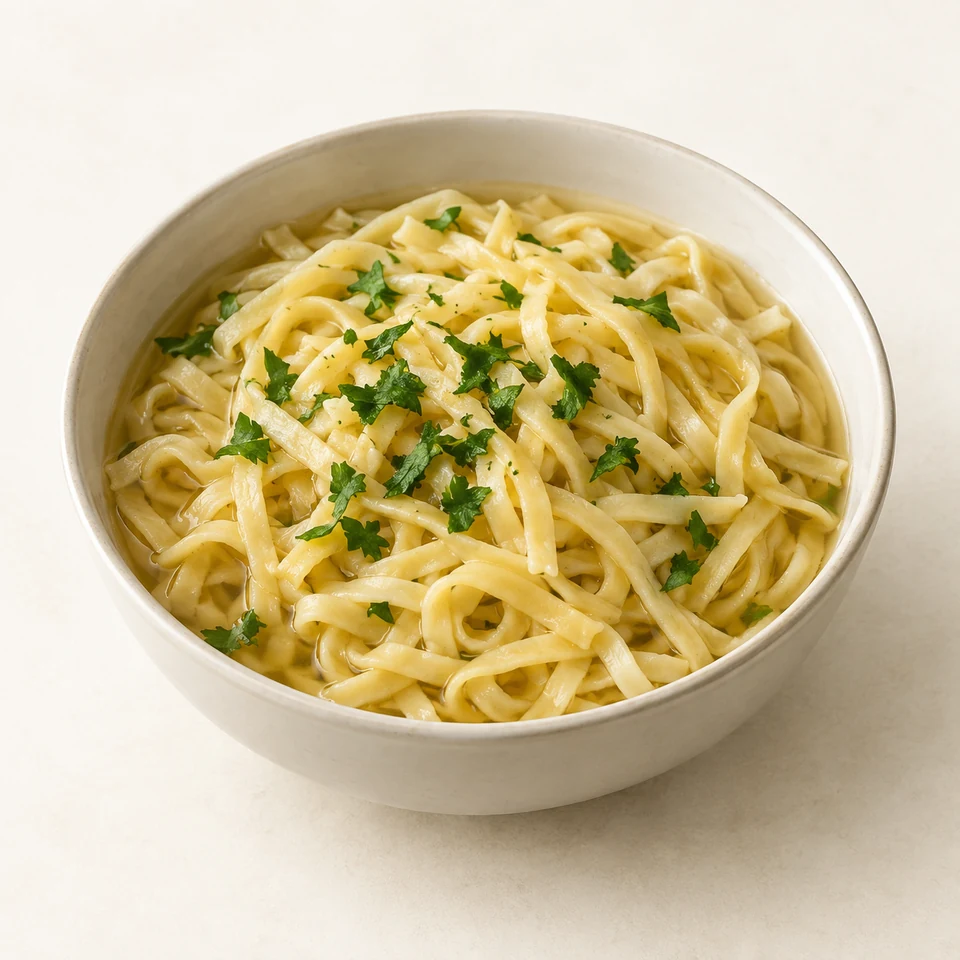
AI-generated illustration of one possible presentation. Recipes and ingredients vary; the image does not establish allergen content.