Understanding sesame in Israel
Read the complete meal: its base, sauces, stock, seasonings, coatings, garnishes and preparation. A familiar dish name does not establish the recipe used for the serving in front of you.
This guide keeps every selected food together. A recorded connection identifies something worth checking; a missing connection leaves the ingredient status unknown.
Relevant food context for Israel
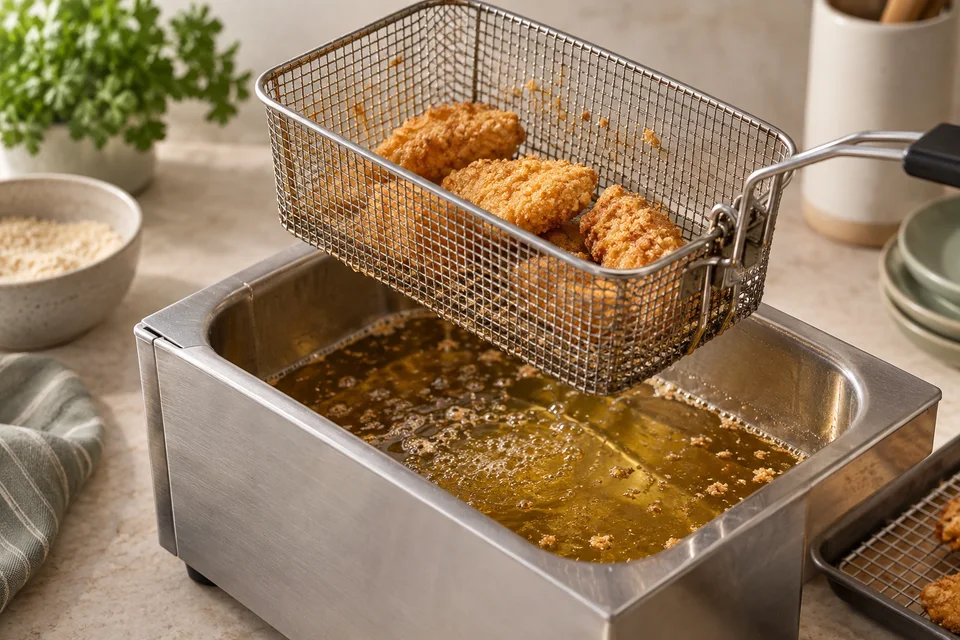
Breaded, filled and fried foods: Shawarma may be served in wheat-based pita with tahini, while sabich combines wheat pita, tahini and hard-boiled egg. Israeli schnitzel uses a wheat-flour or breadcrumb coating with egg. Bourekas and sambusak can have cheese fillings, wheat pastry, sesame or egg. Confirm the wrapper, coating, filling, oil and serving tools rather than treating these names as fixed recipes.
Desserts, dairy and regional variation: Babka, rugelach, baklava, kanafeh, basbousa, malabi and ma’amoul do not share one recipe. Examples connect them with wheat, butter, milk, cheese, egg, sesame and different nuts. A filling or garnish may be optional, and pastries may be made in batches. Ask which dough, fat, filling, syrup and final topping are used today.
Pita Bread: Pita is a wheat-based wrapper for arayes, falafel, sabich and shawarma; some versions include sesame. Ask whether the same bread, knife, board or serving surface is used for other fillings, and whether sauces are added inside before serving.
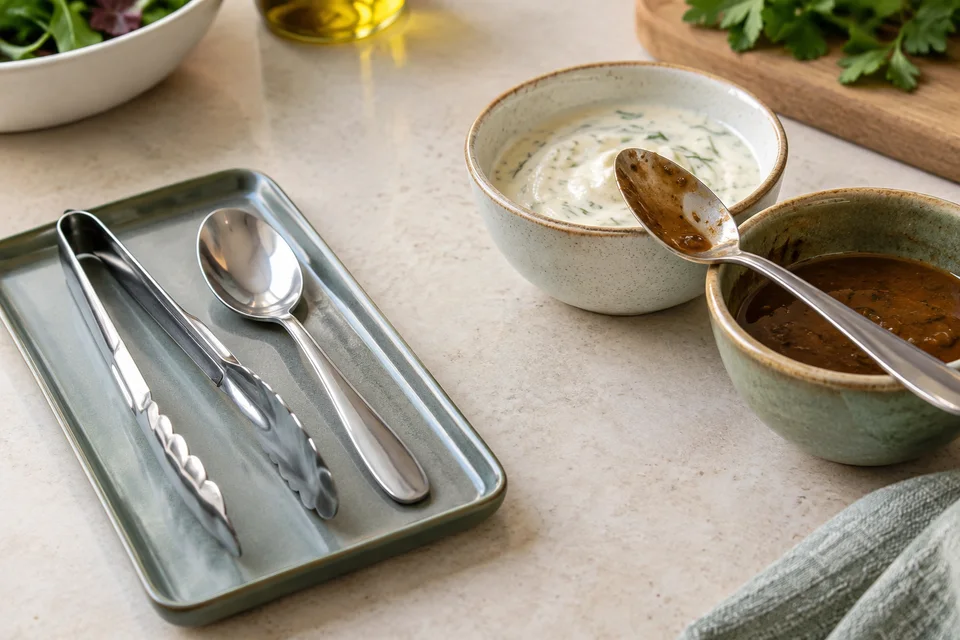
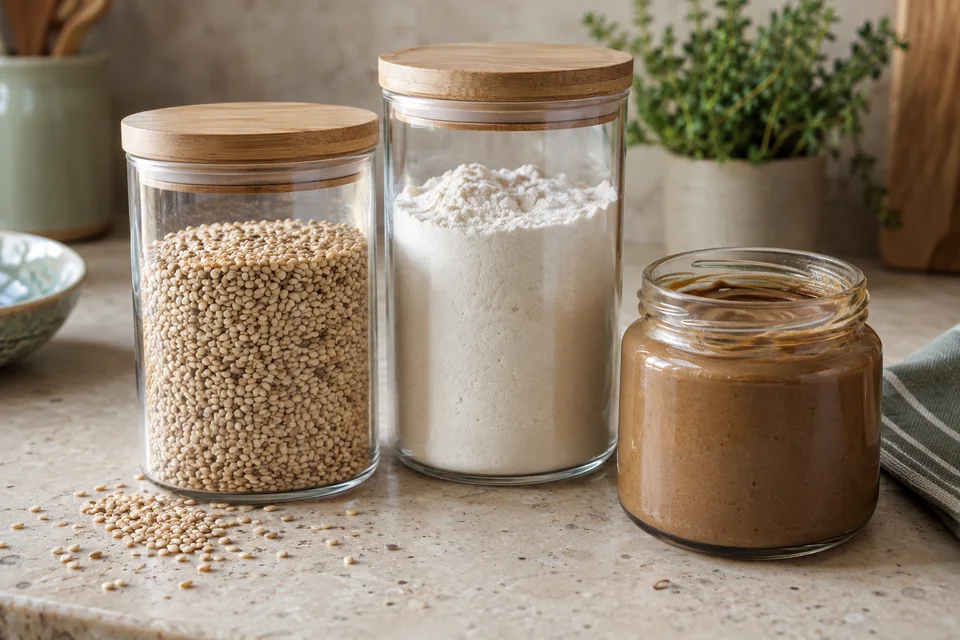
Tahini: Tahini is a sesame-based sauce or topping associated with hummus, falafel, sabich and shawarma. Ask whether it is in the dish, supplied separately or mixed into another sauce, and whether the serving spoon or container is shared.
Bakery or pastry shop: For bourekas, babka, baklava, kanafeh, rugelach or ma’amoul, ask about the dough, butter, cheese, egg wash, filling and garnish. Confirm whether sesame or nuts are added, whether products share trays, and whether the item is assembled from pre-made components.