Understanding sesame in Libya
Read the complete meal: its base, sauces, stock, seasonings, coatings, garnishes and preparation. A familiar dish name does not establish the recipe used for the serving in front of you.
This guide keeps every selected food together. A recorded connection identifies something worth checking; a missing connection leaves the ingredient status unknown.
Relevant food context for Libya
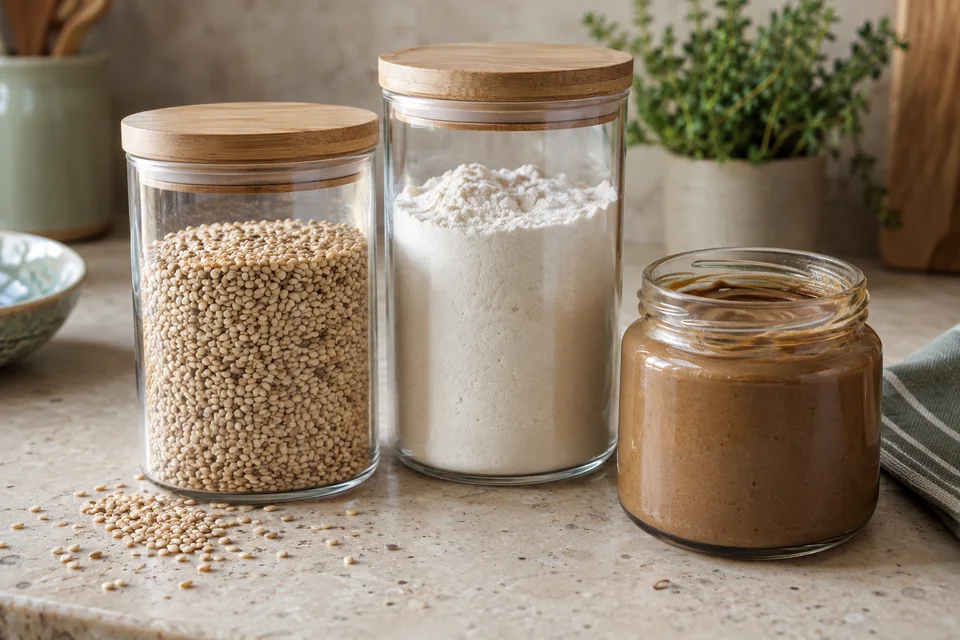
Egg, dairy and sesame details: Egg may be intrinsic to shakshuka, where it is poached in the sauce, and binds Libyan tajine, which commonly also includes cheese. Asida uses butter and wheat flour; fatta may use ghee, tahini and wheat pita. Ghraiba and magrood use butter, with sesame possible in several garnishes. Check every topping and finish.
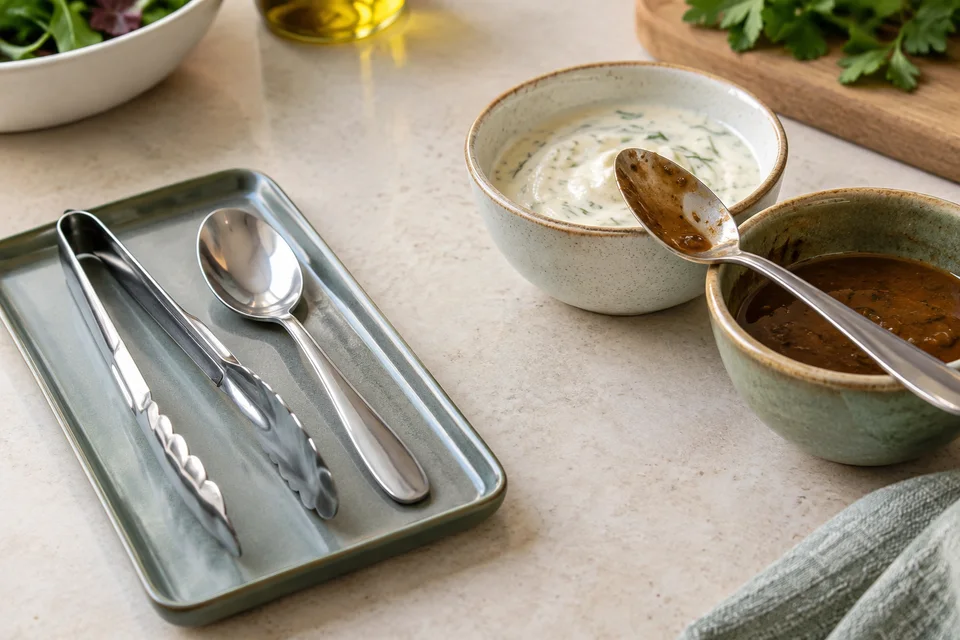
Tahini: Tahini is directly derived from sesame and is recorded in some fatta toppings or sauces. Ask specifically whether tahini is mixed into the dish, offered separately or replaced with another sauce, and check accompanying pita and garnishes.
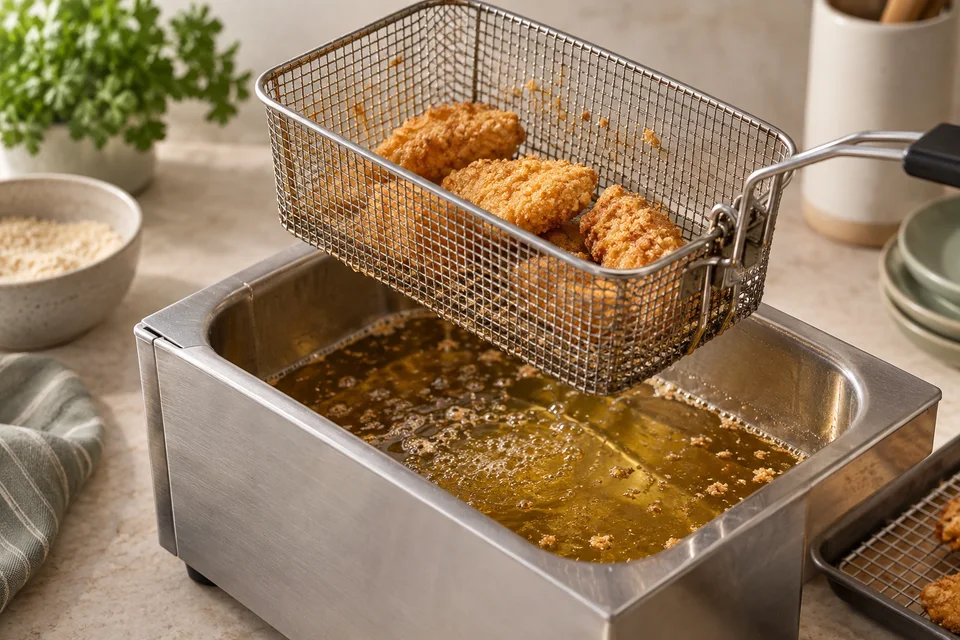
Bakery, sweet counter or fried-food stall: For asida, ghraiba, magrood, kaak or sfinz, ask about flour, butter, sesame and any coating or garnish. For brik or batata mubatana, ask what is inside, what coats it and whether frying oil, trays and tongs are shared with other wheat- or egg-containing foods.
Using this guide
Open Dishes to investigate recorded local connections, Ingredients & hidden sources to follow component paths, Shopping & labels for names and package checks, and Eating out for a complete kitchen conversation.