

BEFORE YOUR FIRST MEAL
Navigating food allergies in Austria
Austria’s familiar foods often combine a main ingredient with flour-based coatings, dumplings, pastry, dairy or egg. Wiener Schnitzel, Apfelstrudel, bread, soups and regional dishes therefore need recipe-level checking rather than reliance on the dish name. Ask about the complete preparation, including stock, sauces, toppings, frying fat and shared utensils, and distinguish wheat or gluten questions from other allergy questions.
What to know first
Culinary pattern
Wiener Schnitzel is a breaded veal dish, while Apfelstrudel is pastry-based; ask separately about wheat, breadcrumbs, egg, butter and the cooking fat.
Regional variation
A Carinthian Kletzennudeln filling may include dried pear and soft cheese, while Styrian salads may use pumpkin-seed oil; confirm the actual regional recipe.
Communication
Prepare a written explanation in German, naming each food to avoid and asking staff to check the full recipe, stock, sauce, toppings and preparation surfaces.
Preparation
Ask whether breaded foods share oil, whether dumplings share boiling water, and whether a pan, board or utensil has also handled bread, dairy, egg or other ingredients.
Labels
For prepacked food, EU rules require the 14 regulated allergen categories to stand out in the ingredients list; ask how information is provided for unpackaged food and still read the full list.
Understanding the food
Viennese dining culture, Alpine farm cooking, Danube produce and eastern vineyards create more than one Austrian cuisine. Dumplings, pastries and schnitzel are landmarks, not the limits of the table.
Landscape is the main ingredient.
| Area | Food landscape | Examples to explore |
|---|---|---|
| Vienna | Imperial city and coffee-house culture | Schnitzel, tafelspitz, cakes, pastries and café meals |
| Alpine west | Pastures, huts and mountain farms | Cheese, dumplings, spätzle, cured meats and hearty snacks |
| Styria | Hills, farms and vineyards | Pumpkin seed oil, apples, beans, wine and seasonal produce |
| Danube & eastern Austria | River valleys and Pannonian plains | Apricots, wine, fish, paprika and orchard fruit |
Austria’s official food story begins with its regions. The national tourism office connects Alpine pastures, lakes, the Danube, forests and vineyards to different products and dishes, and distinguishes Viennese cuisine from broader Alpine traditions. [8][9]
The former Habsburg world remains visible in the kitchen. Dumplings, pastries, stews and filled or breaded dishes show connections across Central Europe. Provincial identity still matters: a well-known national classic can sit beside foods found mainly in one valley or state. [8]
Dairy, dough and orchard fruit recur in many forms.
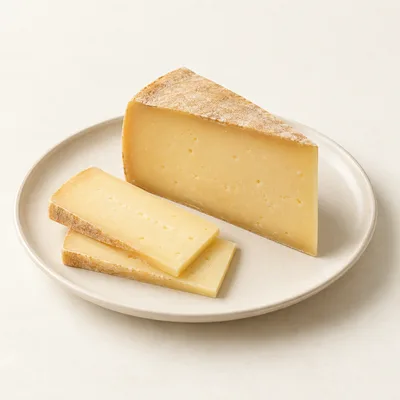 DAIRYCheese
Mountain and regional cheeses for breads, dumplings and snacks
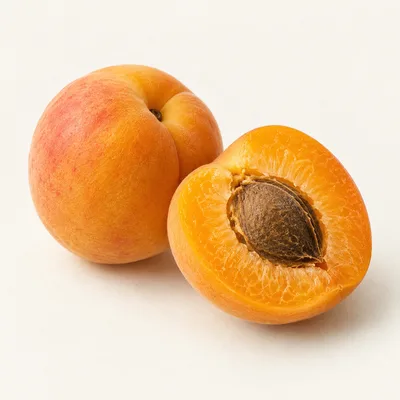 FRUITApricot
Especially associated with the Wachau and sweet dumplings
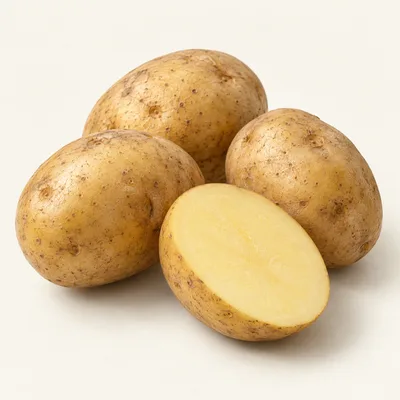 VEGETABLEPotato
Salads, dumplings, soups and substantial sides
A Styrian staple across salads, soups and even sweets
“Flour dish” does not necessarily mean a small dessert. Austria’s Mehlspeisen tradition spans cakes, strudels, pancakes and filled dumplings, some substantial enough to be a course or meal. Fruit, poppy seed, nuts, curd cheese and jam create very different results. [8]
Direct-from-farm shops make regional products legible. Official listings emphasise cheese, herbs, fruit, grains and other foods sold where they are produced. Markets and farm shops are useful counterpoints to the polished versions served in hotels and city restaurants. [10]
The setting has its own vocabulary.
A coffee house is not simply a place for a quick drink. Viennese coffee-house culture invites lingering over coffee, newspapers, conversation, pastries and light meals. A Wirtshaus or country inn centres regional savoury cooking, while a Heuriger connects simple food with local wine. [8]
Mountain huts are another genuine dining context. Alpine huts and ski lodges serve practical regional food such as soups, dumplings, cheese dishes and Brettljause boards. Austria’s tourism material places these beside lakeside restaurants and contemporary fine dining rather than treating one as more authentic than the other. [8]
Food-culture sources checked .
Breading, frying and pastry
Wiener Schnitzel and Backhendl have coatings linked in the examples with wheat flour, wheat breadcrumbs and egg; Wiener Schnitzel may also use butter for frying. Apfelstrudel combines wheat pastry with commonly used butter and sometimes egg. Ask whether the coating is made separately, what fat is used, and whether the fryer or brush is shared with other foods.
Dumplings, noodles and soups
Austrian examples range from flour-based Knödel to Eiernockerl, Frittatensuppe and Griessnockerlsuppe. The recorded recipes connect these with wheat or semolina, milk, butter and egg in varying combinations. Soup needs its own check: ask about the dumpling mixture, the clear broth, stock ingredients and herbs, and whether dumplings are cooked in the same water.
Hearty meals and regional examples
Tafelspitz is described with boiled beef, potatoes, horseradish, broth, dumplings and herbs, so ask about every accompanying element rather than treating the beef as the whole dish. Tiroler Groestl can involve butter and a fried egg; Kaerntner Kasnudeln connect wheat dough with curd cheese, butter and sometimes egg.
Sweet dishes and finishing ingredients
Pastries and desserts vary substantially: Sachertorte connects wheat sponge, butter and egg with chocolate coating, while Topfenstrudel uses wheat pastry, quark, butter and often egg. Kaiserschmarrn uses wheat flour, butter and egg. Ask about cream, fruit preserve, chocolate coating, crumbs, nuts and any final dusting or topping.
Ingredients worth recognising
Start with these ingredients, then follow their names and recorded food connections. Check the recipe and product actually used.
Bread
Bread may appear as rolls, rye loaves, enriched bread or a coating ingredient. Possible versions may also contain sesame, milk, soy or egg. Ask which loaf is used, request the complete ingredient list, and check whether crumbs come from a different bread.
Wheat flour
Wheat flour is recorded in Schnitzel coating, strudel, dumplings, cakes and pasta doughs. Ask whether the recipe contains wheat flour or another flour, and whether the question concerns wheat, gluten or both; they are not interchangeable terms.
Butter
Butter is linked with frying, pastry, dumpling finishes, cakes and regional dishes such as Tiroler Groestl. It is a cow's milk or milk-derived ingredient. Ask whether butter, clarified butter or another fat is used, including for brushing trays.
Egg
Egg appears as a binder or structural ingredient in breading, pancake batter, dumplings, pasta dough and sponge cakes. Ask about egg in the main mixture, wash, garnish or sauce, and whether a fried egg is added separately to dishes such as Fiakergulasch.
Beef stock
Stock can matter in soups, sauces and boiled-beef meals even when the visible ingredients look simple. Some beef-stock formulations use celery in the vegetable base. Ask for the exact stock or broth ingredients and whether a bought concentrate is used.
Apricot Preserve
Apricot preserve may occur in pastries, fillings or as part of a dessert accompaniment. Some commercial fruit preserves may use sulphites as a preservative. Ask whether the preserve is homemade or packaged, and request its complete ingredients rather than assuming fruit alone.
How food labelling works
EU food-information rules cover 14 allergen categories used as ingredients. On prepacked food, these must stand out in the ingredients list. The categories include gluten-containing cereals, crustaceans, eggs, fish, peanuts, soybeans, milk, specified nuts, celery, mustard, sesame, sulphites above the stated threshold, lupin and molluscs.
Allergen information is also required for food sold without prepacking, including restaurant meals. Ask how to obtain the information for the exact order. National arrangements affect how it is supplied; an ingredient declaration does not by itself describe shared equipment or handling.
If you avoid a food outside those categories, read the complete ingredients and name that food when speaking to staff. A short allergen key cannot answer every ingredient-specific question.
Language and communication
German is Austria’s national official language, with Austrian Standard German food terms that may differ from wording elsewhere. Put the explanation in writing and name the exact ingredient or food to avoid. Ask staff to confirm the complete recipe, including sauces, stock, toppings and shared preparation.
Slovenian has official status in some localities in Carinthia, while Burgenland Croatian and Hungarian have official status in different parts of Burgenland. These regional contexts may affect written communication and menu wording. If terminology varies, show the written explanation and ask for confirmation of the actual dish.
Eating in different settings
Bakery or bread counter
For rye bread, Semmel, rolls or breadcrumbs, ask which flour and bread were used, whether sesame is on the loaf, and whether milk, soy or egg appears in the recipe. Ask for the complete packaged or written ingredient information, and check whether tongs or cutting boards are shared.
Pastry shop or café
For Apfelstrudel, Sachertorte, Topfenstrudel or Kaiserschmarrn, ask about wheat, egg, butter, quark, cream, chocolate coating, fruit preserve and nut ingredients. Confirm fillings and toppings separately, and ask whether the serving utensil or display area is shared with other pastries.
Gasthaus or restaurant
When ordering Wiener Schnitzel, Tafelspitz, soup or Tiroler Groestl, ask for the complete recipe and every accompaniment. Check the breading, frying fat, broth, sauce, dumplings, fried egg and horseradish, then ask whether the same oil, pan or utensils are used for other orders.
Market or packaged-food shop
For preserves, chocolate coating, bread, stock or regional packaged products, read the full ingredients list rather than relying on a front label. Ask staff to identify the exact product and any preparation instructions, and check whether an ingredient outside the regulated categories is present.
Before you travel
Review your personal plan
Discuss your travel plans with your clinician and keep your prescribed medicines and emergency instructions accessible. Tell companions where these are and how to follow your plan.
Check your medicines before entering Austria
The legal status and regulation of medicines prescribed or bought in the UK can differ in Austria. Before travelling, read the TravelHealthPro guidance on travelling with medicines and ask the relevant Austrian authority what requirements apply to each medicine. Do not stop or change prescribed medicine without the prescriber’s advice.
Make the first meals easier to organise
Contact your accommodation and transport providers in advance. Save your written food list, menu questions and destination address offline. Check entry restrictions before packing backup food, and plan how you will check meals during arrival and onward journeys.
Plan access to medical help
For medically necessary state healthcare in Austria, eligible UK visitors need a GHIC or EHIC, subject to the relevant eligibility rules. These cards do not replace travel insurance and may not cover private care, non-urgent treatment, standard additional costs or repatriation. Check current eligibility and insurer cover before travel.
Emergency resources
For a suspected severe allergic reaction, follow your prescribed emergency plan and seek urgent medical help. Give your exact location clearly.
Ambulance and urgent medical help
Dial 112 and ask for an ambulance.
Explore next
Your allergy in Austria
Choose a food concern for the country notes and questions relevant to it.
Dishes in Austria
Follow the ingredients and cuisine connections in individual dish records.
Your own food list
Combine allergy groups and individual ingredients in one guide, with local names where recorded.
Allergy cards
Prepare the information you need to explain your food requirements.
FAQs, sources and review dates
Can I treat a vegetable soup or potato salad as free from animal ingredients?
Dish names alone are not enough. Apparently vegetable dishes may contain meat products. Ask about the complete broth, stock, fat and seasoning, and ask whether fish or another animal ingredient is included.
What should I ask about Kletzennudeln?
Ask whether the pasta casing contains wheat and egg, whether the filling uses dried pear and fresh curd cheese, and whether butter finishes the dish. Confirm any crumbs, sauce or topping separately, because the recognised regional name does not establish the recipe served.
I avoid an ingredient outside the usual allergen categories. What is the best approach?
Name that ingredient explicitly and read the complete ingredients list. A short allergen key cannot answer every ingredient-specific question. For example, ask directly about pumpkin-seed oil, dried pear, prune preserve or a particular spice, rather than relying on a general dietary label.
Sources checked: . This researched draft is awaiting editorial review. Practical questions apply the sources below to local food settings; they do not confirm any individual meal's ingredients or preparation.
Sources & references (10)
- FCDO · Austria health and medical assistance
Emergency contact details, local healthcare and medicine guidance. UK-specific eligibility does not apply to every visitor.
- Wikivoyage contributors · Austria
Community-edited food and dining context, checked against the recorded food examples. This is not an allergy or medical authority. Brief food-context adaptations; CC BY-SA 4.0, https://creativecommons.org/licenses/by-sa/4.0/.
- FARE · Dining out
General recipe and preparation questions, applied here to country-specific food examples.
- FARE · Travelling with food allergies
General preparation, written communication and access to prescribed medicines. Not country-specific import permission.
- PlateSafe · Austria recorded food connections
Existing draft dish and ingredient records, used as examples to investigate. These are not independently verified recipes or suitability assessments.
- Unicode CLDR · Territory language data
Language suggestions. Regional language needs must be confirmed with the particular food provider.
- European Commission · Allergen information
Scoped allergen-labelling summary. Does not establish an individual meal’s ingredients or preparation.
- Austrian National Tourist Office — Food and drink
- Austrian National Tourist Office — Regions
- Austrian National Tourist Office — Farm shops and farmers’ markets