
BEFORE YOUR FIRST MEAL
Navigating food allergies in Ethiopia
Ethiopian food often centres on injera and stews, but recipe details can change between dishes and preparations. Wheat may appear alongside teff or barley, while butter, clarified butter, eggs, fish, sesame and peanuts may occur. Treat familiar names as starting points: ask about the complete recipe, cooking medium, accompaniments and shared utensils before ordering.
What to know first
Injera is not automatically teff-only
Injera is traditionally associated with teff, yet recorded variations use wheat flour or barley. Ask which grains are in this batter, particularly when avoiding wheat or gluten.
Wat and tibs need recipe questions
Doro wat, asa wat and tibs identify central ingredients, not every component. Ask about the cooking fat, spice mixture, stock, sauce and any finishing toppings.
Explain the request before choosing
Use a written explanation in Amharic or another appropriate local language, then ask staff to confirm the whole dish, including accompaniments and preparation surfaces.
Ask about shared preparation
For firfir, sambusa, fried foods or restaurant sides, check shared oil, pans, water, knives and serving utensils rather than relying on a dish name.
Read complete packaged-food labels
Read the complete ingredients and allergen information on the actual product. If you avoid a food that is not highlighted, ask the producer or food provider to check it specifically.
Understanding the food
Injera and shared stews are an important national frame, but teff, wheat, barley, enset, sorghum, coffee, pulses, clarified butter and chilli blends take different forms among Amhara, Oromo, Tigrayan, Gurage, Sidama, Harari, Somali, Afar and many other communities.
Regional cuisines follow crop, language, religion and altitude.
| Region or community context | Food landscape | Examples to explore |
|---|---|---|
| Northern & central highlands | Teff, barley, pulses, cattle and Orthodox fasting | Injera, shiro, tibs, lentil and vegetable wats |
| South & southwest | Enset, coffee agroforestry, roots and diverse vegetables | Kocho, bulla, coffee, greens and spiced meats |
| Harar & eastern cities | Sorghum, coffee, trade routes and Muslim food traditions | Harari sauces, breads, porridge and meat dishes |
| Somali & Afar lowlands | Pastoral milk and meat, rice, pasta and Red Sea trade | Goat, camel milk, spiced rice and flatbreads |
No single shared platter can represent all Ethiopian food. National staples coexist with distinct enset-growing, pastoral, Muslim, Orthodox Christian and coffee-forest food systems. Region and community should accompany the dish name. [7][10]
Gedeo agroforestry is both productive and cultural. UNESCO recognises a multilayered system where enset, coffee and other crops grow under native trees around dense settlements, sustained by community knowledge and land management. [9]
Fermentation, spice blends and clarified butter build depth.
Fermented injera and porridges
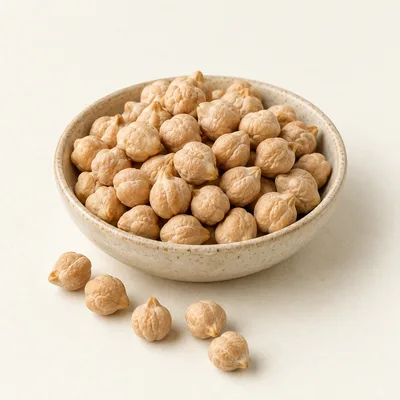 PULSEChickpea
Shiro flour, stews and snacks
Chilli-led blend for wats and seasoning
 FOREST CROPCoffee
Agriculture, hospitality and a formal social ceremony
Injera is grain, fermentation and serving surface together. Teff may be used alone or blended with other grains; sourness, colour and texture vary by flour and fermentation. Sauces are portioned over it and additional rolls are shared. [10][7]
Fasting food is a major culinary repertoire. On many Orthodox fasting days, meat, dairy and eggs are excluded, producing elaborate pulse, vegetable and oil-based dishes. “Fasting” on a menu describes a complete traditional meal structure. [7]
Coffee houses, shared platters and regional specialists each reveal different knowledge.
A coffee ceremony is about hospitality and time. Beans are roasted, ground and brewed in stages while conversation, incense and snacks frame the service. It should not be compressed into a quick photo opportunity. [8][9]
Ask which regional repertoire the restaurant represents. An Addis Ababa menu may gather national dishes, while Gurage, Harari, Oromo, Tigrayan or Somali specialists organise grains, sauces and meat differently. That label is useful information, not a minor detail. [7]
Food-culture sources checked .
Injera, teff and alternative grains
Injera is a spongy, tangy bread served beneath or beside wat, while firfir uses fried, shredded injera. Wheat-based injera is also possible, and barley may feature in some regional or alternative formulations. Ask whether the batter is teff-only, blended or substituted, and whether the same griddle, cloth or utensils are used for other batters.
Wat, shiro and the shared platter
Wat may be made with chicken, lamb, fish, legumes or vegetables: doro wat, yebeg-style lamb wat, asa wat, shiro wat and dinich wat illustrate that range. Ask whether butter, clarified butter or oil is used, whether stock or sauce contains anything additional, and whether injera is placed directly with the stew on a shared platter.
Fried and grilled meat preparations
Tibs can be fried with berbere, onions, peppers and tomato, while another recorded style is breaded and served with tangy sauces. Kitfo may be raw, lightly cooked or fully cooked, with ayeb and spinach; gored gored and tere siga have their own accompaniments. Ask about cooking temperature, breading, butter, dipping sauces and separate utensils.
Breads, snacks and grain dishes
The examples include wheat-based ambasha, dabo, kita and sambusa wrappers; barley appears in tihlo, genfo and ga’at, while kinche uses cracked wheat. Kolo mixtures may include wheat grain and peanuts. For besso, ask whether cow milk replaces or accompanies water; for chechebsa, check both the wheat flatbread and butter coating.
Ingredients worth recognising
Start with these ingredients, then follow their names and recorded food connections. Check the recipe and product actually used.
Butter
Butter is recorded in dishes including chechebsa, doro wat, tibs, gomen and genfo, while some preparations use it as a topping or cooking medium. Ask whether the dish uses butter, clarified butter or oil, and whether the same fat is shared.
Fish
Fish defines asa tibs and asa wat, while other Ethiopian dishes may use meat, legumes or vegetables instead. Ask which fish is used, whether the sauce or stock contains other ingredients, and whether the pan, grill or utensils are shared with other foods.
Egg
Hard-boiled egg is a characteristic addition recorded for doro wat, but an egg is not implied by every stew or injera meal. Ask whether egg is included, added as a topping or cooked in shared water, and whether the serving utensil is shared.
Tahini
Tahini is a common recorded ingredient in buticha and is directly derived from sesame. Ask whether the buticha contains tahini, whether a sauce or garnish is added separately, and whether the preparation uses a shared blender, bowl or spoon with other dishes.
Peanut
Some kolo mixtures include peanuts, alongside components such as wheat grain. Ask for the complete mixture rather than assuming every kolo contains or excludes peanuts, and check shared scoops, bags, roasting trays and containers where several snack mixtures are sold.
Wheat flour
Wheat flour forms the dough or wrapper in versions of ambasha, dabo, kita, chechebsa and sambusa, and can occur in alternative injera. Ask which flour is used, whether blends are present, and whether flour dust or shared equipment affects preparation.
How food labelling works
A current, country-specific allergen-labelling summary for Ethiopia has not yet been verified for this guide. Do not transfer the list of regulated allergens or restaurant disclosure rules from your home country to this one.
Read the complete ingredients on the actual package and keep any local-language sticker with the original label. For imported products, compare the information on that pack rather than a photograph of the brand sold elsewhere. Ask the manufacturer or seller to clarify an unfamiliar term.
For loose food or meals prepared to order, ask who can check the recipe and the labels on bought-in ingredients. Explain every food you avoid, including ingredients outside familiar allergy groups; a short symbol chart may not cover your list.
Language and communication
Amharic is Ethiopia’s first official language and lingua franca, and it is written in the Ge’ez script. Prepare a written explanation in Amharic naming the ingredient or preparation concern, then ask for confirmation of the complete recipe, cooking fat, sauce, toppings and shared utensils. Use dish names only as recognition aids.
Oromo, also called Afaan Oromo, is widely spoken in the middle highlands and uses the Latin alphabet. Where it is the language used locally, prepare the same written explanation in Oromo and request confirmation from the person preparing the food. Regional language use matters, so do not assume that one wording suits every location.
Eating in different settings
Injera-and-wat restaurant
Before ordering a platter, ask whether the injera is made only from teff or includes wheat or barley. Ask about each wat separately, including butter or clarified butter, fish, egg, stock, toppings and shared serving utensils. Confirm whether the injera and stews are placed together on one platter.
Market or snack counter
For kolo, ask for the complete grain and nut mixture and whether scoops or containers are shared. For sambusa or fried snacks, ask what the wrapper contains, what oil is used, whether the oil is shared, and whether the food is fried in the same vessel as other items.
Bakery or breakfast counter
With ambasha, dabo, kita, chechebsa, genfo or besso, ask which grain or flour forms the base. Check for butter, milk, clarified butter and toppings, and ask whether besso is made with water, cow milk or both. Do not treat a plain-looking bread as ingredient-free.
Hotel, guesthouse or organised meal
Give the written explanation before cooking begins and ask who will prepare the food. Request confirmation of the complete recipe, stock, sauce, seasoning, cooking fat, shared pans, water, knives and serving utensils. For a mixed meal, ask which dishes are separate and which share a platter or condiment.
Before you travel
Review your personal plan
Discuss your travel plans with your clinician and keep your prescribed medicines and emergency instructions accessible. Tell companions where these are and how to follow your plan.
Check your medicines before entering Ethiopia
The official travel health source advises checking TravelHealthPro because medicines prescribed or bought in the UK can have different legal status or regulation in Ethiopia. Before travelling, check the medicine’s legal status and regulation with the relevant authority, ask what documentation is needed, and confirm any insurer requirements.
Make the first meals easier to organise
Contact your accommodation and transport providers in advance. Save your written food list, menu questions and destination address offline. Check entry restrictions before packing backup food, and plan how you will check meals during arrival and onward journeys.
Plan access to medical help
The source says only private hospitals in Addis Ababa offer a reasonable standard of basic care for minor problems; facilities outside the capital are extremely poor, and dental and ambulance services are limited. It advises carrying a comprehensive medical pack outside Addis Ababa and notes an FCDO provider list with some English-speaking staff.
Emergency resources
For a suspected severe allergic reaction, follow your prescribed emergency plan and seek urgent medical help. Give your exact location clearly.
Ambulance and urgent medical help
Dial 907 and ask for an ambulance.
Explore next
Your allergy in Ethiopia
Choose a food concern for the country notes and questions relevant to it.
Dishes in Ethiopia
Follow the ingredients and cuisine connections in individual dish records.
Your own food list
Combine allergy groups and individual ingredients in one guide, with local names where recorded.
Allergy cards
Prepare the information you need to explain your food requirements.
FAQs, sources and review dates
Could injera contain wheat even when it is called injera?
Yes, wheat-based injera is a recognised variation, and barley may also feature in some regional or alternative formulations. Ask specifically which grains are in the batter, not simply whether the dish is injera, and check the cooking surface and utensils.
Is clarified butter the same concern as butter in these dishes?
Niter kibbeh or ghee can be clarified butter made from milk, and butter appears in dishes such as kitfo, doro wat and tibs. Ask whether either is used, whether it is added during cooking or serving, and whether another fat is genuinely used instead.
What should I ask about mustard if it is not one of my usual concerns?
Mustard paste is recorded as an accompaniment to some tere siga preparations, and mustard is characteristic in many yemisir azifa preparations. Ask whether mustard or mustard paste is included in the seasoning, sauce or side dish, and whether it is served separately or mixed through.
Sources checked: . This researched draft is awaiting editorial review. Practical questions apply the sources below to local food settings; they do not confirm any individual meal's ingredients or preparation.
Sources & references (10)
- FCDO · Ethiopia health and medical assistance
Emergency contact details, local healthcare and medicine guidance. UK-specific eligibility does not apply to every visitor.
- Wikivoyage contributors · Ethiopia
Community-edited food and dining context, checked against the recorded food examples. This is not an allergy or medical authority. Brief food-context adaptations; CC BY-SA 4.0, https://creativecommons.org/licenses/by-sa/4.0/.
- FARE · Dining out
General recipe and preparation questions, applied here to country-specific food examples.
- FARE · Travelling with food allergies
General preparation, written communication and access to prescribed medicines. Not country-specific import permission.
- PlateSafe · Ethiopia recorded food connections
Existing draft dish and ingredient records, used as examples to investigate. These are not independently verified recipes or suitability assessments.
- Unicode CLDR · Territory language data
Language suggestions. Regional language needs must be confirmed with the particular food provider.
- Tourism Ethiopia — Official portal
- UNESCO — Ethiopian coffee cultural landscape nomination resources
- UNESCO World Heritage Centre — Gedeo Cultural Landscape
- FAO — Ethiopia country profile