

BEFORE YOUR FIRST MEAL
Navigating food allergies in Indonesia
Indonesia’s food is regional rather than one fixed cuisine. Javanese cooking commonly brings peanuts, chillies, sugar and aromatic spices together, while Sundanese meals may feature fresh vegetables and herbs, Padang food is richly seasoned, and Bali, Java, Sulawesi and Papua show different ingredient patterns. Treat every dish as a complete recipe: ask about broths, pastes, garnishes, cooking surfaces and accompaniments.
What to know first
Culinary pattern
Peanuts, chillies, sugar and aromatic spices are prominent in many Javanese preparations; sambal may be mixed in, served separately or added as a finishing sauce.
Regional variation
Padang meals may combine rice with several curries and side dishes, while Sundanese food can centre on fresh vegetables and herbs; a familiar name may still conceal local variation.
Communication
Explain the ingredient you must avoid and ask staff to confirm the complete recipe, including stock, sauce, garnish, shared utensils and cooking oil.
Preparation
For fried rice, noodles, fritters or buffet dishes, ask whether the same oil, water, wok, pan or serving spoon has been used for another ingredient.
Packaged labels
BPOM label guidance describes allergen identification and shared-equipment warnings for specified groups; read the complete Indonesian ingredient list and any separate warning on each product.
Understanding the food
More than seventeen thousand islands connect rice, sago, maize, cassava, coconut, soy, chilli, fish, herbs and fermented foods in sharply different ways. Minangkabau, Javanese, Sundanese, Balinese, Bugis, Papuan, Manadonese, Acehnese and many other cuisines retain their own flavours and meal formats.
Island groups organise grains, proteins and spice profiles differently.
| Region | Food landscape | Examples to explore |
|---|---|---|
| Sumatra | Coconut, chilli, fermented fish, beef and Indian Ocean trade | Rendang, gulai, pempek and Acehnese curries |
| Java & Madura | Rice, soy foods, palm sugar and dense urban street food | Gudeg, rawon, satay, tempeh and soto |
| Bali, Nusa Tenggara & Sulawesi | Ceremonial food, dryland crops, seafood and assertive herbs | Lawar, ayam betutu, coto Makassar and Manado dishes |
| Maluku & Papua | Sago, fish, forest foods and historic spice islands | Papeda, grilled fish, nutmeg, cloves and leaf-wrapped foods |
Indonesia Travel frames gastronomy through destination and community. Regional rice dishes, soups, sambals, satays and sweets follow local agriculture, religion, migration and island trade rather than one national flavour profile. [8][9]
Rice landscapes and spice islands carry political histories. UNESCO’s Balinese subak records cooperative water management tied to temples, while Banda’s nutmeg landscape reflects global trade and colonial violence. [10][11]
Sambal, fermentation and coconut create local flavour systems.
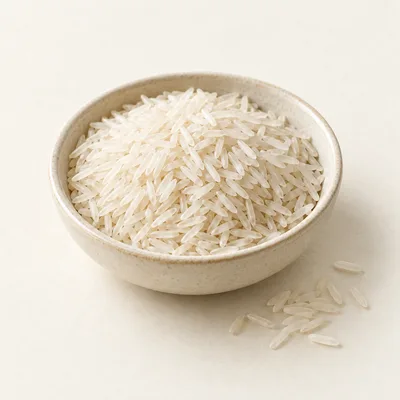 GRAINRice
Steamed meals, porridge, cakes and ceremonial cones
 TREE CROPCoconut
Milk, oil, grated flesh and charcoal cooking
Fresh and cooked sambals specific to region and dish
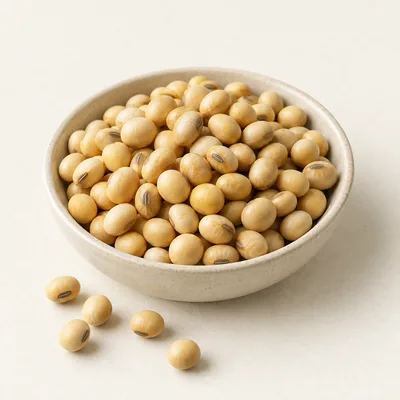 FERMENTED PULSESoybean
Tempeh, tofu and fermented sauces
Sambal is a category of named preparations. Raw, fried, tomato-based, shrimp-paste, green-chilli and region-specific sambals differ in texture, fermentation and intended pairing. It is not simply bottled hot sauce. [8]
Sago remains central where rice is not the historical staple. In Maluku and Papua, sago starch becomes papeda and other foods suited to local palms and ecologies. A rice-only account would erase that eastern food system. [11][9]
Warung and specialist vendors make the archipelago manageable.
Choose the stall by region or technique. Padang restaurants, Javanese warung, soto shops, satay grills and seafood stalls each organise display, ordering and payment differently. Their specialisation is useful information. [8]
Religious and ceremonial contexts matter. Halal practice, Balinese Hindu offerings, Christian feast foods and local adat shape ingredients and service across islands. Identify the community instead of treating every variation as optional garnish. [9][10]
Food-culture sources checked .
Rice, accompaniments and sauces
Rice may be the base of meals such as nasi jinggo, nasi kuning or nasi padang, but the surrounding items matter. Nasi jinggo can include wheat noodles and tempeh; nasi padang presents rice with an array of curries and dishes; nasi kuning is turmeric-coloured rice shaped into tumpeng and topped with dried beef abon. Ask about every sambal, garnish and side rather than judging the rice alone.
Fish, broth and seafood seasonings
Fish is central to recorded dishes including asam padeh ikan, pangek ikan, pesan be pasih and sate lilit. Fish broth appears in rujak kuah pindang and may dress rujak bulung, while shrimp paste is noted in several sambals and dressings. Ask whether fish or shrimp paste is in the broth, marinade, sambal or topping, and whether a supposedly vegetable dish uses the same seasoning.
Peanut-based dressings and fermented foods
Ground peanut is the defining base of the sauce in tipat cantok, and peanut-based sambal or dressing can be added to serombotan; peanuts are also a common finishing garnish for bubur mengguh. Tempeh and tofu are soy-based foods, but their accompaniments still need checking. Ask whether the dressing is made separately and what oil, paste or garnish enters the dish.
Regional and recipe variation
Across Bali, Java, Sumatra and other regional traditions, one dish name cannot settle its ingredients. Gulai daun singkong and gulai paku may use shrimp paste; gulai tambusu may contain tofu or seasoned egg; sate lilit may use fish and sometimes egg. Ask which version is being prepared today and request confirmation of each component.
Ingredients worth recognising
Start with these ingredients, then follow their names and recorded food connections. Check the recipe and product actually used.
Wheat noodles
Wheat noodles are recorded as a common accompaniment in nasi jinggo. Their defining grain is wheat, so ask whether noodles are included, whether a separate noodle seasoning is used, and whether they share cooking water, strainers or serving utensils with your food.
Peanut
Peanut appears as a garnish in bubur mengguh and as a sauce base in tipat cantok; peanut-based dressings may also occur with serombotan. Ask whether peanuts are ground into the sauce, sprinkled on top or handled on the same preparation surface.
Fermented Buffalo Milk
Fermented buffalo milk is a locally recorded dairy ingredient and may matter where a dish or drink uses fermented milk. Ask whether buffalo milk, another milk or a dairy-based topping is present, and whether the complete product recipe includes added ingredients.
Tamarind paste
Tamarind paste is a sour seasoning that may enter sauces, dressings or marinades. Some commercial formulations use sulphite preservatives, so check the full packaged ingredient list and any separate allergen or preservative wording rather than assuming a restaurant paste is plain tamarind.
Tempeh
Tempeh is a soy-based accompaniment recorded in nasi jinggo and is also a familiar Indonesian food form. Ask whether the tempeh is included, what it is marinated or served with, and whether it is fried in shared oil with other foods.
Shrimp Paste
Shrimp paste is a crustacean-derived seasoning noted in Be Siap Mesitsit, several gulai dishes, rujak dressings, serombotan and plecing sambal. Ask specifically about terasi or shrimp paste in sambal, broth, dressing and marinade, including small amounts added at the end.
How food labelling works
BPOM’s processed-food guidance calls for allergen information when specified allergens are present and when production equipment is shared with foods containing them. It describes bold ingredient identification and separate allergen wording, including warnings about shared processing or possible presence.
The listed groups include gluten-containing cereals, egg, fish, crustaceans and molluscs, peanut, soy, milk, tree nuts and sulphites at the stated threshold. Certain refined derivatives are exempt. Check the complete Indonesian ingredient list for your particular foods.
These label checks do not replace questions at a warung, market stall or restaurant. Ask which packaged sauces and pastes enter the dish, then discuss the oil, utensils and surfaces used for your order.
Language and communication
Indonesian is the sole official language and is used throughout the archipelago. Prepare a written explanation in Indonesian, naming the ingredient to avoid and asking for the complete recipe, stock, sauce, toppings, oil, utensils and cooking surfaces. Ingredient names such as peanut, fish, egg, soy or shrimp paste are recognition aids, not a complete allergy request.
Javanese and Sundanese are widely spoken ethnic languages, with other local languages used in particular communities. Regional variation can affect how a dish or ingredient is described, so show the written Indonesian explanation and ask a local speaker or staff member to confirm the full preparation. Do not rely on a dish name or a dietary label alone.
Eating in different settings
Kaki lima or warung
For fried rice, bakso, noodles or simple snacks, ask which stock, paste and oil are used, whether sambal is added during cooking, and whether the wok, strainer or serving spoon is shared. If ingredients are displayed, point to each component and confirm before ordering.
Nasi padang or counter meal
Rice and several curries or side dishes may arrive together, or you may choose from displayed dishes in nasi campur. Ask about each selected dish, especially gulai, sambal, broth and garnish, and request that staff identify the exact version being served rather than relying on its name.
Market, stall or food court
For rujak, fritters, sate or prepared snacks, ask whether the dressing contains shrimp paste, fish broth, peanuts or egg, and whether the item was fried in shared oil. Ask when sauces and toppings were added, since a plain-looking base may be finished separately.
Accommodation or packaged-food shop
For bread, prepared meals, sauces, tempeh, noodles or drinks from a minimart or supermarket, read the complete Indonesian label. Check bold ingredient identification and any separate shared-equipment or possible-presence wording, then ask staff what is added when a meal is heated.
Before you travel
Review your personal plan
Discuss your travel plans with your clinician and keep your prescribed medicines and emergency instructions accessible. Tell companions where these are and how to follow your plan.
Check your medicines before entering Indonesia
Before travelling, ask the Indonesian embassy or another relevant authority what import documents or restrictions may apply to your prescribed medicines. Check whether your travel insurance covers local treatment and unexpected medical evacuation, and keep accessible funds for medical treatment abroad.
Make the first meals easier to organise
Contact your accommodation and transport providers in advance. Save your written food list, menu questions and destination address offline. Check entry restrictions before packing backup food, and plan how you will check meals during arrival and onward journeys.
Plan access to medical help
Local medical care may be poor, some tests may be unreliable, and psychological or psychiatric services may be limited. In remote areas, treatment for serious injuries or illness may be unavailable, and good medical care and evacuation can be expensive. Check your insurer’s coverage, available funds and evacuation arrangements, and consult the medical-provider information before travel where relevant.
Emergency resources
For a suspected severe allergic reaction, follow your prescribed emergency plan and seek urgent medical help. Give your exact location clearly.
Ambulance and urgent medical help
Call 118 and ask for an ambulance.
Explore next
Your allergy in Indonesia
Choose a food concern for the country notes and questions relevant to it.
Dishes in Indonesia
Follow the ingredients and cuisine connections in individual dish records.
Your own food list
Combine allergy groups and individual ingredients in one guide, with local names where recorded.
Allergy cards
Prepare the information you need to explain your food requirements.
FAQs, sources and review dates
Could a vegetable dish contain fish or shrimp ingredients?
Yes, that is possible: gulai daun singkong, gulai paku, serombotan and tipat plecing may use shrimp paste, while rujak bulung or rujak kuah pindang may involve fish broth. Ask about the dressing, sambal, broth and finishing seasoning, not only the vegetables.
What should I ask about sate lilit or a fish dish?
Ask which protein is used and whether the recipe contains egg as a binder, then check the marinade, sambal, glaze and cooking surface. Sate lilit may use minced fish and sometimes egg; asam padeh ikan and pangek ikan are defined by fish, but their accompanying seasonings still need confirmation.
Is coconut automatically covered by a tree-nut warning?
Do not decide this from the ingredient name alone. Coconut and coconut water are recorded separately, and whether coconut is grouped under a generic tree-nut trigger varies by classification. Ask about coconut directly and, for packaged products, read the complete label and any relevant warning.
Sources checked: . This researched draft is awaiting editorial review. Practical questions apply the sources below to local food settings; they do not confirm any individual meal's ingredients or preparation.
Sources & references (11)
- FCDO · Indonesia health and medical assistance
Emergency contact details, local healthcare and medicine guidance. UK-specific eligibility does not apply to every visitor.
- Wikivoyage contributors · Indonesia
Community-edited culinary context only; not an allergy or medical authority. Brief food-context adaptations, CC BY-SA 4.0: https://creativecommons.org/licenses/by-sa/4.0/. Recipe questions also use PlateSafe’s draft records.
- FARE · Dining out
General recipe and preparation questions, applied here to country-specific food examples.
- FARE · Travelling with food allergies
General preparation, written communication and access to prescribed medicines. Not country-specific import permission.
- PlateSafe · Indonesia recorded food connections
Existing draft dish and ingredient records, used as examples to investigate. These are not independently verified recipes or suitability assessments.
- Unicode CLDR · Territory language data
Language suggestions. Regional language needs must be confirmed with the particular food provider.
- BPOM · Processed-food label examples and allergen declarations
Scoped allergen-labelling summary. Does not establish an individual meal’s ingredients or preparation.
- Indonesia Travel — Gastronomy
- Indonesia Travel — Official tourism portal
- UNESCO World Heritage Centre — Cultural Landscape of Bali Province: the Subak System
- UNESCO — Banda Islands tentative heritage listing