
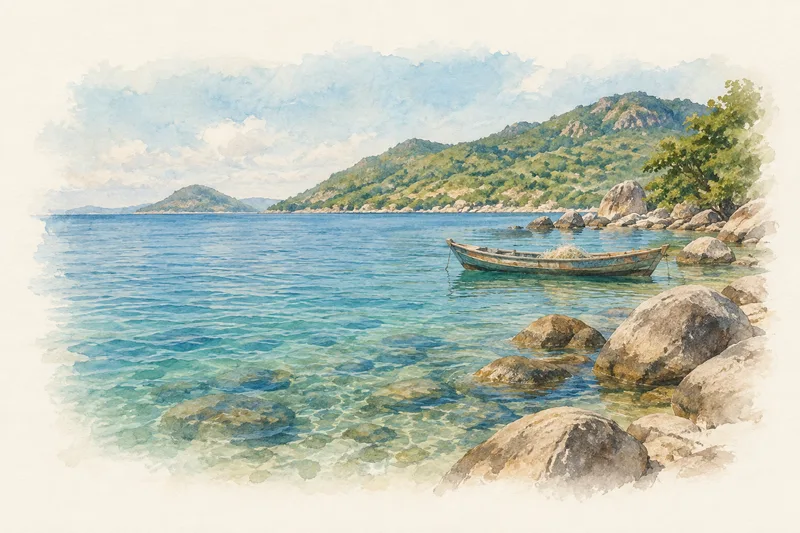
BEFORE YOUR FIRST MEAL
Navigating food allergies in Malawi
Malawian meals often centre on nsima or sima, a thick maize porridge eaten with a relish. The accompanying dish may involve vegetables, beans, beef, chicken or fish, while named preparations can vary. In cities, burgers, pizza and fried chicken sit alongside local food; on major roads, tuck shops sell packaged foods and takeaway pastries. Confirm the complete recipe wherever you eat.
What to know first
Start with the relish, not only nsima
Nsima itself is the maize staple, but the accompanying relish may be a vegetable, bean, meat or fish preparation. Ask what is added to that particular pot.
Named dishes need recipe checks
Dovi centres on ground peanut sauce, while chibwabwa and bonongwe may use peanut flour. Do not treat a familiar dish name as a complete ingredient list.
Explain the whole concern in advance
Give a written explanation in English and, where useful, Chichewa or Chitumbuka. Ask staff to confirm the recipe, stock, sauce, toppings and preparation separately.
Ask about shared cooking equipment
For fried chicken, mandasi, zitumbuwa or other fried foods, ask what oil, pan, utensils and cooking water are shared, and whether the item is made separately.
Read the full packaged label
Checked label notes are not available here. For cookies, takeaway foods and other packaged items, read the complete ingredient list and seek clarification for unfamiliar ingredients.
Understanding the food
Maize, cassava, sweet potato, rice, beans, groundnuts, pumpkin leaves, mustard greens and fish support daily meals, while tea, sugar and fruit shape regional agriculture. Lake shore, northern plateau, central plain and Shire Highlands each place different produce around the staple.
Lake, plateau and southern estates create different accompaniments.
| Region or setting | Food landscape | Examples to explore |
|---|---|---|
| Lake Malawi shore | Freshwater fisheries, cassava, rice and market gardens | Chambo, usipa, kampango, rice and tomato relish |
| Central Region | Maize, groundnuts, beans and urban Lilongwe markets | Nsima, bean stews, groundnut sauce and leafy ndiwo |
| Northern plateau | Cassava, maize, beans and Tanzanian or Zambian links | Cassava nsima, dried fish, beans and seasonal greens |
| Shire Highlands & south | Tea, sugar, fruit, pigeon peas and dense farming | Maize nsima, pigeon-pea relish, vegetables and estate-grown tea |
Maize remains the dominant staple crop. FAO places agriculture at the centre of livelihoods and identifies maize alongside cassava, sweet potato, rice and legumes in the food system. [9]
Lake Malawi is both an ecological and food landscape. UNESCO recognises exceptional fish diversity; the lake also supports communities that eat fish fresh, sun-dried and smoked, so species and harvest pressure matter. [10][9]
Nsima gains meaning from the ndiwo served beside it.
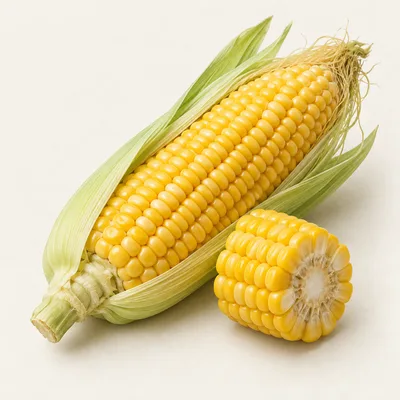 STAPLE GRAINMaize
Milled into firm nsima and softer breakfast porridge
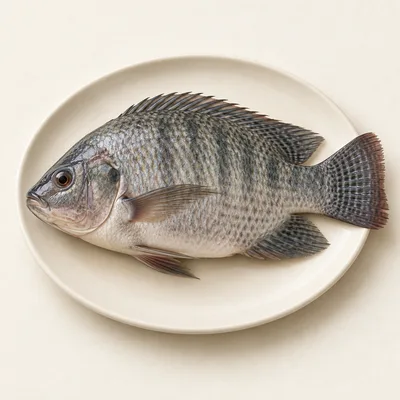 LAKE FISHChambo
Tilapia grilled, fried or simmered with tomato
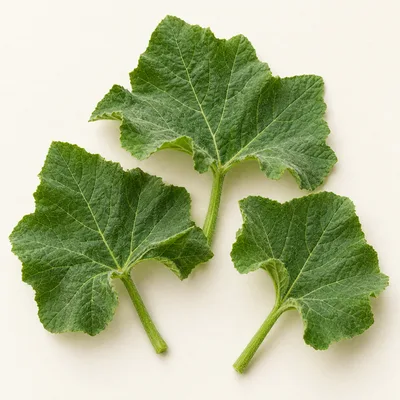 GARDEN LEAVESPumpkin leaves
Cooked as ndiwo, sometimes enriched with groundnut
Pounded into rich sauces for greens, fish and vegetables
Nsima is shaped for eating the relish. A firm maize paste is pinched and pressed by hand to carry greens, beans, fish or meat sauce; texture and the accompanying ndiwo define the meal. [7][9]
Small fish are nutritionally and culturally important. Usipa and other species may be dried whole, fried or simmered, making lake fish available beyond the landing site and outside the immediate catch. [10][9]
Markets and community tourism connect staple foods to the farms and lake.
Ask which relish is ready today. Many everyday places lead with nsima while vegetables, beans, fish or meat rotate by price and season; the ndiwo list is more informative than the staple name. [7][8]
Culinary tourism should benefit the producer and cook. The national ecotourism strategy identifies organic and traditional cuisine as an opportunity, which is most credible when local growers, fishing communities and hosts retain ownership of the experience. [8]
Food-culture sources checked .
Nsima and relishes
Nsima or sima is a thick maize porridge commonly shaped into portions and eaten with relishes. Some versions include vegetables such as pumpkin leaves, beans, beef, chicken and fish. Ask whether the relish contains peanut flour, ground peanut, stock, sauce or added oil, and whether the same serving spoon moves between pots.
Leafy and vegetable preparations
Chibwabwa, bonongwe, masamba, mphangwe, futali and ndiwo are useful names to recognise, but their recorded connections show variation rather than one fixed recipe. Several may be enriched or thickened with peanut flour or ground peanut. Ask which leaves or vegetables are present, what thickens the dish, and whether a separate pan and spoon were used.
Fish and other proteins
Chambo, mpasa and usipa are named for fish as their defining protein, with chambo and mpasa identified as freshwater fish. Relishes may also use beef or chicken. Ask whether fish is whole or mixed into a sauce, which stock or seasoning is used, and whether frying oil or utensils are shared.
Batter, pastry and city choices
Mandasi, nthochi, mbatata and zitumbuwa are connected with wheat flour; egg is recorded in some nthochi and mbatata preparations, and butter may occur in mbatata. In larger cities, burgers, pizza and fried chicken are also common choices. Ask about dough, fillings, toppings, coatings, oil and kitchen equipment rather than relying on the menu name.
Ingredients worth recognising
Start with these ingredients, then follow their names and recorded food connections. Check the recipe and product actually used.
Wheat flour
Wheat flour forms the dough or batter in mandasi and is recorded as a main or core ingredient in mbatata, nthochi and zitumbuwa. Ask whether the complete recipe includes egg, butter, fillings or toppings, and how the item is cooked.
Egg
Egg is an intrinsic ingredient in the relevant food information and may be an optional binder in some mbatata recipes and a common binder in nthochi batter. Ask if it is present in this batch and whether utensils are shared.
Peanut Flour
Peanut flour is recorded as a characteristic or customary thickener in futali, chibwabwa, bonongwe and mphangwe, and may enrich other preparations. Ask directly whether it was added to the pot, sauce or topping, and whether the flour is kept or scooped separately.
Butter
Butter may be used in some mbatata preparations and is a cow-milk derivative. Ask whether the recipe uses butter, another fat or a mixture, and check any filling, glaze or spread added after cooking.
Chambo Fish
Chambo is recorded as the defining fish in chambo dishes. Ask whether the serving is chambo alone or part of a relish with stock, sauce or other ingredients, and whether the fish was cooked in shared oil or on shared equipment.
Soy Flour
Soy flour is made from soybeans and is connected with likuni phala. Ask whether soy flour is used in the particular porridge, what liquid or flavourings are added, and whether the serving spoon or cooking pot is shared with other foods.
How food labelling works
A current, country-specific allergen-labelling summary for Malawi has not yet been verified for this guide. Do not transfer the list of regulated allergens or restaurant disclosure rules from your home country to this one.
Read the complete ingredients on the actual package and keep any local-language sticker with the original label. For imported products, compare the information on that pack rather than a photograph of the brand sold elsewhere. Ask the manufacturer or seller to clarify an unfamiliar term.
For loose food or meals prepared to order, ask who can check the recipe and the labels on bought-in ingredients. Explain every food you avoid, including ingredients outside familiar allergy groups; a short symbol chart may not cover your list.
Language and communication
English is Malawi’s only official language. Prepare a written explanation in English, naming the foods and ingredients to avoid or check, then ask the server to confirm the complete recipe, stock, sauce, toppings and cooking equipment.
Chichewa and Chitumbuka are widely used regional languages, with Chitumbuka especially associated with many speakers in northern and central areas. A written explanation in one of these languages may help, but regional variation matters; ask a local speaker or staff member to confirm the meaning and the recipe.
Eating in different settings
Local restaurant serving nsima
Ask which relish comes with the nsima and whether it contains peanut flour, ground peanut, fish, stock or a sauce. Confirm that the spoon, bowl and serving ladle have not been shared between relishes, and ask whether a separate portion can be prepared.
City fast-food counter
For burgers, pizza or fried chicken, ask about the bun or base, coating, sauce, cheese, toppings and seasoning. Ask whether the fryer, oil, tongs and prep surface are shared, and request confirmation of every component before ordering.
Roadside tuck shop
For packaged cookies, meat pies or sausage rolls, inspect the complete label rather than relying on the product name. For an unpackaged takeaway, ask about wheat flour, egg, butter, fillings, sauces and shared trays or oil.
Accommodation or shared meal
Before accepting nsima and relish, explain the full concern in writing and ask what went into each pot. Confirm the oil, stock, thickener and serving utensils, and ask whether leafy vegetables, beans, fish or meat were cooked together.
Before you travel
Review your personal plan
Discuss your travel plans with your clinician and keep your prescribed medicines and emergency instructions accessible. Tell companions where these are and how to follow your plan.
Check your medicines before entering Malawi
The legal status and regulation of medicines prescribed or bought in the UK may differ in Malawi. Check TravelHealthPro’s advice on travelling with medicines and confirm any import or documentation requirements with the relevant Malawian authority before travel.
Make the first meals easier to organise
Contact your accommodation and transport providers in advance. Save your written food list, menu questions and destination address offline. Check entry restrictions before packing backup food, and plan how you will check meals during arrival and onward journeys.
Plan access to medical help
Healthcare facilities in Malawi may not provide the same standard as those in the UK; rural facilities are basic and emergency services limited. Carry basic medical supplies, check adequate travel health insurance and accessible funds, and confirm cover for treatment, medical evacuation and repatriation. Some listed providers may have English-speaking staff.
Emergency resources
For a suspected severe allergic reaction, follow your prescribed emergency plan and seek urgent medical help. Give your exact location clearly.
Ambulance and urgent medical help
Request an ambulance on 998. The line may be unreliable, so obtain area-specific backup contacts from your accommodation or local police before they are needed.
Explore next
Your allergy in Malawi
Choose a food concern for the country notes and questions relevant to it.
Dishes in Malawi
Follow the ingredients and cuisine connections in individual dish records.
Your own food list
Combine allergy groups and individual ingredients in one guide, with local names where recorded.
Allergy cards
Prepare the information you need to explain your food requirements.
FAQs, sources and review dates
Could a vegetable relish contain peanut?
Peanut flour or ground peanut may be used in several vegetable and leafy preparations, including chibwabwa, bonongwe, futali, mphangwe, masamba and some ndiwo. Ask about the actual pot, including any thickener, garnish, sauce and shared spoon.
Is wheat flour the same concern as gluten?
Wheat flour is recorded in mandasi, mbatata, nthochi and zitumbuwa, but wheat and gluten should not be treated as identical terms. Ask for the full recipe and preparation details, and explain whether you are checking wheat, gluten or a medically diagnosed condition.
What about coconut or pine nuts in Malawi dishes?
Coconut or pine nuts are not listed in the named Malawi examples. Do not infer that they are absent from an individual recipe: ask about the complete dish, sauce, garnish, stock and cooking method, especially for a recipe prepared outside the listed examples.
Sources checked: . This researched draft is awaiting editorial review. Practical questions apply the sources below to local food settings; they do not confirm any individual meal's ingredients or preparation.
Sources & references (10)
- FCDO · Malawi health and medical assistance
Emergency contact details, local healthcare and medicine guidance. UK-specific eligibility does not apply to every visitor.
- Wikivoyage contributors · Malawi
Community-edited culinary context only; not an allergy or medical authority. Brief food-context adaptations, CC BY-SA 4.0: https://creativecommons.org/licenses/by-sa/4.0/. Recipe questions also use PlateSafe’s draft records.
- FARE · Dining out
General recipe and preparation questions, applied here to country-specific food examples.
- FARE · Travelling with food allergies
General preparation, written communication and access to prescribed medicines. Not country-specific import permission.
- PlateSafe · Malawi recorded food connections
Existing draft dish and ingredient records, used as examples to investigate. These are not independently verified recipes or suitability assessments.
- Unicode CLDR · Territory language data
Language suggestions. Regional language needs must be confirmed with the particular food provider.
- Visit Malawi — Official tourism portal
- Malawi Department of Tourism — Ecotourism strategy
- FAO in Malawi — Malawi at a glance
- UNESCO World Heritage Centre — Lake Malawi National Park