
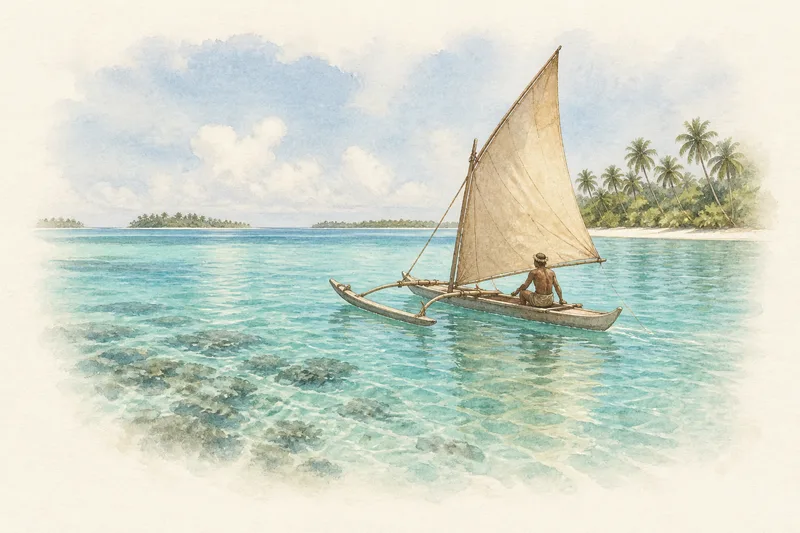
BEFORE YOUR FIRST MEAL
Navigating food allergies in Marshall Islands
Meals in the Marshall Islands may include fish, coconut, fruit, vegetables, pork and chicken, alongside food from Chinese, Filipino, Japanese, Indian and other restaurants. Roadside stands and takeaway counters may serve traditional food or seasonal produce in changing forms. A dish name cannot explain its complete recipe. Describe your dietary requirement clearly, then ask about ingredients, sauces, cooking liquid, separate portions and shared pans, utensils, oil or serving equipment.
What to know first
Fish and coconut dishes
Fish cooked with coconut milk is one local example, but ask about the exact fish, coconut preparation, stock, seasoning and sauce. Check whether the same pot, ladle or serving bowl has handled other food, and whether your portion can be prepared separately. The dish name alone does not establish its complete recipe.
Seasonal island produce
Breadfruit, pandanus, coconut, corn, tomato, sweet potato, cassava, papaya, pumpkin, noni, lime, pork and chicken are locally available examples. Ask whether each item is plain, fried, boiled, baked, blended, filled or mixed, and what has been added during cooking or serving.
Explain the whole requirement
State the ingredient or condition you need to avoid, and explain that you need the complete recipe checked. Ask specifically about sauces, marinades, stock, cooking liquid, garnishes and separate portions. A staff member recognising a dish name may not know every component used in that kitchen.
Ask about shared preparation
At a stand, takeaway counter or restaurant, ask whether the food shares a pan, knife, board, fryer, oil, cooking water, ladle or serving utensil with other dishes. If preparation is shared, ask what separate preparation is possible before deciding whether to order.
Read the full label
Read the complete ingredient list and any allergen information on the exact packaged product. Look beyond the product name for sauces, seasonings, fillings and flavourings. If an ingredient or preparation detail is unclear, ask the food provider or producer to clarify that specific product.
Understanding the food
Breadfruit, pandanus, coconut, giant swamp taro, banana, fish and reef foods form an atoll pantry with little arable land. Imported rice, flour, canned meat and frozen poultry are now common, but local preservation, food gifting and chiefly presentation retain deep cultural meaning.
Rainfall, remoteness and urban supply alter the island pantry.
| Region or setting | Food landscape | Examples to explore |
|---|---|---|
| Majuro | Markets, imported staples, local fish and national migration | Grilled fish, rice plates, breadfruit and mixed contemporary food |
| Kwajalein & Ebeye | Dense settlement, wage economy and imported supply | Rice, fish, chicken and celebration potlucks |
| Northern atolls | Drier conditions favour pandanus and coconut | Preserved pandanus paste, fish and coconut preparations |
| Outer southern atolls | More rain supports breadfruit, taro and household preservation | Roasted breadfruit, bwiro, taro and reef fish |
Traditional foods are adapted to coral atolls. The cultural resource identifies breadfruit, preserved breadfruit, coconut, banana, pandanus, taro, poultry and fish as core local foods. [7]
Imported food is now part of the real food system. Household-consumption research records rice, ramen, bread, canned and frozen meats alongside local staples, a shift shaped by trade, urbanisation and climate pressure. [8][9]
Preservation carries harvest across lean months and long voyages.
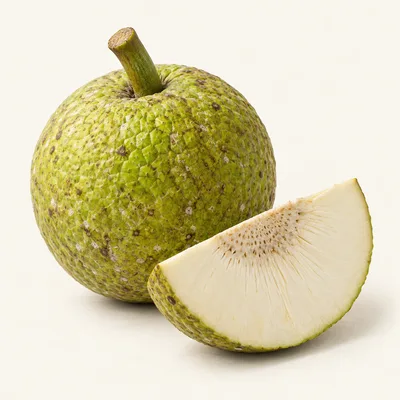 TREE STARCHBreadfruit
Roasted, boiled or fermented in earth pits
Eaten fresh or dried into durable paste
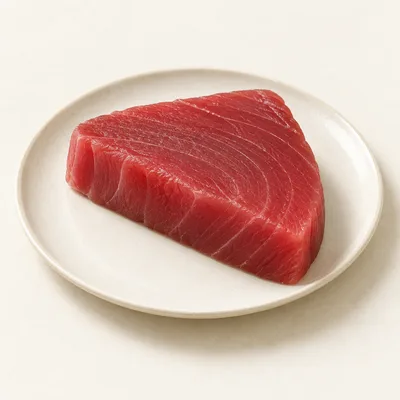 OCEAN PROTEINFish
Grilled, boiled, dried or eaten in community meals
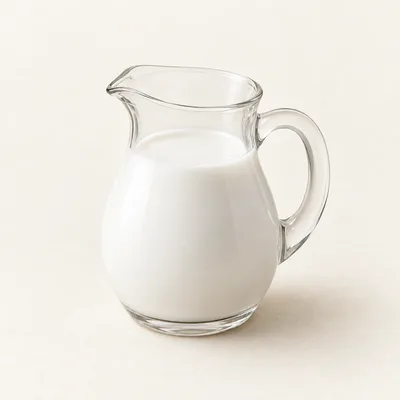 PALM CROPCoconut
Flesh, milk, oil and sap across savoury and sweet foods
Bwiro preserves breadfruit through fermentation. Breadfruit pulp is fermented, wrapped and cooked into a dense food whose preparation stores a seasonal crop for later use. [7][8]
Food baskets communicate relationship and rank. Community-prepared baskets of fish, pig, chicken, breadfruit, pandanus, taro and coconut have been presented to guests and chiefs according to local knowledge. [7]
Community events and household invitations are more informative than a resort menu.
A potluck may join local and imported foods without contradiction. Rice, chicken and canned goods can sit beside fish, breadfruit and pandanus; contemporary Marshallese food should not be judged by an invented purity test. [7][8]
Climate and nuclear histories belong to the food story. Displacement, contaminated homelands, sea-level rise and dependence on shipping affect access to land, fisheries and traditional preservation knowledge. [9][10]
Food-culture sources checked .
Fish with coconut milk
Fish is widely associated with the islands’ waters, and Iik Käläl is described as fish boiled with coconut milk. Ask which fish is used and whether the coconut milk is canned, prepared locally or combined with another liquid. Check for stock, lime, seasoning, sauce or garnish. Ask whether a separate portion can be cooked in a clean pot, and whether the ladle, pan or serving bowl is shared with another dish.
Breadfruit, cassava and other produce
Local produce includes breadfruit, pandanus, coconut, corn, tomato, sweet potato, cassava, papaya, pumpkin, noni and lime. The same ingredient might be served whole, cooked, fried, blended, added to a filling or combined with a sauce. Ask what happens to the complete recipe, including cooking liquid, oil, seasoning and toppings. If food comes from a shared tray, ask which utensils and preparation surfaces were used.
Roadside food along the island route
Fruit and traditional food stands are found along the road from Ajeltake to Laura. Ask whether fruit or prepared food is served plain, cut to order, mixed with coconut or lime, or accompanied by a sauce or seasoning. For cooked food, ask about the full recipe and whether a separate portion is possible. Also ask whether knives, boards, pans and serving utensils are used for other foods.
International restaurants and takeaway
Restaurants in the Marshall Islands include Chinese, Filipino, Japanese and Indian options, as well as other international food. Cuisine labels and dish names cannot describe every ingredient. Ask about marinades, sauces, stock, toppings, garnishes and cooking liquid. For takeaway, ask how the order is assembled and whether pans, oil, cooking water, utensils or containers are shared. Confirm the complete recipe before accepting a meal.
Ingredients worth recognising
Start with these ingredients, then follow their names and recorded food connections. Check the recipe and product actually used.
Fish
Fish may be served whole, filleted, boiled with coconut milk, fried or included in a mixed dish. Ask which fish is used, what liquid, seasoning or sauce is added, and whether the fish is cooked or served with other food in shared equipment.
Coconut
Coconut may appear as milk, cream, grated flesh, water or a garnish in local dishes and drinks. Ask which form is used, whether it is combined with stock, lime or seasoning, and whether the preparation utensil or container is shared.
Breadfruit
Breadfruit may be served boiled, baked, fried or as part of a prepared filling or side dish. Ask whether oil, coconut, stock, sauce or seasoning has been added, and whether the knife, board, pan or serving utensil has touched other food.
Papaya
Papaya may be offered as cut fruit, a drink, a topping or part of a mixed preparation. Ask whether it is served plain or combined with lime, coconut, sugar, sauce or other fruit, and whether the knife, blender, cup or tray is shared.
Pandanus Fruit
Pandanus fruit may be served alone or incorporated into a drink or other preparation. Ask how it has been prepared and whether coconut, lime, sugar, seasoning or another ingredient has been added. Check any shared blender, knife, board, cup or serving utensil.
How food labelling works
A current, country-specific allergen-labelling summary for Marshall Islands has not yet been verified for this guide. Do not transfer the list of regulated allergens or restaurant disclosure rules from your home country to this one.
Read the complete ingredients on the actual package and keep any local-language sticker with the original label. For imported products, compare the information on that pack rather than a photograph of the brand sold elsewhere. Ask the manufacturer or seller to clarify an unfamiliar term.
For loose food or meals prepared to order, ask who can check the recipe and the labels on bought-in ingredients. Explain every food you avoid, including ingredients outside familiar allergy groups; a short symbol chart may not cover your list.
Language and communication
Marshallese and English are used locally. Prepare a written explanation in both languages where possible, stating the exact food ingredient or condition and the preparation questions you need answered. Keep the wording specific to the meal being ordered.
Language names and ingredient names are recognition aids, not a complete allergy request. Ask the person taking the order to confirm the whole recipe, including stock, sauce, toppings, shared oil, water and utensils. Regional or individual language ability may vary, so arrange written or local assistance in advance when the detail matters.
Eating in different settings
Roadside fruit or traditional-food stand
At a stand along the road from Ajeltake to Laura, ask whether the item is plain or mixed with lime, coconut, sauce, seasoning or another ingredient. For prepared food, ask about the complete recipe and whether the pan, knife, board and serving utensil have handled other dishes.
Restaurant or takeaway counter
When ordering fish, ask which fish is used and whether it is cooked with coconut milk, stock, marinade or sauce. Ask staff to check the complete recipe, including garnish and cooking liquid, and ask whether the pan, oil, ladle or container is shared with other meals.
International restaurant
At a Chinese, Filipino, Japanese or Indian restaurant, do not rely on the cuisine or dish name. Ask about every sauce, topping, garnish, stock and cooking liquid. Also ask whether a separate portion can be prepared and whether oil, utensils, pans or cooking water are shared.
Accommodation or self-preparation
When buying local produce or preparing food where you are staying, inspect each packaged ingredient and ask what has already been added to prepared items. Keep ingredients separate during preparation and use clean cookware, knives, boards and serving utensils if shared preparation is a concern.
Before you travel
Review your personal plan
Discuss your travel plans with your clinician and keep your prescribed medicines and emergency instructions accessible. Tell companions where these are and how to follow your plan.
Check your medicines before entering Marshall Islands
The legal status and regulation of medicines prescribed or bought in the UK may differ in the Marshall Islands. Before travel, check medicine import and documentation requirements with the relevant Marshall Islands authority and consult TravelHealthPro guidance. Bring sufficient prescribed medicine.
Make the first meals easier to organise
Contact your accommodation and transport providers in advance. Save your written food list, menu questions and destination address offline. Check entry restrictions before packing backup food, and plan how you will check meals during arrival and onward journeys.
Plan access to medical help
Medical facilities in the Marshall Islands are described as very limited. Arrange comprehensive travel insurance covering all medical costs, including medical evacuation, and check the policy’s eligibility and regional limits before departure. Confirm with the insurer what assistance is available if food-related care is needed.
Emergency resources
For a suspected severe allergic reaction, follow your prescribed emergency plan and seek urgent medical help. Give your exact location clearly.
Ambulance and urgent medical help
Call 625 4142 and ask for an ambulance.
Explore next
Your allergy in Marshall Islands
Choose a food concern for the country notes and questions relevant to it.
Dishes in Marshall Islands
Follow the ingredients and cuisine connections in individual dish records.
Your own food list
Combine allergy groups and individual ingredients in one guide, with local names where recorded.
Allergy cards
Prepare the information you need to explain your food requirements.
FAQs, sources and review dates
How should I ask about Iik Käläl?
Ask which fish is used and whether the dish contains coconut milk only or also stock, seasoning, lime or sauce. Ask whether a separate portion can be cooked in a clean pot, and whether the fish, ladle, pan or serving bowl has been used with other food.
What should I ask about breadfruit, cassava or pumpkin?
Ask whether the produce is boiled, fried, baked or mixed with another preparation, and whether oil, stock, coconut, sauce or seasoning has been added. If it comes from a shared tray, ask whether the utensil, pan, board or serving surface has touched other dishes.
What should I ask about pandanus or noni?
Ask whether the individual ingredient is served alone or combined with fruit, coconut, lime, sugar, seasoning or another recipe component. Confirm the exact preparation and ask about any shared blender, knife, board, cup or serving utensil rather than relying on the ingredient’s name alone.
Sources checked: . This researched draft is awaiting editorial review. Practical questions apply the sources below to local food settings; they do not confirm any individual meal's ingredients or preparation.
Sources & references (10)
- FCDO · Marshall Islands health and medical assistance
Emergency contact details, local healthcare and medicine guidance. UK-specific eligibility does not apply to every visitor.
- Wikivoyage contributors · Marshall Islands
Community-edited culinary context only; not an allergy or medical authority. Brief food-context adaptations, CC BY-SA 4.0: https://creativecommons.org/licenses/by-sa/4.0/. Recipe questions also use PlateSafe’s draft records.
- FARE · Dining out
General recipe and preparation questions, applied here to country-specific food examples.
- FARE · Travelling with food allergies
General preparation, written communication and access to prescribed medicines. Not country-specific import permission.
- PlateSafe · Marshall Islands recorded food connections
Existing draft dish and ingredient records, used as examples to investigate. These are not independently verified recipes or suitability assessments.
- Unicode CLDR · Territory language data
Language suggestions. Regional language needs must be confirmed with the particular food provider.
- University of Hawaiʻi — Republic of the Marshall Islands food and culture resource
- Pacific Community — Food consumption in the Marshall Islands
- FAO — Marshall Islands country profile
- Marshall Islands Visitors Authority