Understanding mustard in Cuba
Read the complete meal: its base, sauces, stock, seasonings, coatings, garnishes and preparation. A familiar dish name does not establish the recipe used for the serving in front of you.
This guide keeps every selected food together. A recorded connection identifies something worth checking; a missing connection leaves the ingredient status unknown.
Relevant food context for Cuba
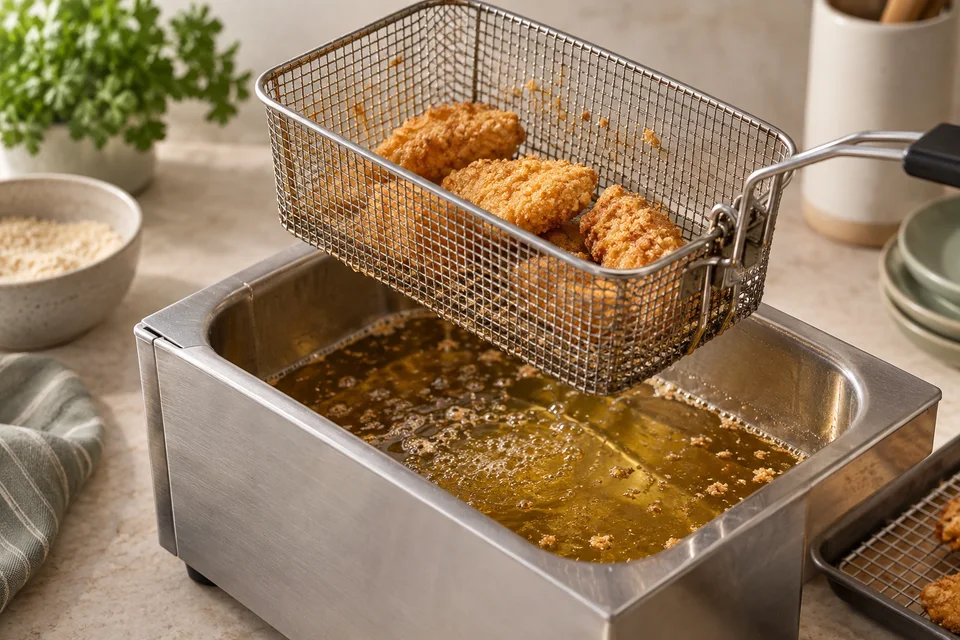
Sandwiches, bread and frying: Street vendors may sell sandwiches, small pizzas, spaghetti in tomato sauce and cream cakes. Recorded Cuban examples include Sandwich Cubano, Medianoche, Pan con Lechon and Frita Cubana. Check the bread or bun, mustard, cheese, butter, fillings and tomato sauce. For croquetas, buñuelos and malanga fritters, ask about wheat, egg, milk, crumbs and the frying oil.
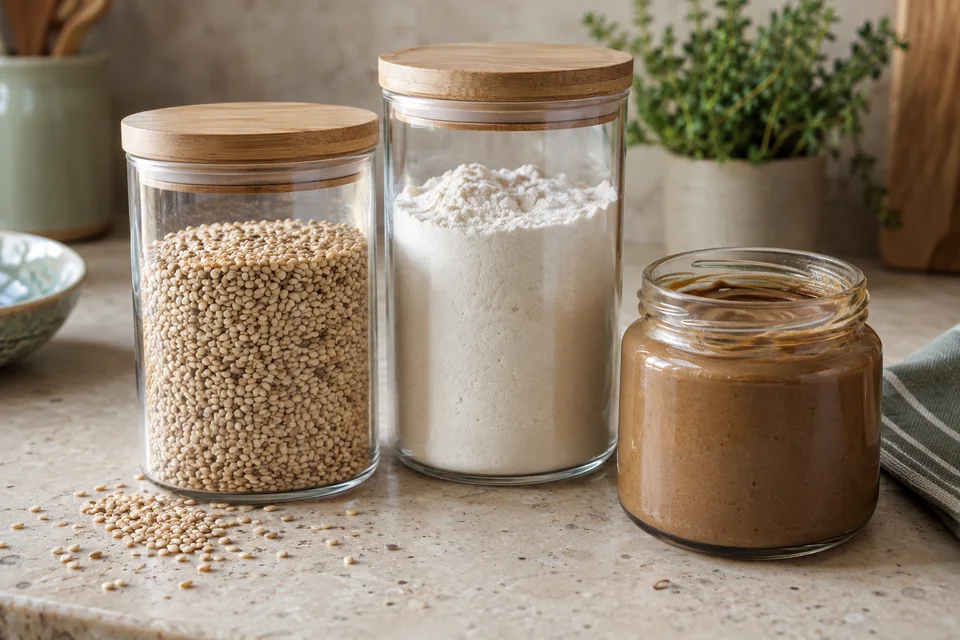
Mustard: Mustard is intrinsic to mustard-seed preparations and is recorded in Cuban sandwiches and fritas. Ask whether mustard is spread on the bread, mixed into a sauce or included in a dressing, and whether the same knife is used elsewhere.
Paladar: Ask for the complete recipe before ordering, including marinade, stock, sauce, garnish and cooking fat. For arroz y frijoles, request separate confirmation for rice and beans. For a sandwich or fritter, ask about bread, cheese, mustard, egg, crumbs and shared frying oil.
Hotel or packaged-food shop: Read the complete label on bread, breadcrumbs, mustard, ketchup, stock, wine, raisins and desserts. Ask staff to identify every ingredient and flavouring, not only the product name. For lobster or prawns, confirm the species and whether seafood shares a grill, pan or fryer.
Using this guide
Open Dishes to investigate recorded local connections, Ingredients & hidden sources to follow component paths, Shopping & labels for names and package checks, and Eating out for a complete kitchen conversation.