Understanding mustard in Mali
Read the complete meal: its base, sauces, stock, seasonings, coatings, garnishes and preparation. A familiar dish name does not establish the recipe used for the serving in front of you.
This guide keeps every selected food together. A recorded connection identifies something worth checking; a missing connection leaves the ingredient status unknown.
Relevant food context for Mali
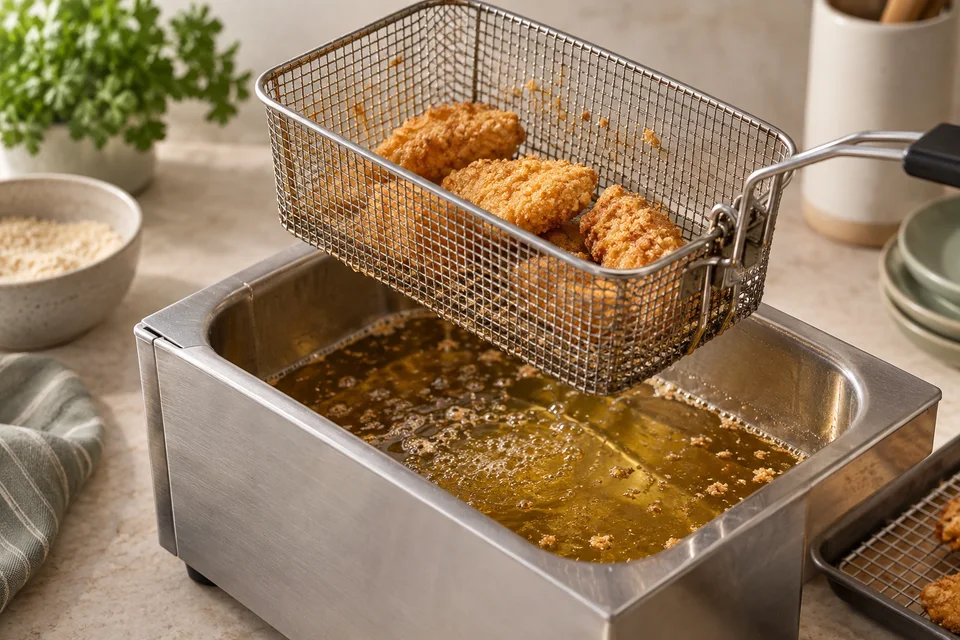
Fried, grilled and filled foods: Street and restaurant examples include omelet sandwiches, fried rice, potatoes, chicken, meatballs, beef kebabs and fish. Fataya and pastels are wheat-flour pastries with fish among recorded filling variations; dibi is grilled and may come with mustard. Ask about the filling, marinade, condiment, frying oil and shared grill or fryer.
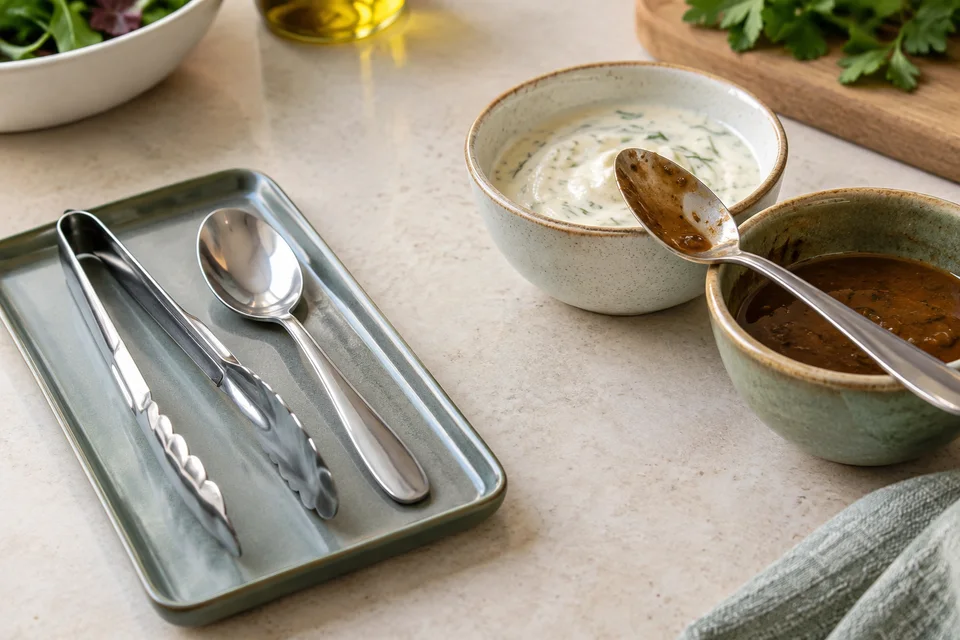
Mustard Paste: Mustard is a common condiment served with grilled dibi. Ask whether mustard paste is included in the marinade, brushed on during grilling or served separately, and request confirmation of every sauce or relish placed beside the meat.
Roadside table or transport centre: For rice, sauces, fried foods or kebabs, ask which pot, oil and serving utensils were used. Ask whether peanut sauce, fish, mustard or egg was added, and whether your food can be served without the requested ingredient rather than assuming a plain portion is separate.
Malian restaurant: When ordering maafe, riz sauce, dibi or grilled capitaine, ask for the full recipe, marinade, stock, sauce and garnish. Confirm whether the grill, pan or spoon is shared, and whether a condiment such as mustard arrives automatically or can be left off.
Using this guide
Open Dishes to investigate recorded local connections, Ingredients & hidden sources to follow component paths, Shopping & labels for names and package checks, and Eating out for a complete kitchen conversation.