Understanding sesame in India
Read the complete meal: its base, sauces, stock, seasonings, coatings, garnishes and preparation. A familiar dish name does not establish the recipe used for the serving in front of you.
This guide keeps every selected food together. A recorded connection identifies something worth checking; a missing connection leaves the ingredient status unknown.
Relevant food context for India
Western variation in breads, snacks and dairy: Gujarati dishes include dhokla, thepla, handvo, khandvi and undhiyu; some versions use yoghurt, sesame, peanuts or wheat flour. Maharashtra and Goa dishes include pav-based foods and seafood preparations. Ask whether pav is wheat-based, whether dabeli masala contains peanut or sesame, and whether a snack is fried in oil also used for other items.
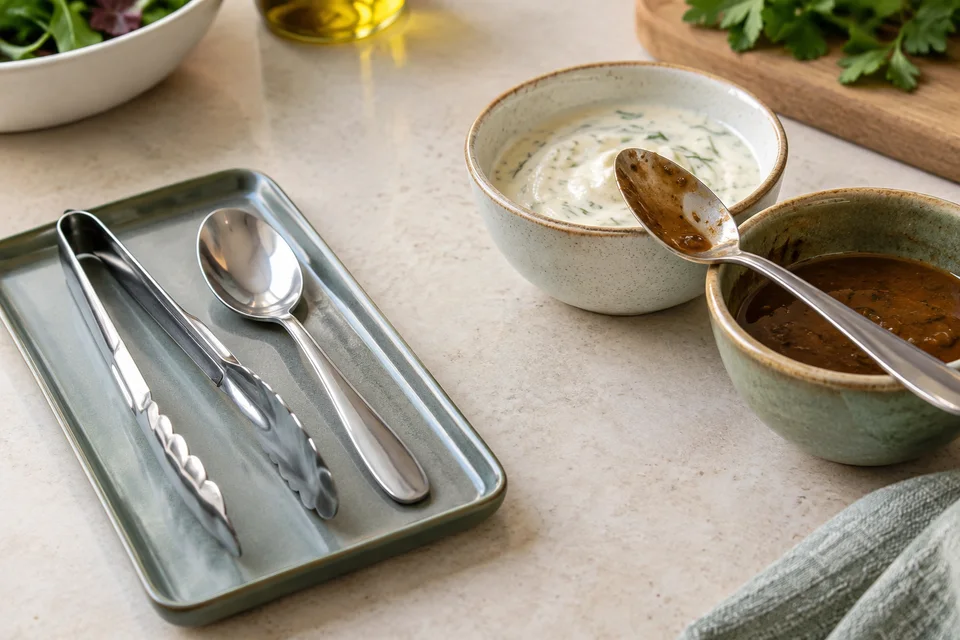
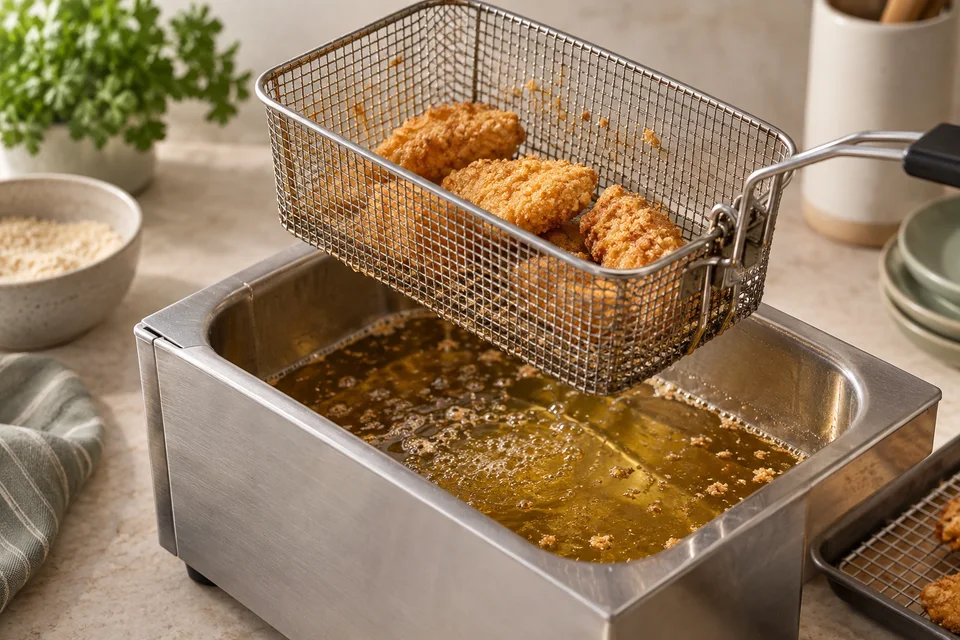
Street snack stall or market counter: For samosa, singara, jalebi, vada pav or dabeli, ask what flour is in the pastry or pav, whether peanut or sesame is in the filling or masala, and whether the same oil, tongs or tray handles other foods.
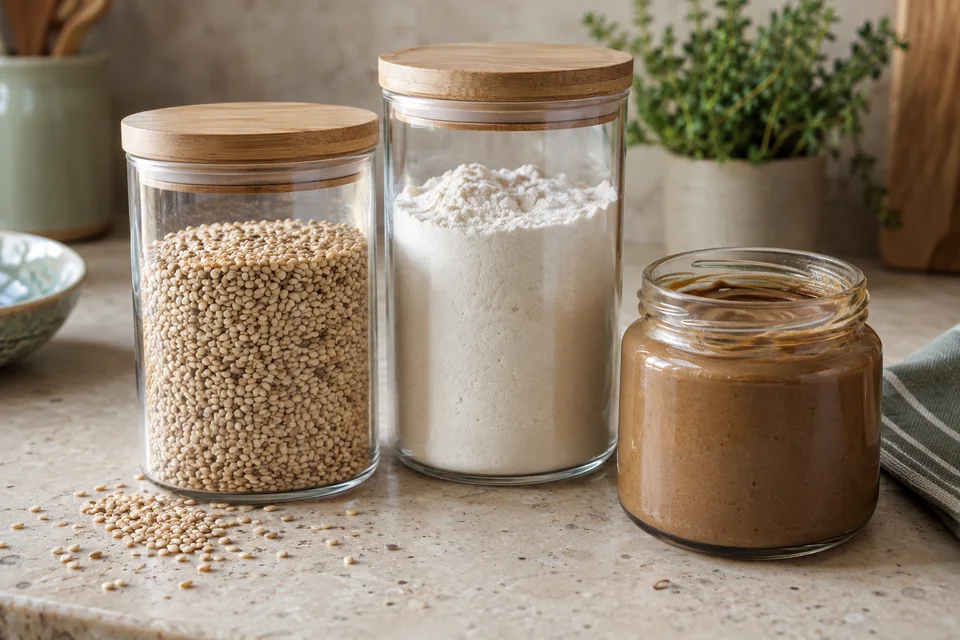
Accommodation or packaged-food shop: When buying spice mixes, papad, chutney, biscuits or packaged sweets, read the complete ingredient list. Ask about wheat, sesame, peanut, milk, egg, mustard and possible cross-contact, and keep the unopened packaging available for checking.
Using this guide
Open Dishes to investigate recorded local connections, Ingredients & hidden sources to follow component paths, Shopping & labels for names and package checks, and Eating out for a complete kitchen conversation.