Understanding sesame in Lebanon
Read the complete meal: its base, sauces, stock, seasonings, coatings, garnishes and preparation. A familiar dish name does not establish the recipe used for the serving in front of you.
This guide keeps every selected food together. A recorded connection identifies something worth checking; a missing connection leaves the ingredient status unknown.
Relevant food context for Lebanon
Flatbreads, sandwiches and grills: Manakish has a wheat-flour flatbread base, with cheese or zaatar among recorded topping variations; zaatar commonly includes sesame. Lahm bi ajine and sfiha also use wheat-based bases. Shawarma is commonly served in wheat pita and may come with tahini sauce. For shish taouk, ask about the yoghurt marinade; for grilled meat or chicken, ask about seasoning, basting, bread, sauces and shared grill surfaces.
Sweets and regional variation: Possible sweets include knefeh, atayef, awamat, ma'amoul, nammoura and sfouf. Wheat appears in several pastry, batter or semolina components; fillings and finishes may add cheese, cream, butter, egg, sesame, pistachio, walnut or almond. Tripoli is associated with Lebanese sweets. At a sweet shop, identify the exact piece and ask about fillings, toppings, shared trays and utensils rather than relying on its display name.
Pita Bread: Pita is commonly made with wheat flour and some formulations include sesame as a topping or ingredient. It appears with fattoush, fatteh and shawarma. Ask whether the bread is wheat-based, whether sesame is present, and whether it shares a toaster, griddle or serving surface.
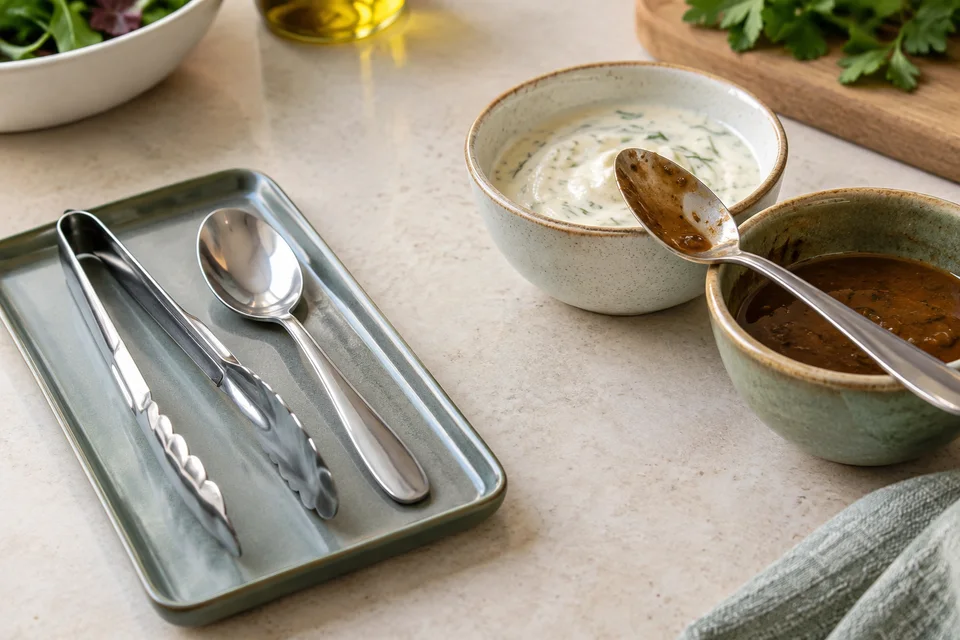
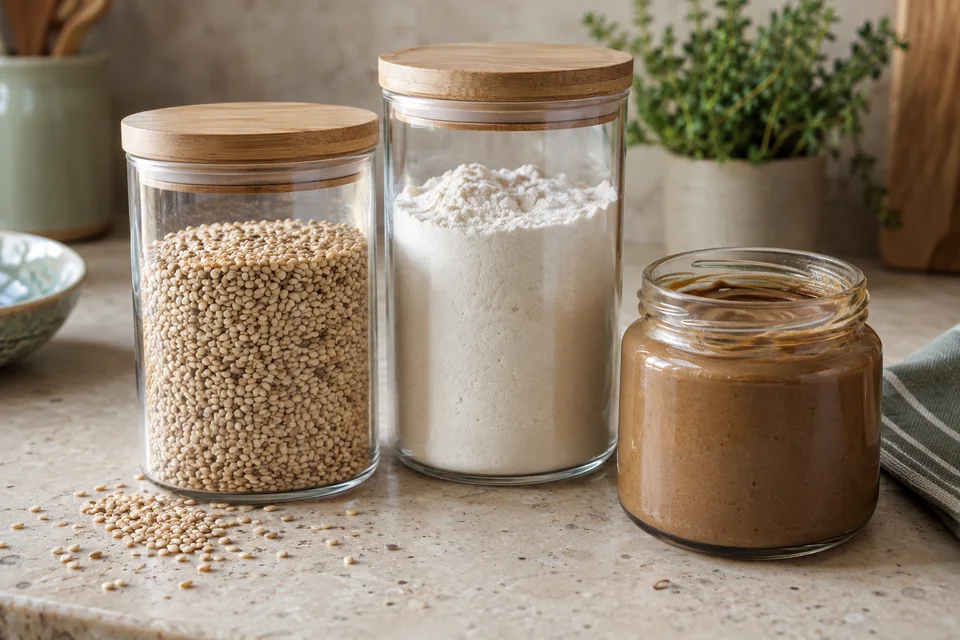
Tahini: Tahini is directly derived from sesame and is central to hummus and mutabbal; it can also be a shawarma or fish-dish sauce. Ask whether the sauce is pure tahini or a prepared mixture, and whether a separate spoon is used.
Zaatar seasoning: Zaatar seasoning commonly includes sesame seeds, and some commercial blends include wheat or toasted wheat ingredients. It is used on manakish and can be sprinkled elsewhere. Ask to see the blend or its full label, and check whether it is added before baking.
Using this guide
Open Dishes to investigate recorded local connections, Ingredients & hidden sources to follow component paths, Shopping & labels for names and package checks, and Eating out for a complete kitchen conversation.