Understanding sesame in Guatemala
Read the complete meal: its base, sauces, stock, seasonings, coatings, garnishes and preparation. A familiar dish name does not establish the recipe used for the serving in front of you.
This guide keeps every selected food together. A recorded connection identifies something worth checking; a missing connection leaves the ingredient status unknown.
Relevant food context for Guatemala
Ground sauces and toppings: Pepián is recorded with sesame in its ground sauce, and mole de plátano with almonds and sesame. Dobladas, tostadas and enchiladas may have cheese or egg toppings, while mustard appears with some other dishes. Ask for sauce, garnish and topping ingredients separately.
Bread: Bread is relevant to torrejas, molletes and other bakery foods. Formulations can include wheat, milk, egg, soy or sesame, and rye is also used in recognised breads. Ask for the complete recipe or label, including enriched dough, toppings and bakery surfaces.
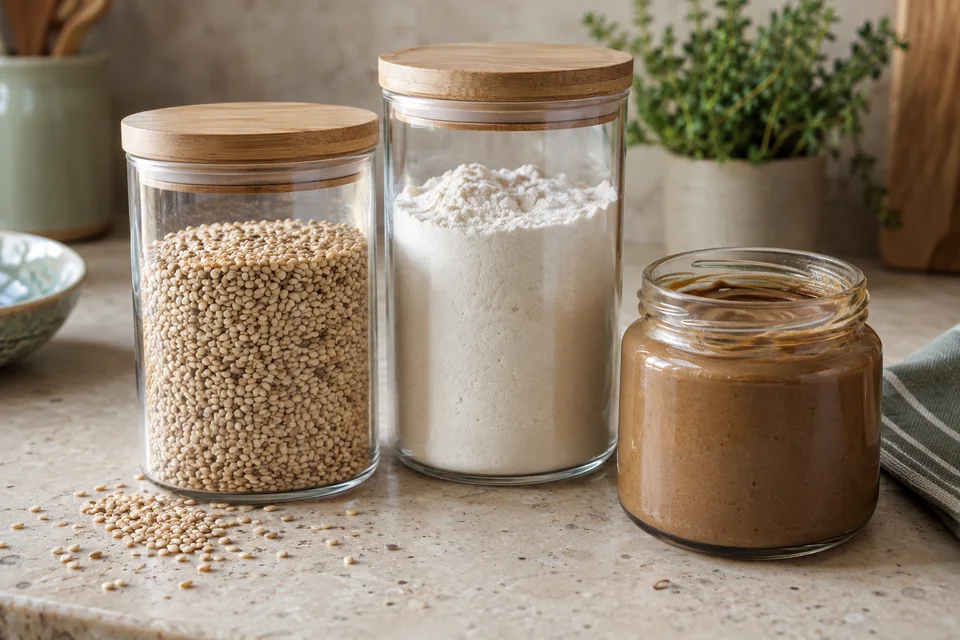
Sesame Seed: Sesame is recorded in pepián and as a customary topping on some champurradas, and it is also central to some mole de plátano versions. Ask whether sesame is in the sauce, decoration or shared cooking area, not just whether it is visible.
Bakery or sweet shop: With champurradas, buñuelos, molletes, torrejas or canillitas de leche, ask for the complete dough, coating, filling and topping ingredients. Check wheat flour, egg, butter, milk, sesame and pastry cream separately, and ask whether items are prepared on shared trays.
Using this guide
Open Dishes to investigate recorded local connections, Ingredients & hidden sources to follow component paths, Shopping & labels for names and package checks, and Eating out for a complete kitchen conversation.