Understanding wheat in Sri Lanka
Read the complete meal: its base, sauces, stock, seasonings, coatings, garnishes and preparation. A familiar dish name does not establish the recipe used for the serving in front of you.
This guide keeps every selected food together. A recorded connection identifies something worth checking; a missing connection leaves the ingredient status unknown.
Relevant food context for Sri Lanka
Roti, kottu and hopper dishes: Godamba roti is wheat-based, and Kottu Roti uses chopped godamba roti with vegetables and a chosen meat; egg is a common addition. Hoppers may be plain or egg hoppers, while pittu and pol roti have recorded variations. Ask for the exact flour, batter, added egg, sauce and oil, not simply a plain or vegetarian description.
Snacks, sweets and regional examples: Short eats include rolls and samosas filled with potato, fish or chicken; fish cutlets may use egg and wheat breadcrumbs. Possible local examples include Jaffna crab curry, prawn dishes, watalappam, aluwa and bibikkan. Around Mannar, string hoppers may be paired with curry. Treat each recipe as a local variation: ask about fillings, coatings, garnishes and accompaniments.
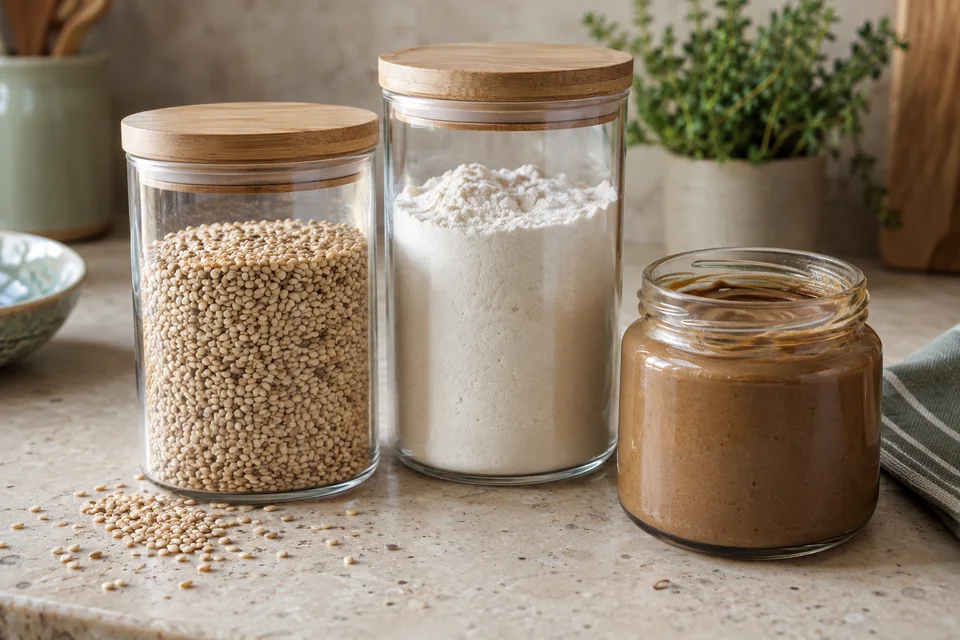
Wheat flour: Wheat flour is recorded in godamba roti, pol roti, kokis and pani pol, and in some pittu; chopped roti is central to kottu. Ask whether the flour is present in the bread, batter or coating, and whether a separate utensil is used.
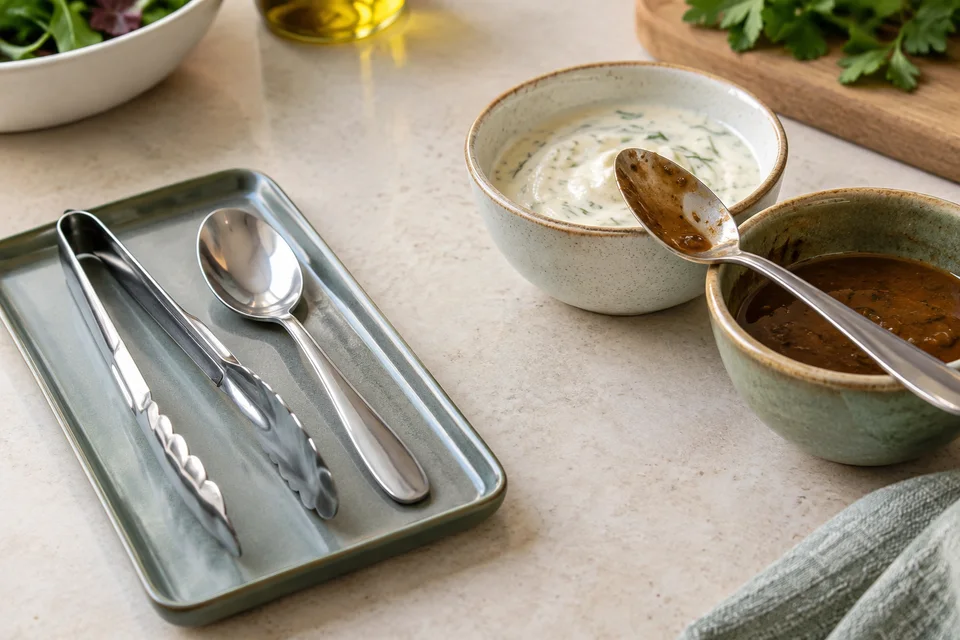
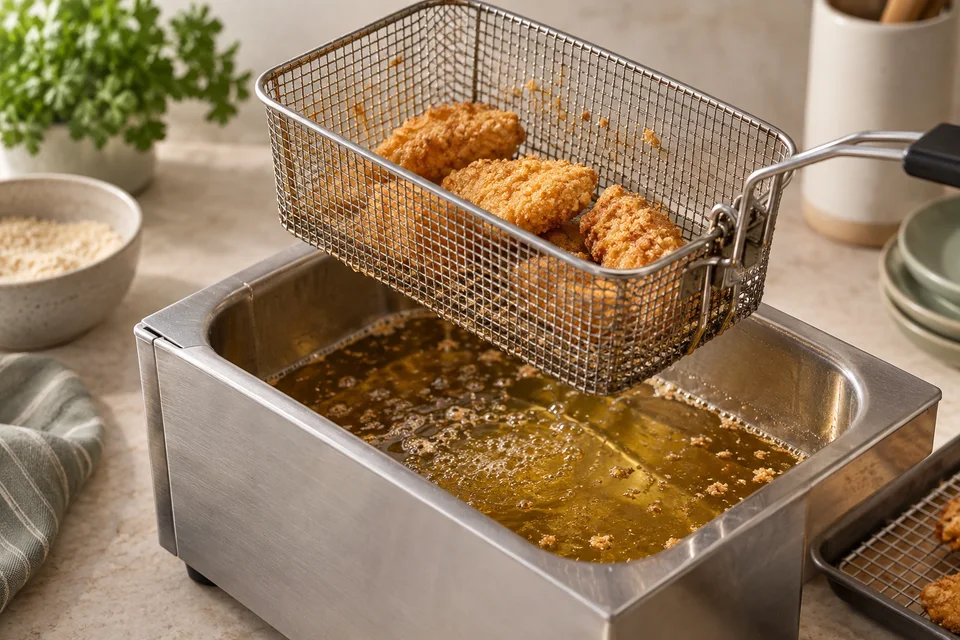
Bakery or short-eats counter: For rolls, samosas, fish cutlets, kokis and other fried or baked goods, ask about the filling, wheat flour, egg and breadcrumb coating. Confirm the frying oil, trays, tongs and display surfaces, rather than assuming separate-looking items were prepared separately.
Using this guide
Open Dishes to investigate recorded local connections, Ingredients & hidden sources to follow component paths, Shopping & labels for names and package checks, and Eating out for a complete kitchen conversation.