Understanding wheat in Bahamas
Read the complete meal: its base, sauces, stock, seasonings, coatings, garnishes and preparation. A familiar dish name does not establish the recipe used for the serving in front of you.
This guide keeps every selected food together. A recorded connection identifies something worth checking; a missing connection leaves the ingredient status unknown.
Relevant food context for Bahamas
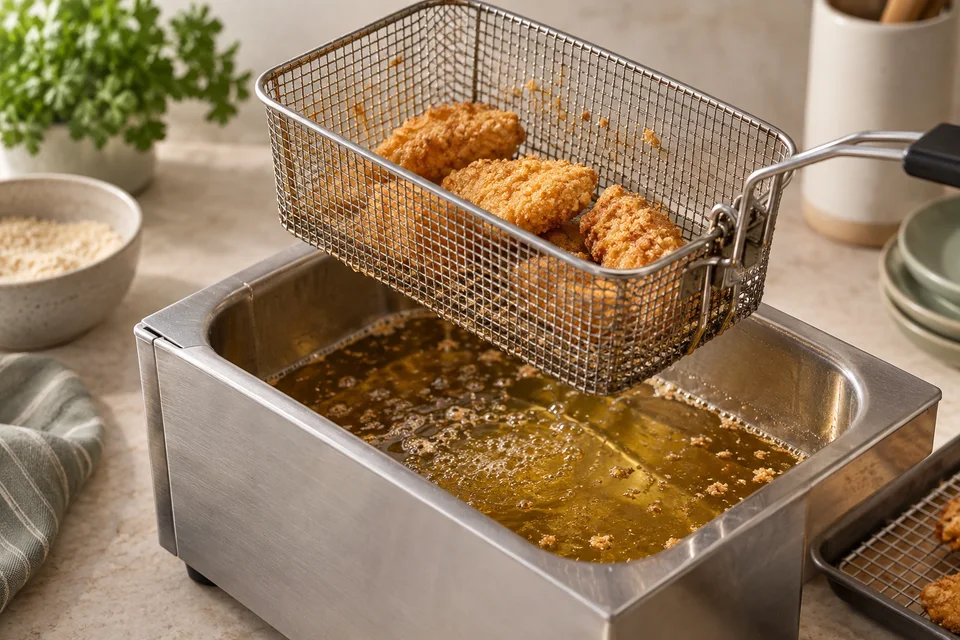
Conch and fried seafood: Conch is described as a mollusc served raw with lemon or deep-fried as cracked conch; conch fritters are another recorded example. Cracked conch, fritters and grouper fingers may use wheat flour and egg in their coatings or batter. Ask whether lemon, seasoning, dipping sauce and shared frying oil are separate from the main item.
Fish, crab and soup dishes: Bahamian boiled fish and fish stew use fish as the defining or primary protein, while fish cakes use cod and commonly include wheat flour and egg. Baked crab may contain wheat breadcrumbs, egg and sometimes butter in its stuffing. Ask about stock, celery, butter, binding ingredients and garnishes in the complete recipe.
Breads, pasta and baked dishes: Examples include potato bread, johnnycake, coconut bread, macaroni and cheese, bread pudding and several tarts. Wheat is common in the breads, pastry and short pasta examples; egg and dairy occur in several baked or bound dishes. Ask whether a recipe uses wheat flour, egg, milk, butter or cheese, and whether toppings differ.
Sweet and regional variation: Cassava cake may include egg, sweetened condensed milk, butter and cheese; guava duff uses a steamed wheat-flour dough with butter commonly used in its sauce. Rum cake may contain pecans or walnuts. Treat these as recipe examples: ask about the batter, filling, sauce, fruit preparation and any added nuts.
Bread: Bread may be a side, pudding base or crumb ingredient. Standard bread is commonly made with wheat flour, while some formulations include sesame, soy, egg or milk; rye is also used in recognised formulations. Check the full packaged or recipe ingredient list, including toppings and enriched dough.
Using this guide
Open Dishes to investigate recorded local connections, Ingredients & hidden sources to follow component paths, Shopping & labels for names and package checks, and Eating out for a complete kitchen conversation.