Understanding wheat in Djibouti
Read the complete meal: its base, sauces, stock, seasonings, coatings, garnishes and preparation. A familiar dish name does not establish the recipe used for the serving in front of you.
This guide keeps every selected food together. A recorded connection identifies something worth checking; a missing connection leaves the ingredient status unknown.
Relevant food context for Djibouti
Breads and flat preparations: Examples include canjeero, muufo, malawah and sabayad. Wheat flour is commonly or typically used in each, with malawah sometimes including butter and egg. Ask whether the batter or dough contains only the stated flour and whether butter, egg or another finishing ingredient is added. Check whether the same griddle, knife or serving utensil is used for other preparations.
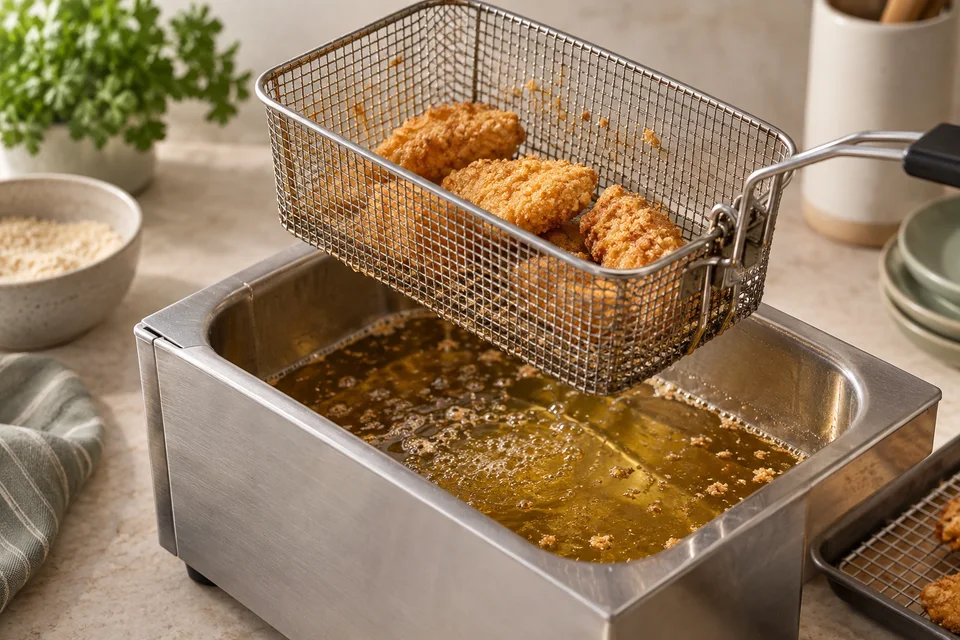
Pastry, snacks and fillings: Sambusa and bajiya are pastry-based examples: both have wrappers made from wheat flour, while bajiya has tuna as a core filling. Kac-kac is a wheat-flour dough that may use cow milk or egg in some recipes. Ask about the wrapper, binder, filling, frying oil and shared utensils rather than assuming all versions follow one formula.
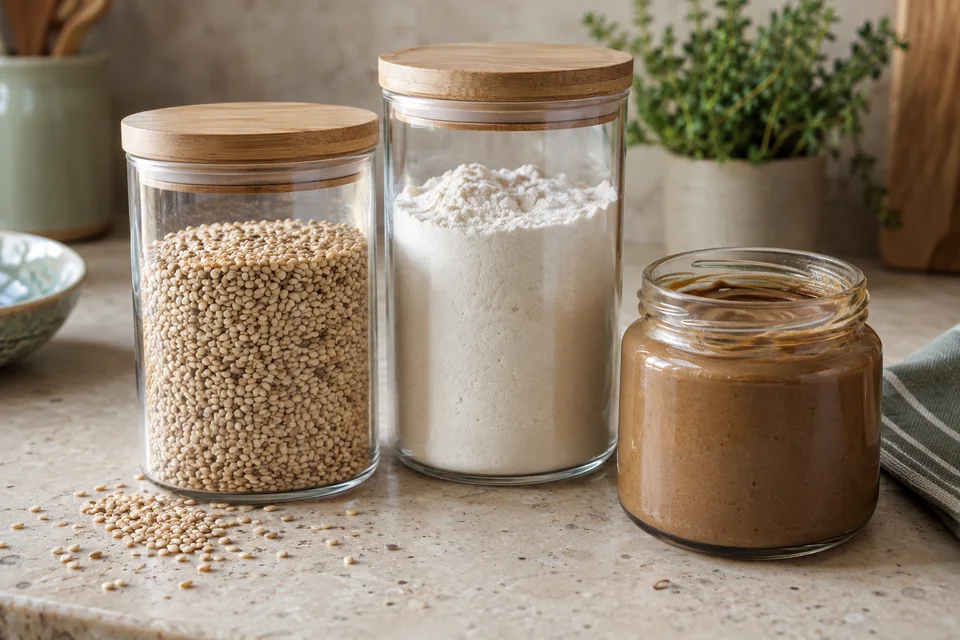
Pasta, pulses and accompaniments: Baasto iyo suugo is recorded with wheat pasta, and some pasta varieties may contain egg. Ful medames may be served with tahini as an occasional topping, while Cambuulo may use sesame oil as a finishing or cooking oil. Ask whether the sauce, garnish and cooking water are separate from other dishes and which oil was used.
Sweet dishes and recipe variation: Aseeda uses wheat flour as a typical base and may be accompanied or finished with butter. Xalwo can incorporate or carry nuts, with peanuts included in some versions. These examples show recipe variation rather than a universal formula: ask about the exact preparation, garnish, dairy, nuts and any oil or utensil used.
Wheat flour: Wheat flour is recorded in canjeero, muufo, malawah, sabayad, aseeda, kac-kac and pastry wrappers. Ask whether the complete recipe uses wheat flour, another flour or a blend, and whether the same board, griddle or utensil is used.
Using this guide
Open Dishes to investigate recorded local connections, Ingredients & hidden sources to follow component paths, Shopping & labels for names and package checks, and Eating out for a complete kitchen conversation.