Understanding wheat in Tonga
Read the complete meal: its base, sauces, stock, seasonings, coatings, garnishes and preparation. A familiar dish name does not establish the recipe used for the serving in front of you.
This guide keeps every selected food together. A recorded connection identifies something worth checking; a missing connection leaves the ingredient status unknown.
Relevant food context for Tonga
Doughs, cakes and feast service: Faikakai and Topai are wheat-flour dumpling examples, while Keke Tonga is a wheat-flour cake example commonly connected with butter and egg. Ask whether the recipe is made from scratch, what fat is used, and whether toppings or sauces are added. At a feast or hotel event, check how portions are plated and whether crumbs or utensils are shared.
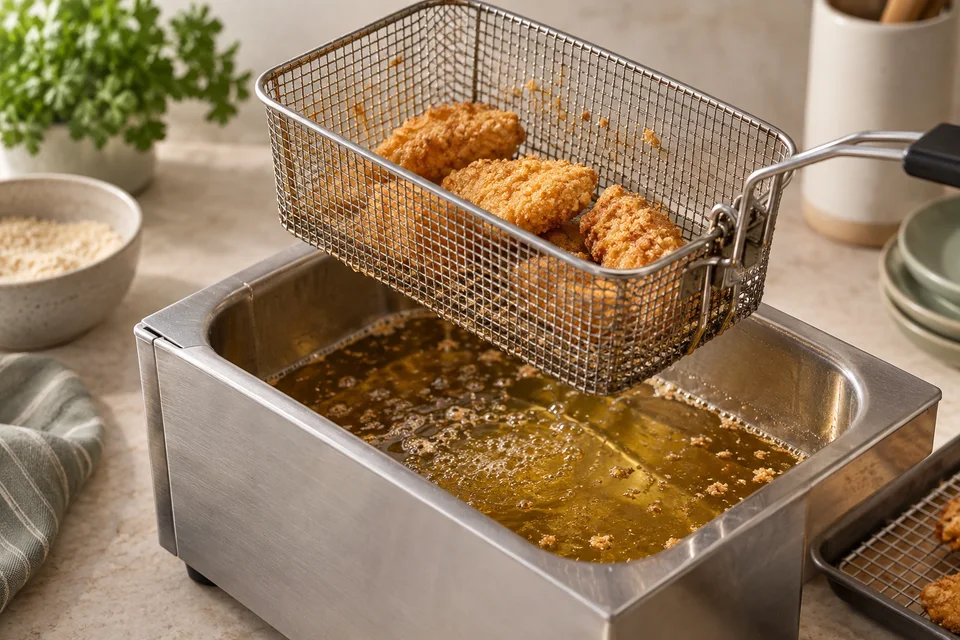
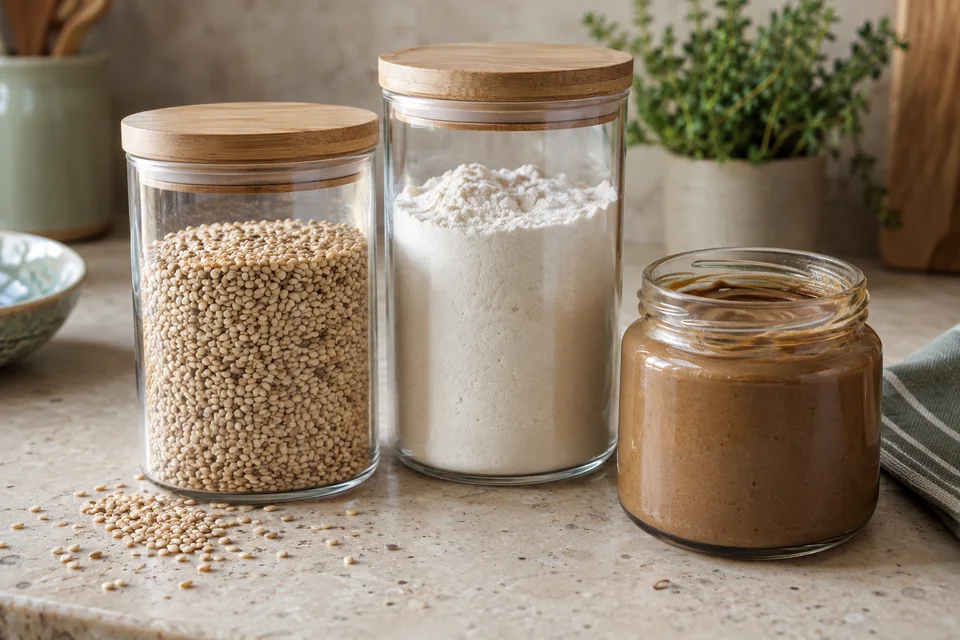
Wheat flour: Wheat flour is recorded in Faikakai and Topai as a structural ingredient, and in Keke Tonga batter. Ask whether it appears in dough, cake, coating, sauce or crumbs, and whether preparation shares boards or utensils.
Feast or hotel event: Ask the organiser or cook what is in each dish before taking a portion. For Ota Ika and Lu Ika, confirm fish type, raw or cooked handling, marinades, fillings and serving utensils. Ask whether wheat-based dumplings or Keke Tonga are prepared or plated nearby.
Bakery or packaged-food shop: For Keke Tonga, Faikakai or Topai, ask whether wheat flour, butter or egg is present and whether toppings alter the recipe. For packaged goods, read the complete ingredient list and check the product label each time before buying.
Using this guide
Open Dishes to investigate recorded local connections, Ingredients & hidden sources to follow component paths, Shopping & labels for names and package checks, and Eating out for a complete kitchen conversation.