Understanding wheat in Norway
Read the complete meal: its base, sauces, stock, seasonings, coatings, garnishes and preparation. A familiar dish name does not establish the recipe used for the serving in front of you.
This guide keeps every selected food together. A recorded connection identifies something worth checking; a missing connection leaves the ingredient status unknown.
Relevant food context for Norway
Bread, flour and everyday meals: Sliced bread is common outside dinner, and bakery foods include lefse, skillingsbolle, julekake, krumkake and vafler. Wheat flour is recorded in many of these, while barley flour is common in raspeball. Ask whether wheat, barley, egg, milk or butter is used, and whether a spread, filling or topping changes the recipe.
Fish, soups and mixed preparations: Coastal and northern examples include dried or salted cod, bacalao, lutefisk, mølje and sursild; gravlaks uses salmon and rakfisk uses trout. Bergensk fiskesuppe may be thickened with wheat flour, contain cream and include shrimp or other crustaceans. Confirm the fish species and every stock, thickener and seafood addition.
Meat, game and substantial dishes: Fårikål is recorded as a lamb-and-cabbage casserole, while finnbiff is a stew whose sauce typically uses cream. Kjøttkaker and sodd may use egg or wheat as binders. Ask whether gravy or broth contains flour, celery or dairy, and whether the stated meat dish includes a separate potato, bread or sauce component.
Wheat flour: Wheat flour forms the structure of bread, cakes, waffles, lefse and some sauces or dumplings. Some versions include bløtkake, vafler and raspeball. Ask whether it is present in the main item, coating, thickener or crumbs.
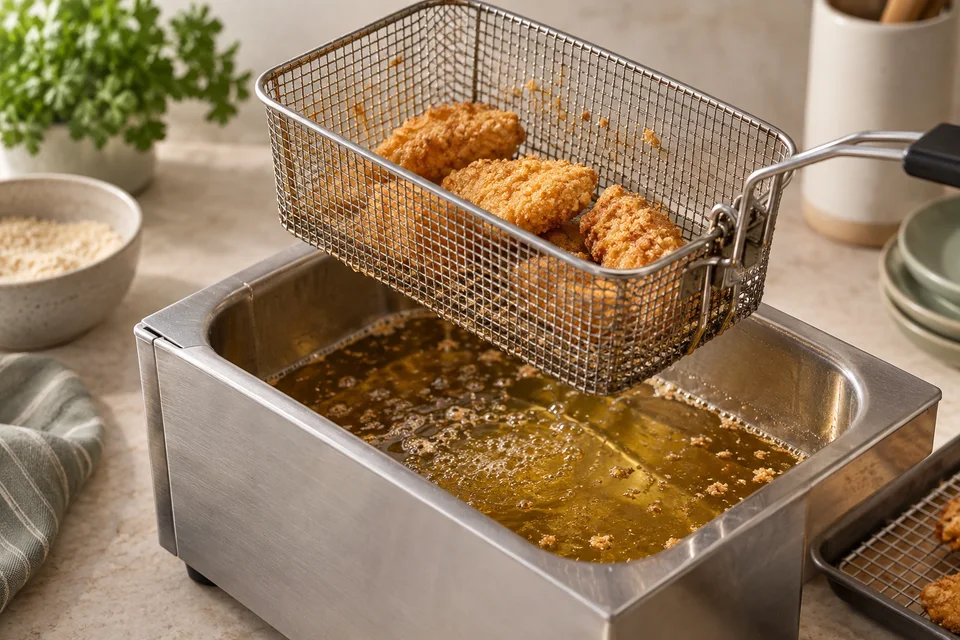
Breadcrumbs: Breadcrumbs may come from wheat or rye bread and some formulations include sesame, egg, milk or soy-derived ingredients. They can appear in coatings, gratins or toppings. Ask which bread was used and whether crumbs share equipment with other preparations.
Using this guide
Open Dishes to investigate recorded local connections, Ingredients & hidden sources to follow component paths, Shopping & labels for names and package checks, and Eating out for a complete kitchen conversation.