Understanding wheat in Mongolia
Read the complete meal: its base, sauces, stock, seasonings, coatings, garnishes and preparation. A familiar dish name does not establish the recipe used for the serving in front of you.
This guide keeps every selected food together. A recorded connection identifies something worth checking; a missing connection leaves the ingredient status unknown.
Relevant food context for Mongolia
Steamed, fried and boiled dough: Buuz are steamed dumplings with meat filling; khuushuur is a deep-fried meat-and-onion flatbread; bansh and guriltai shol are recorded with wheat-based dough or noodles. Ask whether dough is made separately, what flour is used, and whether the same water, oil, board or utensils handle other foods.
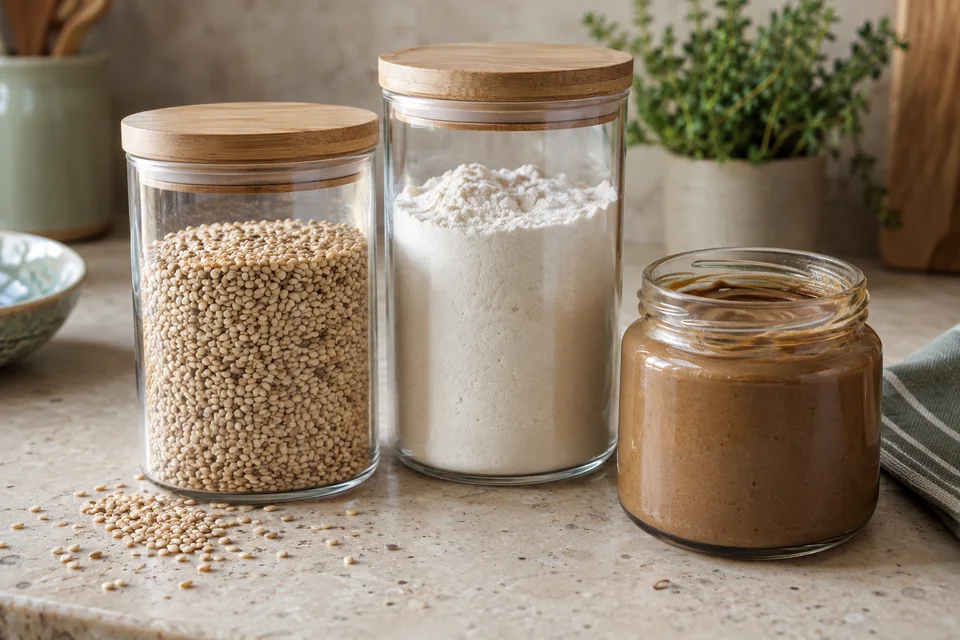
Wheat flour: Recorded in buuz, bansh, bantan, boortsog, gambir, khuushuur, guriltai shol, tsuivan and other dough or noodle dishes. Ask whether wheat flour is in the wrapper, thickener, pastry, noodles or garnish, and request the complete recipe.
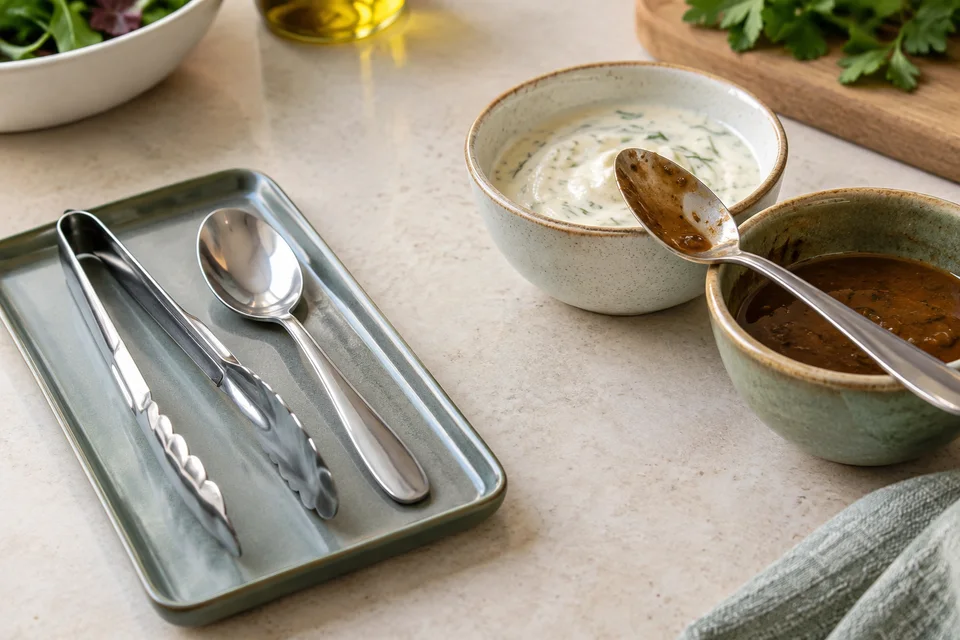
Buuz or khuushuur counter: At a dumpling or fried-food counter, ask whether buuz wrappers or khuushuur pastry contain wheat flour, what is in the meat filling, and what oil is used. Confirm whether dumplings, flatbreads and other foods share boards, tongs, oil or cooking water.
Shop or packaged-food purchase: When buying aaruul, dairy drinks, dried curds, flour products or imported snacks, read the entire ingredient list and ask about unfamiliar ingredients. Do not rely on a product name or picture; check whether milk, wheat, oil, butter or compound flavourings are present.
Using this guide
Open Dishes to investigate recorded local connections, Ingredients & hidden sources to follow component paths, Shopping & labels for names and package checks, and Eating out for a complete kitchen conversation.